
 EN
EN
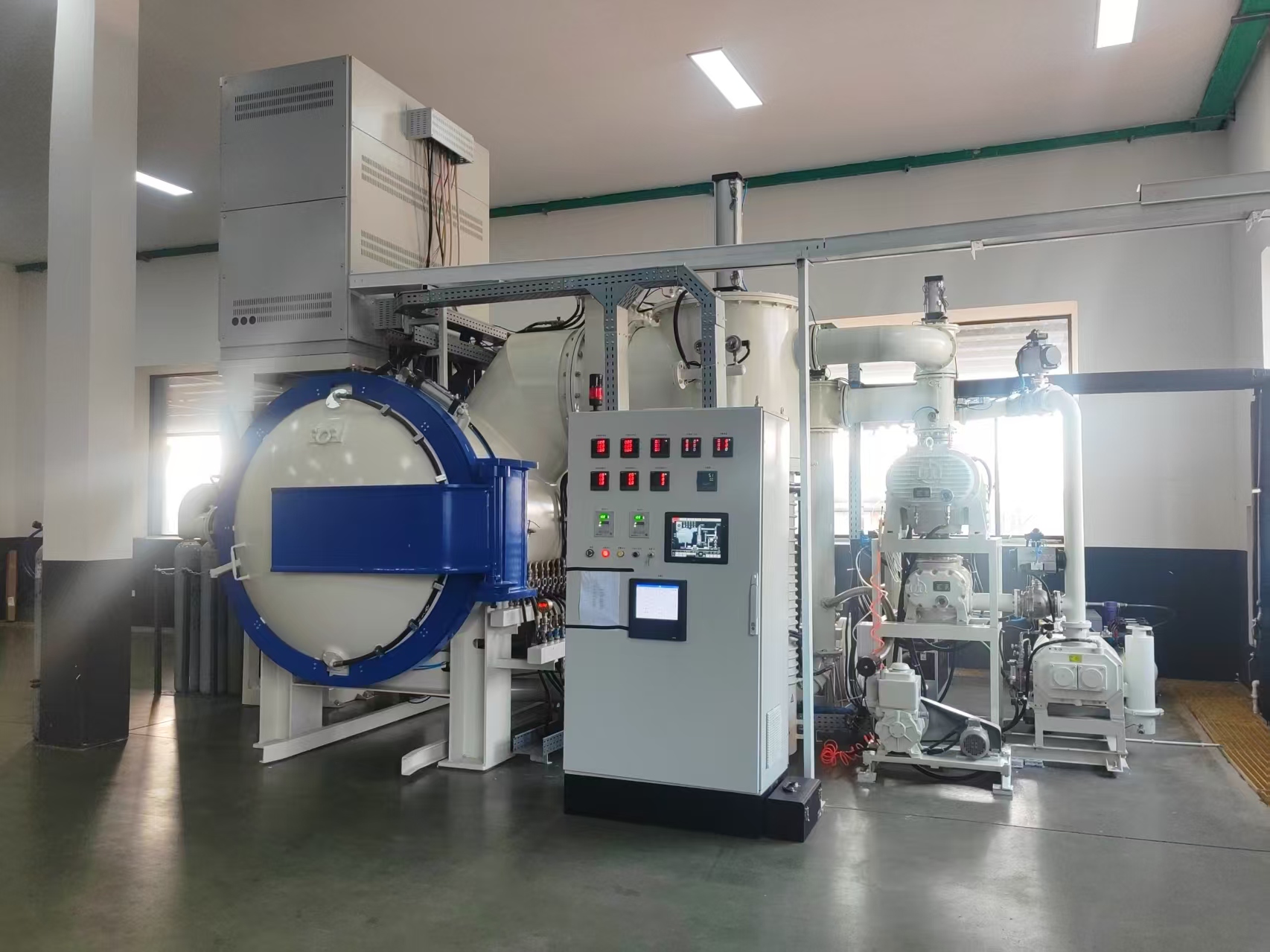
Temperature uniformity stands as one of the most critical factors determining the success of vacuum sintering operations, directly influencing material properties, dimensional accuracy, and overall product quality. When operating a vacuum sintering furnace, achieving consistent temperature distribution across the entire work zone becomes essential for producing parts with uniform microstructure and mechanical properties. Even minor temperature variations can lead to differential shrinkage, warping, and inconsistent material densification throughout the sintered components.
The relationship between temperature uniformity and sintering outcomes affects every aspect of the process, from initial powder consolidation to final material properties. Understanding how temperature variations impact vacuum sintering furnace performance enables manufacturers to optimize their processes, reduce defect rates, and achieve consistent production results across different batch sizes and component geometries.
Understanding Temperature Uniformity in Vacuum Sintering Systems
Defining Temperature Uniformity Standards
Temperature uniformity in vacuum sintering furnace applications refers to the maximum temperature deviation across the defined work zone during steady-state operation. Industry standards typically specify uniformity tolerances ranging from ±3°C to ±10°C, depending on the specific application requirements and material sensitivity. These tolerances are measured using calibrated thermocouples positioned throughout the furnace chamber at predetermined locations that represent the actual working volume.
The measurement methodology involves establishing a three-dimensional grid pattern within the work zone, with temperature sensors placed at strategic points to capture potential hot spots and cold zones. Professional vacuum sintering furnace systems undergo rigorous temperature uniformity surveys using certified instrumentation to verify compliance with specified tolerances. These surveys must be conducted under actual operating conditions, including proper vacuum levels and heating rates that match production parameters.
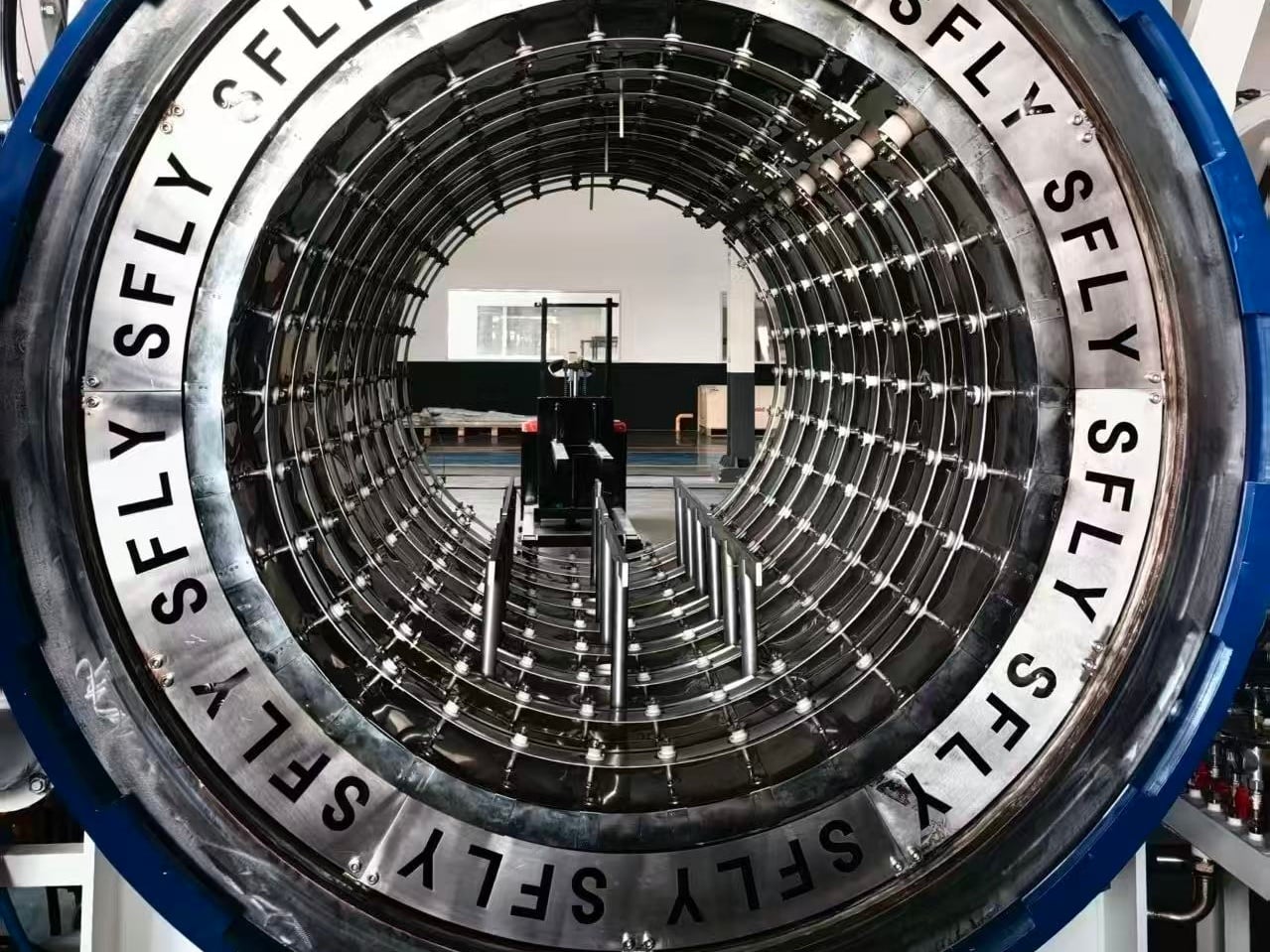
Modern vacuum sintering furnace designs incorporate advanced heating element configurations and thermal modeling to achieve superior temperature uniformity. The work zone definition excludes areas within a specified distance from the chamber walls, heating elements, and other thermal influences that could create localized temperature variations. Understanding these boundary conditions helps operators position their loads effectively to maximize the benefits of uniform temperature distribution.
Factors Affecting Temperature Distribution
Several interconnected factors influence temperature uniformity within vacuum sintering furnace chambers, starting with heating element design and placement. Resistance heating elements must be strategically positioned to provide even heat distribution while accounting for thermal radiation patterns and convective effects within the reduced-pressure environment. The geometry and thermal mass of heating elements directly impact how heat energy spreads throughout the chamber volume.
Chamber insulation design plays a crucial role in maintaining temperature uniformity by minimizing heat losses and preventing thermal bridging that could create cold spots. High-performance vacuum sintering furnace systems utilize multiple layers of specialized insulation materials, including metallic heat shields and ceramic fiber assemblies, to create consistent thermal boundaries. The insulation arrangement must account for thermal expansion and contraction cycles while maintaining effective sealing against heat loss.
Load characteristics significantly influence temperature distribution patterns, as different materials and component geometries absorb and conduct heat at varying rates. Dense metallic loads create thermal shadows and require different heating strategies compared to porous ceramic materials. The positioning of fixtures, support structures, and the parts themselves within the vacuum sintering furnace work zone determines how effectively heat reaches all surfaces and internal regions of the components being processed.
Direct Effects of Temperature Variation on Sintering Outcomes
Material Densification Inconsistencies
Temperature variations within vacuum sintering furnace operations directly affect the densification kinetics of powder metallurgy components, creating regions of different final density throughout individual parts. Areas exposed to higher temperatures experience accelerated particle bonding and pore elimination, while cooler regions may retain higher porosity levels and weaker interparticle bonds. This differential densification leads to mechanical property variations that compromise component reliability and performance consistency.
The sintering mechanism relies on thermally activated diffusion processes that follow exponential temperature dependencies, making even small temperature differences significant in terms of material densification rates. A vacuum sintering furnace with poor temperature uniformity may produce parts where density variations exceed acceptable tolerances, particularly in complex geometries where heat penetration becomes challenging. These density gradients often manifest as visible differences in surface finish and dimensional accuracy.
Microstructural development during vacuum sintering depends heavily on consistent temperature exposure to achieve uniform grain growth and phase formation throughout the component cross-section. Temperature variations can result in mixed microstructures where some regions exhibit fine-grained structures while others develop coarse grains, leading to unpredictable mechanical behavior and potential failure points in critical applications.
Dimensional Control Challenges
Thermal expansion and shrinkage behavior during vacuum sintering furnace cycles becomes non-uniform when temperature variations exist across the work zone, resulting in warping, distortion, and dimensional inaccuracies that exceed specified tolerances. Components experience different thermal expansion rates in various regions, creating internal stresses that cause permanent deformation during the cooling phase of the sintering cycle.
Differential shrinkage represents one of the most problematic effects of temperature non-uniformity, as different areas of the same component contract at different rates during sintering. This phenomenon becomes particularly pronounced in thin-walled sections and complex geometries where thermal gradients can develop more readily. Vacuum sintering furnace systems with excellent temperature uniformity minimize these differential effects, enabling consistent dimensional control across production batches.
The cumulative effect of temperature-induced dimensional variations often requires extensive post-processing operations such as machining or grinding to achieve final tolerances. These additional processing steps increase production costs and may compromise the benefits of near-net-shape manufacturing that powder metallurgy typically provides. Maintaining tight temperature uniformity in vacuum sintering furnace operations reduces the need for such corrective measures.
Quantitative Impact Analysis of Temperature Uniformity
Measuring Performance Variations
Quantifying the relationship between temperature uniformity and vacuum sintering furnace performance requires systematic measurement approaches that correlate temperature variations with specific material property outcomes. Statistical analysis of production data reveals that temperature deviations exceeding ±5°C typically result in mechanical property variations of 10-15% across sintered components, while tighter uniformity tolerances of ±2°C can reduce property variations to less than 5%.
Dimensional measurement studies demonstrate that improved temperature uniformity in vacuum sintering furnace operations directly correlates with reduced dimensional scatter in production batches. Components processed in furnaces with ±3°C uniformity show dimensional variations within ±0.1% of nominal dimensions, while systems with ±8°C variations may exhibit dimensional scatter exceeding ±0.3%. These measurements emphasize the critical importance of temperature control in achieving consistent manufacturing outcomes.
Material property testing reveals that tensile strength, hardness, and fatigue resistance all show strong correlations with temperature uniformity levels during vacuum sintering processes. Parts subjected to uniform temperature exposure exhibit more consistent mechanical properties and improved reliability in service applications. The quantitative data supports investments in advanced temperature control systems for critical vacuum sintering furnace applications.
Production Efficiency Implications
Temperature uniformity directly impacts production efficiency by influencing yield rates, cycle times, and quality control requirements in vacuum sintering furnace operations. Poor temperature uniformity typically results in higher rejection rates due to dimensional non-conformance and material property variations, requiring additional sorting and inspection procedures that increase processing costs and delivery times.
Process optimization studies indicate that vacuum sintering furnace systems with superior temperature uniformity enable faster heating rates and shorter cycle times without compromising part quality. The improved thermal control allows operators to push process parameters more aggressively while maintaining consistent results, leading to increased throughput and improved equipment utilization rates.
Quality assurance procedures can be simplified when vacuum sintering furnace temperature uniformity meets strict tolerances, as the reduced process variation allows for statistical process control approaches rather than 100% inspection requirements. This statistical approach reduces inspection costs while maintaining quality standards, contributing to overall manufacturing efficiency improvements.
Optimization Strategies for Temperature Control
Advanced Heating System Design
Modern vacuum sintering furnace systems incorporate sophisticated heating element arrangements that utilize zone-based control strategies to achieve superior temperature uniformity across large work volumes. Multiple heating zones with independent temperature controllers allow for fine-tuning of thermal profiles to compensate for heat losses and load variations. These advanced systems typically employ resistance heating elements arranged in carefully calculated patterns that provide overlapping heat coverage throughout the chamber.
Thermal modeling software plays an increasingly important role in optimizing heating system designs for vacuum sintering furnace applications, allowing engineers to predict temperature distribution patterns before physical construction. Computational fluid dynamics and finite element analysis help identify potential problem areas and guide heating element placement for optimal uniformity. These modeling tools enable manufacturers to achieve temperature uniformity specifications with greater confidence and reduced development time.
Innovative heating technologies such as induction heating and hybrid heating systems offer alternative approaches to improving temperature uniformity in specialized vacuum sintering furnace applications. These advanced heating methods can provide more precise control and faster response times compared to conventional resistance heating, enabling better temperature uniformity especially in rapid heating applications or when processing temperature-sensitive materials.
Load Management and Fixture Design
Proper load management strategies significantly influence temperature uniformity within vacuum sintering furnace chambers, requiring careful attention to component spacing, fixture design, and thermal mass distribution. Optimal spacing between components ensures adequate heat circulation and prevents thermal shadowing effects that can create localized temperature variations. Fixture materials and geometries must be selected to minimize thermal interference while providing adequate support for the sintering process.
Thermal conditioning of fixtures and load supports helps establish more uniform temperature distribution by pre-heating these components to operating temperatures before introducing the actual parts to be sintered. This approach reduces thermal transients and helps achieve steady-state uniformity more quickly during vacuum sintering furnace cycles. Proper fixture design also incorporates thermal expansion considerations to prevent dimensional distortion during processing.
Load balancing techniques involve distributing thermal mass evenly throughout the work zone to promote uniform heat absorption and minimize temperature gradients. Strategic placement of thermal ballast materials can help stabilize temperature distribution in partially loaded vacuum sintering furnace runs, maintaining consistent thermal conditions even when processing smaller batches or irregularly shaped components.
FAQ
What temperature uniformity tolerance is acceptable for vacuum sintering furnace operations?
Acceptable temperature uniformity tolerances for vacuum sintering furnace operations typically range from ±3°C to ±10°C depending on the specific application requirements and material sensitivity. Critical aerospace and medical components often require tighter tolerances of ±3°C to ±5°C, while less critical applications may accept ±8°C to ±10°C variations. The tolerance specification should align with the final part requirements and the material's sensitivity to temperature variations during sintering.
How often should temperature uniformity be verified in a vacuum sintering furnace?
Temperature uniformity verification in vacuum sintering furnace systems should be conducted annually for routine operations, or more frequently if process critical parameters change or equipment modifications occur. Additional surveys are recommended after major maintenance activities, heating element replacements, or when processing new materials with different thermal characteristics. Some quality standards require quarterly verification for critical applications where temperature uniformity directly affects safety or performance.
Can poor temperature uniformity be corrected without major equipment modifications?
Minor temperature uniformity issues in vacuum sintering furnace systems can often be improved through load positioning adjustments, fixture modifications, or heating element maintenance without major equipment changes. Simple solutions include redistributing thermal mass, adjusting component spacing, or replacing worn heating elements. However, significant uniformity problems typically require heating system redesign, insulation upgrades, or control system modifications to achieve acceptable performance levels.
What are the most common causes of temperature uniformity problems in vacuum sintering furnaces?
The most common causes of temperature uniformity problems in vacuum sintering furnace operations include inadequate insulation design, improper heating element placement, worn or damaged heating elements, and poor load distribution within the work zone. Other contributing factors include vacuum leaks that affect heat transfer, inadequate thermal conditioning time, and control system calibration issues. Regular maintenance and proper operating procedures can prevent many of these uniformity problems from developing.
Table of Contents
- Understanding Temperature Uniformity in Vacuum Sintering Systems
- Direct Effects of Temperature Variation on Sintering Outcomes
- Quantitative Impact Analysis of Temperature Uniformity
- Optimization Strategies for Temperature Control
-
FAQ
- What temperature uniformity tolerance is acceptable for vacuum sintering furnace operations?
- How often should temperature uniformity be verified in a vacuum sintering furnace?
- Can poor temperature uniformity be corrected without major equipment modifications?
- What are the most common causes of temperature uniformity problems in vacuum sintering furnaces?
