
 EN
EN
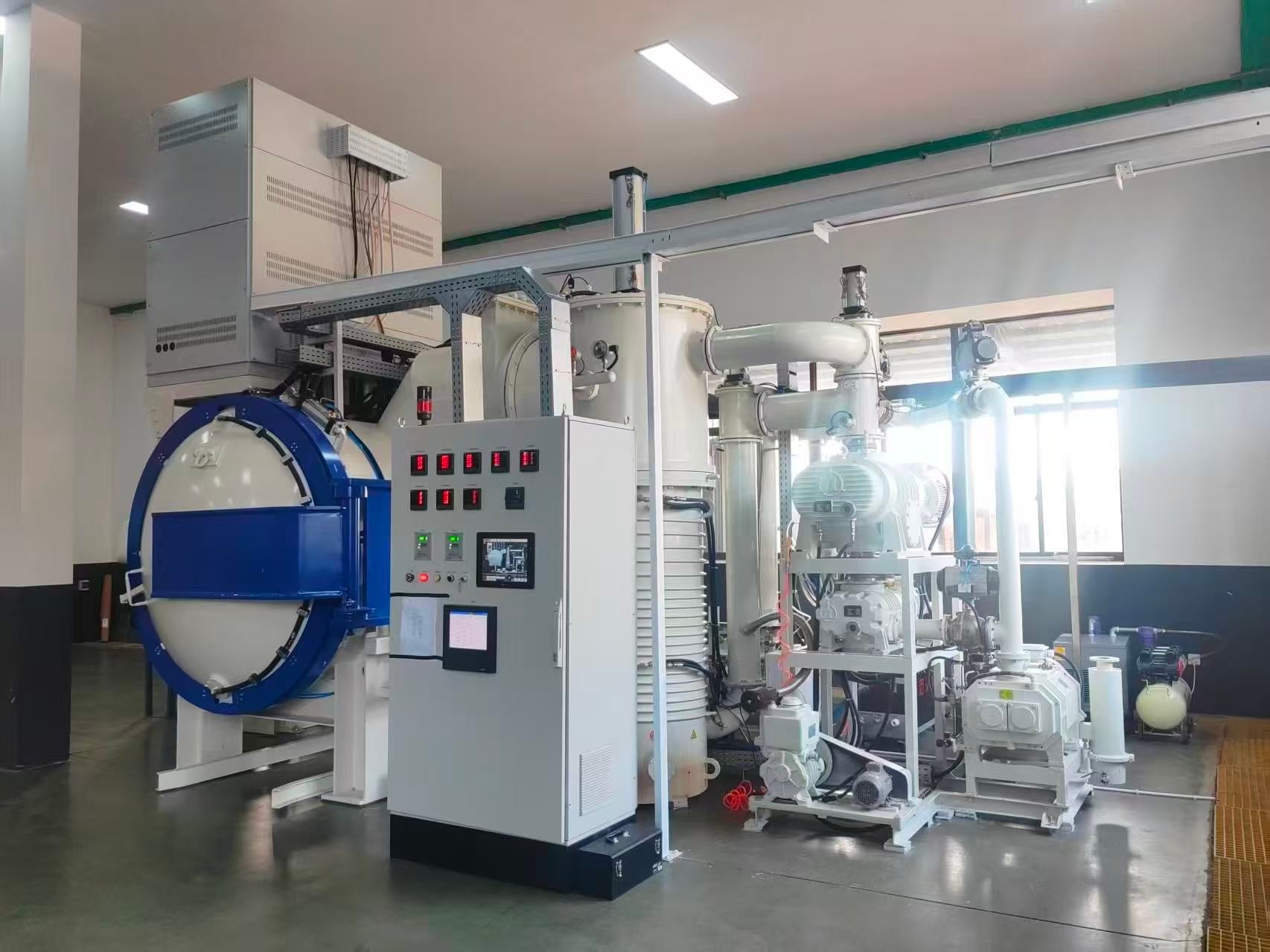
Contamination control represents one of the most critical challenges in high-tech manufacturing processes, where even microscopic impurities can compromise product quality and performance. A vacuum sintering furnace emerges as a sophisticated solution that addresses contamination concerns through its unique operating environment and advanced process control capabilities. This specialized equipment creates an oxygen-free atmosphere that prevents oxidation and eliminates atmospheric contaminants that typically plague conventional sintering operations.
The implementation of vacuum sintering furnace technology in high-tech production environments delivers measurable improvements in product purity and consistency. By maintaining ultra-low pressure conditions and controlled atmospheres, these systems eliminate the primary sources of contamination that affect critical components in aerospace, electronics, medical devices, and advanced materials manufacturing. Understanding how vacuum sintering furnaces reduce contamination requires examining their operational principles, environmental controls, and specific mechanisms that protect materials throughout the thermal processing cycle.
Atmospheric Control Mechanisms
Vacuum Environment Creation
The fundamental contamination reduction capability of a vacuum sintering furnace stems from its ability to create and maintain ultra-high vacuum conditions during processing. The system evacuates the processing chamber to pressures typically ranging from 10⁻³ to 10⁻⁶ torr, effectively removing oxygen, nitrogen, water vapor, and other atmospheric gases that serve as contamination sources. This vacuum environment prevents oxidation reactions that would otherwise form unwanted compounds on material surfaces and within the sintered structure.
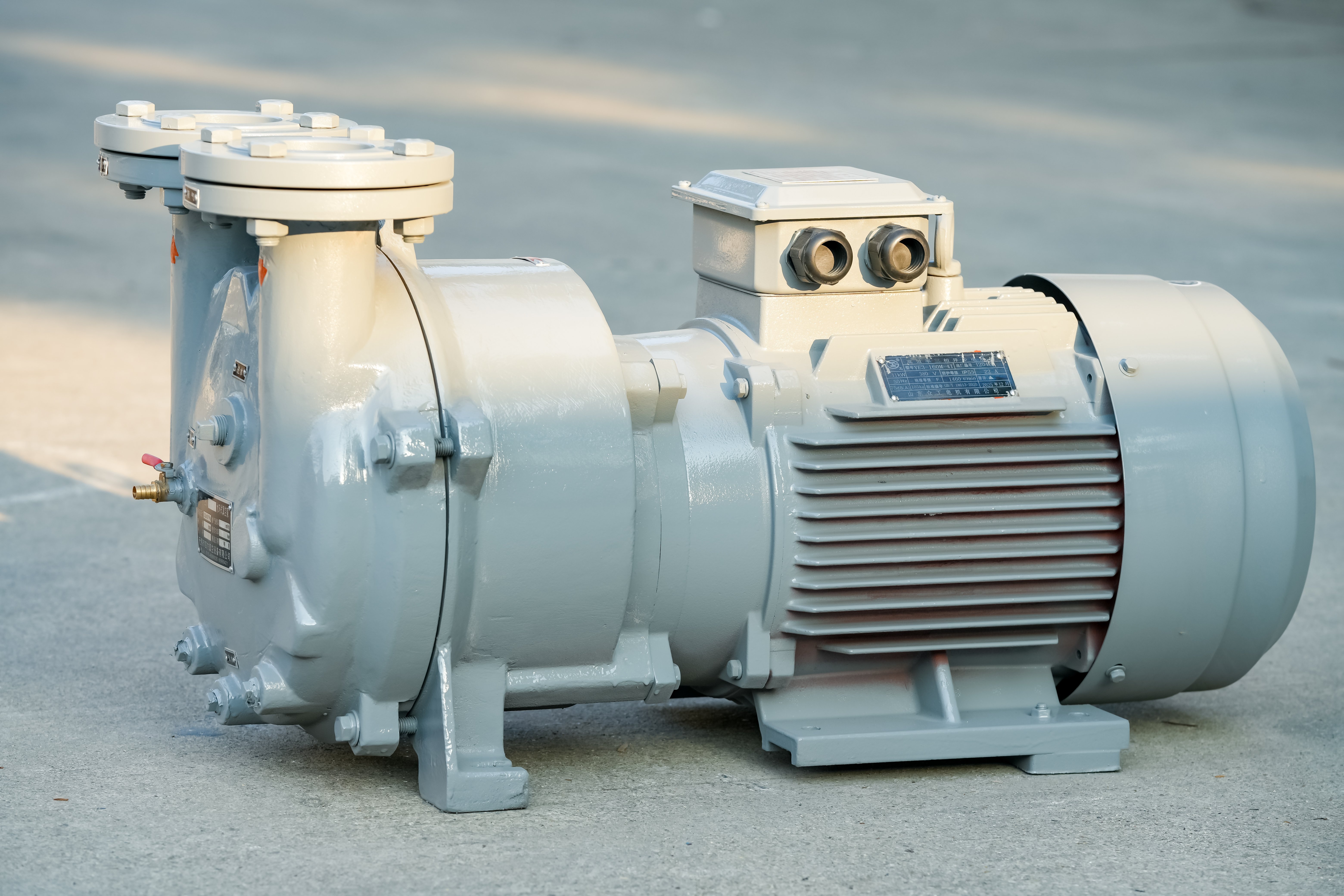
Advanced vacuum pumping systems, including rotary vane pumps, turbo-molecular pumps, and ion pumps, work in sequence to achieve the required vacuum levels. The multi-stage pumping approach ensures complete removal of atmospheric contaminants while maintaining stable pressure conditions throughout the sintering cycle. This systematic evacuation process eliminates the presence of reactive gases that could interact with processed materials and introduce impurities.
The vacuum sintering furnace maintains these ultra-clean conditions through continuous monitoring and control systems that detect pressure fluctuations and automatically adjust pumping parameters. Real-time vacuum measurement ensures that contamination sources cannot re-enter the processing environment, providing consistent protection throughout extended sintering cycles that may last several hours or days.
Controlled Atmosphere Implementation
Beyond simple vacuum conditions, modern vacuum sintering furnace systems can introduce controlled atmospheres using ultra-pure gases to further enhance contamination prevention. Inert gases such as argon or helium can be introduced at specific pressures to create protective environments that prevent material degradation while maintaining cleanliness standards. These controlled atmospheres provide additional protection against contamination while enabling specific metallurgical reactions.
The controlled atmosphere capability allows operators to tailor the processing environment to specific material requirements while maintaining contamination control. High-purity gas delivery systems ensure that introduced atmospheres contain minimal impurities, typically achieving purity levels of 99.999% or higher. This precision in atmosphere control enables the vacuum sintering furnace to accommodate diverse materials while consistently preventing contamination.
Gas purification systems integrated into the vacuum sintering furnace remove trace contaminants from process gases through gettering, filtration, and purification technologies. These systems continuously monitor gas purity and automatically adjust purification parameters to maintain contamination-free conditions throughout the sintering process.
Material Surface Protection
Oxidation Prevention Mechanisms
Surface oxidation represents a primary contamination concern in high-temperature processing, particularly for reactive metals and advanced alloys used in high-tech applications. The vacuum sintering furnace eliminates oxygen from the processing environment, preventing oxide formation that would compromise material properties and surface integrity. This oxygen-free environment maintains the pristine condition of material surfaces throughout the thermal cycle.
The absence of oxygen in the vacuum sintering furnace prevents the formation of oxide scales that typically develop during conventional sintering processes. These oxide layers not only contaminate the material surface but also interfere with subsequent processing steps and final product performance. By eliminating oxidation, the vacuum sintering furnace preserves the original material composition and surface characteristics essential for high-tech applications.
Advanced materials such as titanium alloys, superalloys, and reactive metals benefit significantly from the oxidation prevention capabilities of vacuum sintering furnace systems. These materials are particularly susceptible to contamination through oxide formation, making vacuum processing essential for maintaining their superior properties and performance characteristics in demanding applications.
Carbon and Hydrocarbon Contamination Control
Hydrocarbon contamination poses significant challenges in high-tech manufacturing, where organic compounds can decompose and deposit carbon on material surfaces during thermal processing. The vacuum sintering furnace addresses this contamination source through careful atmosphere management and temperature control protocols that prevent hydrocarbon breakdown and carbon deposition. Clean vacuum conditions ensure that organic contaminants cannot survive the high-temperature environment.
The high-temperature environment within a vacuum sintering furnace effectively decomposes and removes hydrocarbon contaminants that may be present on material surfaces or within the processing chamber. The vacuum conditions facilitate the removal of decomposition products, preventing their accumulation and subsequent contamination of processed materials. This cleaning effect contributes to the overall contamination reduction capabilities of vacuum sintering systems.
Careful material preparation and chamber cleaning protocols further enhance the carbon contamination prevention capabilities of vacuum sintering furnace operations. Pre-processing cleaning procedures remove hydrocarbon contaminants from material surfaces, while regular chamber maintenance eliminates accumulated deposits that could serve as contamination sources during subsequent processing cycles.
Process Parameter Control
Temperature Uniformity and Stability
Temperature control precision in a vacuum sintering furnace directly impacts contamination prevention by ensuring uniform heating conditions that prevent localized hot spots and thermal gradients. These temperature variations can cause material degradation and create conditions that promote contamination formation. Advanced heating systems in vacuum sintering furnace designs provide precise temperature control across the entire processing zone, maintaining uniformity within ±5°C or better.
The thermal uniformity achieved by vacuum sintering furnace systems prevents the formation of volatile compounds that could migrate and contaminate other areas of processed materials. Consistent temperature conditions ensure that all areas of the processed components experience identical thermal conditions, eliminating variables that could lead to differential contamination or material property variations.
Multi-zone heating controls in advanced vacuum sintering furnace designs allow precise temperature profiling throughout the processing cycle. This capability enables operators to optimize heating and cooling rates to minimize thermal stress and prevent conditions that could promote contamination formation or material degradation during critical processing phases.
Heating Rate and Cooling Control
Controlled heating and cooling rates in vacuum sintering furnace operations prevent thermal shock conditions that can create micro-cracks and surface defects susceptible to contamination. Gradual temperature transitions maintain material integrity while preventing the formation of stress-induced defects that could trap contaminants or provide pathways for contamination infiltration.
The programmable temperature control capabilities of modern vacuum sintering furnace systems enable precise heating and cooling profiles tailored to specific material requirements. These controlled thermal cycles prevent rapid temperature changes that could cause material expansion and contraction leading to contamination-prone surface conditions.
Advanced cooling systems integrated into vacuum sintering furnace designs provide controlled cooling rates while maintaining vacuum conditions. This controlled cooling prevents the formation of thermal gradients and associated stress concentrations that could compromise material integrity and create contamination-susceptible areas.
Chamber Design and Cleanliness
Ultra-Clean Construction Materials
The chamber construction of a vacuum sintering furnace utilizes materials specifically selected for their cleanliness and resistance to outgassing under high-temperature vacuum conditions. Stainless steel alloys and specialized vacuum-compatible materials minimize contamination sources from the processing environment itself. These materials undergo extensive cleaning and preparation procedures to eliminate surface contaminants before installation.
Internal chamber surfaces in vacuum sintering furnace systems receive specialized treatments and finishes that minimize particle generation and contamination release during operation. Electropolished surfaces reduce surface roughness and eliminate microscopic crevices where contaminants could accumulate and subsequently release during thermal cycling.
The selection of chamber materials for vacuum sintering furnace construction considers outgassing characteristics under operational conditions. Low-outgassing materials prevent the release of volatile compounds that could contaminate processed materials, maintaining the ultra-clean environment essential for high-tech manufacturing applications.
Contamination Prevention Design Features
Specialized design features in vacuum sintering furnace systems include contamination barriers and isolation mechanisms that prevent cross-contamination between different processing areas. These design elements ensure that contaminants from one area of the chamber cannot migrate to affect other processed components during thermal cycling.
The internal configuration of vacuum sintering furnace chambers incorporates smooth surfaces and minimal crevices that could trap contaminants or generate particles during operation. Careful attention to internal geometry eliminates dead spaces and ensures complete vacuum evacuation while preventing contamination accumulation in hard-to-reach areas.
Advanced vacuum sintering furnace designs include integrated cleaning systems that facilitate regular chamber maintenance and contamination removal. These systems enable thorough cleaning procedures without requiring complete system disassembly, maintaining operational efficiency while ensuring consistent cleanliness standards.
Quality Monitoring and Validation
Real-Time Contamination Detection
Modern vacuum sintering furnace systems incorporate advanced monitoring technologies that provide real-time detection of potential contamination sources during processing. Residual gas analyzers continuously monitor the vacuum environment for trace contaminants and immediately alert operators to any deviations from acceptable cleanliness levels. This continuous monitoring capability enables immediate corrective action to prevent contamination issues.
Mass spectrometry systems integrated into vacuum sintering furnace operations identify specific contaminant species and track their concentration levels throughout the processing cycle. This detailed monitoring capability enables operators to identify contamination sources and implement targeted prevention strategies for future processing cycles.
Automated monitoring systems in vacuum sintering furnace installations provide continuous data logging and trend analysis to identify patterns that could indicate developing contamination issues. This predictive monitoring capability enables proactive maintenance and process adjustments to prevent contamination problems before they affect product quality.
Process Validation and Documentation
Comprehensive process validation protocols for vacuum sintering furnace operations document contamination control effectiveness through systematic testing and measurement procedures. These validation processes verify that the system consistently achieves specified cleanliness levels and contamination reduction targets across multiple processing cycles.
Documentation systems integrated into vacuum sintering furnace controls maintain detailed records of processing parameters, vacuum conditions, and contamination monitoring results for each production cycle. This comprehensive documentation enables traceability and provides evidence of contamination control effectiveness for quality assurance and regulatory compliance requirements.
Regular calibration and verification procedures for vacuum sintering furnace monitoring systems ensure accurate contamination detection and measurement capabilities. These validation activities maintain system reliability and provide confidence in contamination control performance throughout extended operational periods.
FAQ
What types of contaminants can a vacuum sintering furnace eliminate?
A vacuum sintering furnace effectively eliminates oxygen, water vapor, hydrocarbons, and other atmospheric gases that serve as primary contamination sources. The ultra-high vacuum environment prevents oxidation reactions, removes moisture that could cause hydrogen embrittlement, and eliminates organic compounds that could decompose and deposit carbon on material surfaces. Additionally, the controlled atmosphere capabilities allow for the removal of trace contaminants through gettering and purification processes.
How does vacuum level affect contamination reduction performance?
The vacuum level directly correlates with contamination reduction effectiveness, with lower pressures providing superior contamination control. Operating pressures below 10⁻⁴ torr effectively eliminate most atmospheric contaminants, while ultra-high vacuum conditions below 10⁻⁶ torr provide exceptional contamination prevention for the most demanding applications. Higher vacuum levels ensure more complete removal of reactive gases and volatile contaminants that could compromise material purity.
Can vacuum sintering furnaces handle reactive materials without contamination?
Yes, vacuum sintering furnaces excel at processing reactive materials such as titanium, zirconium, and advanced superalloys without contamination. The oxygen-free environment prevents oxidation of these reactive metals, while controlled atmosphere capabilities allow for the use of protective gases when needed. The ultra-clean processing conditions maintain material purity and prevent the formation of unwanted compounds that could compromise material properties.
What maintenance is required to maintain contamination control effectiveness?
Maintaining contamination control effectiveness requires regular chamber cleaning, vacuum system maintenance, and monitoring equipment calibration. Chamber cleaning procedures remove accumulated deposits and surface contaminants, while vacuum pump maintenance ensures consistent evacuation performance. Regular calibration of monitoring instruments verifies contamination detection accuracy, and periodic leak testing maintains vacuum integrity essential for contamination prevention.
