
 EN
EN
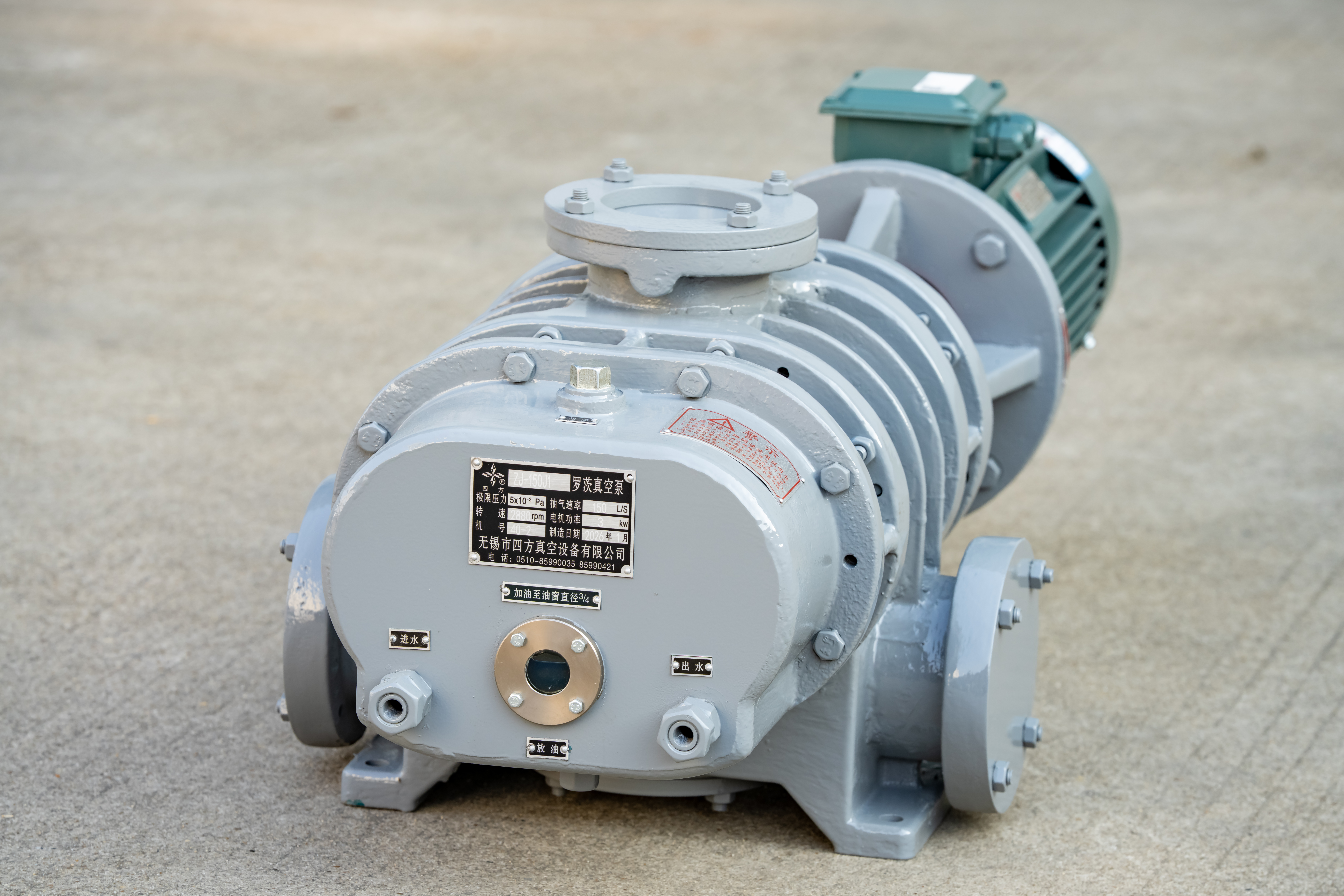
Understanding how a roots vacuum pump performs under fluctuating loads is crucial for industrial applications where demand varies significantly throughout operational cycles. These positive displacement pumps face unique challenges when load conditions change rapidly, affecting their efficiency, mechanical stress, and overall system performance. The ability of a roots vacuum pump to adapt to varying vacuum levels and gas flow requirements directly impacts production reliability and energy consumption in critical industrial processes.
When operating under fluctuating loads, a roots vacuum pump must continuously adjust to changing suction pressures and gas throughput demands while maintaining consistent performance characteristics. This dynamic operating environment places specific demands on the pump's rotor synchronization, clearance management, and thermal stability. The pump's response to load variations determines not only immediate performance metrics but also long-term reliability and maintenance requirements in demanding industrial environments.
Fundamental Response Characteristics to Load Variations
Rotor Speed and Synchronization Under Variable Conditions
The performance of a roots vacuum pump under fluctuating loads begins with how its twin rotors respond to changing pressure differentials across the pump chambers. As load conditions vary, the rotors must maintain precise synchronization while adapting to different torque requirements. The timing gears ensure that rotors never contact each other, but varying loads create different pressure forces that can affect rotor positioning and clearance maintenance.
Under light load conditions, a roots vacuum pump operates with minimal pressure differential, allowing the rotors to maintain consistent speeds with relatively low power consumption. However, as loads increase and deeper vacuum levels are required, the pressure differential across the pump increases significantly. This creates higher forces on the rotors, requiring more precise control of rotor positioning and potentially affecting the pump's volumetric efficiency.
The synchronization mechanism becomes particularly critical during rapid load changes. When a roots vacuum pump experiences sudden increases in demand, the rotor system must quickly adapt to higher torque requirements without losing synchronization. This adaptation involves both mechanical responses from the drive system and thermal responses as increased work generates additional heat within the pump housing.
Volumetric Efficiency Variations During Load Fluctuations
Volumetric efficiency in a roots vacuum pump directly relates to how effectively the pump moves gas volume relative to its theoretical displacement capacity. Under fluctuating loads, this efficiency varies as internal leakage patterns change with different pressure differentials. When loads are light, internal leakage through clearances has minimal impact on overall efficiency, allowing the pump to operate near its theoretical capacity.
During periods of high load demand, increased pressure differentials cause more significant internal leakage through the small clearances between rotors and between rotors and housing. This leakage represents gas that is compressed and then expands back into the suction side, reducing the net pumping capacity. A well-designed roots vacuum pump minimizes these losses through optimized clearance management and rotor profiling.
The relationship between load fluctuations and volumetric efficiency also depends on the pump's operating speed. Variable speed control allows a roots vacuum pump to optimize its volumetric efficiency across different load conditions by adjusting rotor speed to match demand requirements. This capability becomes essential in applications where load variations are frequent and significant.
Thermal Management During Variable Load Operations
Heat Generation Patterns Under Changing Demands
Thermal management represents one of the most critical aspects of roots vacuum pump performance under fluctuating loads. Heat generation within the pump varies significantly with load conditions, creating thermal stress patterns that affect both immediate performance and long-term reliability. During low load operations, heat generation remains minimal as compression work is limited, allowing the pump to operate at relatively stable temperatures.
As loads increase, compression work rises dramatically, generating substantial heat within the pump chambers. This heat must be effectively dissipated to prevent thermal expansion that could reduce critical clearances between rotors and housing. A roots vacuum pump operating under heavy loads without adequate cooling can experience thermal growth that leads to contact between moving parts, causing immediate damage and performance degradation.
The challenge intensifies when load fluctuations are rapid and frequent. Thermal cycling creates expansion and contraction patterns that can lead to fatigue in pump components. The timing of thermal response often lags behind load changes, meaning that a roots vacuum pump may continue heating even after loads decrease, requiring sophisticated thermal management strategies to maintain optimal clearances.
Cooling System Adaptation to Load Variations
Effective cooling system design for fluctuating load applications requires understanding how heat generation patterns change with operating conditions. Many industrial installations employ variable cooling strategies that adjust cooling capacity based on real-time load conditions. This approach ensures adequate cooling during peak demands while avoiding overcooling during light load periods that could cause condensation issues.
Water cooling systems for a roots vacuum pump must be designed with sufficient thermal mass and flow capacity to handle sudden load increases. The cooling system response time becomes critical, as delays in removing generated heat can quickly lead to thermal issues. Additionally, temperature control valves and monitoring systems help maintain optimal operating temperatures across the full range of load variations.
Air cooling systems face different challenges under fluctuating loads, as they typically have slower thermal response times compared to water cooling. However, properly designed air cooling systems can effectively manage thermal loads in many applications by incorporating larger heat exchange surfaces and variable speed cooling fans that adjust to current operating conditions.
Mechanical Stress Distribution During Load Transitions
Bearing Load Variations and Fatigue Considerations
The bearing systems in a roots vacuum pump experience varying load patterns that directly correlate with changing operational demands. During light load conditions, bearing loads remain relatively constant and predictable, primarily supporting rotor weight and handling minimal radial forces from pressure differentials. However, as loads increase, bearing systems must accommodate significantly higher radial and axial forces generated by pressure imbalances across the rotors.
Fluctuating loads create dynamic loading conditions that can accelerate bearing wear if not properly managed. The frequency and magnitude of load changes determine the fatigue stress patterns experienced by bearing components. A roots vacuum pump designed for variable load applications typically incorporates heavy-duty bearing systems with adequate load capacity margins to handle peak conditions while maintaining reasonable service life under normal operations.
Bearing lubrication becomes particularly critical under fluctuating load conditions. The lubrication system must provide adequate protection during peak load periods while avoiding over-lubrication during light load operations. Modern bearing designs often incorporate advanced lubricants and sealing systems specifically engineered for variable load applications in vacuum service.
Rotor Deflection and Clearance Management
Rotor deflection under varying loads directly affects the critical clearances that enable a roots vacuum pump to operate without internal contact. As pressure differentials change with load conditions, the forces acting on rotors create deflection patterns that must be accommodated in the pump design. Excessive deflection can reduce clearances to dangerous levels, potentially causing rotor contact and immediate pump failure.
The design of rotor systems for fluctuating load applications requires careful analysis of deflection patterns under worst-case loading conditions. Rotor materials, cross-sectional designs, and support bearing placement all influence how rotors respond to varying pressure forces. High-strength materials and optimized rotor geometries help minimize deflection while maintaining adequate clearances across the full operating range.
Clearance monitoring systems in advanced roots vacuum pump installations provide real-time feedback on rotor positioning and clearance maintenance. These systems can detect when clearances approach minimum safe values, allowing for proactive adjustments to operating conditions or maintenance scheduling to prevent damage from contact conditions.
Performance Optimization Strategies for Variable Load Applications
Variable Speed Control Implementation
Variable speed control represents one of the most effective strategies for optimizing roots vacuum pump performance under fluctuating loads. By adjusting rotor speed to match current demand requirements, the pump can maintain optimal efficiency while reducing mechanical stress and energy consumption. This approach requires sophisticated control systems that monitor load conditions and adjust pump speed accordingly.
The implementation of variable speed control involves both hardware and software considerations. Variable frequency drives provide the electrical control necessary to adjust motor speed, while control algorithms determine the appropriate speed settings based on vacuum level requirements and system feedback. A properly configured roots vacuum pump with variable speed control can automatically optimize its operation across widely varying load conditions.
Speed control strategies must account for the dynamic response characteristics of the pump and associated systems. Rapid speed changes can create their own mechanical stresses, requiring careful tuning of acceleration and deceleration rates. Additionally, minimum speed limitations ensure adequate lubrication and cooling at all operating points.
System Integration and Load Buffering
Effective integration of a roots vacuum pump into systems with fluctuating loads often involves buffering strategies that reduce the severity of load variations experienced by the pump. Vacuum receivers and intermediate storage vessels can absorb short-term demand spikes, allowing the pump to operate at more stable conditions. This approach reduces mechanical stress while improving overall system efficiency.
Control system integration enables coordinated operation between the roots vacuum pump and other system components. Pressure sensors, flow monitors, and load feedback systems provide the information necessary to optimize pump operation in real-time. Advanced control strategies can anticipate load changes based on process conditions, allowing proactive adjustments to pump operation.
Multiple pump configurations offer another approach to handling fluctuating loads. Staging multiple roots vacuum pump units allows individual pumps to be activated or deactivated based on current demand, maintaining optimal efficiency while providing redundancy for critical applications. This approach requires careful consideration of pump sizing and control coordination to ensure smooth transitions between operating configurations.
FAQ
What happens to pump efficiency when loads change rapidly?
When a roots vacuum pump experiences rapid load changes, efficiency temporarily decreases as the pump adjusts to new operating conditions. During sudden load increases, internal leakage rises due to higher pressure differentials, reducing volumetric efficiency until thermal and mechanical equilibrium is reestablished. The severity of efficiency loss depends on the magnitude and speed of load changes, with well-designed systems recovering to optimal efficiency levels within minutes of load stabilization.
How do fluctuating loads affect maintenance requirements?
Fluctuating loads generally increase maintenance requirements for a roots vacuum pump due to accelerated wear patterns and thermal cycling effects. Bearing systems experience variable loading that can reduce service life, while thermal expansion and contraction cycles create fatigue stress in housing and rotor components. Regular monitoring of clearances, bearing condition, and thermal performance becomes essential, with maintenance intervals potentially requiring reduction based on the severity and frequency of load variations.
Can roots vacuum pumps handle sudden load spikes without damage?
A properly designed roots vacuum pump can handle reasonable load spikes without immediate damage, but protection systems are essential for severe transients. Pressure relief valves, thermal monitoring, and overcurrent protection help prevent damage during unexpected load increases. However, repeated exposure to extreme load spikes can cause premature wear and reduce pump service life, making proper system design and load management critical for long-term reliability.
What control strategies work best for variable load applications?
The most effective control strategies for roots vacuum pump variable load applications combine variable speed control with intelligent load monitoring and system buffering. Variable frequency drives allow speed adjustment to match demand, while vacuum receivers provide short-term load buffering. Advanced control systems that monitor multiple parameters including vacuum level, power consumption, and thermal conditions enable proactive optimization of pump operation across varying load conditions, maximizing efficiency while protecting equipment.
