
 EN
EN
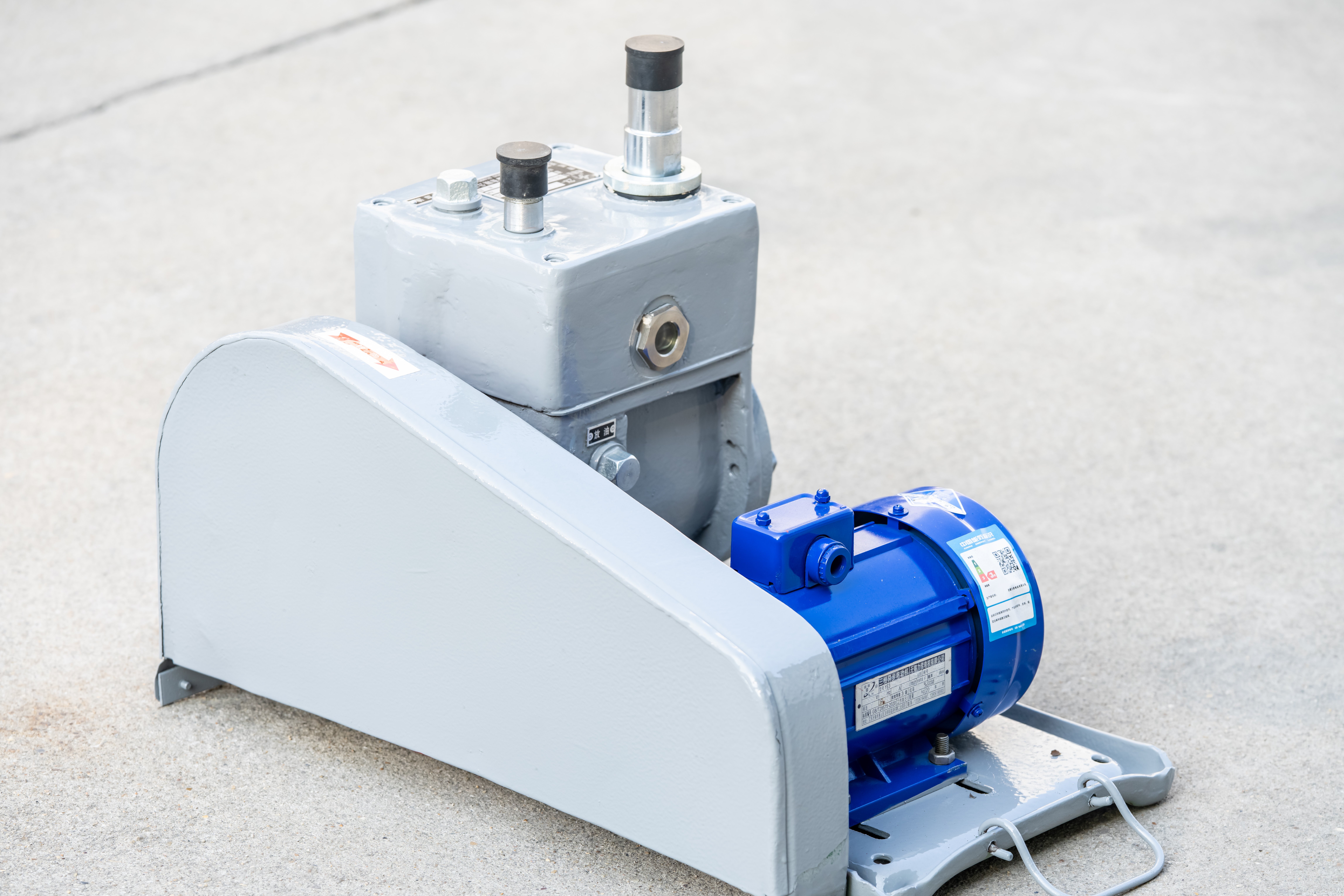
Large-scale industrial operations across manufacturing, chemical processing, and production facilities face critical challenges in maintaining efficient vacuum systems that can handle massive volumes while delivering consistent performance. The dependency on reliable vacuum technology becomes even more pronounced when production lines operate continuously, requiring equipment that can sustain high-volume operations without compromising on energy efficiency or operational reliability. This industrial reality has led to widespread adoption of specialized vacuum solutions designed specifically for heavy-duty applications.
The answer lies in the unique operational advantages that roots vacuum pump systems provide for large-scale industrial environments. These sophisticated vacuum systems offer superior volumetric efficiency, exceptional reliability under continuous operation, and the ability to handle large gas volumes that smaller vacuum technologies simply cannot manage effectively. When factories require vacuum levels that must be maintained consistently across extended production cycles, the robust design and operational characteristics of roots vacuum pump technology become indispensable for maintaining production targets and quality standards.
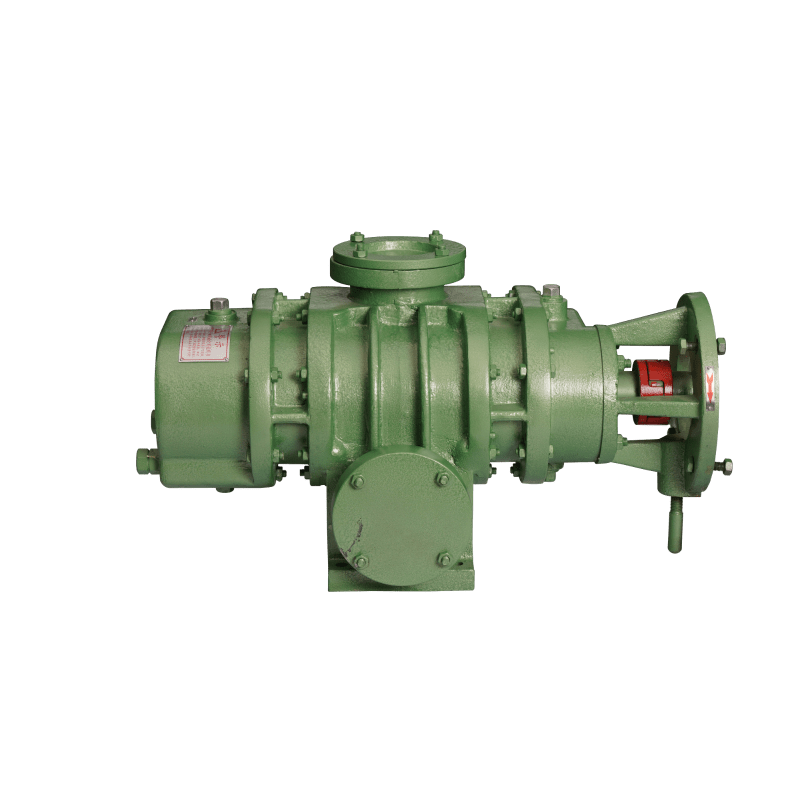
Superior Volumetric Performance Requirements
High-Volume Gas Handling Capabilities
Large factories generate substantial amounts of gases, vapors, and atmospheric air that must be evacuated efficiently from processing chambers, production lines, and manufacturing equipment. A roots vacuum pump excels in this environment because its positive displacement design can move large volumes of gas quickly and consistently, regardless of slight variations in inlet pressure. This volumetric advantage becomes critical when production systems require rapid evacuation cycles or when multiple vacuum points must be served simultaneously across extensive factory operations.
The mechanical design of roots vacuum pump systems allows them to maintain consistent pumping speeds even when handling gas loads that would significantly impact the performance of other vacuum technologies. This reliability in gas handling translates directly to production efficiency, as manufacturing processes can proceed without delays caused by inadequate vacuum performance or extended pump-down times that would otherwise slow production throughput.
Factory operations that involve packaging, material handling, or chemical processing often require vacuum systems that can adapt to varying load conditions while maintaining stable performance. The inherent design characteristics of a roots vacuum pump provide this operational flexibility, ensuring that production processes remain stable even when gas loads fluctuate due to process variations or changes in production volume.
Consistent Performance Under Variable Conditions
Industrial environments present challenging operational conditions that can affect vacuum system performance, including temperature variations, atmospheric pressure changes, and fluctuating process demands. The roots vacuum pump design incorporates robust mechanical components that maintain performance stability across these variable conditions, ensuring that factory operations can continue without interruption regardless of environmental factors that might compromise other vacuum technologies.
This performance consistency becomes particularly valuable in factories where production schedules cannot accommodate vacuum system downtime or performance degradation. Manufacturing processes that depend on precise vacuum levels for quality control, material processing, or product formation require vacuum systems that deliver predictable results consistently, making the reliable performance characteristics of roots vacuum pump technology essential for maintaining production standards.
The ability to maintain consistent vacuum performance also supports production planning and scheduling activities, as factory managers can rely on stable vacuum system performance when calculating production capacity, scheduling maintenance windows, and planning production runs that require specific vacuum conditions for optimal results.
Economic and Operational Efficiency Factors
Energy Efficiency in Large-Scale Applications
Energy consumption represents a significant operational cost for large factories, making the energy efficiency of vacuum systems a critical factor in overall facility economics. The roots vacuum pump design achieves superior energy efficiency compared to alternative vacuum technologies when handling the large gas volumes typical of industrial applications. This efficiency advantage stems from the positive displacement pumping mechanism, which requires less energy input per unit of gas moved compared to other vacuum pump designs.
Large factories benefit from the operational efficiency of roots vacuum pump systems because these units can maintain required vacuum levels while consuming less electrical power than would be required by multiple smaller vacuum pumps or less efficient vacuum technologies. This energy efficiency translates to reduced operational costs and improved environmental sustainability, both important considerations for modern industrial operations.
The energy efficiency advantages become more pronounced in factories where vacuum systems operate continuously or for extended periods. The cumulative energy savings achieved through efficient roots vacuum pump operation can result in substantial cost reductions over the operational lifetime of the equipment, making these systems economically attractive for large-scale industrial applications.
Maintenance and Reliability Considerations
Large factories require vacuum systems that can operate reliably with minimal maintenance interruptions, as production downtime directly impacts profitability and delivery commitments. The mechanical simplicity of roots vacuum pump design contributes to exceptional reliability, with fewer wearing components and simpler maintenance requirements compared to more complex vacuum technologies that might require frequent servicing or component replacement.
The robust construction typical of industrial-grade roots vacuum pump systems enables these units to withstand the demanding operational conditions present in large factories, including exposure to process chemicals, temperature variations, and continuous operation cycles. This durability reduces the frequency of maintenance interventions and extends the operational lifetime of the vacuum system, contributing to improved overall equipment effectiveness.
Maintenance planning becomes more predictable with roots vacuum pump systems because their straightforward design allows maintenance staff to easily monitor system condition, identify potential issues before they impact production, and perform routine maintenance tasks efficiently. This predictability supports factory maintenance scheduling and helps prevent unexpected production interruptions caused by vacuum system failures.
Process Integration and System Compatibility
Seamless Integration with Factory Systems
Modern large factories operate complex integrated systems where vacuum requirements must be coordinated with other utility systems, process equipment, and automation controls. The roots vacuum pump technology integrates effectively with factory automation systems, allowing for remote monitoring, automated operation, and coordination with production processes that require specific vacuum conditions at predetermined times.
The ability to integrate roots vacuum pump systems with factory control systems enables sophisticated process optimization, where vacuum levels can be adjusted automatically based on production requirements, energy management objectives, or process feedback. This integration capability supports lean manufacturing principles and helps factories optimize their overall operational efficiency.
Factory integration also extends to utility management, where roots vacuum pump systems can be coordinated with electrical load management systems, cooling systems, and compressed air systems to optimize overall facility energy consumption and reduce peak demand charges that can significantly impact operational costs.
Scalability and System Expansion
Large factories often need to expand their vacuum capacity as production requirements grow or as new manufacturing processes are added to existing facilities. The modular nature of roots vacuum pump systems allows for scalable expansion, where additional pump units can be added to existing systems without requiring complete system redesign or replacement of existing equipment.
This scalability advantage becomes particularly valuable for factories that experience seasonal production variations or that need to accommodate new product lines with different vacuum requirements. The ability to expand vacuum capacity incrementally allows factories to match their vacuum system investment with actual production needs, avoiding the capital waste associated with over-sizing initial installations.
System expansion capabilities also support factory flexibility, enabling manufacturers to reconfigure production lines, add new processes, or modify existing operations without being constrained by vacuum system limitations. This operational flexibility becomes increasingly important as markets demand more customized products and shorter production runs.
Application-Specific Advantages
Chemical Processing and Material Handling
Large factories involved in chemical processing, pharmaceutical manufacturing, or advanced materials production require vacuum systems that can handle potentially corrosive gases, maintain contamination-free operation, and provide the precise vacuum levels necessary for quality control. The design flexibility of roots vacuum pump systems allows for material selection and configuration options that address these specialized requirements while maintaining the high-volume performance needed for large-scale operations.
Chemical compatibility becomes critical when vacuum systems must handle process gases that could damage or contaminate standard vacuum equipment. Industrial roots vacuum pump systems can be configured with specialized materials, coatings, and sealing systems that maintain performance while resisting chemical attack or contamination, ensuring long-term reliability in demanding chemical processing environments.
The ability to maintain consistent vacuum levels during chemical processing operations directly impacts product quality, reaction efficiency, and process yield. The stable performance characteristics of roots vacuum pump technology support precise process control, helping factories maintain quality standards while maximizing production efficiency in chemical manufacturing applications.
Food Processing and Packaging Applications
Food processing factories require vacuum systems that meet stringent hygiene standards while providing the performance needed for packaging, preservation, and processing operations. The roots vacuum pump design can be configured to meet food-grade requirements while delivering the high-volume performance necessary for large-scale food processing operations.
Packaging applications in large food processing facilities often require rapid vacuum evacuation to maintain production speeds while ensuring product freshness and shelf life. The quick pump-down capabilities of roots vacuum pump systems support high-speed packaging operations, enabling factories to maintain competitive production rates while meeting quality standards for vacuum-packed products.
The reliability of roots vacuum pump systems becomes particularly important in food processing applications where equipment failure could result in product loss, contamination risks, or regulatory compliance issues. The consistent performance and predictable maintenance requirements of these systems support the operational reliability needed for food safety compliance and production efficiency.
FAQ
What makes roots vacuum pumps more suitable for large factories than other vacuum technologies?
Roots vacuum pumps excel in large factory applications because they can handle massive gas volumes efficiently, operate reliably under continuous use, and maintain consistent performance across varying operational conditions. Their positive displacement design provides superior volumetric efficiency compared to other vacuum technologies, making them ideal for the high-volume requirements typical of large industrial operations.
How do roots vacuum pump systems contribute to energy efficiency in large factories?
The energy efficiency advantage comes from their ability to move large volumes of gas with relatively low energy consumption per unit volume. This efficiency becomes more pronounced in large-scale applications where the cumulative energy savings over continuous operation can result in substantial cost reductions compared to using multiple smaller pumps or less efficient vacuum technologies.
Can roots vacuum pump systems be expanded as factory production requirements grow?
Yes, roots vacuum pump systems offer excellent scalability through modular expansion capabilities. Additional pump units can be added to existing systems without requiring complete redesign or replacement of current equipment, allowing factories to match their vacuum capacity investment with actual production needs as they grow or change their manufacturing processes.
What maintenance advantages do roots vacuum pumps offer for large factory operations?
The mechanical simplicity of roots vacuum pump design results in fewer wearing components and more predictable maintenance requirements compared to complex vacuum technologies. This translates to reduced maintenance downtime, lower service costs, and more reliable production scheduling, as maintenance interventions can be planned predictably without unexpected production interruptions.
Table of Contents
- Superior Volumetric Performance Requirements
- Economic and Operational Efficiency Factors
- Process Integration and System Compatibility
- Application-Specific Advantages
-
FAQ
- What makes roots vacuum pumps more suitable for large factories than other vacuum technologies?
- How do roots vacuum pump systems contribute to energy efficiency in large factories?
- Can roots vacuum pump systems be expanded as factory production requirements grow?
- What maintenance advantages do roots vacuum pumps offer for large factory operations?
