
 EN
EN
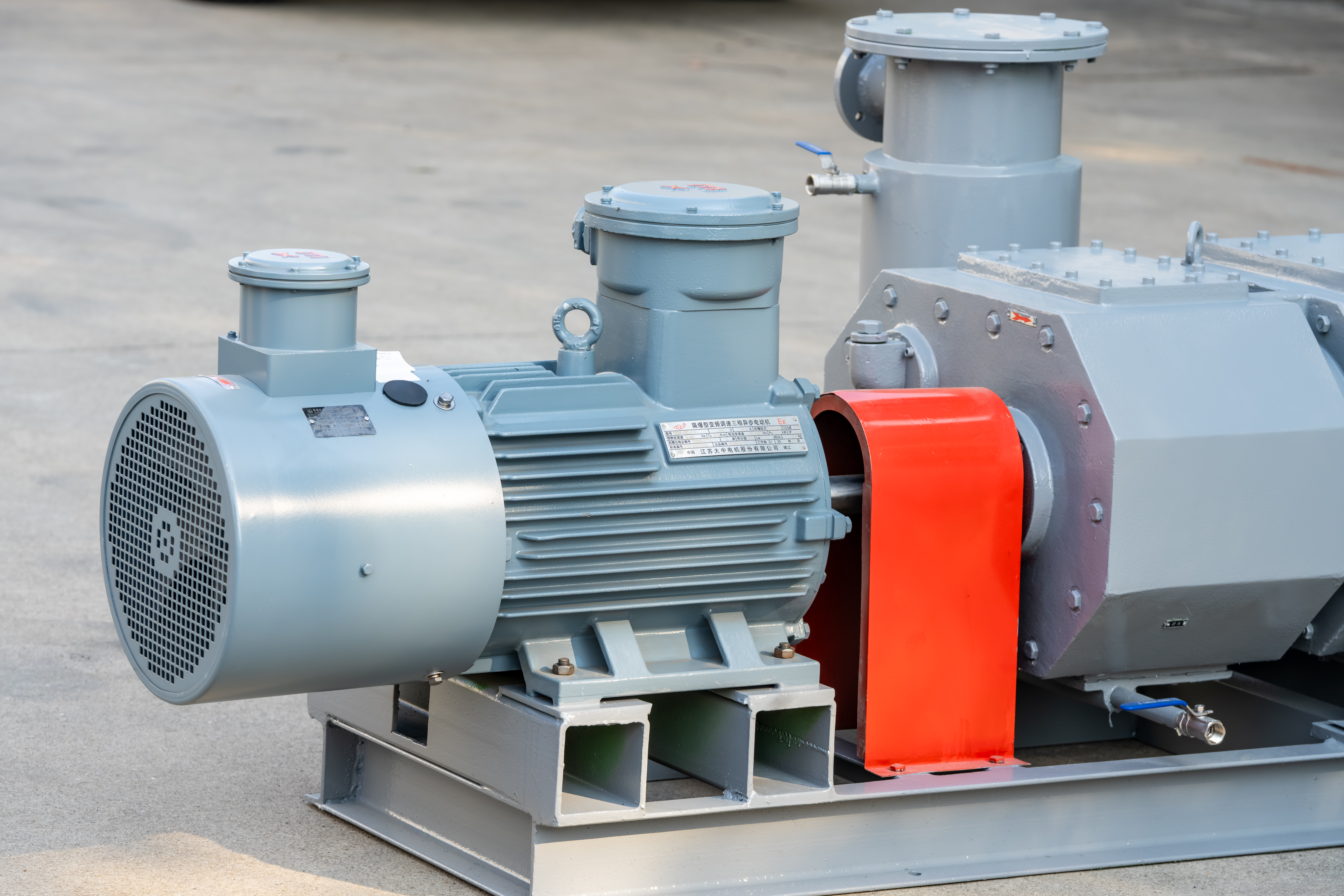
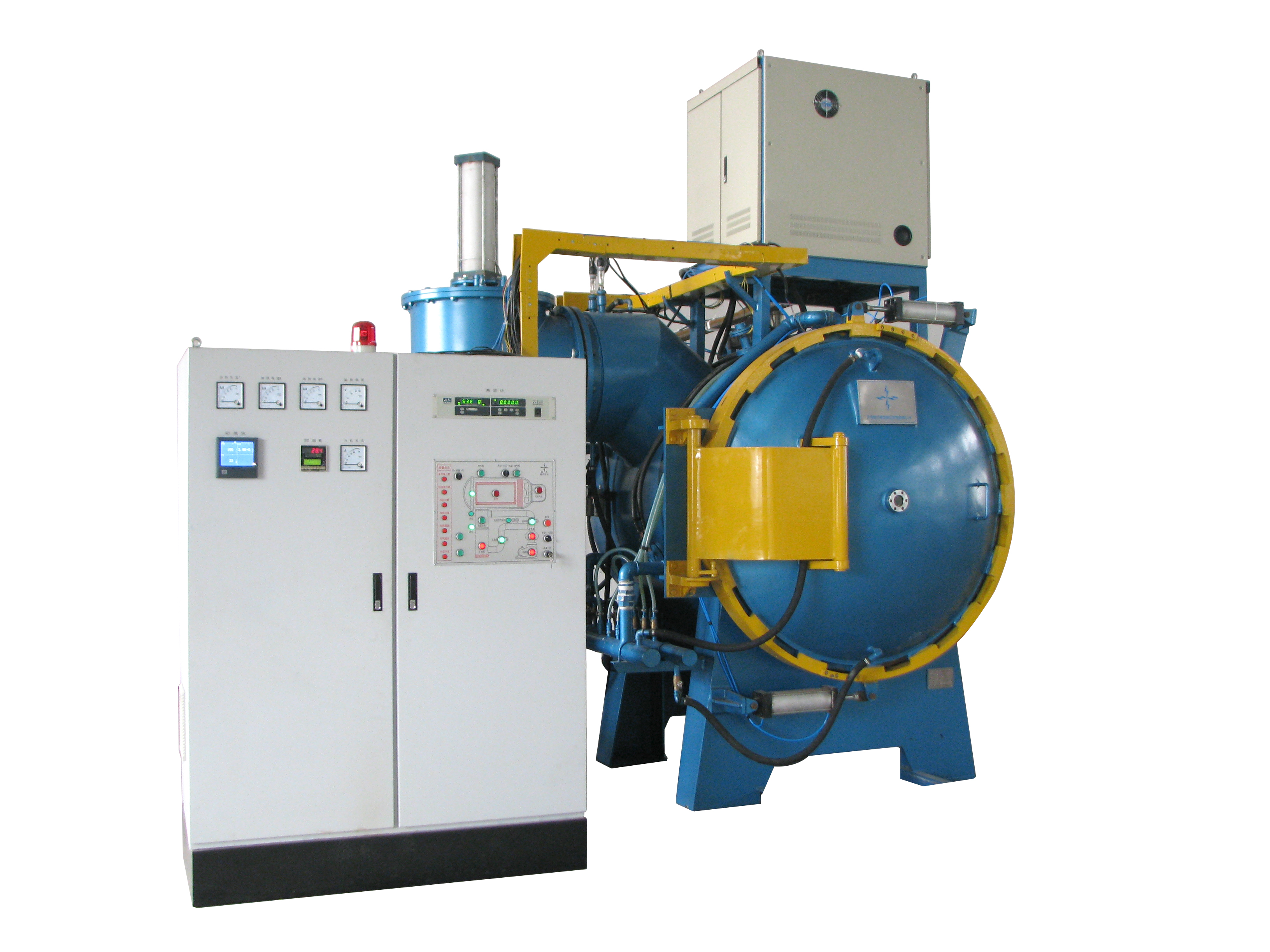
Powder metallurgy has revolutionized manufacturing across industries, enabling the production of complex components with exceptional precision and material efficiency. At the heart of this transformation lies the vacuum sintering furnace, a sophisticated piece of equipment that transforms loose powder particles into dense, high-strength materials through controlled heating in oxygen-free environments. This advanced sintering technology addresses critical challenges in powder consolidation, delivering superior mechanical properties while minimizing defects that commonly plague conventional sintering methods.
Modern manufacturing demands increasingly stringent material specifications, particularly in aerospace, automotive, and medical device applications. Traditional atmospheric sintering often falls short of these requirements due to oxidation, contamination, and incomplete densification. The vacuum sintering furnace eliminates these limitations by creating an inert processing environment that allows particles to bond more effectively while preventing unwanted chemical reactions that compromise material integrity.
Understanding the fundamental mechanisms behind vacuum sintering reveals why this technology consistently produces superior results compared to conventional methods. The absence of oxygen and other reactive gases enables pure diffusion processes to dominate particle bonding, leading to cleaner grain boundaries and enhanced mechanical properties. This comprehensive exploration examines how vacuum sintering furnace technology transforms powder materials into high-performance components.
Fundamental Principles of Vacuum Sintering Technology
Particle Bonding Mechanisms in Vacuum Environments
The vacuum sintering furnace creates optimal conditions for particle bonding by eliminating atmospheric interference during the consolidation process. When powder particles are heated in vacuum, surface diffusion becomes the dominant mechanism for material transport, allowing atoms to migrate more freely between particles without oxidation barriers. This enhanced atomic mobility results in stronger inter-particle bonds and more uniform microstructures throughout the sintered component.
Diffusion processes in vacuum environments proceed more efficiently because reactive gas molecules cannot form oxide layers on particle surfaces. These oxide films typically act as barriers to atomic migration in conventional sintering, requiring higher temperatures or longer processing times to achieve adequate densification. The vacuum sintering furnace eliminates this impediment, enabling lower-temperature processing while maintaining superior material properties.
Surface energy considerations play a crucial role in vacuum sintering effectiveness. Clean particle surfaces in oxygen-free environments exhibit higher surface energies, providing greater driving forces for sintering. This increased energy differential accelerates neck formation between particles and promotes rapid densification, ultimately contributing to the enhanced strength characteristics observed in vacuum-sintered materials.
Temperature Control and Heating Profiles
Precise temperature management represents a critical factor in vacuum sintering furnace operation, directly influencing final material properties. Advanced heating systems enable controlled temperature ramp rates that optimize particle rearrangement phases while preventing thermal shock or uneven heating. Multi-zone heating elements ensure uniform temperature distribution throughout the processing chamber, eliminating hot spots that could cause localized over-sintering or distortion.
The vacuum sintering furnace typically employs sophisticated thermal profiles tailored to specific powder materials and component geometries. Initial heating phases focus on gradual temperature increases that allow trapped gases to escape and particles to begin rearrangement. Subsequent high-temperature holds provide sufficient time for diffusion processes while maintaining dimensional stability of the sintered parts.
Cooling cycles in vacuum environments require careful control to prevent thermal stress formation. Controlled cooling rates allow internal stresses to relax gradually while maintaining the densified microstructure achieved during sintering. This thermal management approach ensures that the strength improvements gained during vacuum sintering are preserved in the final component.
Density Enhancement Mechanisms
Pore Elimination and Consolidation Processes
Density improvement in vacuum sintering furnace operations occurs through systematic pore elimination and particle rearrangement mechanisms. The absence of atmospheric pressure allows entrapped gases to escape more readily from inter-particle voids, creating space for enhanced particle packing. This gas evacuation process reduces internal pressure that would otherwise resist densification, enabling more complete consolidation of the powder compact.
Capillary forces generated by surface tension effects become more pronounced in vacuum environments, drawing particles together with greater force. These enhanced attractive forces promote closer particle contact and facilitate the formation of continuous material networks throughout the sintered structure. The vacuum sintering furnace maximizes these natural consolidation forces by maintaining consistent processing conditions.
Viscous flow mechanisms contribute significantly to density enhancement in vacuum sintering applications. At elevated temperatures, particle surfaces develop viscous characteristics that enable deformation and filling of remaining pore spaces. The controlled atmosphere prevents oxidation that would otherwise increase viscosity and impede flow, resulting in more complete pore closure and higher final densities.
Microstructure Development and Grain Growth
Microstructural evolution during vacuum sintering follows predictable patterns that directly correlate with density improvements. Initial stages involve neck formation between adjacent particles, creating load-bearing connections that provide structural integrity. As sintering progresses in the vacuum sintering furnace, these necks grow and merge, gradually eliminating porosity while maintaining controlled grain growth.
Grain boundary migration occurs more readily in oxygen-free environments because clean interfaces exhibit enhanced mobility. This increased boundary movement facilitates pore elimination by enabling grains to grow around and incorporate remaining voids. However, the vacuum sintering furnace allows precise control over grain growth rates through temperature and time optimization, preventing excessive grain coarsening that could compromise mechanical properties.
Secondary recrystallization processes in vacuum environments produce more uniform grain structures compared to atmospheric sintering. The absence of oxide particles and contamination allows natural grain growth patterns to develop, resulting in equiaxed microstructures with fewer stress concentrations. This improved microstructural homogeneity directly translates to enhanced mechanical performance and reliability in service applications.
Strength Enhancement Through Vacuum Processing
Bond Strength Development at Particle Interfaces
The vacuum sintering furnace enables formation of exceptionally strong inter-particle bonds through enhanced diffusion processes at clean interfaces. Without oxide layers impeding atomic migration, metallic bonds develop more completely between adjacent particles, creating continuous material networks with superior load-bearing capacity. These metallurgical bonds exhibit strength characteristics approaching those of wrought materials, significantly exceeding the performance of conventionally sintered components.
Interfacial bonding strength depends heavily on the cleanliness and completeness of particle-to-particle contact achieved during sintering. Vacuum processing eliminates surface contamination that would otherwise create weak interfaces prone to failure under load. The resulting bond strength improvements manifest as increased tensile strength, fatigue resistance, and fracture toughness in the final sintered components.
Crystallographic continuity across particle boundaries develops more readily in vacuum environments, creating coherent grain structures that effectively transfer stress throughout the material. This enhanced structural continuity eliminates many of the weak points typically associated with powder metallurgy products, enabling sintered components to compete directly with conventionally manufactured alternatives in demanding applications.
Defect Reduction and Material Integrity
Vacuum sintering furnace operations significantly reduce various defects that compromise material strength in conventional processing. Oxidation-related defects, including oxide inclusions and surface films, are virtually eliminated in oxygen-free environments. These contamination-free conditions allow pure metallic bonding to occur throughout the sintered structure, removing weak interfaces that serve as crack initiation sites.
Porosity-related stress concentrations decrease substantially through improved densification in vacuum conditions. The enhanced consolidation achieved in vacuum sintering furnace operations reduces both total porosity and pore size, minimizing locations where stress concentrations can develop. This defect reduction directly correlates with improved fatigue life and impact resistance in service applications.
Internal stress levels remain lower in vacuum-sintered materials due to more uniform heating and cooling cycles possible in controlled atmosphere environments. Reduced thermal gradients during processing minimize residual stresses that could lead to premature failure or dimensional instability. The vacuum sintering furnace enables optimization of thermal cycles to achieve stress-free final products with maximized strength characteristics.
Material-Specific Applications and Benefits
Metallic Powder Systems
Metallic powders demonstrate exceptional response to vacuum sintering furnace processing, with different alloy systems exhibiting unique benefits from oxygen-free consolidation. Stainless steel powders achieve superior corrosion resistance through complete elimination of chromium oxide formation, while titanium alloys develop enhanced biocompatibility crucial for medical implant applications. Iron-based systems show remarkable strength improvements when processed without atmospheric contamination.
Reactive metal powders, including titanium, aluminum, and magnesium alloys, benefit enormously from vacuum processing because these materials readily form oxide layers in atmospheric conditions. The vacuum sintering furnace prevents oxidation entirely, allowing these materials to achieve their full strength potential while maintaining excellent ductility. This capability opens new applications for lightweight, high-strength components in aerospace and automotive industries.
Precious metal powders used in electronic and catalytic applications require the contamination-free environment provided by vacuum sintering furnace systems. Gold, platinum, and silver powders maintain their purity and conductivity characteristics while achieving dense, mechanically robust structures suitable for demanding service environments. The absence of oxidation ensures that surface properties remain optimal for electrical and catalytic performance.
Ceramic and Composite Materials
Advanced ceramic materials processed in vacuum sintering furnace systems exhibit enhanced density and reduced grain boundary contamination compared to atmospheric sintering. Technical ceramics, including alumina, zirconia, and silicon carbide, achieve theoretical density levels while maintaining fine grain structures that optimize mechanical properties. The controlled atmosphere prevents unwanted phase transformations that could compromise performance.
Metal matrix composites benefit significantly from vacuum processing because the technique prevents oxidation at metal-ceramic interfaces. These clean interfaces enable superior load transfer between matrix and reinforcement phases, resulting in composites that achieve their theoretical strength predictions. The vacuum sintering furnace maintains chemical compatibility between dissimilar materials throughout processing.
Functionally graded materials rely on vacuum sintering furnace technology to achieve smooth property transitions without contamination-induced discontinuities. The controlled atmosphere enables different material systems to bond effectively while maintaining their distinct properties, creating components with tailored performance characteristics for specific applications.
Process Optimization and Quality Control
Vacuum Level Management
Optimal vacuum levels in sintering furnace operations require careful balance between processing effectiveness and equipment capability. Ultra-high vacuum conditions maximize contamination elimination but may require extended pump-down times that impact production efficiency. The vacuum sintering furnace typically operates in the range of 10^-4 to 10^-6 torr, providing sufficient atmosphere control while maintaining practical processing speeds.
Dynamic vacuum management during processing cycles enables optimization for different sintering stages. Initial evacuation removes atmospheric gases and moisture, while maintained vacuum during heating prevents recontamination. Some applications benefit from controlled backfilling with inert gases during cooling to accelerate heat removal while maintaining contamination-free conditions.
Vacuum measurement and control systems ensure consistent processing conditions across production runs. Real-time monitoring enables immediate detection of vacuum leaks or contamination sources that could compromise material quality. Advanced vacuum sintering furnace systems incorporate automated vacuum control that maintains optimal conditions throughout complex thermal cycles.
Atmosphere Composition Control
Residual gas analysis capabilities in modern vacuum sintering furnace systems enable precise control over trace atmosphere composition. Mass spectrometry monitoring identifies potential contamination sources and ensures that only acceptable gases remain in the processing environment. This analytical capability becomes critical when processing materials sensitive to specific atmospheric constituents.
Controlled atmosphere options extend vacuum sintering furnace capabilities to include protective gas environments when complete vacuum processing is not optimal. Argon or nitrogen backfilling provides inert atmospheres that prevent oxidation while allowing faster heating and cooling cycles. These hybrid approaches maintain contamination control while optimizing processing efficiency for specific applications.
Getter materials incorporated into vacuum sintering furnace designs actively remove trace contaminants that could affect material quality. Titanium sponge or other reactive materials scavenge oxygen and nitrogen molecules, maintaining ultra-clean processing conditions even during extended thermal cycles. This active purification approach ensures consistent material properties across production runs.
Comparative Analysis with Conventional Sintering Methods
Atmospheric Sintering Limitations
Conventional atmospheric sintering faces fundamental limitations that vacuum sintering furnace technology directly addresses. Oxygen exposure during processing creates oxide layers on particle surfaces that impede diffusion and bonding, requiring higher temperatures or longer processing times to achieve acceptable densification. These extended thermal exposures often result in excessive grain growth that compromises mechanical properties.
Contamination control in atmospheric sintering remains challenging despite protective atmosphere attempts. Trace oxygen and moisture contamination can still occur, particularly during heating and cooling cycles when furnace seals may be less effective. The vacuum sintering furnace eliminates these contamination risks entirely, ensuring reproducible material properties across all production conditions.
Cost considerations for atmospheric sintering include ongoing protective gas consumption and the need for more robust furnace designs to handle corrosive atmospheres. While initial vacuum sintering furnace investment may be higher, operational costs often prove lower due to eliminated gas consumption and reduced reject rates from contamination-related defects.
Performance Comparison Metrics
Density achievements in vacuum sintering furnace operations consistently exceed those possible with atmospheric processing by 5-15% depending on material system. This density improvement directly translates to proportional strength increases in most metallic systems, with some materials showing even greater performance gains due to improved microstructural characteristics. Comparative testing demonstrates clear advantages for vacuum-processed materials in tensile strength, fatigue life, and impact resistance.
Surface finish quality benefits significantly from vacuum processing because oxidation and contamination effects that create surface roughness are eliminated. Components processed in vacuum sintering furnace systems often require minimal secondary finishing operations, reducing overall manufacturing costs despite higher initial processing expenses. This surface quality improvement becomes particularly valuable for precision applications where dimensional tolerance and surface integrity are critical.
Dimensional stability and repeatability show marked improvements with vacuum sintering furnace processing. The elimination of oxidation-related volume changes and more uniform heating conditions result in predictable shrinkage patterns and reduced component distortion. This dimensional control enables closer tolerance manufacturing and reduces the need for extensive post-processing operations.
FAQ
What makes vacuum sintering more effective than atmospheric sintering for powder materials?
Vacuum sintering eliminates oxidation and contamination that interfere with particle bonding in atmospheric conditions. The oxygen-free environment allows pure diffusion processes to occur, resulting in stronger inter-particle bonds and higher final densities. Additionally, the absence of oxide barriers on particle surfaces enables sintering at lower temperatures while achieving superior mechanical properties compared to conventional atmospheric processing methods.
How does vacuum sintering improve the strength of sintered components?
Strength improvements in vacuum sintering result from cleaner particle interfaces that enable stronger metallurgical bonding between powder particles. The elimination of oxide layers and contaminants allows continuous grain structures to develop across particle boundaries, creating materials with strength characteristics approaching those of wrought metals. Additionally, reduced porosity and fewer defects contribute to enhanced fatigue resistance and overall mechanical performance.
What types of materials benefit most from vacuum sintering furnace processing?
Reactive metals like titanium, stainless steel, and tool steels show the greatest benefits from vacuum sintering because these materials readily oxidize in atmospheric conditions. Precious metals used in electronics also benefit significantly from contamination-free processing. Advanced ceramics and metal matrix composites achieve superior properties through vacuum processing due to cleaner interfaces and prevention of unwanted chemical reactions during sintering.
Are there any disadvantages to vacuum sintering compared to conventional methods?
The primary disadvantages of vacuum sintering include higher initial equipment costs and longer cycle times due to vacuum pump-down requirements. Some materials may require special handling procedures in vacuum environments, and maintenance of vacuum systems can be more complex than atmospheric furnaces. However, these limitations are often offset by improved material properties, reduced reject rates, and elimination of protective gas consumption costs in most industrial applications.
Table of Contents
- Fundamental Principles of Vacuum Sintering Technology
- Density Enhancement Mechanisms
- Strength Enhancement Through Vacuum Processing
- Material-Specific Applications and Benefits
- Process Optimization and Quality Control
- Comparative Analysis with Conventional Sintering Methods
-
FAQ
- What makes vacuum sintering more effective than atmospheric sintering for powder materials?
- How does vacuum sintering improve the strength of sintered components?
- What types of materials benefit most from vacuum sintering furnace processing?
- Are there any disadvantages to vacuum sintering compared to conventional methods?
