
 EN
EN
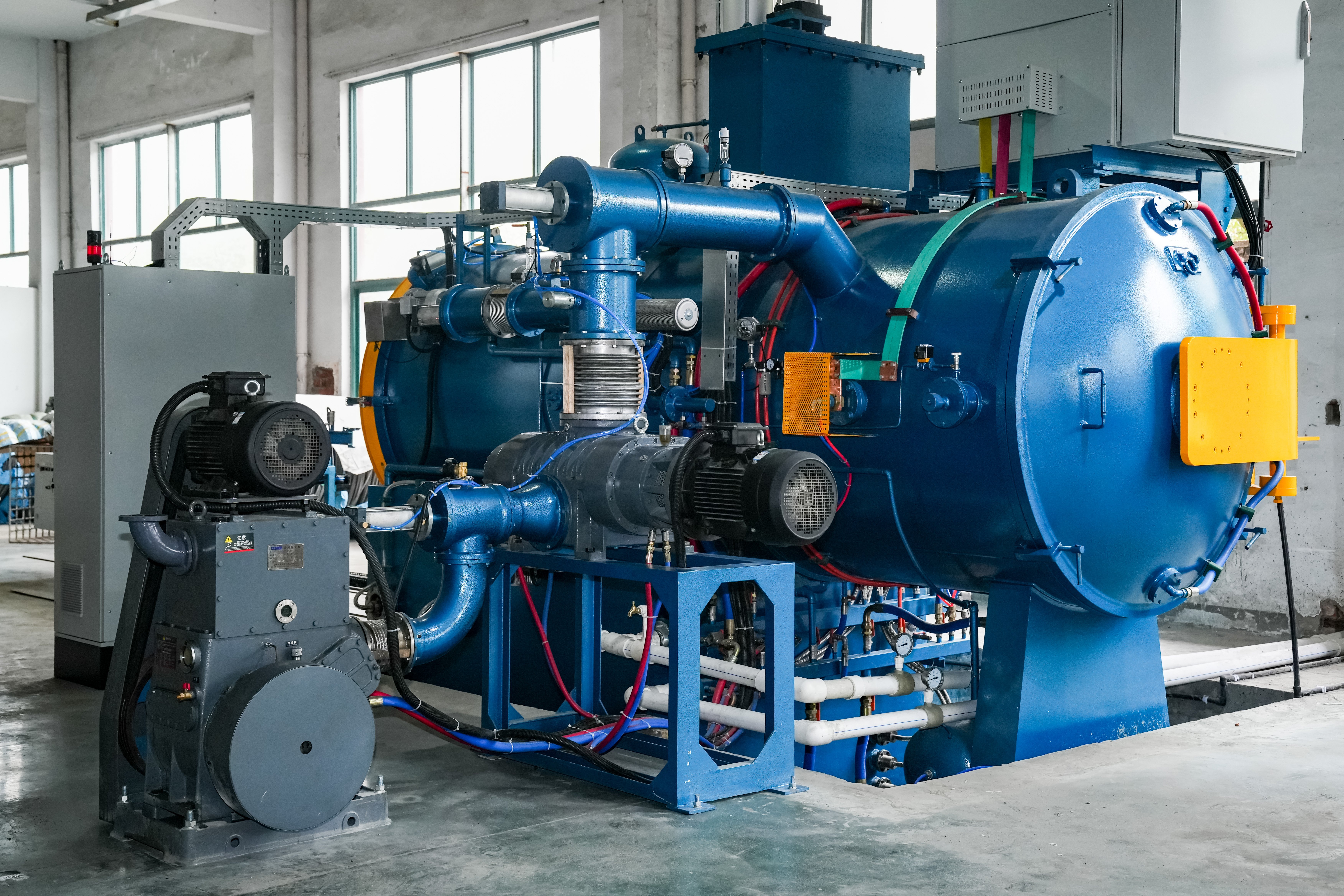
The automotive industry demands precision, durability, and performance at every level of manufacturing. From critical engine components to transmission systems, automotive manufacturers require materials that can withstand extreme conditions while maintaining structural integrity. A vacuum heat treatment furnace serves as the cornerstone technology enabling these stringent requirements, transforming raw metals into high-performance automotive components through controlled atmospheric processing.
Modern automotive manufacturing relies heavily on advanced metallurgical processes to achieve the mechanical properties required for safety-critical components. The vacuum heat treatment furnace technology provides manufacturers with unparalleled control over the heating and cooling cycles, ensuring consistent results across production batches. This precision becomes essential when producing components such as crankshafts, camshafts, gear systems, and suspension elements that must meet rigorous automotive standards.
The automotive sector's shift toward lightweight yet strong materials has intensified the importance of vacuum heat treatment furnace applications. Advanced high-strength steels, aluminum alloys, and specialized metal composites require precise thermal processing to achieve optimal microstructural properties. Without the controlled environment provided by vacuum technology, these materials would fail to meet the performance specifications demanded by modern vehicle designs.
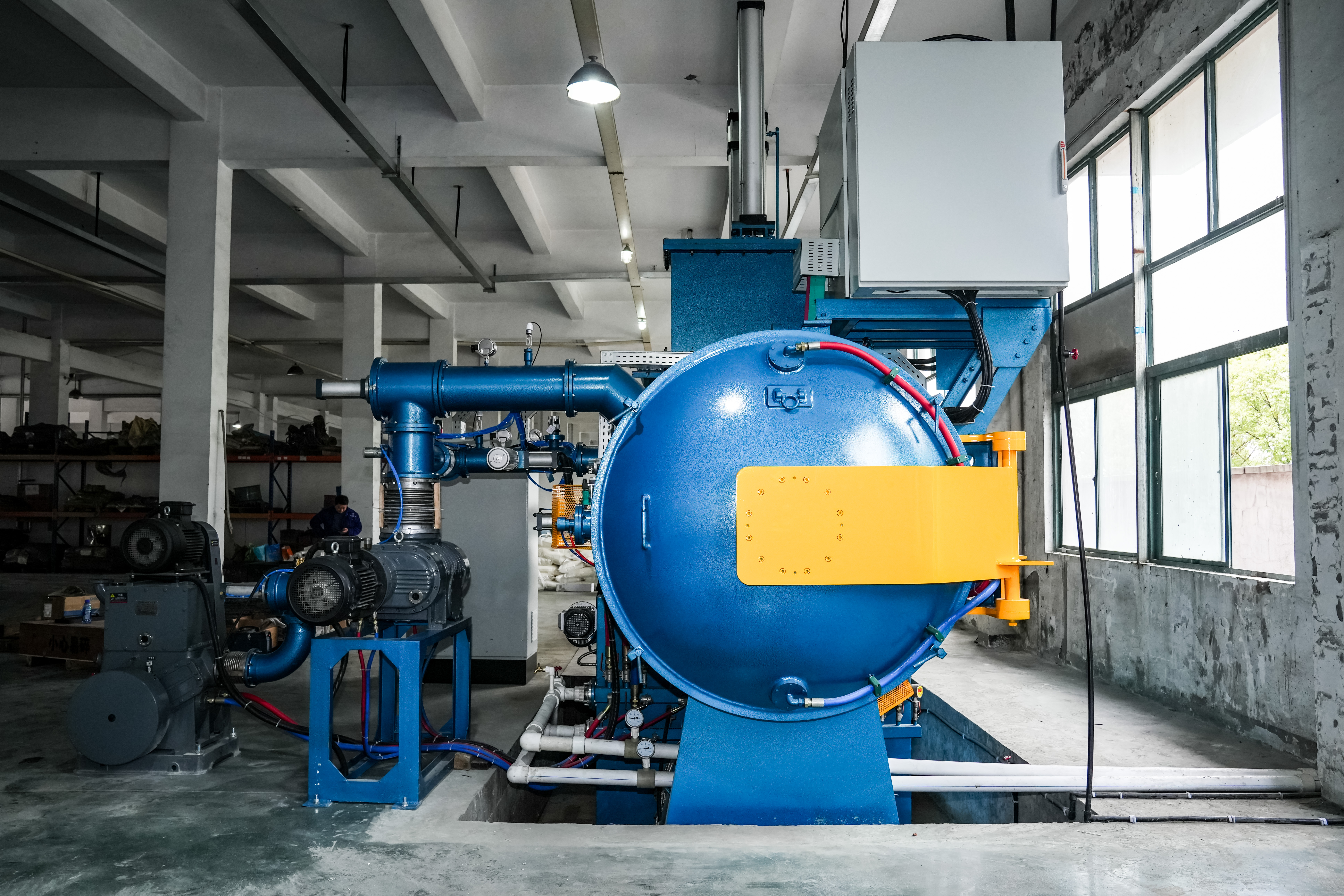
Advanced Material Processing Capabilities
High-Strength Steel Applications
Automotive manufacturers utilize vacuum heat treatment furnace technology extensively for processing high-strength steels used in structural components and safety systems. These specialized steels require precise temperature control and atmospheric conditions to develop the desired combination of strength, ductility, and toughness. The vacuum environment prevents oxidation and decarburization, maintaining the steel's surface integrity while allowing for optimal heat penetration throughout the component.
The vacuum heat treatment process enables manufacturers to achieve uniform hardening across complex geometries commonly found in automotive components. Door frames, roof pillars, and crash protection structures benefit from the consistent mechanical properties delivered through vacuum processing. This uniformity directly contributes to improved vehicle safety ratings and structural performance during impact scenarios.
Aluminum Alloy Enhancement
Lightweight aluminum alloys play an increasingly important role in automotive manufacturing as companies strive to improve fuel efficiency without compromising performance. The vacuum heat treatment furnace provides the controlled environment necessary for solution heat treatment and aging processes that develop the desired strength characteristics in aluminum components. Engine blocks, transmission housings, and suspension components manufactured from aluminum alloys rely on vacuum processing for optimal performance.
The precision temperature control available in vacuum heat treatment systems allows manufacturers to fine-tune the precipitation hardening process in aluminum alloys. This level of control enables the production of components with tailored properties, such as areas requiring high strength combined with regions needing enhanced corrosion resistance. The ability to create these property gradients within a single component represents a significant advantage in automotive design flexibility.
Quality Control and Consistency Advantages
Eliminating Oxidation and Contamination
One of the primary advantages of vacuum heat treatment furnace technology lies in its ability to eliminate oxidation and surface contamination during the heating process. Automotive components processed in atmospheric furnaces often require additional surface preparation steps to remove scale and oxides, adding cost and complexity to the manufacturing process. The vacuum environment prevents these issues from occurring, resulting in components with superior surface finish and dimensional accuracy.
The controlled atmosphere within a vacuum heat treatment furnace also prevents the introduction of harmful elements such as hydrogen, oxygen, and nitrogen that can compromise material properties. This contamination prevention is particularly critical for components exposed to high stress and temperature conditions during vehicle operation. Engine valves, turbocharger components, and fuel injection systems require the pristine processing environment that only vacuum technology can provide.
Reproducible Processing Parameters
Automotive manufacturers depend on consistent quality across thousands or millions of identical components. The vacuum heat treatment furnace provides exceptional repeatability in processing parameters, ensuring that each component receives identical thermal treatment regardless of batch size or production timing. This consistency directly translates to predictable mechanical properties and reliable component performance throughout the vehicle's operational life.
The advanced control systems integrated into modern vacuum heat treatment equipment allow operators to monitor and adjust processing parameters in real-time. Temperature uniformity, heating rates, and cooling profiles can be precisely controlled and documented for quality assurance purposes. This level of process control supports automotive manufacturers' stringent quality management systems and regulatory compliance requirements.
Energy Efficiency and Environmental Benefits
Reduced Energy Consumption
Modern vacuum heat treatment furnace designs incorporate advanced insulation materials and energy recovery systems that significantly reduce overall energy consumption compared to conventional atmospheric furnaces. The efficient heat transfer characteristics of vacuum environments allow for faster heating and more uniform temperature distribution, reducing cycle times and energy requirements per component processed.
The ability to process multiple components simultaneously in a vacuum heat treatment furnace maximizes production efficiency while minimizing energy consumption per unit. Batch processing capabilities allow manufacturers to optimize furnace loading and reduce the number of heating cycles required for a given production volume. This efficiency gain becomes particularly important as automotive manufacturers seek to reduce their environmental footprint while maintaining competitive production costs.
Sustainable Manufacturing Practices
The vacuum heat treatment process eliminates the need for protective atmospheres that rely on consumable gases, reducing both operational costs and environmental impact. Traditional heat treatment methods often require continuous gas flow to maintain protective atmospheres, resulting in ongoing material consumption and waste generation. Vacuum technology eliminates this requirement, supporting sustainable manufacturing initiatives within the automotive industry.
The precision control available in vacuum heat treatment furnace systems also reduces material waste by minimizing the need for rework or component rejection due to processing variations. Consistent results mean fewer defective parts, reducing raw material consumption and waste disposal requirements. This improvement in first-pass yield contributes significantly to overall manufacturing sustainability goals.
Specialized Automotive Applications
Engine Component Processing
Critical engine components such as crankshafts, connecting rods, and valve train elements require the precise mechanical properties that only vacuum heat treatment can reliably deliver. These components experience extreme loading conditions, temperature variations, and cyclic stresses throughout their operational life. The vacuum heat treatment furnace enables manufacturers to develop the specific hardness profiles, fatigue resistance, and wear characteristics required for reliable engine performance.
The ability to control cooling rates precisely during the quenching process allows manufacturers to optimize the microstructure of engine components for specific performance requirements. Areas requiring high hardness for wear resistance can be rapidly cooled, while sections needing toughness to resist impact loading can be cooled more gradually. This selective heat treatment capability enables the production of components with optimized properties throughout their geometry.
Transmission and Drivetrain Applications
Transmission gears, drive shafts, and differential components benefit significantly from vacuum heat treatment processing. These components must transmit high torque loads while maintaining dimensional accuracy and surface finish throughout extended service periods. The vacuum heat treatment furnace provides the controlled environment necessary to develop the case-hardened surfaces and tough cores required for these demanding applications.
The precision temperature control available in vacuum systems enables manufacturers to optimize carburizing and nitriding processes for transmission components. These surface hardening treatments require precise time and temperature control to achieve the desired case depth and hardness gradients. The uniform heating characteristics of vacuum heat treatment furnace technology ensure consistent results across complex component geometries.
Future Trends and Technological Developments
Integration with Industry 4.0
The evolution of vacuum heat treatment furnace technology continues to align with Industry 4.0 principles, incorporating advanced sensors, data analytics, and connectivity features that enhance process control and monitoring capabilities. Real-time data collection and analysis enable predictive maintenance scheduling, process optimization, and quality trend analysis that support continuous improvement initiatives in automotive manufacturing.
Machine learning algorithms integrated with vacuum heat treatment systems can identify subtle process variations that might affect component quality, enabling proactive adjustments before defects occur. This predictive capability becomes increasingly important as automotive components become more complex and performance requirements continue to escalate. The ability to maintain consistent quality while adapting to new materials and processing requirements represents a significant competitive advantage.
Advanced Material Compatibility
Emerging automotive materials such as advanced high-strength steels, aluminum-lithium alloys, and metal matrix composites require specialized heat treatment approaches that leverage the unique capabilities of vacuum processing technology. The vacuum heat treatment furnace provides the controlled environment necessary to develop optimal properties in these advanced materials without compromising their inherent advantages.
The flexibility of vacuum heat treatment systems allows manufacturers to develop custom processing cycles for new material compositions and component designs. As automotive technology continues to evolve toward electric vehicles and autonomous systems, the materials and components used will require increasingly sophisticated heat treatment processes. The adaptability of vacuum heat treatment furnace technology positions it as an essential tool for future automotive manufacturing requirements.
FAQ
What makes vacuum heat treatment superior to atmospheric heat treatment for automotive components
Vacuum heat treatment offers superior control over the processing environment by eliminating oxygen and other contaminants that can affect material properties. This controlled atmosphere prevents oxidation, decarburization, and surface contamination while enabling precise temperature control throughout complex component geometries. The result is more consistent mechanical properties, better surface finish, and improved component reliability compared to atmospheric processing methods.
How does vacuum heat treatment contribute to automotive safety standards
The precision and consistency provided by vacuum heat treatment furnace technology directly support automotive safety requirements by ensuring that critical components meet specified mechanical properties. Safety-critical components such as brake rotors, suspension elements, and structural members require predictable performance characteristics that can only be achieved through controlled heat treatment processes. The elimination of processing variations reduces the risk of component failure during vehicle operation.
What are the cost implications of implementing vacuum heat treatment in automotive manufacturing
While vacuum heat treatment equipment requires higher initial investment compared to atmospheric furnaces, the technology delivers significant cost savings through improved energy efficiency, reduced material waste, and elimination of secondary processing steps. The consistent quality results reduce rework and rejection rates, while the ability to process advanced materials enables manufacturers to optimize component designs for weight and performance. These factors combine to provide a favorable return on investment over the equipment's operational life.
Can vacuum heat treatment furnace systems handle high-volume automotive production requirements
Modern vacuum heat treatment furnace systems are specifically designed to meet high-volume automotive production demands through optimized batch processing capabilities, reduced cycle times, and automated handling systems. Multi-chamber configurations allow continuous processing while individual chambers undergo loading, heating, and cooling cycles. Advanced scheduling software optimizes furnace utilization and coordinates with upstream and downstream manufacturing processes to maintain production flow requirements.
Table of Contents
- Advanced Material Processing Capabilities
- Quality Control and Consistency Advantages
- Energy Efficiency and Environmental Benefits
- Specialized Automotive Applications
- Future Trends and Technological Developments
-
FAQ
- What makes vacuum heat treatment superior to atmospheric heat treatment for automotive components
- How does vacuum heat treatment contribute to automotive safety standards
- What are the cost implications of implementing vacuum heat treatment in automotive manufacturing
- Can vacuum heat treatment furnace systems handle high-volume automotive production requirements
