
 EN
EN
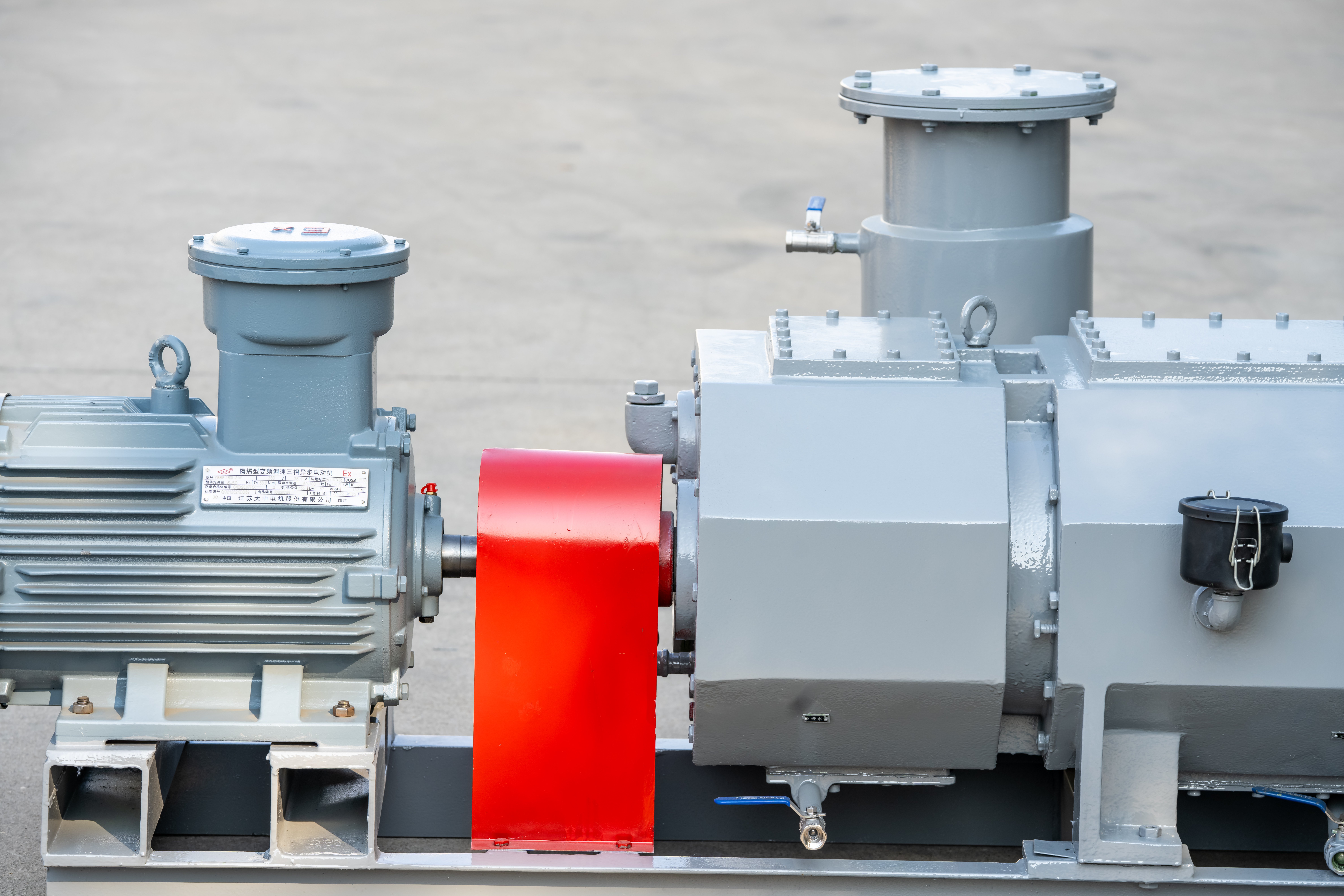
Gas streams containing high levels of impurities present significant challenges for industrial vacuum systems, requiring specialized equipment capable of maintaining reliable performance under contaminated conditions. Understanding how an LGB screw vacuum pump manages these challenging operating conditions is crucial for industries dealing with particulate-laden gases, vapor contamination, and chemical impurities in their vacuum processes.
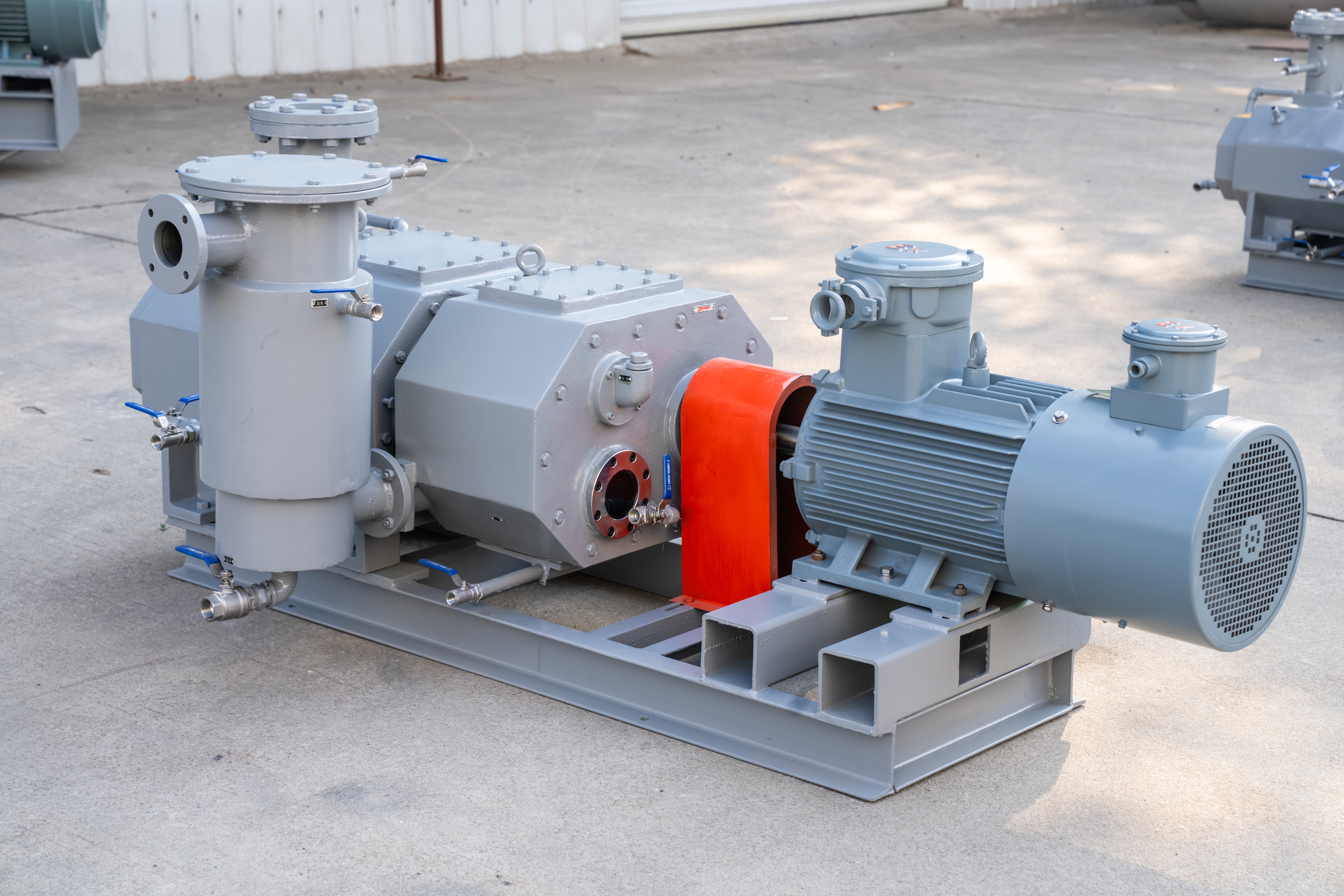
The design architecture of an LGB screw vacuum pump incorporates multiple specialized features that enable effective handling of contaminated gas streams while maintaining consistent vacuum performance. This capability stems from the unique compression mechanism and internal flow patterns that differentiate screw vacuum technology from other vacuum pump designs when processing impure gases.
Fundamental Design Principles for Impurity Management
Screw Rotor Configuration and Clearances
The LGB screw vacuum pump utilizes precision-engineered rotors with specific clearance tolerances that accommodate particulate matter without compromising pump integrity. The rotor design features optimized pitch angles and compression ratios that create controlled gas flow patterns, preventing impurity accumulation in critical areas. These clearances are calculated to allow passage of typical industrial contaminants while maintaining effective compression.
The rotor profiles incorporate specialized geometries that minimize dead volumes where impurities might collect and cause operational issues. The continuous sweeping action of the rotors ensures that particulates and condensates are consistently moved through the pump chamber rather than settling in stagnant zones.
Internal Flow Dynamics and Impurity Transport
Gas flow within an LGB screw vacuum pump follows helical pathways that naturally transport impurities along with the main gas stream. This flow pattern reduces the likelihood of impurity deposition on internal surfaces and maintains consistent pumping speeds even when handling contaminated gases. The compression chambers are designed to minimize turbulence that could cause impurity separation and settling.
The pump's internal velocity profiles create sufficient gas momentum to carry suspended particles through the compression process without allowing them to settle or agglomerate. This transport mechanism is particularly effective for handling gases containing fine particulates, oil vapors, and other industrial contaminants commonly encountered in vacuum applications.
Specific Mechanisms for Handling Different Impurity Types
Particulate Matter Management
When processing gases containing solid particles, the LGB screw vacuum pump employs several mechanisms to prevent damage and maintain performance. The rotor clearances are sized to accommodate typical particulate distributions while the continuous compression action helps break down larger agglomerates. The pump design includes features that prevent particle jamming in critical clearance areas.
The compression process itself helps pulverize softer particles, reducing their size and making them easier to evacuate. For harder particles, the pump's robust construction and material selection ensure long-term durability even under abrasive conditions. Regular monitoring of rotor clearances allows for predictive maintenance scheduling based on particulate loading.
Vapor and Condensate Handling
Vapor-phase impurities present unique challenges that an LGB screw vacuum pump addresses through temperature management and condensate removal systems. The pump design incorporates heating elements or temperature control systems that prevent condensation within the compression chambers. This approach maintains vapors in gaseous form throughout the pumping process.
When condensation does occur, the pump's design includes drainage systems and separator tanks that remove liquid phases before they can interfere with pump operation. The continuous nature of the screw compression process helps transport condensates through the system rather than allowing accumulation in pump chambers.
Operational Strategies for Contaminated Gas Processing
Pre-Treatment and Filtration Integration
Effective operation of an LGB screw vacuum pump with high-impurity gases often involves upstream treatment systems that reduce contaminant loading. Cyclone separators, filter systems, and knockout tanks can remove bulk impurities before gases enter the pump, extending operational life and maintaining performance. These pre-treatment systems are designed to work synergistically with the pump's internal handling capabilities.
The integration of filtration systems must consider the pressure drop characteristics of the overall vacuum system while providing adequate impurity removal. Proper sizing and selection of upstream equipment ensures that the LGB screw vacuum pump receives gas streams within its designed handling parameters for optimal performance and longevity.
Operating Parameter Optimization
Successful handling of impure gases requires careful optimization of operating parameters including rotational speed, operating temperature, and compression ratios. The LGB screw vacuum pump can be operated at modified parameters that favor impurity handling over maximum pumping speed when necessary. This operational flexibility allows adaptation to varying contamination levels.
Monitoring systems track key performance indicators that indicate impurity effects on pump operation, enabling proactive adjustments to maintain stable performance. Parameters such as power consumption, discharge temperature, and vibration levels provide early warning of impurity-related issues requiring attention.
Performance Characteristics Under Contaminated Conditions
Pumping Speed and Efficiency Impact
The presence of impurities in processed gases affects the pumping performance characteristics of an LGB screw vacuum pump in predictable ways. Particulate loading typically reduces effective pumping speeds due to increased internal friction and modified flow patterns. However, the robust design maintains acceptable performance levels even under significant contamination.
Efficiency impacts vary depending on impurity type and concentration, with the pump design incorporating compensation mechanisms that maintain reasonable power consumption even when handling contaminated gases. Performance curves are available that show expected operation under various contamination scenarios, enabling proper system sizing and performance prediction.
Reliability and Maintenance Considerations
Long-term reliability of an LGB screw vacuum pump handling impure gases depends on proper maintenance scheduling and component monitoring. The pump design facilitates access to wear components and includes features that simplify maintenance procedures even in contaminated service applications. Predictive maintenance strategies help optimize component life and minimize unplanned downtime.
Maintenance intervals may require adjustment based on impurity levels and types encountered in specific applications. The pump manufacturer provides guidelines for maintenance scheduling modifications that account for accelerated wear or contamination effects, ensuring reliable long-term operation in challenging environments.
Application-Specific Implementation Guidelines
Chemical Processing Applications
In chemical processing environments, LGB screw vacuum pump installations must account for corrosive impurities, reactive gases, and varying contamination levels. Material selection for pump components considers chemical compatibility with expected impurities while maintaining mechanical integrity under operating conditions. Special coatings or surface treatments may be specified for enhanced chemical resistance.
Process integration requires careful consideration of upstream and downstream equipment compatibility with the pump's impurity handling capabilities. Safety systems and monitoring equipment ensure that contamination levels remain within acceptable ranges for continued safe operation of the vacuum system.
Industrial Manufacturing Environments
Manufacturing applications often involve varying impurity types and concentrations that require flexible pump configurations and operating strategies. The LGB screw vacuum pump design accommodates these variations through adjustable operating parameters and modular auxiliary systems that can be added or modified based on changing process requirements.
Integration with existing manufacturing systems requires coordination between vacuum system design and overall process control systems to maintain optimal performance under varying contamination conditions. Real-time monitoring and control systems enable automatic adjustment of pump operation based on detected impurity levels.
FAQ
What types of impurities can an LGB screw vacuum pump effectively handle?
LGB screw vacuum pumps can effectively handle various impurity types including fine particulates, oil vapors, water vapor, light condensates, and moderate levels of chemical contaminants. The specific handling capability depends on particle size distribution, vapor pressure characteristics, and chemical compatibility with pump materials. Proper system design and operating parameter selection ensure effective performance across a wide range of impurity types commonly encountered in industrial vacuum applications.
How does impurity handling affect the maintenance requirements of an LGB screw vacuum pump?
Impurity handling typically increases maintenance frequency requirements compared to clean gas applications, particularly for components subject to wear or contamination effects. Maintenance intervals may need adjustment based on impurity loading, with more frequent inspections of rotor clearances, sealing systems, and filtration components. However, the robust design of LGB screw vacuum pumps minimizes maintenance complexity even under contaminated conditions, with accessible components and straightforward service procedures.
Can pre-treatment systems improve LGB screw vacuum pump performance with contaminated gases?
Pre-treatment systems significantly enhance LGB screw vacuum pump performance and longevity when handling contaminated gases by reducing impurity loading before gases enter the pump. Effective pre-treatment includes cyclone separators for particulate removal, coalescers for liquid droplet removal, and filtration systems for fine contaminant capture. Proper pre-treatment system design considers the pressure drop impact on overall vacuum system performance while providing optimal impurity removal for pump protection.
What monitoring systems help optimize LGB screw vacuum pump operation with impure gases?
Effective monitoring systems for LGB screw vacuum pump operation with impure gases include vibration monitoring, temperature monitoring of discharge gases and bearings, power consumption tracking, and pressure differential measurements across filtration systems. Advanced monitoring may include particle counters, vapor analyzers, and predictive maintenance systems that track component wear rates. These monitoring systems enable proactive maintenance scheduling and operating parameter optimization for reliable long-term performance under contaminated conditions.
Table of Contents
- Fundamental Design Principles for Impurity Management
- Specific Mechanisms for Handling Different Impurity Types
- Operational Strategies for Contaminated Gas Processing
- Performance Characteristics Under Contaminated Conditions
- Application-Specific Implementation Guidelines
-
FAQ
- What types of impurities can an LGB screw vacuum pump effectively handle?
- How does impurity handling affect the maintenance requirements of an LGB screw vacuum pump?
- Can pre-treatment systems improve LGB screw vacuum pump performance with contaminated gases?
- What monitoring systems help optimize LGB screw vacuum pump operation with impure gases?
