
 EN
EN
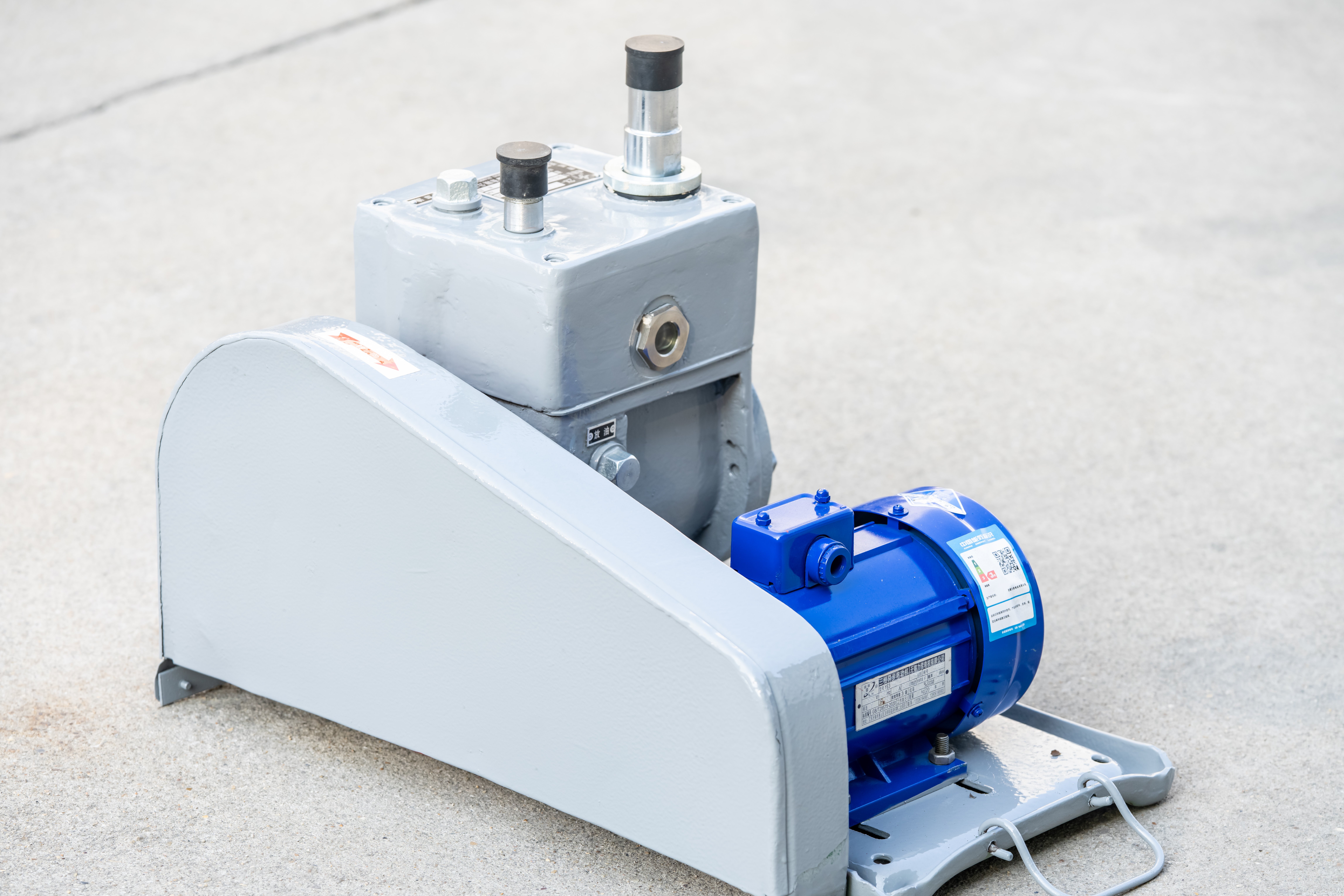
Chemical processing facilities face unique challenges when selecting vacuum pump systems that can withstand corrosive environments, handle varying gas compositions, and maintain consistent performance under demanding conditions. The choice of vacuum technology directly impacts production efficiency, maintenance costs, and operational reliability in chemical manufacturing operations. Among the various vacuum pump technologies available, LGB screw vacuum pump systems have emerged as a preferred solution for many chemical plants due to their specific design characteristics and operational advantages.
The decision-making process for vacuum pump selection in chemical plants involves multiple technical and economic factors that must align with specific process requirements and operational constraints. Understanding why chemical facilities gravitate toward LGB screw vacuum pump systems requires examining the fundamental challenges these plants face and how this particular pump technology addresses those challenges more effectively than alternative solutions. The reasons extend beyond basic performance metrics to encompass long-term operational considerations that significantly impact plant profitability and safety.
Superior Chemical Compatibility and Corrosion Resistance
Advanced Material Engineering for Harsh Environments
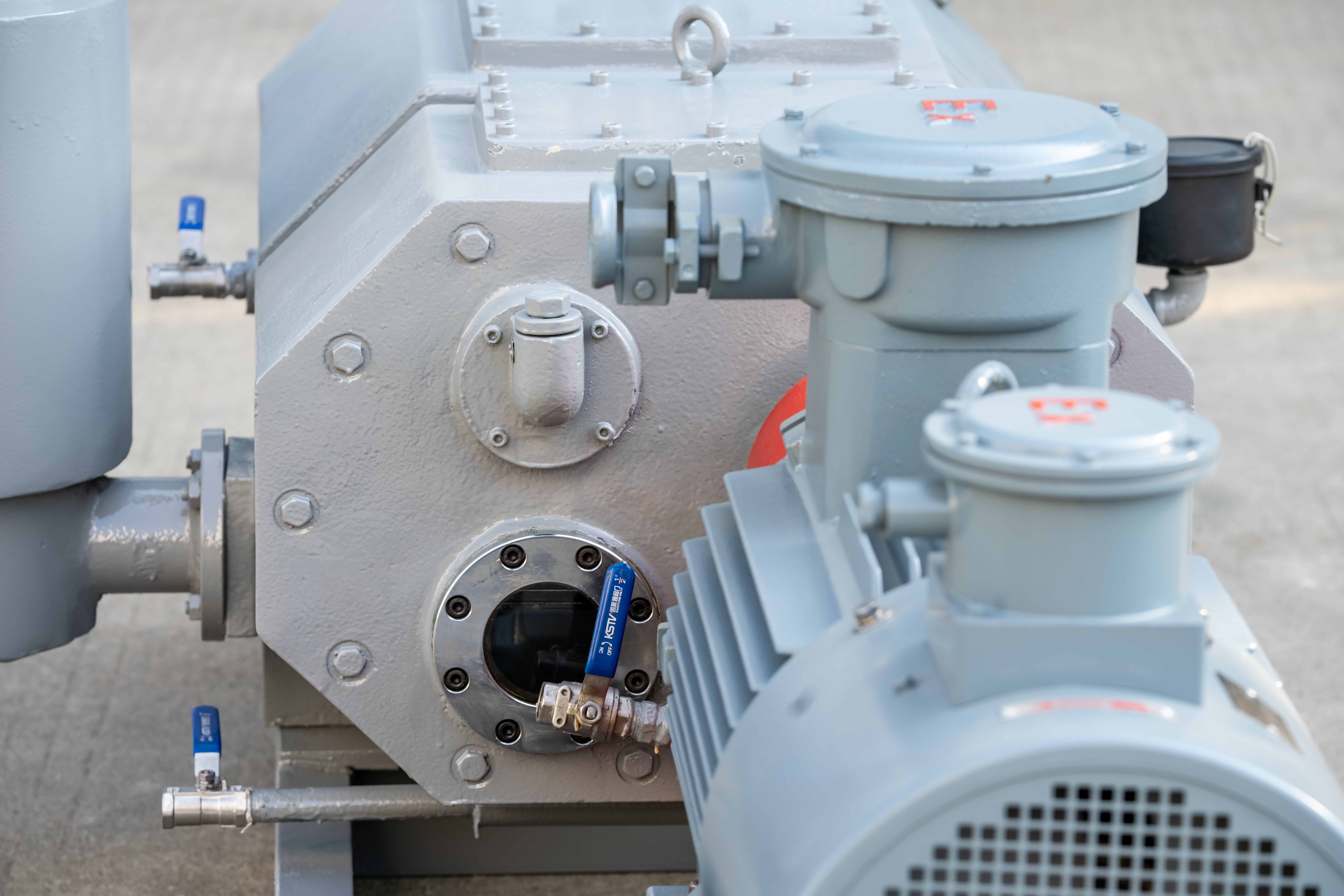
Chemical plants operate in environments where pump components face constant exposure to corrosive gases, vapors, and chemical compounds that can rapidly degrade standard vacuum pump materials. LGB screw vacuum pump systems incorporate specialized materials and coatings specifically engineered to withstand these aggressive chemical conditions. The pump chambers, rotors, and sealing systems utilize corrosion-resistant alloys and specialized surface treatments that maintain structural integrity even when processing highly reactive substances.
The material selection process for these LGB screw vacuum pump systems considers the specific chemical compatibility requirements of different process applications. This targeted approach ensures that pump components remain stable and functional when handling acids, bases, solvents, and other reactive chemicals commonly found in chemical processing operations. The result is significantly extended equipment lifespan and reduced replacement costs compared to pumps using conventional materials.
Contamination Prevention Through Design
Chemical processing applications demand vacuum systems that prevent cross-contamination between different process streams and protect sensitive chemical reactions from unwanted substances. LGB screw vacuum pump systems feature design elements that minimize contamination risks through sealed pump chambers and controlled gas flow pathways. The screw mechanism creates isolated compression zones that prevent backflow and maintain process purity standards critical for chemical manufacturing.
The pump design also facilitates easy cleaning and maintenance procedures that support chemical plant hygiene requirements. Quick-disconnect fittings, accessible service points, and smooth internal surfaces enable thorough cleaning between different chemical processing campaigns. This design consideration becomes particularly important in multipurpose chemical facilities that produce various products using the same vacuum systems.
Operational Efficiency and Energy Performance
Energy-Optimized Compression Technology
Energy consumption represents a significant operational cost factor for chemical plants, making pump efficiency a critical selection criterion. LGB screw vacuum pump systems employ compression technology that delivers high vacuum levels while minimizing energy consumption compared to alternative vacuum pump types. The screw compression mechanism operates with minimal internal friction and optimized gas flow dynamics that reduce power requirements across the entire operating range.
The energy efficiency advantages of these systems become more pronounced in continuous operation scenarios typical of chemical processing environments. Unlike pumps that experience efficiency degradation under varying load conditions, LGB screw vacuum pump systems maintain consistent energy performance across different operating points. This characteristic translates into predictable energy costs and improved overall plant energy efficiency metrics.
Variable Operating Capacity and Control
Chemical processes often require vacuum systems that can adapt to changing process conditions without compromising performance or efficiency. LGB screw vacuum pump systems offer variable capacity control that allows operators to match pump output to actual process demands. This capability eliminates energy waste associated with oversized systems and provides operational flexibility for batch processing applications common in chemical manufacturing.
The control systems integrated with these pump systems enable automated operation that responds to process signals and maintains optimal vacuum conditions without manual intervention. Advanced monitoring capabilities provide real-time performance data that helps operators optimize process parameters and identify potential issues before they impact production. This level of automation and control integration supports the sophisticated process control requirements of modern chemical plants.
Maintenance Requirements and Operational Reliability
Simplified Maintenance Procedures
Chemical plants prioritize vacuum pump technologies that minimize maintenance requirements and reduce unplanned downtime risks. LGB screw vacuum pump systems feature simplified maintenance procedures that plant personnel can perform using standard tools and techniques. The modular design approach allows for component replacement and service without complete system disassembly, reducing maintenance time and associated production losses.
Preventive maintenance schedules for these systems typically involve longer intervals between service requirements compared to other vacuum pump technologies. The robust construction and high-quality components withstand the demanding conditions of chemical processing operations while maintaining reliable performance. This extended maintenance cycle reduces labor costs and spare parts inventory requirements for chemical plant operators.
Diagnostic Capabilities and Predictive Maintenance
Modern chemical plants increasingly rely on predictive maintenance strategies to optimize equipment utilization and prevent unexpected failures. LGB screw vacuum pump systems incorporate diagnostic capabilities that monitor key performance parameters and provide early warning indicators of potential issues. Vibration monitoring, temperature tracking, and performance trending enable maintenance teams to schedule service activities during planned production breaks.
The diagnostic systems also provide valuable data for optimizing pump operation and identifying process improvements. By analyzing performance trends and operating conditions, chemical plants can fine-tune their vacuum systems for maximum efficiency and reliability. This data-driven approach to maintenance and operation aligns with the continuous improvement objectives common in chemical manufacturing facilities.
Process Integration and Application Versatility
Seamless Integration with Chemical Processes
Chemical processing operations require vacuum systems that integrate seamlessly with existing plant infrastructure and process control systems. LGB screw vacuum pump systems offer flexible installation options and standardized connections that simplify integration with chemical plant piping and electrical systems. The compact footprint and modular design accommodate space constraints common in chemical processing facilities while providing easy access for operation and maintenance.
Integration capabilities extend to process control interfaces that allow vacuum systems to communicate with plant-wide control systems. Standard communication protocols and programmable control options enable chemical plants to incorporate vacuum pump operation into their overall process automation strategies. This integration level supports the sophisticated process control requirements necessary for consistent product quality and operational efficiency.
Multi-Application Suitability
Chemical plants often utilize vacuum systems for multiple applications ranging from distillation and drying operations to material handling and reactor evacuation. LGB screw vacuum pump systems demonstrate versatility across these diverse applications while maintaining consistent performance characteristics. The ability to handle varying gas compositions, moisture levels, and pressure requirements makes these systems suitable for multiple process applications within the same facility.
This versatility reduces the need for multiple specialized vacuum systems and simplifies spare parts inventory management. Chemical plants can standardize on LGB screw vacuum pump systems across different applications, creating operational efficiencies and reducing training requirements for maintenance personnel. The standardization approach also provides flexibility for future process modifications and expansions.
Economic Considerations and Long-Term Value
Total Cost of Ownership Benefits
Chemical plant managers evaluate vacuum pump systems based on total cost of ownership rather than initial purchase price alone. LGB screw vacuum pump systems offer favorable total cost profiles through reduced energy consumption, extended maintenance intervals, and longer equipment lifespan. The combination of these factors results in lower operating costs over the system lifecycle compared to alternative vacuum pump technologies.
Energy savings represent a significant portion of the total cost benefits, particularly in facilities with high vacuum system utilization rates. The efficient operation of LGB screw vacuum pump systems translates into measurable reductions in electricity costs that compound over the system operating life. These energy savings often justify the initial investment and provide ongoing cost advantages throughout the equipment lifecycle.
Production Continuity and Risk Mitigation
Unplanned downtime in chemical processing operations can result in significant financial losses and safety concerns. LGB screw vacuum pump systems contribute to production continuity through reliable operation and predictable maintenance requirements. The robust design and quality construction minimize the risk of unexpected failures that could disrupt chemical production processes.
Risk mitigation extends to safety considerations where reliable vacuum system operation supports safe chemical processing conditions. Consistent vacuum levels help maintain proper process temperatures, prevent unwanted reactions, and support containment of hazardous materials. The reliability characteristics of these pump systems align with the safety-focused culture of chemical manufacturing operations.
FAQ
What makes LGB screw vacuum pump systems more suitable for chemical applications than other pump types?
LGB screw vacuum pump systems excel in chemical applications due to their superior corrosion resistance, contamination prevention design, and ability to handle varying chemical compositions without performance degradation. The specialized materials and sealed compression chambers protect against chemical attack while maintaining process purity standards required in chemical manufacturing.
How do LGB screw vacuum pump systems impact energy costs in chemical plants?
These systems reduce energy costs through efficient compression technology that maintains consistent performance across varying operating conditions. The optimized design minimizes power consumption while delivering required vacuum levels, and variable capacity control prevents energy waste by matching pump output to actual process demands.
What maintenance advantages do chemical plants gain from using LGB screw vacuum pump systems?
Chemical plants benefit from simplified maintenance procedures, longer service intervals, and predictive maintenance capabilities that reduce unplanned downtime. The modular design allows for efficient component replacement, while diagnostic systems provide early warning of potential issues, enabling proactive maintenance scheduling during planned production breaks.
Can LGB screw vacuum pump systems handle multiple applications within the same chemical plant?
Yes, these systems demonstrate excellent versatility across diverse chemical processing applications including distillation, drying, material handling, and reactor evacuation. This multi-application capability allows chemical plants to standardize their vacuum system technology, reducing inventory requirements and simplifying operator training while maintaining consistent performance across different processes.
Table of Contents
- Superior Chemical Compatibility and Corrosion Resistance
- Operational Efficiency and Energy Performance
- Maintenance Requirements and Operational Reliability
- Process Integration and Application Versatility
- Economic Considerations and Long-Term Value
-
FAQ
- What makes LGB screw vacuum pump systems more suitable for chemical applications than other pump types?
- How do LGB screw vacuum pump systems impact energy costs in chemical plants?
- What maintenance advantages do chemical plants gain from using LGB screw vacuum pump systems?
- Can LGB screw vacuum pump systems handle multiple applications within the same chemical plant?
