
 EN
EN
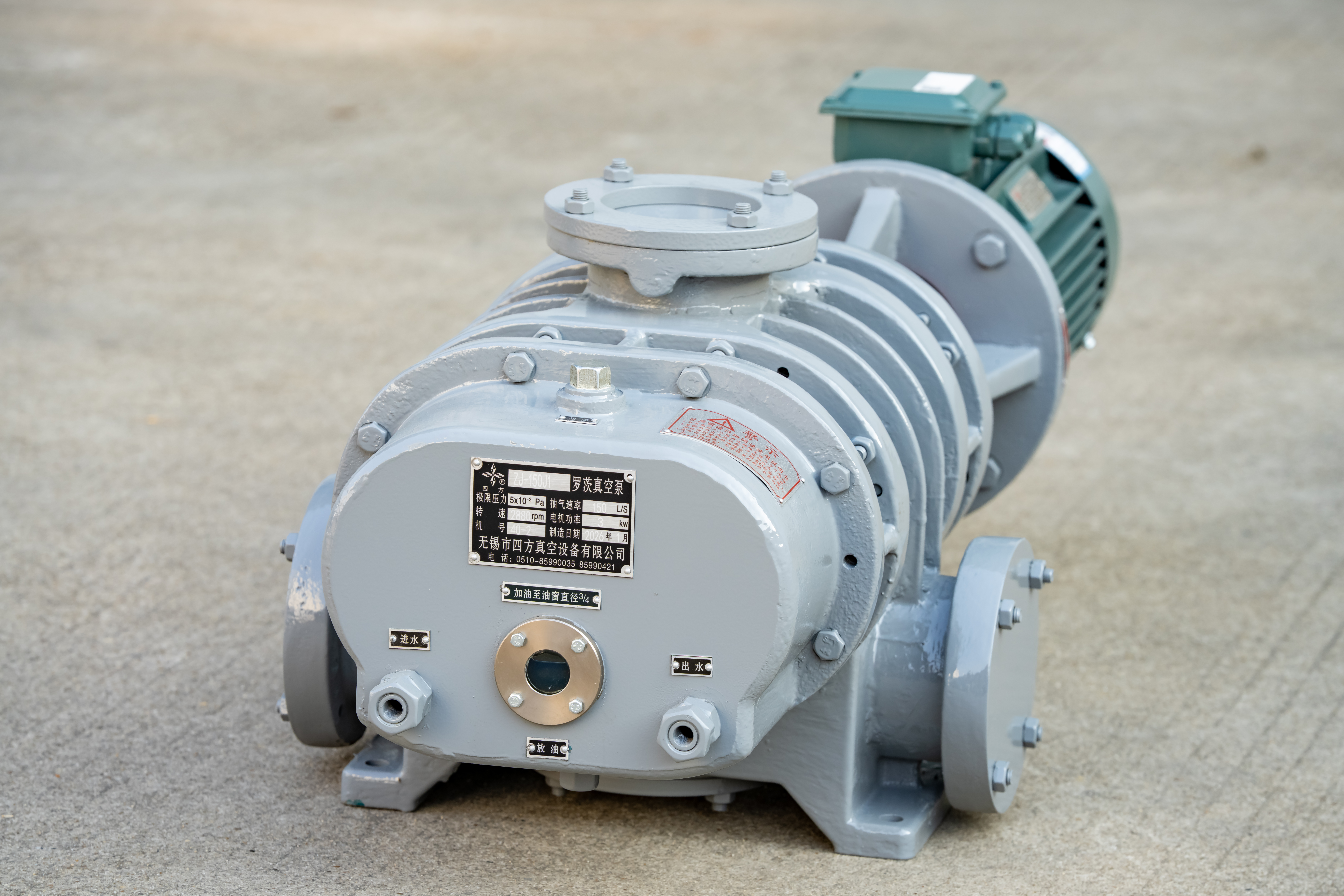
The metallurgy industry demands vacuum systems that can handle extreme conditions, corrosive environments, and continuous operation cycles that would destroy conventional pumping equipment. A roots vacuum pump emerges as the preferred solution for metallurgical applications due to its unique dry compression mechanism, ability to handle contaminated gases, and exceptional reliability under harsh industrial conditions. Understanding what makes this technology specifically suitable for metallurgy requires examining the fundamental requirements of metal processing operations and how roots vacuum pump technology addresses these critical needs.
Metallurgical processes create some of the most challenging environments for vacuum equipment, involving high temperatures, reactive gases, metal vapors, and particulate contamination that can quickly compromise pump performance. The roots vacuum pump design addresses these challenges through its non-contact rotor configuration, which eliminates oil contamination risks and provides consistent pumping performance even when handling aggressive media. This makes the roots vacuum pump technology particularly valuable for applications such as vacuum degassing, steel refining, powder metallurgy, and thin film coating processes where maintaining clean, dry vacuum conditions is essential for product quality.
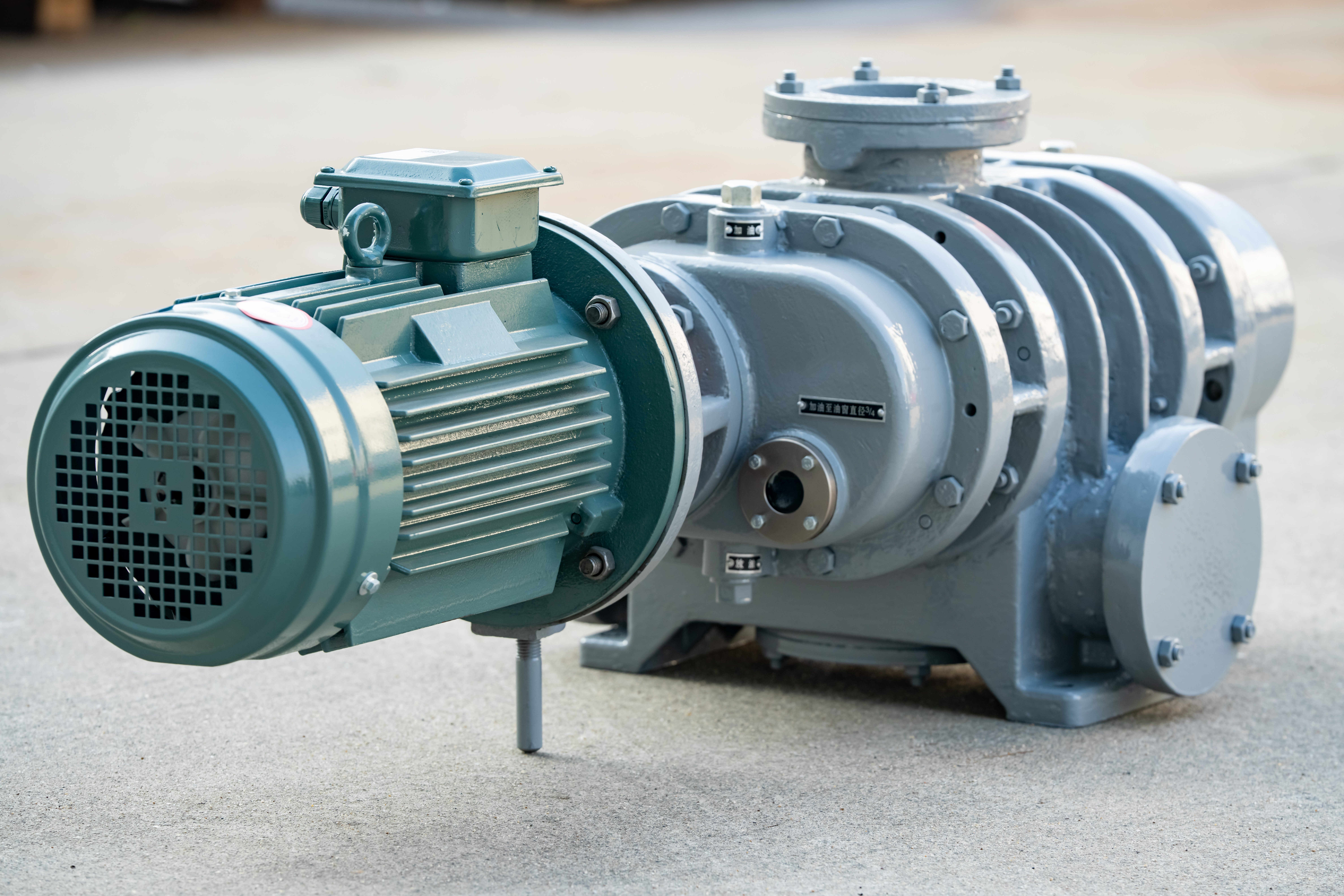
Fundamental Design Characteristics for Metallurgy Applications
Dry Compression Technology Benefits
The dry compression mechanism of a roots vacuum pump provides significant advantages in metallurgical applications where oil contamination would compromise process integrity. Unlike oil-sealed rotary vane pumps, the roots vacuum pump operates without internal lubrication in the compression chamber, preventing oil vapor backstreaming that could contaminate metal surfaces or interfere with coating adhesion. This dry operation is particularly critical in applications such as vacuum heat treatment, where even trace amounts of hydrocarbon contamination can affect material properties.
The non-contact rotor design allows the roots vacuum pump to handle particulate matter and condensable vapors that would cause seizure in oil-lubricated equipment. Metal dust, oxide particles, and volatile compounds generated during metallurgical processes pass through the pump without causing mechanical damage or requiring frequent maintenance interventions. This capability ensures continuous operation during extended processing cycles common in industrial metallurgy.
Temperature tolerance represents another crucial advantage of roots vacuum pump technology in metallurgical applications. The robust construction and external cooling systems allow operation in environments where radiant heat from furnaces and processing equipment would degrade oil-based pump fluids. This thermal stability ensures consistent vacuum performance throughout temperature cycling operations typical in metal processing facilities.
Chemical Compatibility and Corrosion Resistance
Metallurgical processes often involve aggressive chemicals and reactive atmospheres that require specialized materials of construction in vacuum equipment. A properly specified roots vacuum pump incorporates corrosion-resistant materials and coatings designed to withstand exposure to acids, alkaline solutions, and metal vapors encountered in various metallurgical applications. Stainless steel construction and specialized rotor coatings provide long-term durability in corrosive environments.
The ability to handle hydrogen and other reactive gases safely makes the roots vacuum pump suitable for applications such as vacuum degassing and hydrogen atmosphere processing. The dry compression principle eliminates the risk of explosive vapor accumulation in pump oil that could occur with lubricated systems when processing hydrogen-containing atmospheres. This safety feature is essential for metallurgical operations involving hydrogen reduction or protective atmosphere processing.
Gas compatibility extends to handling metal vapors and sublimating compounds that would contaminate or damage oil-lubricated pumps. The roots vacuum pump can process these challenging media without performance degradation, making it suitable for applications such as physical vapor deposition and thermal evaporation processes used in metallurgical coating operations.
Operational Requirements in Metal Processing
High Throughput and Continuous Operation
Metallurgical facilities operate on continuous production schedules that demand vacuum systems capable of sustained high-performance operation without frequent maintenance shutdowns. The roots vacuum pump design provides the high pumping speed and reliability necessary for these demanding applications. The large displacement volume and efficient gas handling characteristics ensure rapid evacuation of large process chambers and maintenance of target vacuum levels during gas-intensive operations.
Process gas loads in metallurgy applications can be substantial, requiring vacuum pumps with high throughput capability to maintain system performance. The roots vacuum pump excels in high gas load applications due to its positive displacement design and ability to maintain pumping speed across a wide pressure range. This characteristic is particularly valuable in applications such as vacuum degassing where large volumes of dissolved gases must be removed rapidly from molten metals.
Reliability requirements in metallurgical operations are stringent due to the high cost of production interruptions and product quality implications of vacuum system failures. The simple, robust construction of a roots vacuum pump minimizes failure modes and provides predictable maintenance intervals that can be scheduled around production requirements. This reliability factor makes roots vacuum pump technology the preferred choice for critical metallurgical processes.
Vacuum Level and Pumping Speed Requirements
Different metallurgical applications require specific vacuum levels and pumping speeds that influence vacuum system design. The roots vacuum pump provides excellent performance in the medium vacuum range typically required for most metallurgical processes, delivering consistent pumping speeds between 10 torr and 0.1 torr where many critical operations occur. This performance range aligns well with requirements for vacuum heat treatment, degassing, and powder processing applications.
Pumping speed consistency across the operating pressure range ensures stable process conditions during vacuum cycling operations common in metallurgy. Unlike some pump technologies that show dramatic performance variations with pressure changes, the roots vacuum pump maintains relatively constant displacement, providing predictable evacuation times and stable operating conditions for sensitive metallurgical processes.
The ability to achieve ultimate vacuum levels sufficient for specialized metallurgical applications while maintaining high pumping speeds for process gases makes the roots vacuum pump versatile across different operation types. This flexibility allows facilities to use standardized vacuum systems across multiple process lines, reducing maintenance complexity and spare parts inventory requirements.
Specific Metallurgical Application Advantages
Vacuum Degassing and Steel Refining
Vacuum degassing represents one of the most demanding applications for industrial vacuum systems, requiring rapid removal of dissolved hydrogen, nitrogen, and oxygen from molten steel while maintaining precise vacuum control. The roots vacuum pump excels in these applications due to its ability to handle the large gas volumes released during degassing operations while maintaining stable vacuum levels despite varying gas loads.
Temperature cycling during steel processing creates challenging conditions for vacuum equipment, with rapid temperature changes and exposure to radiant heat from molten metal. The thermal stability and robust construction of a roots vacuum pump enable reliable operation in these environments without performance degradation or premature component failure. External cooling systems and heat-resistant materials ensure consistent operation throughout processing cycles.
The contamination-free operation of roots vacuum pump technology is critical in steel refining where any hydrocarbon contamination would affect final product quality. The dry compression principle eliminates oil vapor backstreaming that could introduce carbon contamination into high-grade steel products. This cleanliness factor makes the roots vacuum pump essential for producing specialty steels and high-purity metal products.
Powder Metallurgy and Sintering Operations
Powder metallurgy operations require vacuum systems capable of handling fine particulate matter without performance degradation or excessive maintenance requirements. The roots vacuum pump design accommodates particulate loading through its large clearances and non-contact operation, allowing processing of metal powders without pump damage or contamination concerns that would affect product quality.
Sintering atmospheres often contain reactive gases and metal vapors that would quickly degrade oil-lubricated vacuum pumps. The chemical compatibility and dry operation of a roots vacuum pump make it suitable for these challenging atmospheres while maintaining consistent vacuum performance throughout extended sintering cycles. This capability is essential for achieving uniform densification and controlled microstructure development in powder metallurgy products.
Temperature control during powder processing requires vacuum systems that can operate reliably at elevated temperatures without performance loss. The roots vacuum pump design incorporates cooling systems and temperature-resistant materials that enable operation in high-temperature powder processing environments while maintaining precise vacuum control necessary for quality powder metallurgy production.
Performance and Reliability Factors
Maintenance Requirements and Operational Costs
The maintenance profile of a roots vacuum pump in metallurgical applications reflects the robust design and simple operating principles that minimize service requirements. Planned maintenance intervals can be extended compared to oil-lubricated systems due to the elimination of oil changes and reduced wear from contaminated process gases. This maintenance advantage translates to lower operational costs and improved production availability in demanding metallurgical operations.
Component longevity in harsh metallurgical environments depends on proper material selection and design features that resist wear and corrosion. The roots vacuum pump incorporates hardened rotor surfaces, corrosion-resistant coatings, and precision clearances that maintain performance over extended service periods even when handling aggressive process gases and particulate contamination typical in metal processing operations.
Energy efficiency considerations become important in continuous operation applications where vacuum systems operate around the clock. The roots vacuum pump design provides favorable power consumption characteristics compared to alternative technologies, particularly when handling high gas loads typical in metallurgical applications. This efficiency advantage contributes to lower operational costs over the pump service life.
System Integration and Control Capabilities
Modern metallurgical facilities require vacuum systems that integrate seamlessly with automated process controls and monitoring systems. The roots vacuum pump technology accommodates advanced control systems through variable speed drives, automated valving, and comprehensive instrumentation that enables precise vacuum control and process optimization. This integration capability is essential for maintaining consistent product quality and optimizing production efficiency.
Monitoring capabilities allow predictive maintenance scheduling and early detection of performance changes that might indicate developing problems. Advanced roots vacuum pump systems incorporate vibration monitoring, temperature sensors, and performance tracking that enable condition-based maintenance and minimize unexpected failures that could disrupt production operations.
Redundancy and backup system design become critical in applications where vacuum system failure would result in significant production losses or product quality issues. The roots vacuum pump technology supports parallel operation and automatic switchover configurations that provide operational continuity even during maintenance activities or unexpected equipment failures.
FAQ
Why is dry operation important for roots vacuum pumps in metallurgy?
Dry operation eliminates oil contamination risks that would affect metal purity and surface quality in metallurgical processes. Oil vapors can introduce carbon contamination in steel production, interfere with coating adhesion, and compromise the quality of high-purity metals. The roots vacuum pump dry compression principle ensures clean vacuum conditions essential for maintaining metallurgical product quality standards.
How does a roots vacuum pump handle metal vapors and aggressive gases?
The non-contact rotor design and appropriate material selection allow roots vacuum pumps to process metal vapors and corrosive gases without internal contamination or mechanical damage. Stainless steel construction, specialized coatings, and external cooling systems provide chemical compatibility and temperature resistance necessary for handling the challenging atmospheres encountered in metallurgical applications.
What maintenance advantages do roots vacuum pumps offer in metallurgical applications?
Roots vacuum pumps require less frequent maintenance compared to oil-lubricated systems because they eliminate oil changes and reduce contamination-related wear. The robust construction and simple design minimize failure modes, while the ability to handle particulate matter and aggressive gases extends service intervals. This results in higher operational availability and lower maintenance costs for metallurgical facilities.
Can roots vacuum pumps maintain consistent performance during temperature cycling?
Yes, roots vacuum pumps are designed with thermal stability features including external cooling systems, heat-resistant materials, and robust construction that maintain consistent performance during the temperature cycling common in metallurgical operations. The dry operation principle eliminates oil degradation issues that would affect performance at elevated temperatures, ensuring reliable operation throughout processing cycles.
Table of Contents
- Fundamental Design Characteristics for Metallurgy Applications
- Operational Requirements in Metal Processing
- Specific Metallurgical Application Advantages
- Performance and Reliability Factors
-
FAQ
- Why is dry operation important for roots vacuum pumps in metallurgy?
- How does a roots vacuum pump handle metal vapors and aggressive gases?
- What maintenance advantages do roots vacuum pumps offer in metallurgical applications?
- Can roots vacuum pumps maintain consistent performance during temperature cycling?
