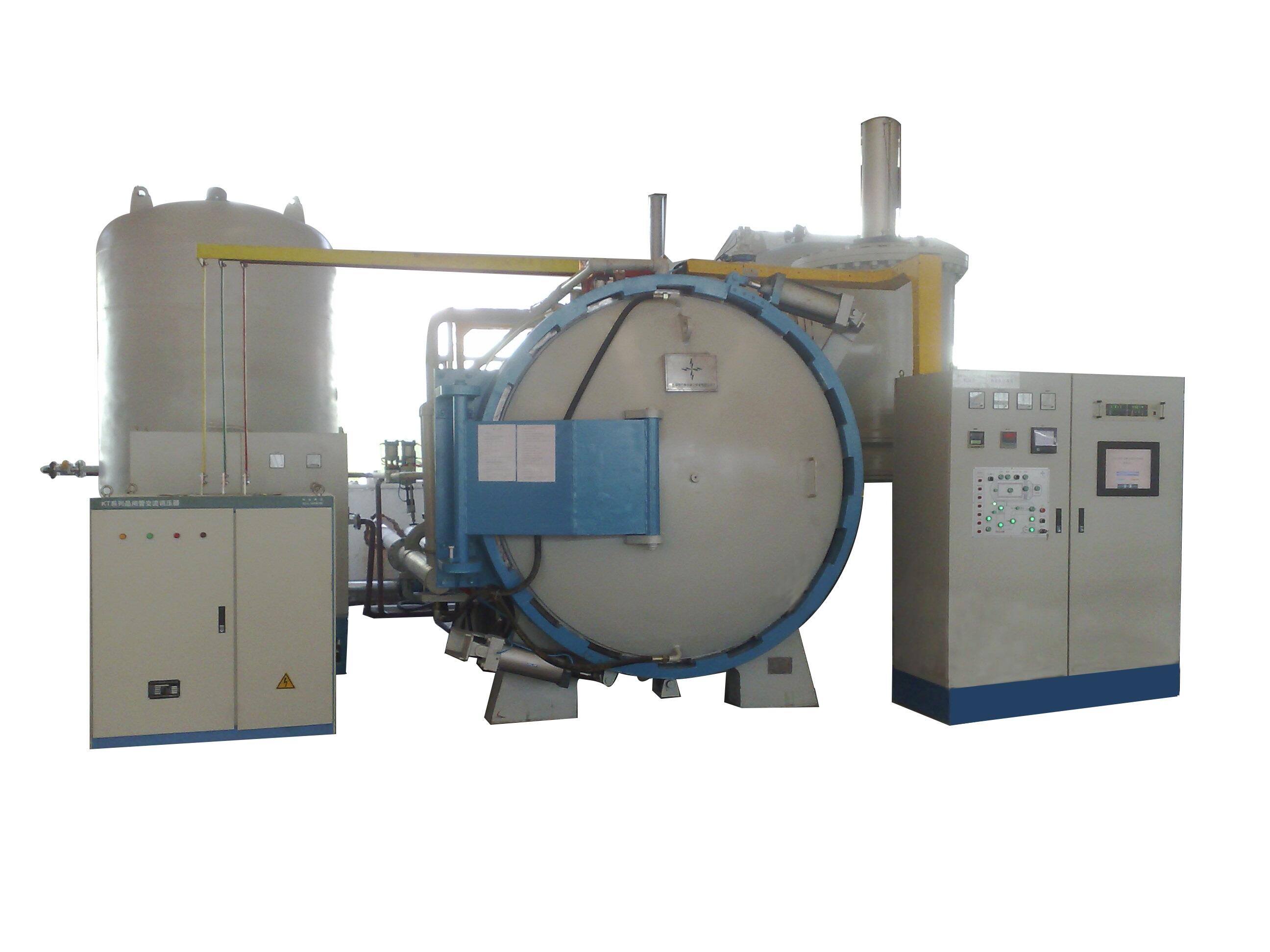
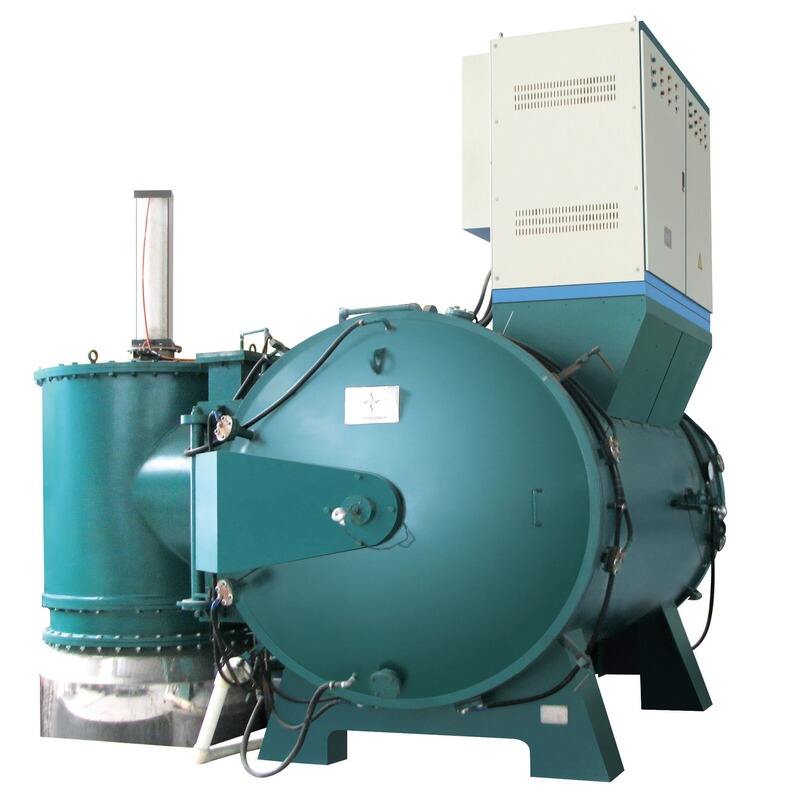
The control system serves as the central nervous system of a vacuum furnace, dictating its every action and reaction. Far more than a simple on/off switch, it is the critical component that directly governs operational precision, process repeatability, thermal efficiency, and overall ease of use. In an environment where a deviation of a few degrees or a minute off-schedule can compromise an entire batch of high-value components—from aerospace turbine blades to medical implants—the choice of control system is a strategic decision. These systems have evolved from basic manual controls to sophisticated digital platforms, generally classified into three main tiers: Standard, Touchscreen, and Computer Cluster Control. Each tier represents a different philosophy in balancing functionality, user interaction, and data management, catering to the diverse needs of modern industrial heat treatment.
Tier 1: Standard Control System - The Robust Workhorse
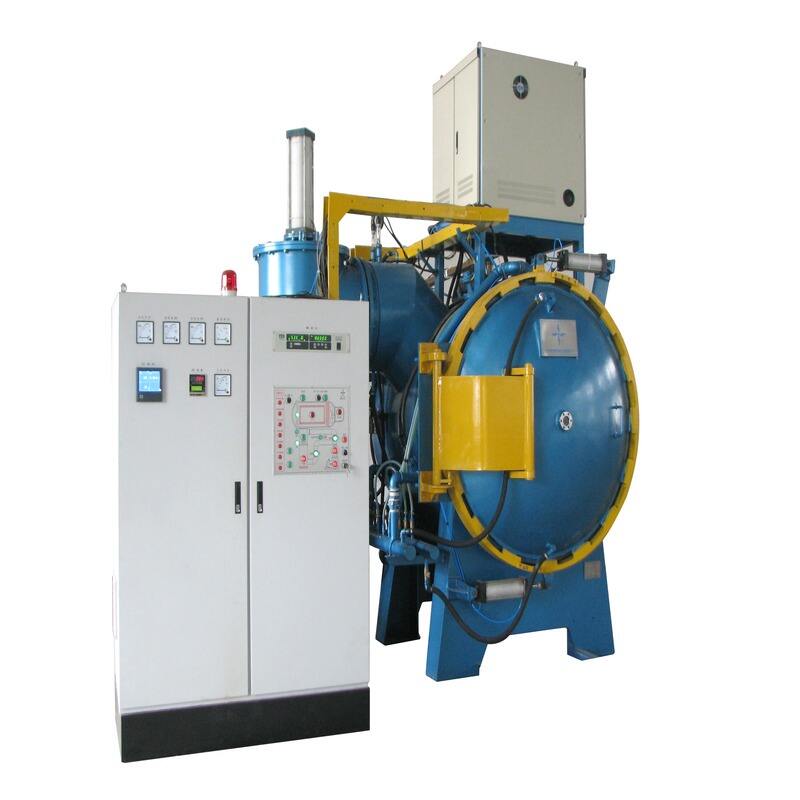
At the foundation of vacuum furnace control is the Standard System, a solution prized for its robustness, reliability, and cost-effectiveness. Its architecture is built upon proven, industry-standard components: imported high-precision programmable temperature controllers and a Programmable Logic Controller (PLC).
The temperature controller is dedicated solely to managing the thermal profile. It receives input from thermocouples located within the hot zone and executes a pre-programmed recipe, which may involve complex ramps, soaks, and cooling rates, all while employing PID (Proportional-Integral-Derivative) algorithms to minimize overshoot and ensure temperature stability.
The PLC, on the other hand, acts as the sequential logic brain. It automates the mechanical symphony of the furnace: starting and monitoring the vacuum pumps (from roughing to diffusion or turbomolecular stages), operating solenoid valves for gas backfilling, controlling the pressure of partial atmospheres, and managing cooling systems and safety interlocks. A hallmark of this tier is the frequent inclusion of an analog mimic panel. This panel, often featuring illuminated LED flow charts and indicator lights, provides operators with an immediate, at-a-glance visual representation of the entire furnace status—which pumps are running, which valves are open, and the current stage of the process cycle.
The primary advantage of the Standard Control System is its simplicity and resilience. It is less complex to troubleshoot than more advanced systems and represents a lower initial investment. It is perfectly suited for applications with straightforward, well-defined process recipes that do not change frequently, and where extensive data logging and centralized management are not required. Examples include standard tempering, annealing, and simple brazing operations in job-shop environments or dedicated production lines for a single, repeating part.
Tier 2: Touchscreen Control System - The Intuitive Operator Interface
Building upon the robust core of the Standard System, the Touchscreen Control System introduces a layer of enhanced user interaction and diagnostic capability. This tier retains the same reliable hardware foundation—the dedicated temperature controller and PLC—ensuring that the critical control loops remain fast, stable, and isolated. The revolutionary change is the replacement of physical buttons, indicator lights, and the mimic panel with a dynamic Touchscreen Human-Machine Interface (HMI).
This digital interface transforms the operator's experience. Instead of navigating through a series of coded buttons on a temperature controller, the operator is presented with a graphical environment. Process recipes can be created and edited visually with intuitive drag-and-drop or fill-in-the-blank templates for ramps and soaks. Real-time data is displayed as dynamic trends and graphs, showing live temperature and pressure curves overlaid on their setpoints.
Perhaps the most significant enhancement is in the realm of fault diagnosis. When a problem occurs, the system can display a precise, plain-language alarm message (e.g., "Cooling Water Pressure Low - Check Heat Exchanger Valve") instead of a cryptic fault code. It can often bring up a schematic of the system, highlighting the component in fault. This drastically reduces mean-time-to-repair (MTTR) and minimizes operator training time. This system is ideal for facilities running a variety of complex processes that require frequent recipe changes, and where operational clarity and rapid troubleshooting are valued to maximize uptime.
Tier 3: Computer Cluster Control System - The Centralized Data Hub
The most advanced option, the Computer Cluster Control System, represents a paradigm shift from standalone control to integrated plant-floor management. This system is centered around industrial-grade computers running powerful, legitimate configuration software (such as SCADA - Supervisory Control and Data Acquisition).
In this architecture, the industrial computer takes on the role of a supervisory master. While separate PID temperature controllers and a PLC may still handle the low-level, high-speed control tasks for safety and performance, the computer is the central command post. It enables comprehensive data acquisition, logging every conceivable process variable—temperature, pressure, pump currents, gas flows—at high frequency into a searchable database for traceability and audit trails, essential for industries like automotive and aerospace (meeting NADCAP or similar standards).
This system excels in sophisticated process management. It allows for the creation of complex, multi-step recipes with conditional branching (e.g., "If pressure exceeds X, execute cooling sequence Y"). Furthermore, it is designed for centralized control, where a single operator station can monitor and command not just one, but an entire fleet of vacuum furnaces, as well as other supporting equipment like wash lines or quench tanks, from a central location. It generates detailed batch reports and statistical process control (SPC) charts automatically. The investment in a Computer Cluster system is justified in large-scale, data-driven production environments, such as in captive heat treatment shops of major manufacturers or commercial heat treaters servicing high-tech industries, where process integrity, traceability, and network-wide efficiency are paramount. Guidelines for System Selection
Choosing the correct control system is not about selecting the "best" one in absolute terms, but the most appropriate one for a specific set of requirements. The decision should be guided by a careful analysis of several key factors:
Process Complexity: Simple, fixed recipes demand a Standard system. Complex, multi-parameter, and frequently changing processes benefit immensely from the flexibility of a Touchscreen or Computer Cluster system.
Data Management and Traceability: If simple run logs suffice, a Standard system may work. If detailed, 21 CFR Part 11-compliant electronic records and SPC are needed, a Computer Cluster is indispensable.
Number of Furnaces and Centralization Needs: A single furnace can be managed by any tier. For a multi-furnace facility aiming for centralized oversight and reduced staffing, the Computer Cluster is the only viable option.
Operational Workforce: The skill level of the operators must be considered. A Standard system is straightforward; a Touchscreen system requires digital literacy; a Computer Cluster system may require trained technicians.
Investment Budget: The cost increases significantly from Standard to Touchscreen to Computer Cluster. A thorough Total Cost of Ownership (TCO) analysis should consider not only the initial purchase price but also the long-term costs of training, maintenance, downtime, and the potential value of improved yield and traceability.
In conclusion, the evolution of vacuum furnace control systems offers a tailored solution for every level of industrial need. From the robust, cost-effective Standard system to the intuitive Touchscreen interface and the powerful, network-ready Computer Cluster, the selection process is a critical strategic exercise that directly impacts a company's production capability, quality assurance, and competitive edge in the precision heat treatment market.
 EN
EN

 Hot News