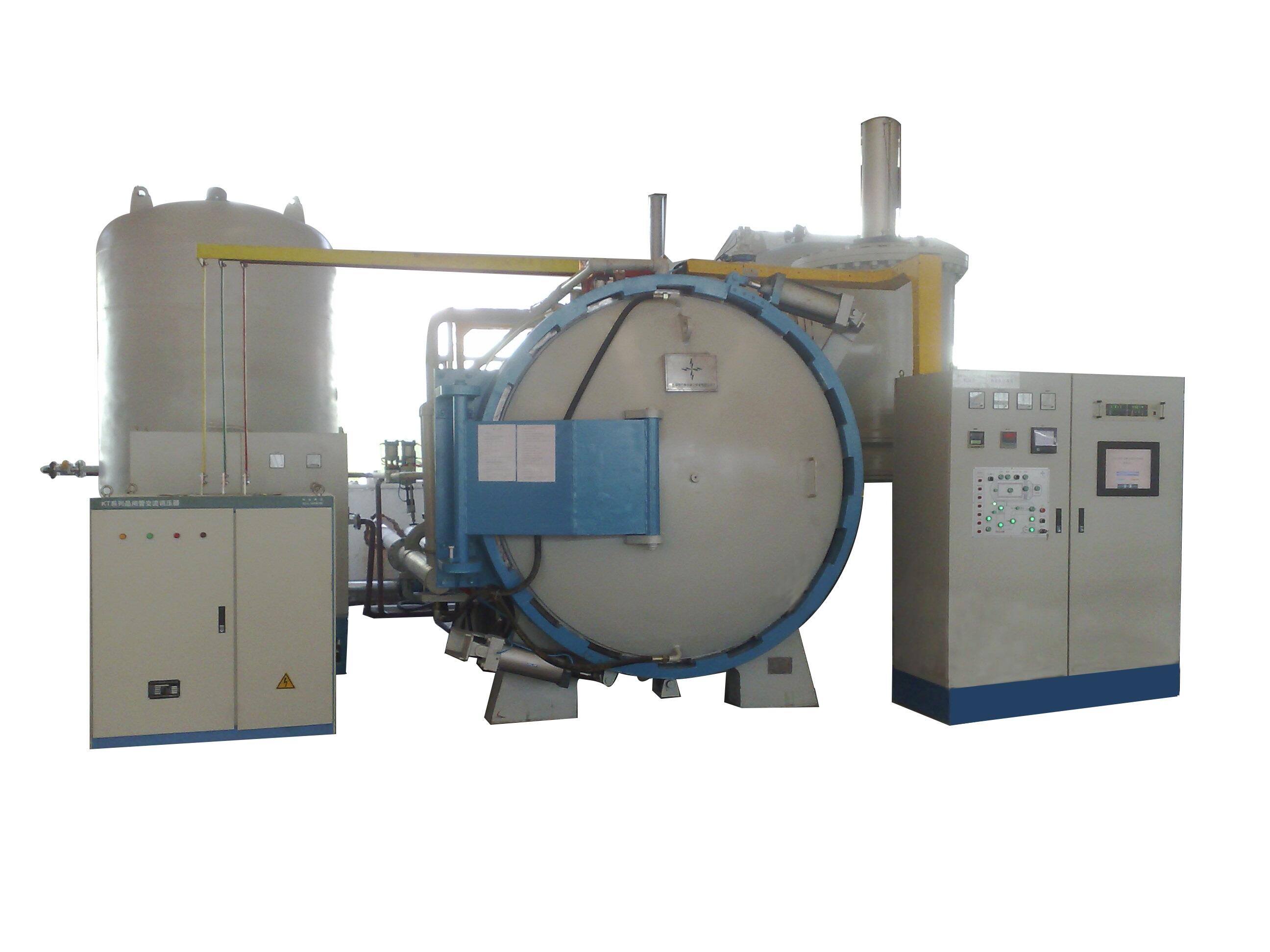
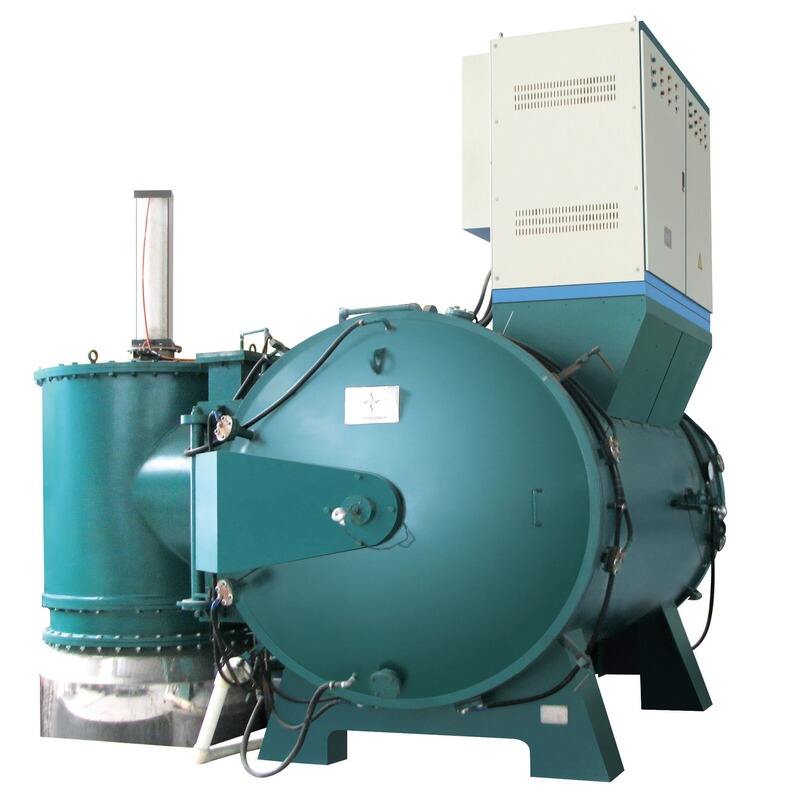
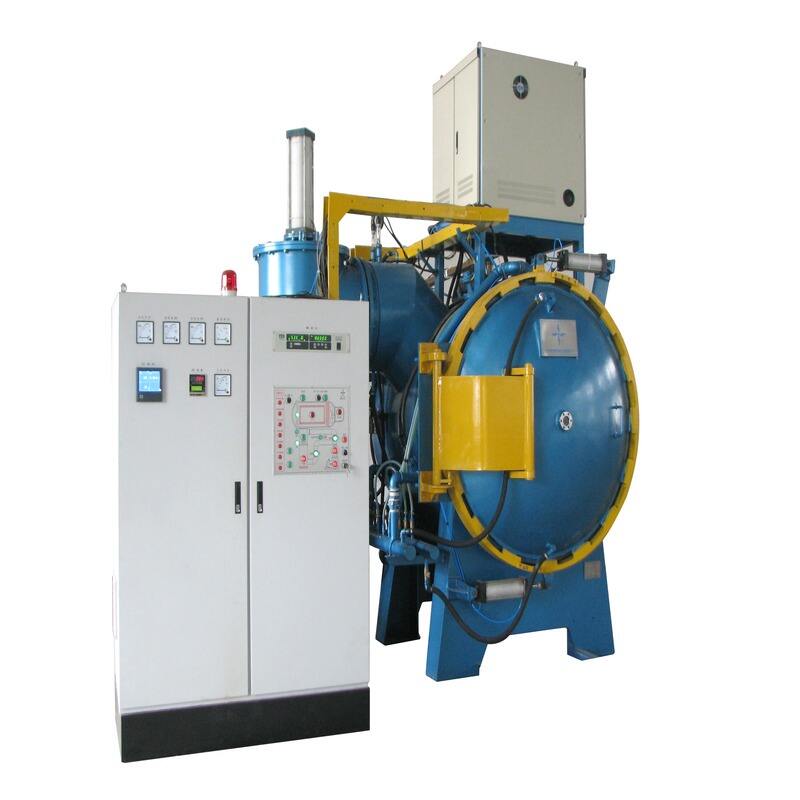
The vacuum furnace shell is far more than a simple container; it is the foundational component that defines the furnace's operational integrity, safety, and longevity. Acting as a sealed barrier, its primary role is to completely isolate the high-temperature working chamber from the external atmosphere, thereby creating and maintaining the critical vacuum environment necessary for a multitude of sophisticated thermal processes. Without this robust enclosure, processes such as brazing, heat treatment, sintering, and melting would be compromised by atmospheric contamination, leading to oxidized, weakened, or failed products. The shell's design is a sophisticated engineering compromise, balancing immense mechanical loads, severe thermal gradients, and stringent safety requirements, all while serving as the primary structural framework upon which virtually all other furnace components are mounted. Primary Functions and Critical Design Considerations
The functions of the vacuum furnace shell are multifaceted. Its most obvious role is as a Pressure Vessel, engineered to withstand significant pressure differentials. During operation, the internal pressure can be as low as 10-6 mbar or even lower, creating a crushing atmospheric pressure of approximately 1 bar (14.7 psi) on every square inch of its surface. Conversely, during rapid backfilling with gas or in the event of a cooling water leak, it must be able to handle a positive internal pressure. To manage these forces, the shell is invariably designed as a pressure vessel in compliance with international standards like ASME Boiler and Pressure Vessel Code.
Secondly, the shell provides crucial Thermal Management. The internal furnace components and the workload itself operate at extremely high temperatures, often exceeding 1300°C. To protect the structural integrity of the shell itself and ensure the safety of personnel and surrounding equipment, the shell is universally configured as a double-walled structure. The cavity between the inner and outer walls is circulated with cooling water, which efficiently extracts the radiant heat passing through the inner wall. This design prevents the outer shell from reaching dangerous temperatures and mitigates the thermal stresses that could cause warping or fatigue failure over time.
Finally, the shell acts as the Structural Backbone of the entire furnace system. It supports the weight of the hot zone insulation and heating elements, the workload and its carriage system, the vacuum pumping ports, viewports, electrical feedthroughs, and thermocouple penetrations. It must possess sufficient stiffness and strength to resist deformation under its own weight and these mounted loads, ensuring that the precise alignment of internal components is maintained and that door seals remain perfectly mated.
Structural Configuration: The Double-Walled Water-Cooled Vessel
The typical double-walled (or jacketed) construction is the industry standard for a reason. The inner wall is the first line of defense, facing the high-temperature environment and the vacuum. It is designed to be as thin as possible to minimize its thermal mass and weight, yet thick enough to resist buckling from atmospheric pressure. The outer wall provides the primary structural strength and contains the cooling water. The space between them is filled with baffles or spacers that maintain the gap, promote turbulent water flow for efficient heat transfer, and add rigidity to the overall structure.
Openings in the shell, for doors, viewports, and penetrations, are potential weak points. These are meticulously reinforced with heavy flanges and thick cover plates. The door seal, typically a large-diameter elastomer O-ring (like Viton) or a metal seal for high-temperature applications, is critical. The flange design must ensure a uniform pressure on this seal to achieve and maintain the required leak-tightness. The geometry of the shell—whether cylindrical or rectangular—is also a key decision. Cylindrical shells are inherently stronger under pressure and are preferred for larger furnaces, as they resist deformation more effectively with less material. Rectangular shells are often chosen for smaller furnaces or where space optimization within a facility is critical, but they require significant reinforcement with ribs and thicker plates to prevent bulging.
Material Selection: Carbon Steel vs. Stainless Steel
The choice of construction material is a critical economic and technical decision, primarily boiling down to two common configurations:
Full Carbon Steel Construction: This is the most cost-effective solution. Carbon steel (such as ASTM A36 or A516) offers excellent mechanical strength and is readily fabricable. For the vast majority of vacuum furnace applications where the primary process is dry (e.g., hardening, annealing, brazing in a hydrogen-free atmosphere), and the internal environment is clean, carbon steel is perfectly adequate. Its main vulnerability is corrosion. Moisture from the atmosphere, residual process gases, or a minor cooling water leak can lead to rust formation on the inner surface. This rust can act as a virtual leak, slowly releasing water vapor into the vacuum chamber during pump-down, significantly increasing the time required to achieve base pressure and potentially contaminating the process.
Stainless Steel Lined or Clad Construction: In this configuration, the inner wall of the shell is made from stainless steel (typically Type 304 or 316L), while the outer structural wall remains carbon steel. The stainless steel lining can be a thin sheet welded to the carbon steel substrate, or in more advanced designs, a explosively bonded clad plate may be used. The primary advantage of stainless steel is its superior Corrosion Resistance. This makes it the mandatory choice for processes that involve aggressive atmospheres, such as those with active brazing filler metals that release volatile fluorides, or in sintering furnaces where residual binder outgassing can be corrosive. It also entirely eliminates the problem of rust-induced virtual leaks, ensuring faster pump-down times and a cleaner process environment, which is essential for achieving very high vacuums or for processing highly reactive materials like titanium or zirconium.
Factors Influencing the Selection Process
The decision between a full carbon steel and a stainless-lined shell is not arbitrary; it is driven by a careful analysis of several factors:
Process Requirements: The nature of the thermal process is the foremost consideration. High-purity processes, those involving reactive metals, or any application where water vapor is a contaminant will lean heavily towards a stainless steel lining.
Corrosion Resistance Needs: If the furnace will be exposed to humidity during idle periods, or if the process chemistry is known to produce corrosive by-products, the investment in stainless steel is justified to ensure long-term reliability and avoid costly downtime for derusting and cleaning.
Vacuum Level and Pump-Down Time: For applications requiring very low base pressures (high vacuum, 10-6 mbar and below), a stainless-lined shell is almost always necessary to minimize outgassing and achieve the required vacuum in a reasonable time.
Total Cost of Ownership (TCO): While the initial capital cost of a carbon steel shell is lower, the TCO must be considered. A stainless-lined shell may have a higher upfront cost but can offer savings over its lifespan through reduced maintenance, fewer process failures due to contamination, and higher overall productivity.
In conclusion, the vacuum furnace shell is a masterfully engineered component whose selection is pivotal to the success of the entire thermal processing system. Its design as a double-walled, water-cooled pressure vessel addresses the fundamental challenges of pressure containment and thermal management. The choice between carbon steel and stainless steel construction is a strategic balance between initial investment and long-term performance, dictated entirely by the specific demands of the application, the required vacuum quality, and the need for operational purity and reliability.The vacuum furnace shell is far more than a simple container; it is the foundational component that defines the furnace's operational integrity, safety, and longevity. Acting as a sealed barrier, its primary role is to completely isolate the high-temperature working chamber from the external atmosphere, thereby creating and maintaining the critical vacuum environment necessary for a multitude of sophisticated thermal processes. Without this robust enclosure, processes such as brazing, heat treatment, sintering, and melting would be compromised by atmospheric contamination, leading to oxidized, weakened, or failed products. The shell's design is a sophisticated engineering compromise, balancing immense mechanical loads, severe thermal gradients, and stringent safety requirements, all while serving as the primary structural framework upon which virtually all other furnace components are mounted.


 EN
EN

 Hot News