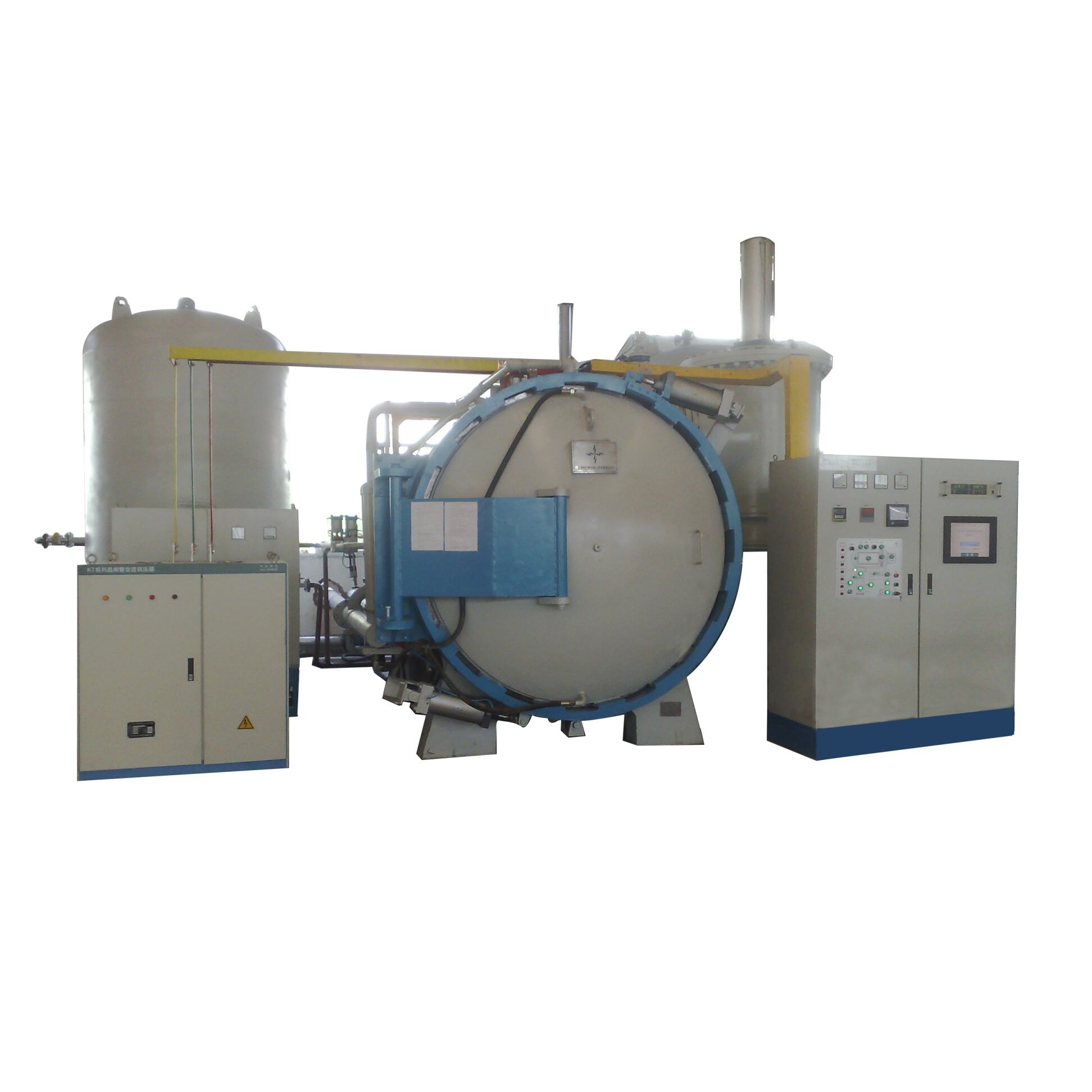
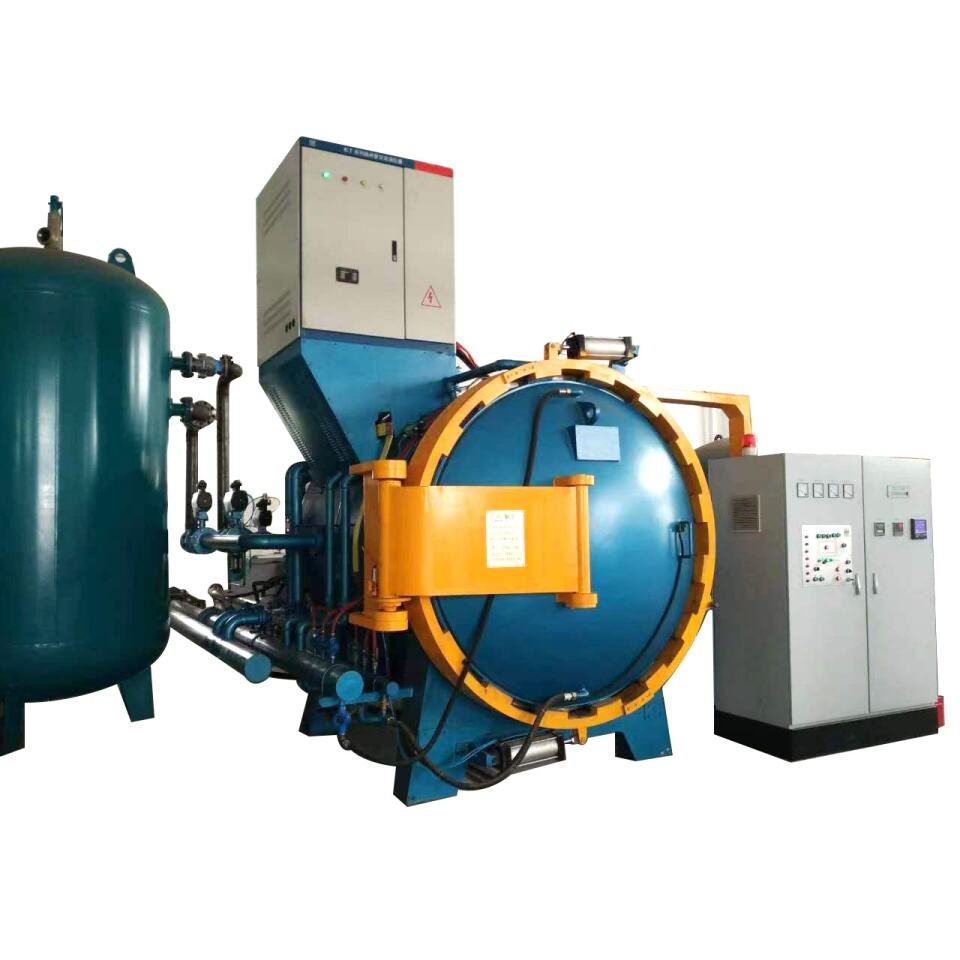
Durable Vacuum Gas Quenching Furnace: Advanced Heat Treatment Solutions for Precision Manufacturing

All Categories

Get a Free Quote

Our representative will contact you soon.
Email
Name
Company Name
Message
0/1000

durable vacuum gas quenching furnace

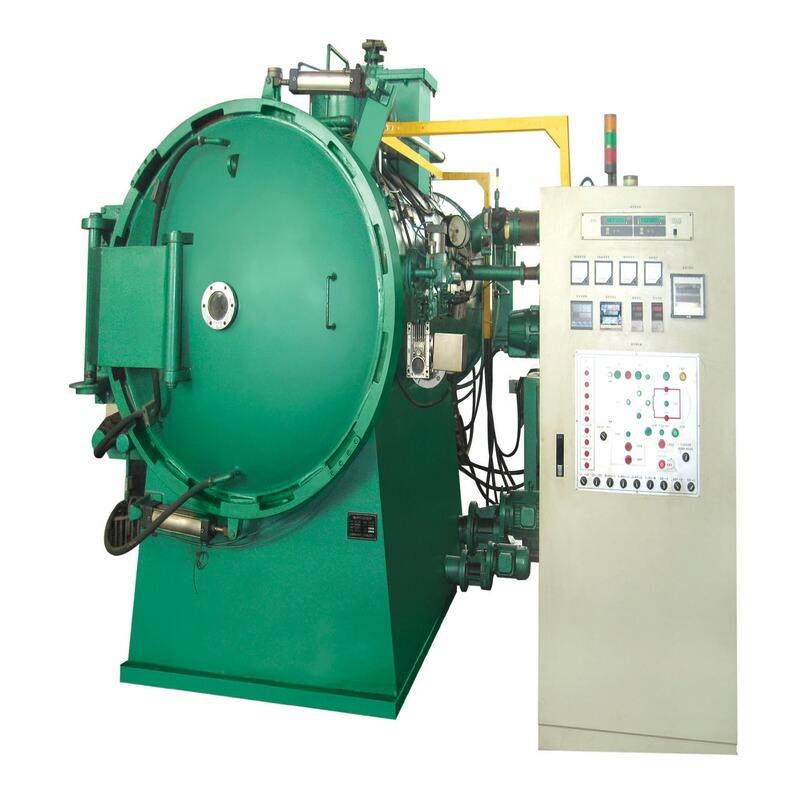
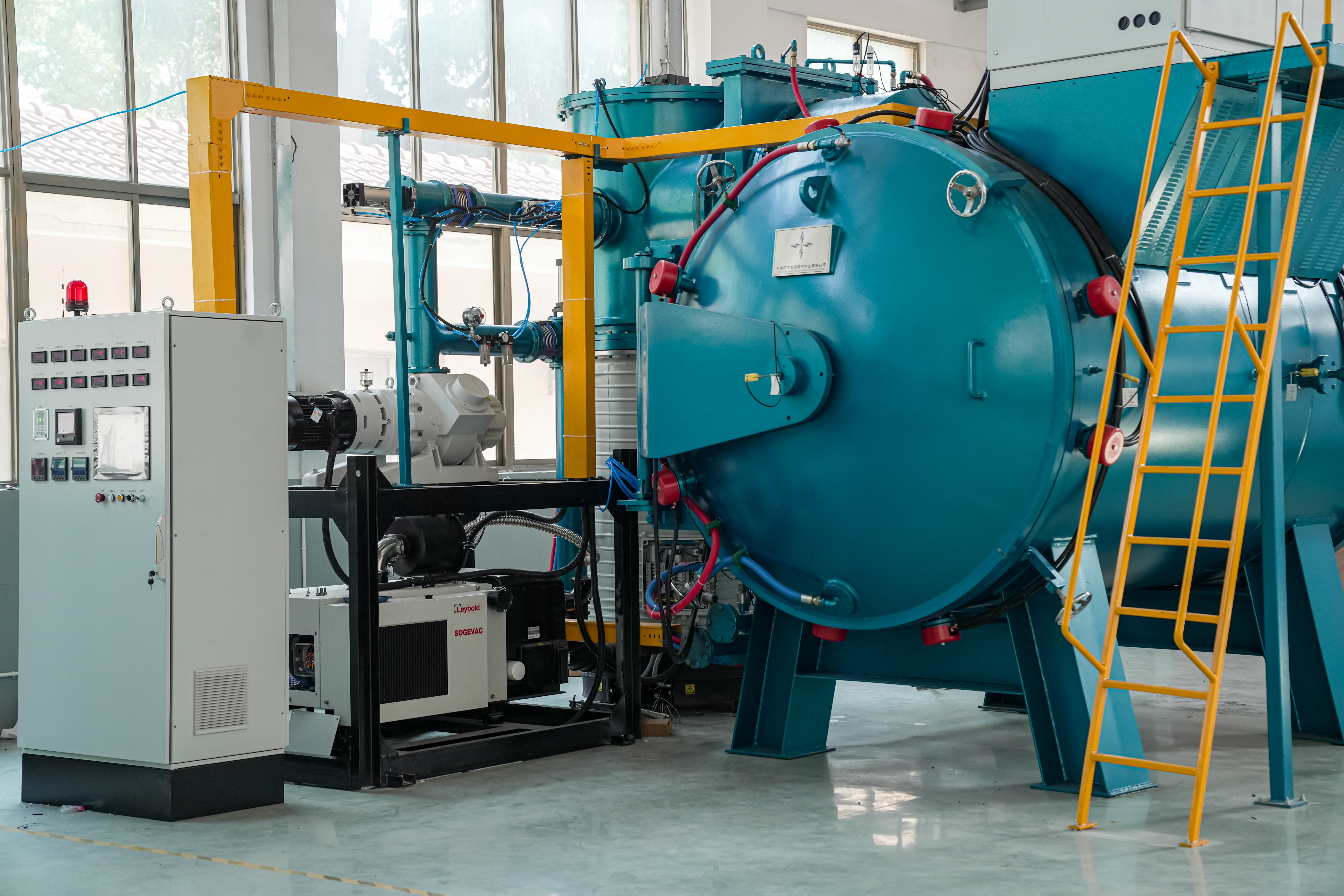
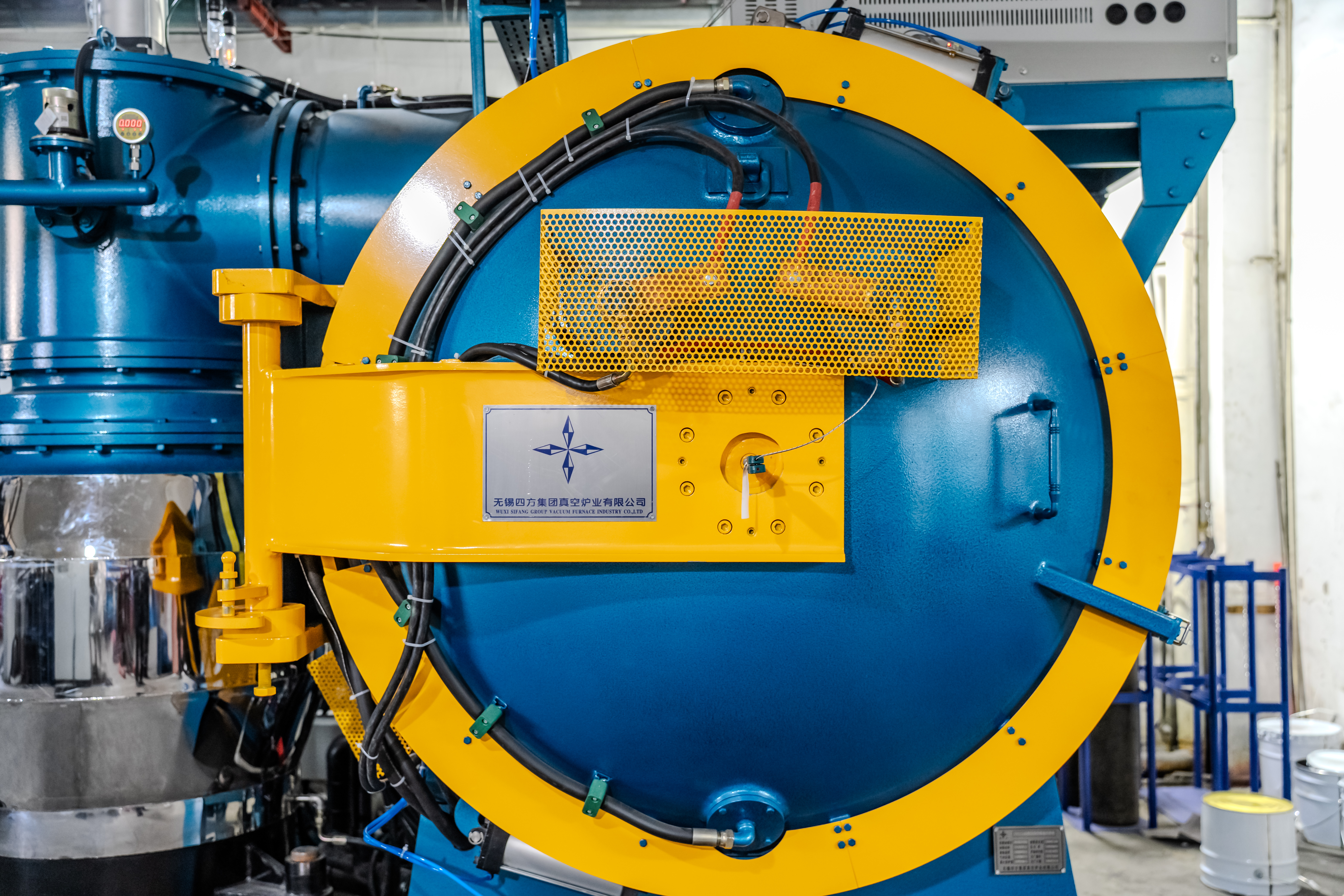
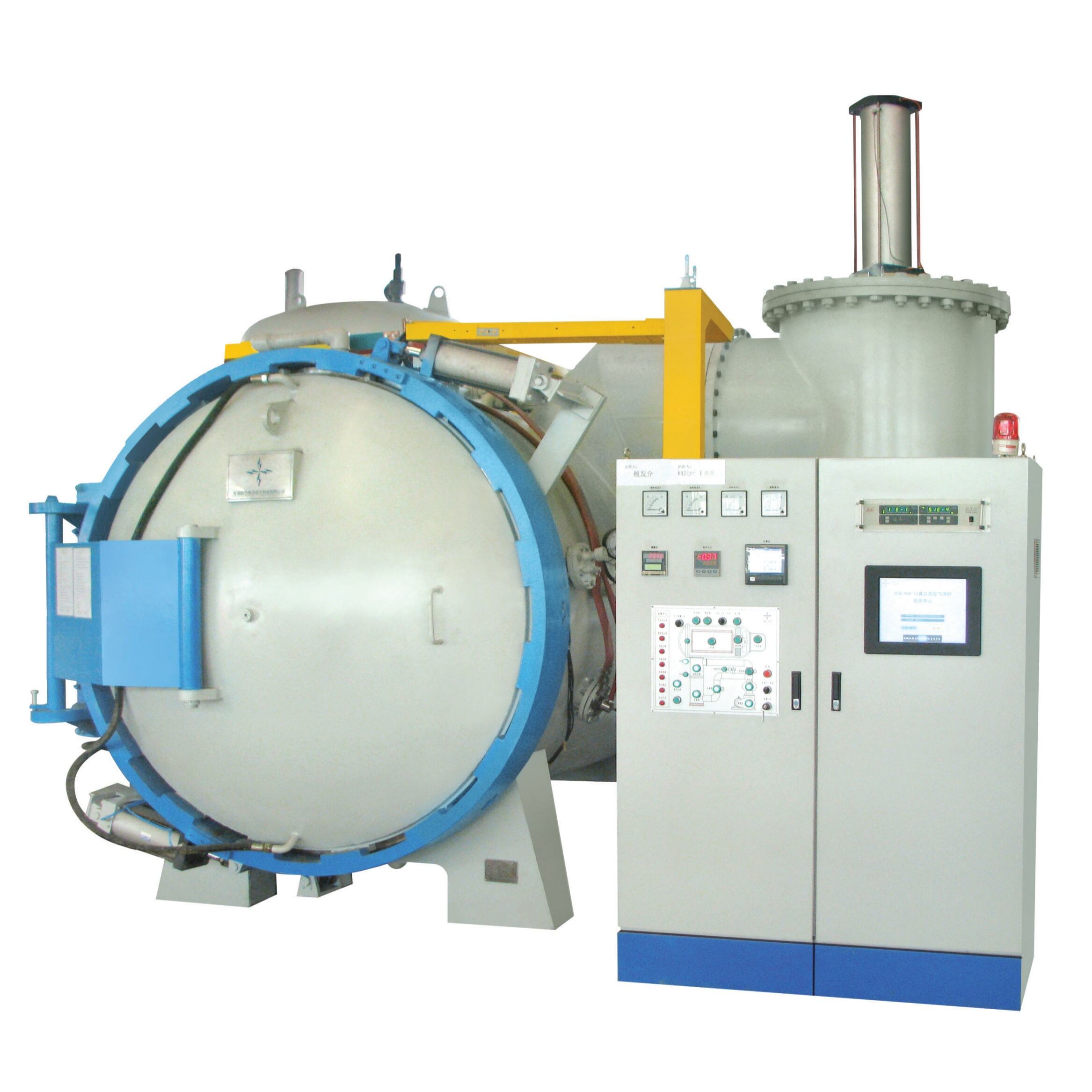
The durable vacuum gas quenching furnace represents a cutting-edge thermal processing solution designed for precision heat treatment of high-performance materials. This advanced furnace system operates within a controlled vacuum environment, utilizing specialized gas quenching technology to achieve superior metallurgical results. The primary function of the durable vacuum gas quenching furnace involves heating materials to specific temperatures before rapidly cooling them with pressurized gases, creating optimal microstructures and mechanical properties. The technological architecture incorporates sophisticated vacuum pumping systems, precise temperature control mechanisms, and high-pressure gas delivery networks. These furnaces excel in processing tool steels, aerospace alloys, automotive components, and precision instruments that demand exceptional quality standards. The vacuum environment eliminates oxidation and decarburization concerns while ensuring uniform heating throughout the workload. Gas quenching provides controlled cooling rates that prevent distortion and cracking commonly associated with traditional liquid quenching methods. Temperature uniformity across the heating chamber reaches exceptional levels, typically within plus or minus five degrees Celsius. The durable vacuum gas quenching furnace features automated process control systems that monitor and adjust parameters in real-time. These systems include programmable logic controllers, data logging capabilities, and remote monitoring options. The furnace construction utilizes high-grade refractory materials and advanced insulation systems to maximize energy efficiency and operational longevity. Multi-zone heating elements ensure precise temperature distribution while minimizing energy consumption. Applications span across aerospace manufacturing, automotive production, tool making, medical device fabrication, and precision engineering sectors. The versatility of the durable vacuum gas quenching furnace makes it suitable for processing various materials including carbon steels, alloy steels, stainless steels, superalloys, and titanium-based materials.

New Product Releases

The durable vacuum gas quenching furnace delivers numerous practical benefits that directly impact manufacturing efficiency and product quality. First, the vacuum environment completely eliminates surface oxidation during heating cycles, resulting in bright, clean surfaces that require minimal post-processing. This characteristic reduces material waste and labor costs associated with surface finishing operations. The controlled atmosphere also prevents decarburization, maintaining surface carbon content crucial for hardness and wear resistance. Second, gas quenching technology provides superior dimensional stability compared to traditional oil or water quenching methods. The uniform cooling rates minimize thermal stress and reduce part distortion, leading to higher yield rates and reduced machining allowances. Manufacturers experience significant cost savings through improved first-pass quality and reduced scrap rates. Third, the durable vacuum gas quenching furnace offers exceptional process repeatability and consistency. Automated control systems maintain precise temperature profiles and cooling rates, ensuring identical results batch after batch. This reliability streamlines quality control procedures and reduces testing requirements. Fourth, energy efficiency represents a major operational advantage. Advanced insulation systems and heat recovery mechanisms reduce energy consumption by up to thirty percent compared to conventional furnaces. Lower operating costs translate directly into improved profit margins. Fifth, the versatility of gas selection allows optimization for specific materials and applications. Nitrogen, argon, and helium gases provide different cooling characteristics, enabling manufacturers to tailor processes for optimal results. Sixth, maintenance requirements remain minimal due to the absence of quenchant contamination and reduced component wear. The clean operating environment extends equipment life and reduces downtime. Seventh, environmental benefits include elimination of hazardous quenchant disposal and reduced emissions. The closed-loop gas system recycles quenching media, minimizing waste and environmental impact. Eighth, operator safety improves significantly through elimination of flammable quenchants and reduced handling of hazardous materials. The automated systems minimize human intervention during high-temperature operations. Finally, the durable vacuum gas quenching furnace supports advanced metallurgical processes that would be impossible with conventional equipment, opening new opportunities for material development and product innovation.

Latest News

What Makes a Metal Barrel Suitable for High-Temperature Applications?

26

Dec

What Makes a Metal Barrel Suitable for High-Temperature Applications?

Industrial applications requiring extreme heat resistance demand specialized equipment that can withstand temperatures often exceeding 1000°C. Metal barrels and chambers used in these high-temperature environments must possess exceptional thermal...
View More
Why Do Inner Coating Steel Drums Provide Better Protection for Sensitive Materials?

23

Jan

Why Do Inner Coating Steel Drums Provide Better Protection for Sensitive Materials?

The protection of sensitive materials during storage and transportation has become increasingly critical in today's industrial landscape. Industries handling chemicals, pharmaceuticals, and specialty materials require containers that offer superior p...
View More
How Does a Vacuum Brazing Furnace Improve the Strength of Metal Joints?

25

Feb

How Does a Vacuum Brazing Furnace Improve the Strength of Metal Joints?

Metal joining technologies have evolved significantly over the decades, with brazing standing out as one of the most reliable methods for creating strong, permanent connections between dissimilar materials. The advent of vacuum brazing furnace techno...
View More
Why Is a Vacuum Brazing Furnace Critical for High-Precision Component Manufacturing?

25

Feb

Why Is a Vacuum Brazing Furnace Critical for High-Precision Component Manufacturing?

High-precision component manufacturing demands exceptional joining techniques that maintain material integrity while delivering reliable, leak-proof connections. A vacuum brazing furnace represents the pinnacle of advanced thermal processing technolo...
View More

Get a Free Quote

Our representative will contact you soon.
Email
Name
Company Name
Message
0/1000

durable vacuum gas quenching furnace

Advanced Vacuum Technology for Superior Material Properties

Advanced Vacuum Technology for Superior Material Properties

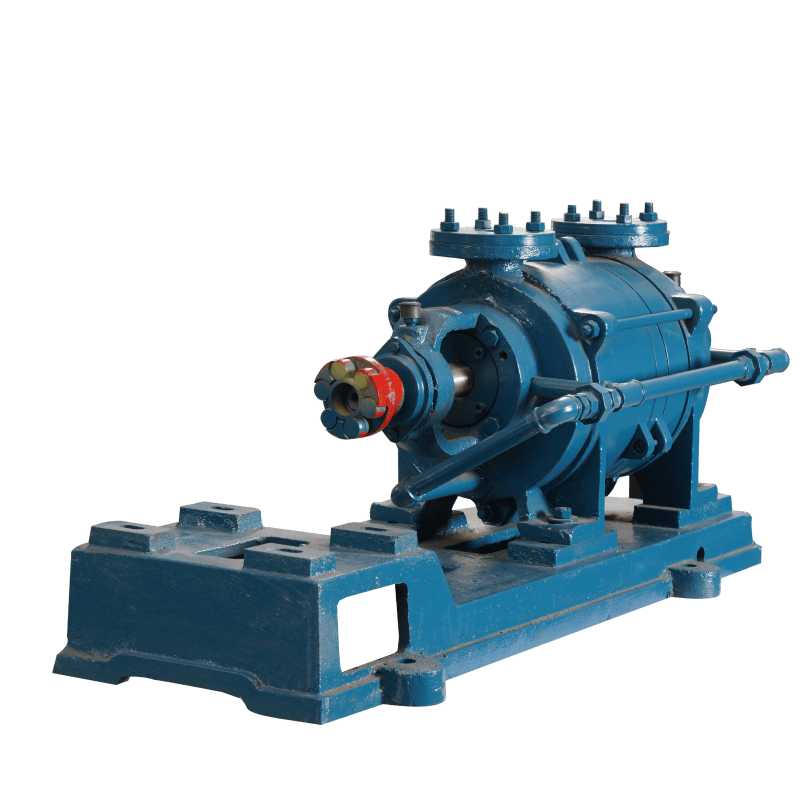
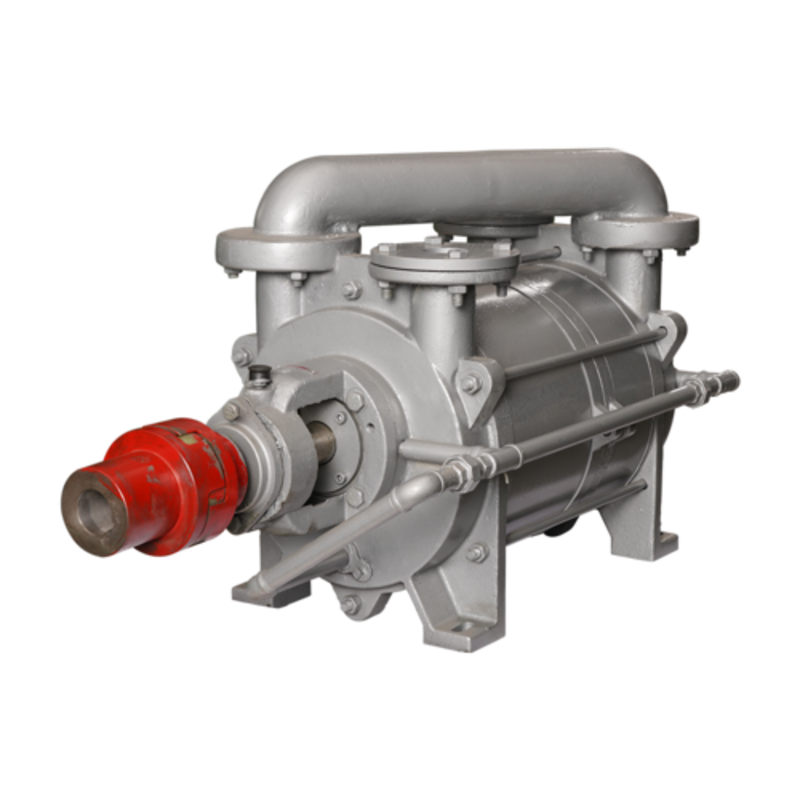
The durable vacuum gas quenching furnace incorporates state-of-the-art vacuum technology that fundamentally transforms the heat treatment process. This advanced system creates an oxygen-free environment by evacuating air to extremely low pressure levels, typically achieving vacuums better than one torr. The absence of oxygen prevents oxidation reactions that would otherwise compromise surface quality and dimensional accuracy. This protective atmosphere ensures that components emerge from the furnace with pristine surfaces that maintain their original specifications without additional processing steps. The vacuum environment also eliminates decarburization, a common problem in conventional furnaces where surface carbon is lost through oxidation reactions. Maintaining surface carbon content is critical for achieving desired hardness levels and wear resistance properties. The durable vacuum gas quenching furnace preserves the complete carbon profile throughout the component, ensuring uniform mechanical properties from surface to core. Furthermore, the vacuum system enables precise atmosphere control, allowing introduction of specific gases for enhanced metallurgical outcomes. Inert gases like argon provide chemically neutral environments, while reducing gases can actively improve surface conditions. The controlled atmosphere capability extends beyond simple protection, enabling advanced processes like solution annealing and precipitation hardening that require specific atmospheric conditions. The vacuum pumping system itself represents sophisticated engineering, incorporating multiple pumping stages to achieve and maintain ultra-high vacuum levels. Rotary vane pumps provide initial evacuation, while roots blowers and diffusion pumps achieve final vacuum levels. This multi-stage approach ensures rapid pumpdown times and stable operating conditions. Temperature uniformity within the vacuum chamber reaches exceptional levels due to the absence of convective heat transfer variations caused by atmospheric pressure fluctuations. Radiant heating becomes the primary heat transfer mechanism, providing more uniform and predictable temperature distribution. This uniformity translates directly into consistent metallurgical results across entire production batches, reducing quality variations and improving process reliability for manufacturers using the durable vacuum gas quenching furnace.
High-Pressure Gas Quenching for Optimal Cooling Control

High-Pressure Gas Quenching for Optimal Cooling Control

The high-pressure gas quenching system represents the cornerstone technology of the durable vacuum gas quenching furnace, providing unprecedented control over cooling rates and thermal gradients. This innovative approach replaces traditional liquid quenchants with pressurized inert gases, typically nitrogen or argon, delivered at pressures ranging from one to twenty bar. The gas quenching process offers several critical advantages over conventional liquid quenching methods. First, the cooling rate can be precisely controlled by adjusting gas pressure, flow velocity, and temperature, allowing optimization for specific materials and component geometries. This level of control enables manufacturers to achieve target microstructures while minimizing distortion and internal stress formation. The uniform gas flow patterns ensure consistent cooling across complex geometries, eliminating the hot spots and cold zones common in liquid quenching applications. Second, the absence of vapor blanket formation, which occurs with liquid quenchants, ensures continuous heat extraction throughout the cooling cycle. Liquid quenchants often create vapor barriers that impede heat transfer, leading to uneven cooling and potential cracking. Gas quenching maintains steady heat extraction rates, producing more predictable and reliable results. Third, the durable vacuum gas quenching furnace allows for interrupted quenching processes where cooling can be halted at specific temperatures for isothermal holding periods. This capability enables advanced heat treatment cycles like austempering and martempering that produce superior mechanical properties. The gas circulation system incorporates powerful fans and heat exchangers that maintain temperature control throughout the quenching process. These components ensure rapid initial cooling when maximum quench severity is required, followed by controlled cooling rates to minimize distortion. The heat exchangers also enable gas temperature regulation, allowing warm gas quenching for materials sensitive to thermal shock. Additionally, the gas quenching system offers complete flexibility in quenchant selection, with different gases providing varying cooling characteristics. Helium provides the most rapid cooling rates, while nitrogen offers excellent balance between cooling speed and cost-effectiveness. This flexibility allows the durable vacuum gas quenching furnace to accommodate diverse material requirements within a single system, maximizing equipment utilization and return on investment for manufacturing operations.
Automated Process Control for Consistent Quality and Efficiency

Automated Process Control for Consistent Quality and Efficiency

The automated process control system integrated into the durable vacuum gas quenching furnace represents a sophisticated blend of hardware and software technologies designed to deliver consistent results while maximizing operational efficiency. This comprehensive control platform manages every aspect of the heat treatment cycle, from initial heating through final cooling, ensuring reproducible outcomes that meet stringent quality requirements. The control system architecture incorporates industrial-grade programmable logic controllers (PLCs) that execute complex algorithms for temperature regulation, vacuum control, and gas flow management. These controllers process inputs from multiple sensors positioned throughout the furnace, including thermocouples, pressure transducers, and flow meters, creating a complete picture of process conditions. Real-time data processing enables immediate response to process deviations, maintaining parameters within narrow tolerances that ensure metallurgical consistency. The human-machine interface (HMI) provides intuitive operation through touchscreen displays that present process information in easily understood formats. Operators can monitor temperature profiles, vacuum levels, and cooling rates through graphical displays that highlight critical parameters and alert personnel to any abnormal conditions. Recipe management capabilities allow storage and recall of proven process parameters, eliminating setup variations between production runs. This standardization is crucial for maintaining quality consistency and reducing operator-induced variability. Data logging functions capture detailed records of every heat treatment cycle, creating comprehensive documentation for quality assurance and process optimization. Historical data analysis identifies trends and potential improvements, supporting continuous improvement initiatives. The logged data also provides traceability for critical applications where complete process documentation is required. Remote monitoring capabilities extend control beyond the immediate furnace location, allowing supervision from central control rooms or even off-site locations. This connectivity enables rapid response to process alarms and reduces the need for constant operator presence. Predictive maintenance algorithms analyze equipment performance data to identify potential issues before they impact production, minimizing unplanned downtime and maintenance costs. The automated control system also integrates with enterprise resource planning (ERP) systems, enabling seamless data flow between production scheduling, quality management, and maintenance planning functions. This integration supports lean manufacturing principles by optimizing equipment utilization and reducing waste. The durable vacuum gas quenching furnace control system represents a significant advancement in heat treatment automation, delivering the consistency and reliability demanded by modern manufacturing operations.

Get a Free Quote

Our representative will contact you soon.
Email
Name
Company Name
Message
0/1000