
 EN
EN
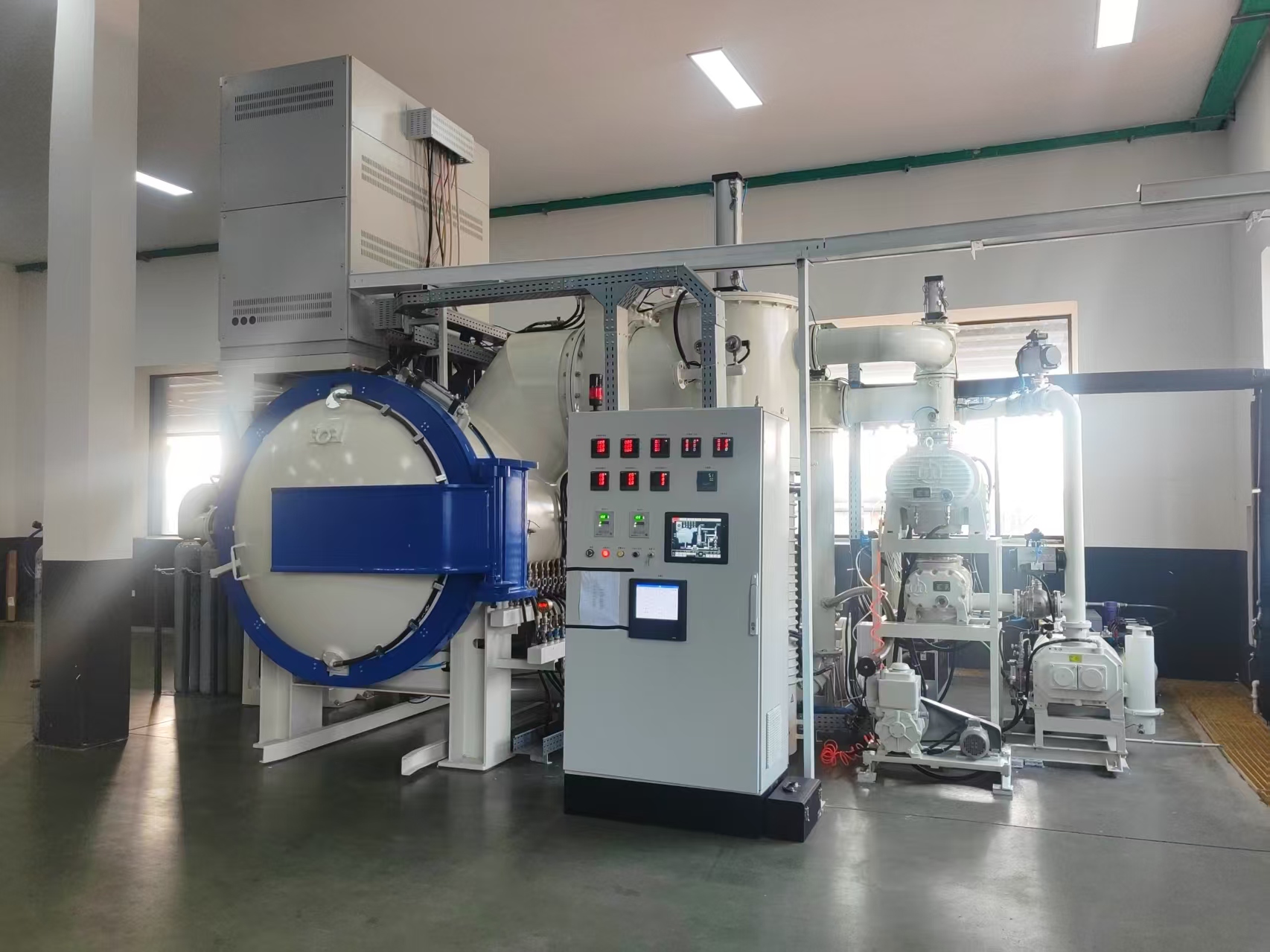
Գործընթացի աղտոտումը արդյունաբերական գործողությունների ընթացքում հանդիսանում է կարևոր մարտահրավեր, որն ազդում է արտադրանքի որակի, շահագործման արդյունավետության և կարգավորող պահանջների կատարման վրա: Ջրային օղակի վակուում բամբեր վակուումային պոմպը ապացուցված լուծում է աղտոտման ռիսկերի նվազեցման համար՝ իր յուրահատուկ սեղմման մեխանիզմի և շահագործման բնութագրերի շնորհիվ: Այս տեխնոլոգիան ստեղծում է աղտոտման արգելափակիչ, որը կանխում է գործընթացի հեղուկների խառնվելը մթնոլորտային օդի հետ՝ միաժամանակ պահպանելով ճշգրիտ վակուումի մակարդակը, որը անհրաժեշտ է զգայուն արտադրական գործընթացների համար:
Ջրային օղակի վակուումային պոմպի գործողության սկզբունքների և աղտոտման կանխարգելման մեխանիզմների ուսումնասիրությունը թույլ է տալիս հասկանալ, թե ինչպես է այն նվազեցնում գործընթացի աղտոտումը: Չի նմանվում չոր վակուումային համակարգերին, որոնք հիմնված են մեխանիկական ամրացումների վրա՝ որոնք մաշվելու և հեղուկի արտահոսման են ենթակա, այս տիպի պոմպերը հեղուկն օգտագործում են որպես ամրացման միջոց և ջերմության փոխանցման միջոց: Ջրային օղակի ձևավորումը ստեղծում է մի քանի այն կետեր, որտեղ կանխվում է գործընթացի հոսանքների միջև խառնվելը՝ միաժամանակ ապահովելով վակուումի հուսալի աշխատանքը ծանր արդյունաբերական պայմաններում:
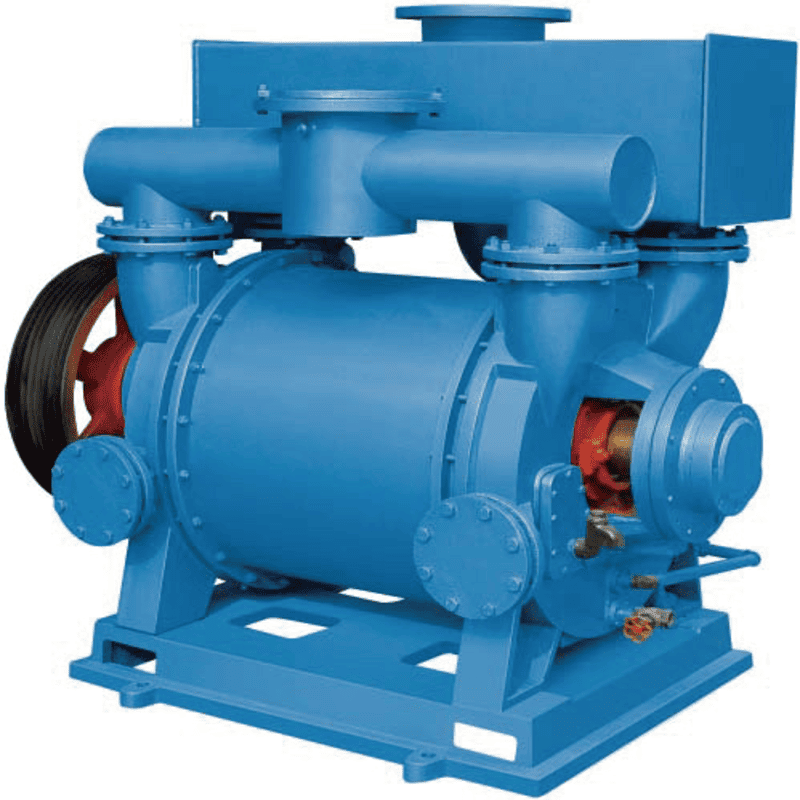
Աղտոտման կանխարգելման մեխանիզմներ
Հեղուկի օղակի ամրացման տեխնոլոգիա
Ջրային օղակի վակուումային պոմպը օգտագործում է պտտվող իմպելլեր էկսցենտրիկ համարձակումում, որը լցված է սեռափակման հեղուկով, սովորաբար ջրով: Իմպելլերի պտտման ժամանակ ցենտրաձիգ ուժը ստեղծում է հեղուկի օղակ, որը ձևավորում է սեղմման խցեր՝ տարբեր ծավալներով: Այս հեղուկի օղակը ծառայում է որպես դինամիկ սեռափակում, որը կանխում է գործընթացի գազերի շփումը պոմպի մասերի հետ կամ դրանց մթնոլորտ ներխուժելը: Հեղուկի անընդհատ արգելափակիչ շերտը վերացնում է այն հնարավոր աղտոտման ճանապարհները, որոնք գոյություն ունեն չոր վակուումային համակարգերում, որտեղ մեխանիկական սեռափակիչները ժամանակի ընթացքում կարող են վատանալ:
Սեռափակման հեղուկը անընդհատ կլանում է սեղմման ընթացքում առաջացած ջերմությունը՝ միաժամանակ պահպանելով հաստատուն արգելափակիչ հատկություններ: Այս ջերմային կառավարման հնարավորությունը կանխում է տաք կետերի առաջացումը, որոնք կարող են վտանգել սեռափակման ամբողջականությունը և ստեղծել աղտոտման ներխուժման կետեր: ջրային օղակային վակուոմ բացարձակում դիզայնը ապահովում է, որ գործընթացի հեղուկները ամբողջ վակուումային ցիկլի ընթացքում մնան առանձնացված արտաքին մթնոլորտից, ինչը պահպանում է արտադրանքի մաքրության ստանդարտները՝ որոնք կարևոր են դեղագործական, սննդի մշակման և քիմիական արտադրության կիրառումների համար:
Գործընթացի հոսքի առանձնացում
Գործընթացի հոսքի առանձնացումը ներկայացնում է մեկ այլ կարևոր աղտոտման նվազեցման մեխանիզմ, որը բնորոշ է ջրային օղակավոր վակուումային պոմպերի աշխատանքին: Հեղուկ օղակը ստեղծում է մի քանի սեղմման խցիկներ, որոնք մշակում են գործընթացի գազերը առանձին ծավալներով, այդ կերպ կանխելով տարբեր գործընթացի հոսքերի խառնվելը, երբ օգտագործվում են մի քանի մուտքային միացումներ: Այս բաժանման էֆեկտը պահպանում է քիմիական առանձնացումը՝ նույնիսկ երբ միաժամանակ մշակվում են տարբեր գործընթացի հեղուկներ, ինչը նվազեցնում է խաչային աղտոտման ռիսկը, որը կարող է վնասել արտադրանքի սպեցիֆիկացիաները:
Իзолացիայի հնարավորությունը տարածվում է նաև համակարգի անջատման կամ էլեկտրական մատակարարման ընդհատման ժամանակ հետադարձ հոսքի առաջացած աղտոտման կանխման վրա: Ջրային օղակի վակուումային պոմպը պահպանում է հեղուկ սեղման ամբողջականությունը նաև ստատիկ պայմաններում, ինչը կանխում է մթնոլորտային օդի ներթափանցումը գործընթացային ամաններ և աղտոտիչների ներմուծումը: Այս պասսիվ պաշտպանության մեխանիզմը երաշխավորում է գործընթացի ամբողջականությունը սպասարկման գործողությունների կամ ավտոմատ անջատման ժամանակ, երբ ակտիվ վակուումի ստեղծումը դադարում է, սակայն աղտոտման կանխումը մնում է անհրաժեշտ արտադրանքի որակի պահպանման համար:
Էքսպլուատացիայի առավելությունները աղտոտման վերահսկման համար
Շարունակական ինքնամաքրման գործողություն
Ջրային օղակի վակուումային պոմպը ներառում է ներքին ինքնամաքրման մեխանիզմներ, որոնք շարունակաբար հեռացնում են հնարավոր աղտոտիչները պոմպավորման սենյակից: Շրջանառվող սեռափակման հեղուկը հեռացնում է մասնիկները, խտացումները և գործընթացի մնացորդները, որոնք մտնում են պոմպավորվող գազերի հետ՝ կանխելով այն կուտակումը, որը կարող է առաջացնել աղտոտման աղբյուրներ հաջորդ շահագործման ցիկլերում: Այս շարունակական մաքրման գործողությունը պահպանում է պոմպի մաքրությունը՝ առանց հաճախակի վերահավաքման կամ արտադրության գրաֆիկը ընդհատող քիմիական մաքրման ընթացակարգերի կարիքի:
Ինքնամաքրման հնարավորությունը հատկապես արժեքավոր է այն գործընթացների մշակման ժամանակ, որոնք առաջացնում են մասնիկներ կամ խտացվող գոլորշիներ: Ջրային օղակի վակուումային պոմպը արդյունավետորեն կառավարում է այս բարդ պայմանները՝ պահպանելով աղտոտման վերահսկման ստանդարտները: Ամբարձիչ հեղուկը հանդես է գալիս որպես մաքրման միջոց, որը վերացնում է աղտոտիչները՝ մինչև դրանք նստեն ներքին մակերևույթների վրա, ապահովելով հաստատուն աշխատանքային ցուցանիշներ և կանխելով աղտոտման կուտակումը, որը վտանգում է երկարաժամկետ հուսալիությունը զգայուն կիրառումներում:
Ջերմաստիճանի վերահսկման առավելություններ
Ջրային օղակի վակուումային պոմպի ջերմաստիճանի կառավարման հնարավորությունները կարևոր դեր են խաղում աղտոտման նվազեցման գործում՝ կանխելով գործընթացի հեղուկների ջերմային քայքայումը և նվազեցնելով այն գոլորշիների առաջացումը, որոնք կարող են տեղափոխել աղտոտիչներ: Ամրացման հեղուկը ապահովում է անընդհատ սառեցում, որը պահպանում է գործընթացի ջերմաստիճանները թույլատրելի սահմաններում, կանխելով զգայուն միացությունների ջերմային քայքայումը, որոնք կարող են առաջացնել աղտոտող լրատեսակներ կամ փոխել արտադրանքի բնութագրերը:
Կարգավորվող աշխատանքային ջերմաստիճանները նաև կանխում են չափազանց շատ գոլորշու առաջացումը, որը կարող է աղտոտիչներ տեղափոխել գործընթացային տարածքների միջև կամ խտացման խնդիրներ ստեղծել ներքևի հոսանքի սարքավորումներում: Ջրային օղակաձև վակուումային պոմպը պահպանում է կայուն ջերմային պայմաններ, որոնք նպաստում են աղտոտվածության վերահսկման նպատակներին՝ միաժամանակ պահպանելով արտադրանքի ամբողջականությունը վակուումային գործընթացի ողջ ընթացքում: Այս ջերմաստիճանային կայունությունը կարևոր է դեղագործական և սննդի վերամշակման կիրառությունների համար, որտեղ ջերմային տատանումները կարող են վտանգել արտադրանքի անվտանգությունը և կարգավորող մարմինների համապատասխանության պահանջները:
Կիրառման հատուկ աղտոտման նվազեցում
Դեղագործական արտադրության պաշտպանություն
Դեղագործական արտադրությունը պահանջում է առավել խիստ աղտոտման վերահսկման ստանդարտներ, որոնք ջրային օղակի վակուումային պոմպը հաջողությամբ բավարարում է՝ օգտագործելով մի շարք պաշտպանության մեխանիզմներ: Կնքված հեղուկի օղակը կանխում է տարբեր դեղամիջոցների միջև խաչաձև աղտոտումը սերիայի մշակման ընթացքում՝ միաժամանակ պահպանելով դեղագործական արտադրության համար անհրաժեշտ ստերիլ պայմանները: Պոմպի կառուցվածքը բացառում է գործընթացի նյութերի և մեխանիկական բաղադրիչների ուղիղ շփումը, ինչը նվազեցնում է մասնիկների առաջացման և մետաղական աղտոտման ռիսկերը, որոնք կարող են վտանգել դեղամիջոցների մաքրության ստանդարտները:
Ջրային օղակի վակուումային պոմպը աջակցում է դեղագործական աղտոտման վերահսկմանը՝ ապահովելով հուսալի աշխատանք սարքավորումների մաքրման վալիդացման պրոտոկոլների շրջանակներում, որոնք պահանջվում են կարգավորող մարմինների կողմից: Պոմպը պահպանում է հաստատուն վակուումի մակարդակը մաքրման ցիկլերի ընթացքում՝ միաժամանակ կանխելով մաքրման լուծույթի աղտոտումը հաջորդ արտադրանքի բազմացումներում: Այս շահագործման հուսալիությունը ապահովում է խիստ դեղագործական արտադրության ուղեցույցներին համապատասխանությունը, որոնք պահանջում են ապացուցված աղտոտման կանխարգելում ամբողջ արտադրական փուլերում, ներառյալ մաքրման և արտադրանքի փոխարինման գործողությունները:
Սննդամթերքի մշակման անվտանգություն
Սննդամթերքի մշակման կիրառումները շահագործում են ջրային օղակի վակուումային պոմպի աղտոտման նվազեցման առավելությունները՝ կանխելով բակտերիաների աճը և օտար նյութերի ներմուծումը վակուումային գործողությունների ընթացքում: Շարունակական հեղուկի շրջանառությունը ստեղծում է բակտերիաների բազմացման համար ոչ բարենպաստ միջավայր՝ միաժամանակ վերացնելով հնարավոր աղտոտման աղբյուրները՝ նախքան դրանց ազդելը սննդամթերքի վրա: ապրանքներ պոմպի կառուցվածքը թույլ է տալիս իրականացնել սննդամթերքի անվտանգության պահանջներին համապատասխան հիմնավորված մաքրման և սանիտարական մշակման ընթացակարգեր՝ առանց վակուումի աշխատանքային ցուցանիշների վատացման կամ թաքնված աղտոտման աղբյուրների ստեղծման։
Ջրային օղակի վակուումային պոմպը կանխում է յուղի աղտոտումը, որը բնորոշ է չոր վակուումային համակարգերին, որոնք օգտագործում են յուղավորված մասեր, և այդ կերպ վերացնում է սննդամթերքի անվտանգության մեծ ռիսկ։ Յուղազուրկ աշխատանքը երաշխավորում է, որ սննդամթերքի արտադրանքները պահպանում են իրենց սկզբնական համային պրոֆիլները և համապատասխանում են աղտոտիչներից ազատ մշակման կարգավորող ստանդարտներին։ Այս աղտոտման կանխարգելման հնարավորությունը կարևորագույնն է զգայուն սննդամթերքի կիրառումների համար, որտեղ նույնիսկ հետքային աղտոտումը կարող է վտանգի ենթարկել արտադրանքի անվտանգությունը և բրենդի հեղինակությունը մրցակցային շուկաներում։
Սպասարկում և երկարաժամկետ աղտոտման կանխարգելում
Պրոֆիլակտիկ fontStyle-ի protocols
Ջրային օղակի վակուումային պոմպերի համակարգերի արդյունավետ աղտոտման կանխարգելումը պահանջում է համակարգային կանխարգելիչ սպասարկման պրոտոկոլներ, որոնք պահպանում են սեռափոխման հեղուկի որակը և պոմպի բաղադրիչների մաքրությունը: Սեռափոխման հեղուկի պարբերաբար փոխարինումը վերացնում է կուտակված աղտոտիչները՝ միաժամանակ ապահովելով օպտիմալ ջերմափոխանակություն և սեռափոխման աշխատանքի արդյունավետություն: Սպասարկման գրաֆիկը պետք է հաշվի առնի գործընթացի պայմանները և աղտոտման ազդեցության մակարդակը՝ երկարատև շահագործման ընթացքում արդյունավետ պաշտպանությունն ապահովելու համար:
Կանխարգելիչ սպասարկումը ներառում է սեռափողի հերթական փորձարկումների միջոցով սեռափողի հեղուկի որակի վերահսկումը՝ աղտոտման մակարդակների, pH հավասարակշռության և պոմպի աշխատանքի վրա ազդող ջերմային հատկությունների ստուգմամբ: Ջրային օղակի վակուումային պոմպը շահում է այն ակտիվ սպասարկումից, որը ժամանակին նույնացնում է հնարավոր աղտոտման աղբյուրները՝ մինչև դրանք վնասեն գործընթացի ամբողջականությունը: Այս համակարգային մոտեցումը ապահովում է աղտոտման կանխարգելման համասեռ արդյունքները՝ միաժամանակ երկարելով սարքավորման ծառայության ժամկետը և նվազեցնելով անսպասելի կանգավորումները, որոնք կարող են գործընթացներին ենթարկել աղտոտման ռիսկի:
Համակարգի ինտեգրման համար հաշվի առնվող հանգամանքներ
Համակարգի ինտեգրման դիզայնը կարևոր ազդեցություն ունի ջրային օղակի վակուումային պոմպերի տեղադրման աղտոտման նվազեցման արդյունավետության վրա: Ճիշտ խողովակաշարի դիզայնը կանխում է աղտոտման տարածումը գործընթացի տարբեր հատվածների միջև՝ միաժամանակ ապահովելով համակարգի ամբողջ երկայնքով արդյունավետ վակուումի փոխանցումը: Ինտեգրումը ստիպված է հաշվի առնել հնարավոր աղտոտման ճանապարհները, այդ թվում՝ խտացման ջրի ջրահեռացումը, սեղման հեղուկի դուրսբերումը և վենտիլյացիոն գազերի մշակումը, որպեսզի ապահովվի համակարգի բոլոր բաղադրիչների վրա համապարփակ աղտոտման վերահսկումը:
Ինտեգրման պլանավորումը նախատեսված է կանխելու աղտոտումը սպասարկման գործողությունների ընթացքում՝ միացման փականների տեղադրման և շրջանցման համակարգերի միջոցով, որոնք պահպանում են գործընթացի պաշտպանությունը նաև պոմպի սպասարկման ժամանակ: Ջրային օղակի վակուումային պոմպի համակարգի նախագծումը պետք է հնարավորություն տա առանց աղտոտման սպասարկման ընթացակարգերի իրականացման և ապահովի սպասարկումից հետո արագ վերադարձը լիարժեք աղտոտման կանխարգելման հնարավորությանը: Այս ինտեգրման մոտեցումը աջակցում է անընդհատ աղտոտման վերահսկման նպատակներին, որոնք անհրաժեշտ են զգայուն արտադրական գործընթացների համար, որոնք չեն կարող թույլատրել աղտոտման ազդեցությունը սարքավորումների սպասարկման ընթացքում:
Հաճախակի տրվող հարցեր
Ինչպե՞ս է ջրային օղակի վակուումային պոմպը կանխում յուղի աղտոտումը զգայուն գործընթացներում:
Ջրային օղակի վակուումային պոմպը վերացնում է յուղի աղտոտումը՝ օգտագործելով ջուր կամ այլ համապատասխան հեղուկներ որպես սեռափակման միջոց, այլ ոչ թե յուղով քսվող մեխանիկական մասեր: Հեղուկ օղակը ստեղծում է բոլոր անհրաժեշտ սեռափակման և սեղմման ֆունկցիաները՝ առանց յուղի շփման գործընթացի գազերի հետ, ապահովելով յուղազուրկ շահագործում, որը անհրաժեշտ է սննդի մշակման, դեղագործական արտադրության և այլ կիրառումների համար, որտեղ յուղի աղտոտումը կվնասի արտադրանքի որակը կամ անվտանգության ստանդարտները:
Կարո՞ղ է ջրային օղակի վակուումային պոմպը մշակել կոռոզիոն ազդեցություն ունեցող գազեր՝ առանց աղտոտման խնդիրներ ստեղծելու:
Այո, ջրային օղակի վակուումային պոմպը կարող է անվտանգ մշակել քայքայիչ գազեր՝ ընտրելով համապատասխան կառուցվածքային նյութեր և սեռափակման հեղուկներ, որոնք դիմացող են քիմիական ազդեցությանը: Պոմպի կառուցվածքը քայքայիչ գազերը մեկուսացնում է հեղուկ օղակի ներսում, ինչը կանխում է դրանց շփումը համակարգի զգայուն բաղադրիչների հետ՝ միաժամանակ պահպանելով արդյունավետ աղտոտման կանխարգելումը: Սեռափակման հեղուկի պարբերաբար փոխարինումը հեռացնում է քայքայիչ միացությունները՝ մինչև դրանք կուտակվեն և հետագա շահագործման ցիկլերում աղտոտման աղբյուրներ դառնան:
Ի՞նչ սեռափակման հեղուկի այլընտրանքային տարատեսակներ կարող են բարելավել աղտոտման կանխարգելման արդյունավետությունը:
Տարբեր սեղմվող հեղուկների այլընտրանքային տարատեսակները բարելավում են աղտոտման կանխարգելումը՝ կախված կոնկրետ գործընթացի պահանջներից: Ընտրանքների շարքում են դեմիներալացված ջուրը՝ ուլտրամաքուր կիրառումների համար, գլիկոլային լուծույթները՝ բարելավված ջերմային հատկությունների համար և հատուկ գործընթացին համատեղելի հեղուկները՝ ուժեղացված քիմիական դիմացկունության համար: Սեղմվող հեղուկի ընտրությունը պետք է հավասարակշռի աղտոտման կանխարգելման նպատակները գործընթացի համատեղելիության, ջերմային կառավարման պահանջների և յուրաքանչյուր կիրառման համար բնորոշ շրջակա միջավայրի վերամշակման հարցերի միջև:
Ինչ հաճախականությամբ պետք է փոխել սեղմվող հեղուկը՝ աղտոտման կանխարգելման օպտիմալ մակարդակը պահպանելու համար:
Ամբողջական լիքվիդի փոխարինման հաճախականությունը կախված է գործընթացի աղտոտման մակարդակներից, շահագործման ջերմաստիճաններից և աղտոտման կանխարգելման պահանջներից: Պահանջվող կիրառումների համար սովորաբար փոխարինման ժամկետները տատանվում են շաբաթականից մինչև ամսական, իսկ պակաս կրիտիկական գործընթացներում այդ ժամկետները կարող են երկարացվել մինչև եռամսյակային փոխարինում: Ամբողջական լիքվիդի որակի կանոնավոր մոնիտորինգը՝ աղտոտման փորձարկումների, pH-ի չափման և ջերմային հատկությունների գնահատման միջոցով, ապահովում է ամենահուսալի ցուցանիշը նրա վերաբերյալ, թե երբ է անհրաժեշտ փոխարինումը՝ աղտոտման կանխարգելման արդյունավետ աշխատանքը պահպանելու համար:
Բովանդակության աղյուսակ
- Աղտոտման կանխարգելման մեխանիզմներ
- Էքսպլուատացիայի առավելությունները աղտոտման վերահսկման համար
- Կիրառման հատուկ աղտոտման նվազեցում
- Սպասարկում և երկարաժամկետ աղտոտման կանխարգելում
-
Հաճախակի տրվող հարցեր
- Ինչպե՞ս է ջրային օղակի վակուումային պոմպը կանխում յուղի աղտոտումը զգայուն գործընթացներում:
- Կարո՞ղ է ջրային օղակի վակուումային պոմպը մշակել կոռոզիոն ազդեցություն ունեցող գազեր՝ առանց աղտոտման խնդիրներ ստեղծելու:
- Ի՞նչ սեռափակման հեղուկի այլընտրանքային տարատեսակներ կարող են բարելավել աղտոտման կանխարգելման արդյունավետությունը:
- Ինչ հաճախականությամբ պետք է փոխել սեղմվող հեղուկը՝ աղտոտման կանխարգելման օպտիմալ մակարդակը պահպանելու համար:
