
 EN
EN
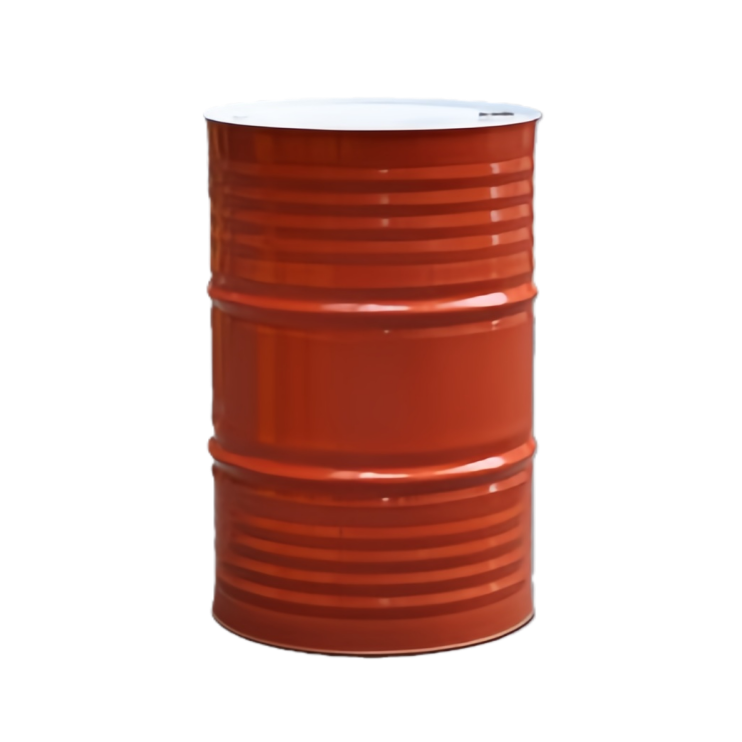
Industrial material storage presents numerous challenges that require robust, reliable solutions to ensure workplace safety and operational efficiency. Among the various storage options available, the metal barrel has emerged as a cornerstone of secure industrial storage systems. These containers offer exceptional durability, chemical resistance, and structural integrity that make them indispensable for handling hazardous materials, chemicals, and sensitive industrial products. Understanding how a metal barrel can enhance safety protocols is crucial for facility managers, safety coordinators, and industrial operations personnel who prioritize both worker protection and regulatory compliance.
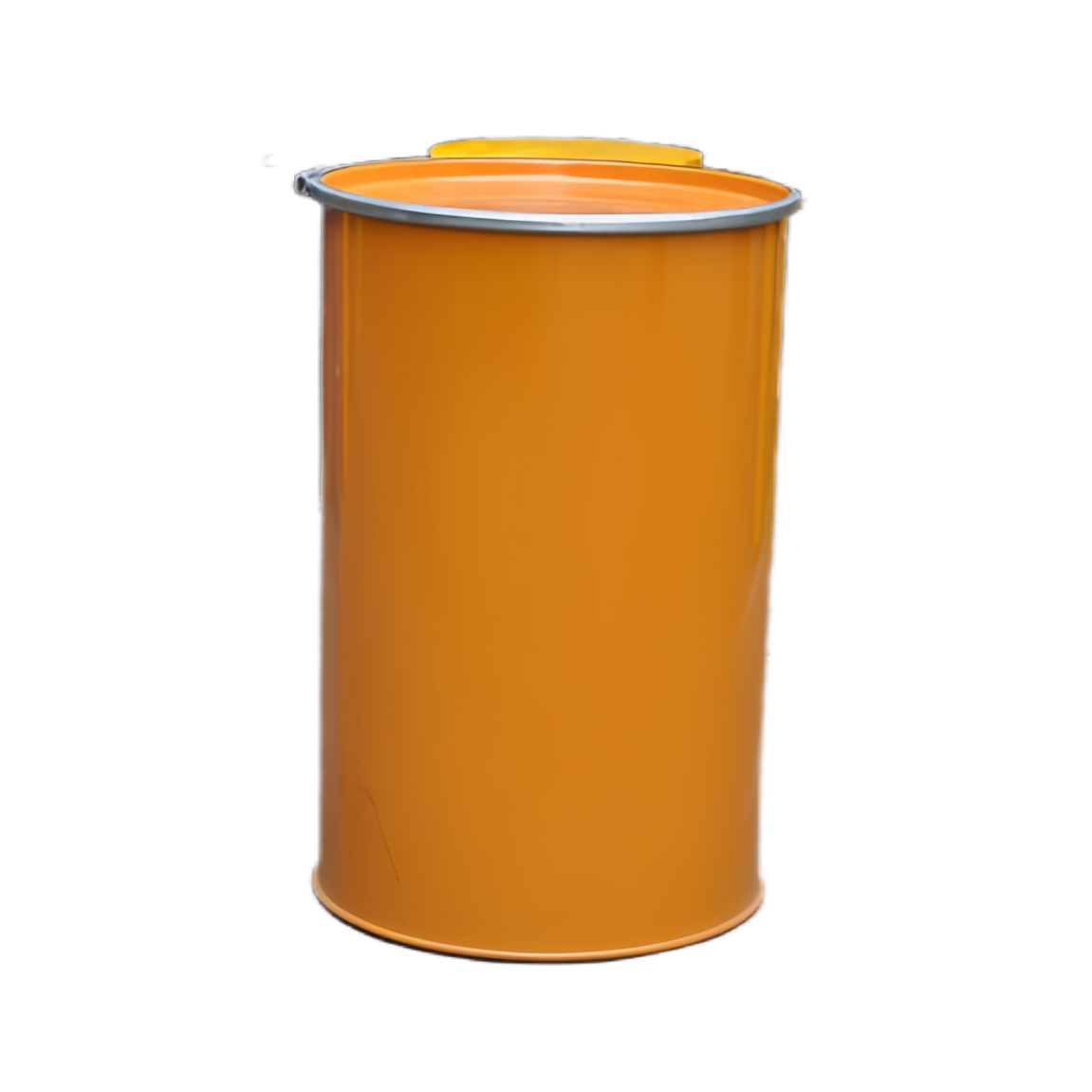
Structural Integrity and Durability Advantages
Superior Material Composition
The construction of a high-quality metal barrel utilizes premium steel materials that undergo rigorous testing to meet international safety standards. These containers feature reinforced sidewalls, seamless construction techniques, and corrosion-resistant coatings that prevent material degradation over extended periods. The steel composition provides exceptional resistance to impact, puncture, and deformation, making each metal barrel suitable for storing volatile substances that require maximum containment security. Advanced manufacturing processes ensure that every seam, joint, and closure point maintains structural integrity under various environmental conditions.
Industrial facilities benefit from the longevity that metal construction provides, as these containers resist wear patterns commonly associated with plastic alternatives. The robust nature of steel construction means that each metal barrel can withstand mechanical stress, temperature fluctuations, and chemical exposure without compromising containment capabilities. This durability translates directly into improved safety outcomes, as container failure represents one of the most significant risks in industrial storage operations.
Resistance to Environmental Factors
Environmental conditions in industrial settings often include extreme temperatures, humidity variations, and exposure to corrosive atmospheres that can compromise storage container integrity. A properly manufactured metal barrel incorporates protective coatings and treatments that resist oxidation, chemical attack, and UV degradation. These protective measures ensure that stored materials remain securely contained regardless of external environmental challenges.
Temperature resistance becomes particularly important when storing materials that may expand or contract with thermal changes. The thermal stability of metal construction allows these containers to maintain dimensional integrity across wide temperature ranges, preventing dangerous pressure buildup or structural failure. This thermal reliability makes each metal barrel an ideal choice for facilities that experience seasonal temperature variations or process-related heat exposure.
Chemical Compatibility and Containment Security
Broad Chemical Resistance Spectrum
Chemical compatibility represents a critical safety consideration in industrial storage applications, where improper container selection can lead to catastrophic failure, environmental contamination, or worker exposure incidents. Modern metal barrel designs incorporate specialized interior coatings and linings that provide compatibility with a wide range of chemical substances including acids, bases, solvents, and reactive compounds. These protective barriers prevent chemical interaction between stored materials and container walls, maintaining both product integrity and containment security.
The selection of appropriate lining materials depends on the specific chemical properties of stored substances, with options including phenolic coatings, epoxy linings, and specialized polymer barriers. Each lining type offers distinct advantages for specific chemical families, ensuring that facility managers can select the optimal metal barrel configuration for their particular storage requirements. This chemical compatibility extends the safe storage duration and reduces the risk of container degradation that could compromise safety protocols.
Leak Prevention and Containment Features
Effective containment requires multiple layers of protection to prevent accidental release of hazardous materials into the workplace environment. A well-designed metal barrel incorporates advanced sealing systems, including gasket-sealed closures, threaded connections, and pressure-relief mechanisms that maintain secure containment while accommodating normal operational requirements. These sealing systems undergo rigorous testing to ensure leak-proof performance under various pressure and temperature conditions.
Secondary containment features may include double-wall construction, overflow protection, and integrated spill management systems that provide additional safety layers. These design elements ensure that even in the unlikely event of primary containment failure, hazardous materials remain controlled and contained within the storage system. This multi-layered approach to containment security represents best practices in industrial safety management.
Regulatory Compliance and Safety Standards
International Safety Certifications
Industrial storage containers must meet stringent regulatory requirements established by organizations such as the Department of Transportation, International Maritime Organization, and various national safety agencies. A certified metal barrel undergoes extensive testing protocols that verify performance under standardized stress conditions, impact scenarios, and environmental exposures. These certifications provide assurance that containers meet or exceed minimum safety requirements for specific material categories.
Compliance documentation accompanying each metal barrel includes detailed specifications, testing results, and usage guidelines that help facility managers ensure proper implementation of safety protocols. Regular recertification processes verify ongoing compliance with evolving safety standards, ensuring that storage systems remain current with best practices and regulatory requirements. This documentation proves essential during safety inspections and regulatory audits.
Hazardous Material Handling Protocols
Proper handling of hazardous materials requires containers that facilitate safe transfer, storage, and disposal operations while minimizing worker exposure risks. The design features of a modern metal barrel include ergonomic lifting points, secure closure systems, and clear labeling areas that support safe handling protocols. These features reduce the likelihood of handling errors that could result in spills, exposure incidents, or container damage.
Training programs for personnel working with hazardous materials emphasize proper metal barrel handling techniques, including lifting procedures, transport methods, and emergency response protocols. The standardized design of these containers allows workers to develop consistent handling skills that transfer across different material types and storage applications. This consistency in handling procedures contributes significantly to overall workplace safety.
Fire Safety and Emergency Response Considerations
Fire Resistance Properties
Fire safety represents a paramount concern in industrial facilities where flammable materials require secure storage in containers that can withstand fire exposure without contributing to fire spread or intensity. A properly constructed metal barrel offers superior fire resistance compared to plastic alternatives, with steel construction that maintains structural integrity at elevated temperatures. This fire resistance provides valuable time for emergency response activities and helps prevent rapid fire spread through storage areas.
Advanced metal barrel designs may incorporate fire-resistant coatings and thermal barriers that further enhance fire safety performance. These protective measures help prevent container failure during fire events, reducing the risk of hazardous material release that could complicate firefighting efforts or create additional safety hazards. The non-combustible nature of metal construction eliminates the container itself as a fuel source during fire incidents.
Emergency Venting and Pressure Relief
Emergency situations may create conditions where stored materials generate excessive pressure that could lead to dangerous container failure if not properly managed. Modern metal barrel designs incorporate pressure relief mechanisms that activate automatically when internal pressure exceeds safe limits. These systems prevent catastrophic failure while directing any released materials in a controlled manner that minimizes environmental impact and worker exposure.
Emergency response procedures for facilities using metal barrel storage systems include protocols for pressure monitoring, temperature control, and rapid container cooling during fire events. The robust construction of these containers allows for emergency handling procedures that would be impossible with less durable storage options. This capability proves crucial during emergency situations where rapid material relocation may be necessary to prevent escalation of dangerous conditions.
Cost-Effectiveness and Long-Term Value
Lifecycle Cost Analysis
While the initial investment in quality metal barrel storage systems may exceed alternatives, comprehensive lifecycle cost analysis reveals significant long-term value advantages. The extended service life of metal construction reduces replacement frequency, while superior durability minimizes maintenance requirements and unexpected failure costs. These factors combine to provide lower total cost of ownership over extended operational periods.
Risk mitigation value represents another important economic consideration, as the enhanced safety performance of metal barrel systems reduces exposure to costly incidents, regulatory penalties, and liability claims. Insurance considerations may also favor facilities that implement robust metal storage systems, potentially reducing premium costs and improving coverage terms. The quantifiable risk reduction achieved through proper container selection provides measurable economic benefits beyond basic operational costs.
Operational Efficiency Benefits
Efficient material handling operations require storage containers that support streamlined workflows while maintaining safety standards. The standardized dimensions and handling features of metal barrel systems facilitate efficient warehouse operations, inventory management, and material transfer processes. These operational efficiencies translate into reduced labor costs and improved productivity metrics.
Compatibility with automated handling systems represents an additional efficiency advantage, as the robust construction of metal containers allows for mechanized storage and retrieval operations that would damage less durable alternatives. This automation capability enables facilities to scale operations while maintaining consistent safety standards and reducing manual handling risks.
FAQ
What types of materials can be safely stored in a metal barrel
A metal barrel with appropriate interior coatings can safely store a wide variety of industrial materials including petroleum products, chemical solvents, acids, bases, and various industrial compounds. The key is selecting the correct barrel specification and interior lining that provides chemical compatibility with the specific material being stored. Manufacturers provide detailed compatibility charts that help facility managers choose the appropriate metal barrel configuration for their specific storage requirements. Always consult material safety data sheets and manufacturer guidelines before selecting storage containers for hazardous substances.
How often should metal barrels be inspected for safety compliance
Regular inspection schedules for metal barrel systems should follow manufacturer recommendations and regulatory requirements, typically involving monthly visual inspections for obvious damage or deterioration, quarterly detailed inspections of seals and closures, and annual comprehensive evaluations including pressure testing where applicable. Documentation of all inspection activities proves essential for regulatory compliance and insurance requirements. Any signs of corrosion, denting, or seal degradation should trigger immediate evaluation and potential container replacement to maintain safety standards.
What safety training is required for personnel handling metal barrels
Personnel working with metal barrel storage systems require comprehensive training covering proper lifting techniques, material compatibility requirements, emergency response procedures, and regulatory compliance protocols. Training programs should address specific hazards associated with stored materials, proper use of personal protective equipment, and recognition of container integrity issues. Regular refresher training ensures that safety knowledge remains current with evolving best practices and regulatory requirements.
Can metal barrels be used for outdoor storage applications
Quality metal barrel systems designed for outdoor use incorporate protective coatings and weather-resistant features that enable safe outdoor storage when properly implemented. However, outdoor storage requires additional considerations including secondary containment, weather protection, temperature monitoring, and enhanced inspection protocols. UV-resistant coatings, corrosion protection, and proper site drainage become critical factors for successful outdoor metal barrel storage operations. Consult with manufacturers and safety professionals to ensure proper outdoor storage implementation.
