
 EN
EN
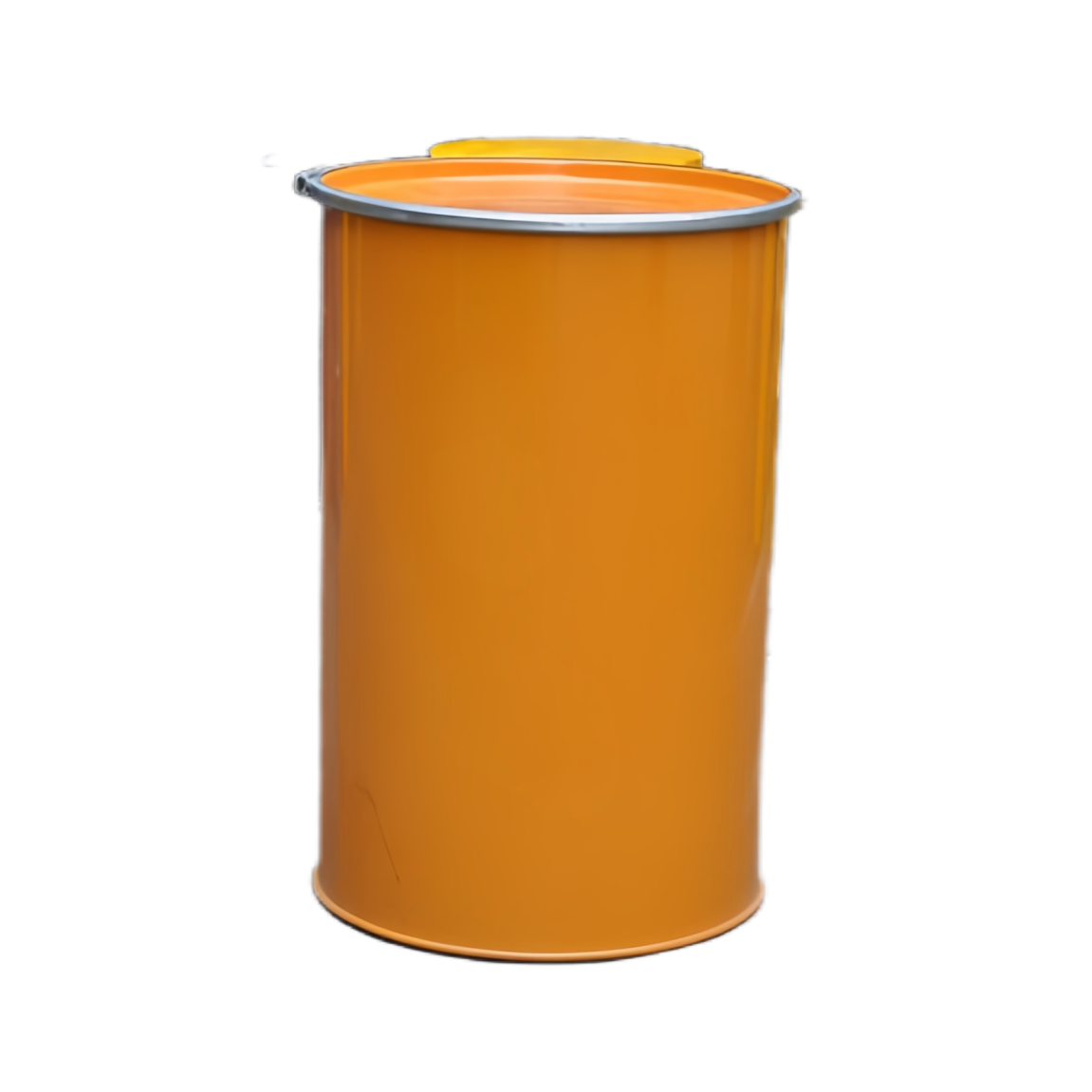
Industrial applications requiring extreme heat resistance demand specialized equipment that can withstand temperatures often exceeding 1000°C. Metal barrels and chambers used in these high-temperature environments must possess exceptional thermal properties, structural integrity, and material composition to ensure safe and efficient operations. When manufacturers select materials for furnace components, they must consider factors such as thermal conductivity, expansion coefficients, oxidation resistance, and long-term durability under extreme conditions. The choice of materials directly impacts the performance and lifespan of critical equipment like a high-temperature brazing furnace, making material selection a crucial engineering decision.
The metallurgical properties required for high-temperature applications extend beyond simple heat resistance. Materials must maintain their mechanical strength, resist creep deformation, and prevent chemical reactions that could compromise the integrity of processed materials. Understanding these requirements helps engineers design systems that operate reliably in demanding thermal environments while maintaining consistent performance over extended operational periods.
Essential Material Properties for High-Temperature Metal Barrels
Thermal Stability and Heat Resistance
The foundation of any high-temperature metal barrel lies in its ability to maintain structural integrity when exposed to extreme heat cycles. Materials must resist thermal shock, which occurs when rapid temperature changes create internal stresses that can lead to cracking or warping. High-grade stainless steels, refractory alloys, and specialized ceramics offer superior thermal stability compared to conventional materials. These materials undergo extensive testing to verify their performance characteristics at elevated temperatures, ensuring they meet the demanding requirements of industrial heating applications.
Thermal expansion management represents another critical consideration in material selection. Different materials expand at varying rates when heated, and mismatched expansion coefficients between components can create mechanical stress and potential failure points. Engineers must carefully calculate thermal expansion values and design appropriate clearances to accommodate dimensional changes during heating and cooling cycles. This consideration becomes particularly important in precision applications where dimensional stability directly affects product quality.
Oxidation and Corrosion Resistance
High-temperature environments often accelerate oxidation processes, making corrosion resistance a vital material property. Protective oxide layers that form on certain alloys can provide natural barriers against further oxidation, but these protective layers must remain stable and adherent at operating temperatures. Chromium-rich alloys excel in this regard, forming stable chromium oxide scales that protect the underlying metal from atmospheric attack. The effectiveness of these protective layers depends on maintaining proper atmospheric conditions and avoiding contamination that could compromise their integrity.
Specialized coatings and surface treatments can enhance the corrosion resistance of base materials, extending service life and reducing maintenance requirements. These protective systems must be carefully selected to ensure compatibility with both the substrate material and the intended operating environment. Regular inspection and maintenance of protective coatings help maintain their effectiveness and prevent premature failure of the underlying metal structure.
Design Considerations for High-Temperature Applications
Structural Engineering and Load Distribution
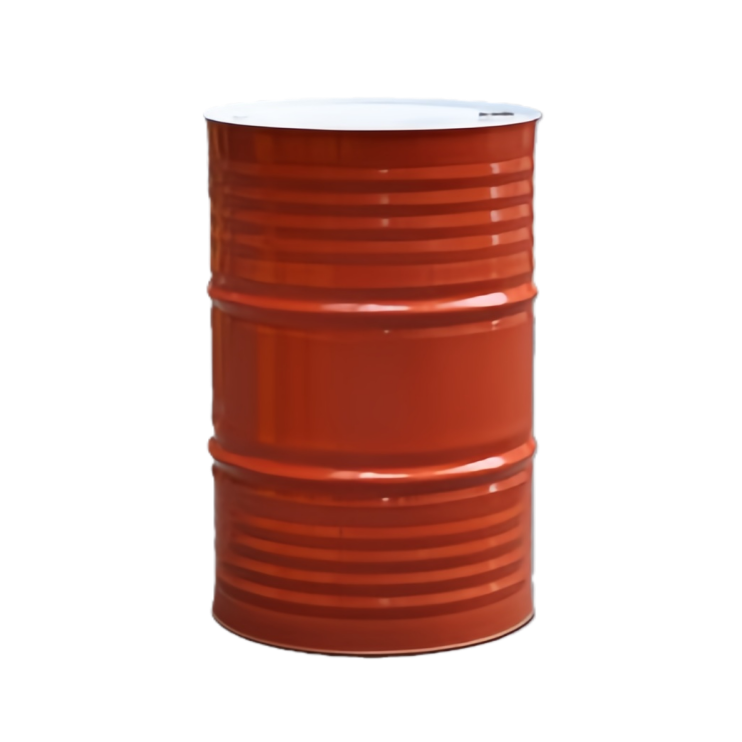
The design of metal barrels for high-temperature applications requires careful consideration of thermal stresses and mechanical loads. Temperature gradients within the structure can create significant internal stresses, necessitating robust engineering analysis to predict stress concentrations and potential failure modes. Finite element analysis helps engineers optimize barrel designs to minimize stress concentrations while maintaining the required structural strength throughout the operating temperature range.
Wall thickness calculations must account for both mechanical loads and thermal considerations. Thicker walls provide greater structural strength but increase thermal mass and energy consumption. Conversely, thinner walls reduce material costs and improve thermal response but may compromise structural integrity. Engineers must balance these competing requirements to achieve optimal performance while maintaining safety margins appropriate for the intended application.
Thermal Insulation and Energy Efficiency
Effective thermal management extends beyond the primary containment vessel to include comprehensive insulation systems. High-quality refractory materials and multi-layer insulation designs minimize heat loss, reduce energy consumption, and maintain more uniform temperature distributions within the heated space. The selection of insulation materials must consider factors such as thermal conductivity, temperature stability, and mechanical durability under thermal cycling conditions.
Advanced insulation designs often incorporate multiple layers with different properties to optimize thermal performance. Dense refractory materials provide excellent thermal storage and structural support, while lightweight insulating materials reduce overall heat loss. The integration of these systems requires careful engineering to prevent thermal bridging and ensure long-term performance reliability in demanding operational environments.
Manufacturing Processes and Quality Control
Welding and Fabrication Techniques
The fabrication of high-temperature metal barrels demands specialized welding techniques and post-weld heat treatments to ensure joint integrity at elevated temperatures. Tungsten inert gas welding and electron beam welding provide precise control over heat input and minimize the formation of heat-affected zones that could compromise material properties. Skilled welders must follow strict procedures to prevent contamination and ensure complete penetration throughout the joint.
Post-weld heat treatment processes relieve residual stresses and restore optimal material properties in welded regions. These treatments must be carefully controlled to prevent overheating while ensuring complete stress relief throughout the fabricated structure. Quality control procedures include non-destructive testing methods such as ultrasonic inspection and radiographic examination to verify weld integrity and detect any internal defects that could compromise performance in a high-temperature brazing furnace environment.
Heat Treatment and Material Processing
Controlled heat treatment processes optimize the microstructure and mechanical properties of materials used in high-temperature applications. Solution annealing, aging treatments, and stress relief processes help achieve the desired balance of strength, ductility, and thermal stability. These treatments must be performed according to strict temperature and time schedules to ensure consistent results and prevent the formation of undesirable phases that could compromise high-temperature performance.
Quality control testing throughout the manufacturing process verifies that materials meet specified requirements for chemical composition, mechanical properties, and microstructural characteristics. Tensile testing, hardness measurements, and metallographic examination provide quantitative data to confirm material quality and processing effectiveness. This comprehensive approach ensures that finished components will perform reliably in demanding high-temperature service conditions.
Applications in Industrial Brazing and Heat Treatment
Brazing Furnace Design Requirements
Industrial brazing operations require precise temperature control and uniform heating to achieve reliable joint formation. The design of furnace chambers must accommodate the specific requirements of brazing processes while providing adequate protection for both the workpieces and the furnace structure itself. Atmospheric control systems maintain the proper chemical environment to prevent oxidation and ensure optimal brazing alloy flow and wetting characteristics.
Temperature uniformity throughout the heated zone represents a critical performance parameter for successful brazing operations. Hot zones must be carefully designed to minimize temperature gradients that could cause uneven heating and compromised joint quality. Advanced high-temperature brazing furnace systems incorporate sophisticated temperature monitoring and control systems to maintain the precise conditions required for consistent brazing results.
Heat Treatment Process Integration
Modern heat treatment facilities often integrate multiple thermal processes within a single furnace system to maximize efficiency and minimize handling requirements. This integration requires careful consideration of material compatibility and process sequencing to prevent cross-contamination and ensure optimal results for each treatment step. The design of multi-purpose systems must accommodate the varying requirements of different heat treatment processes while maintaining the flexibility to adapt to changing production needs.
Process control systems monitor and adjust operating parameters in real-time to maintain optimal conditions throughout extended treatment cycles. Advanced sensors and automation systems provide precise control over temperature, atmosphere composition, and cooling rates to ensure consistent results and minimize variability between treatment batches. These capabilities are essential for maintaining product quality and meeting stringent industry specifications in critical applications.
Maintenance and Operational Considerations
Preventive Maintenance Strategies
Regular maintenance programs are essential for ensuring reliable operation of high-temperature systems and extending equipment service life. Inspection schedules must account for the accelerated degradation mechanisms that occur at elevated temperatures, including creep deformation, thermal fatigue, and high-temperature oxidation. Visual inspections, dimensional measurements, and non-destructive testing methods help identify potential problems before they lead to system failures.
Component replacement strategies should consider both preventive replacement based on operating hours and condition-based replacement guided by inspection results. Critical components such as heating elements, temperature sensors, and refractory linings require careful monitoring to ensure continued performance and prevent unexpected failures that could disrupt production schedules. Maintaining adequate spare parts inventories and establishing relationships with qualified service providers help minimize downtime when maintenance or repairs become necessary.
Performance Monitoring and Optimization
Continuous monitoring of system performance parameters provides valuable data for optimizing operational efficiency and identifying potential improvements. Temperature uniformity surveys, energy consumption analysis, and product quality tracking help identify opportunities for process optimization and cost reduction. Data logging systems capture operational history that can be analyzed to identify trends and predict maintenance requirements before problems occur.
Performance optimization efforts often focus on improving energy efficiency while maintaining or improving process quality. Upgraded insulation systems, more efficient heating elements, and improved control algorithms can significantly reduce operating costs while extending equipment life. These improvements must be carefully evaluated to ensure compatibility with existing systems and verify that modifications will not compromise safety or performance reliability.
FAQ
What temperatures can high-temperature metal barrels withstand
High-temperature metal barrels designed for industrial applications can typically withstand temperatures ranging from 1000°C to 1300°C, depending on the specific materials and construction methods used. Advanced refractory alloys and specialized stainless steel grades enable operation at these extreme temperatures while maintaining structural integrity and dimensional stability. The exact temperature capability depends on factors such as heating rate, dwell time, atmospheric conditions, and the specific requirements of the intended application.
How do you prevent thermal shock in high-temperature barrels
Preventing thermal shock requires careful attention to heating and cooling rates, material selection, and system design. Gradual temperature changes allow materials to accommodate thermal expansion without creating excessive internal stresses. Pre-heating procedures and controlled cooling cycles help minimize temperature gradients that can cause cracking or warping. Additionally, selecting materials with low thermal expansion coefficients and high thermal conductivity helps reduce the risk of thermal shock damage during operation.
What maintenance is required for high-temperature furnace systems
Regular maintenance includes inspection of refractory linings, heating elements, temperature sensors, and structural components for signs of wear or damage. Cleaning procedures remove scale and contamination that could affect performance or cause premature failure. Calibration of temperature control systems ensures accurate process control, while periodic replacement of consumable components such as thermocouples and heating elements maintains reliable operation. Documentation of maintenance activities helps track component life and optimize replacement schedules.
How do you ensure uniform heating in large furnace chambers
Achieving uniform heating requires careful design of heating element placement, airflow patterns, and chamber geometry. Multiple heating zones with independent temperature control allow fine-tuning of temperature distribution throughout the heated space. Circulation fans or convection systems help eliminate hot spots and ensure consistent temperatures across the entire work zone. Regular temperature surveys using calibrated instruments verify uniformity and identify any areas requiring adjustment or modification to maintain optimal heating performance.
