
 EN
EN
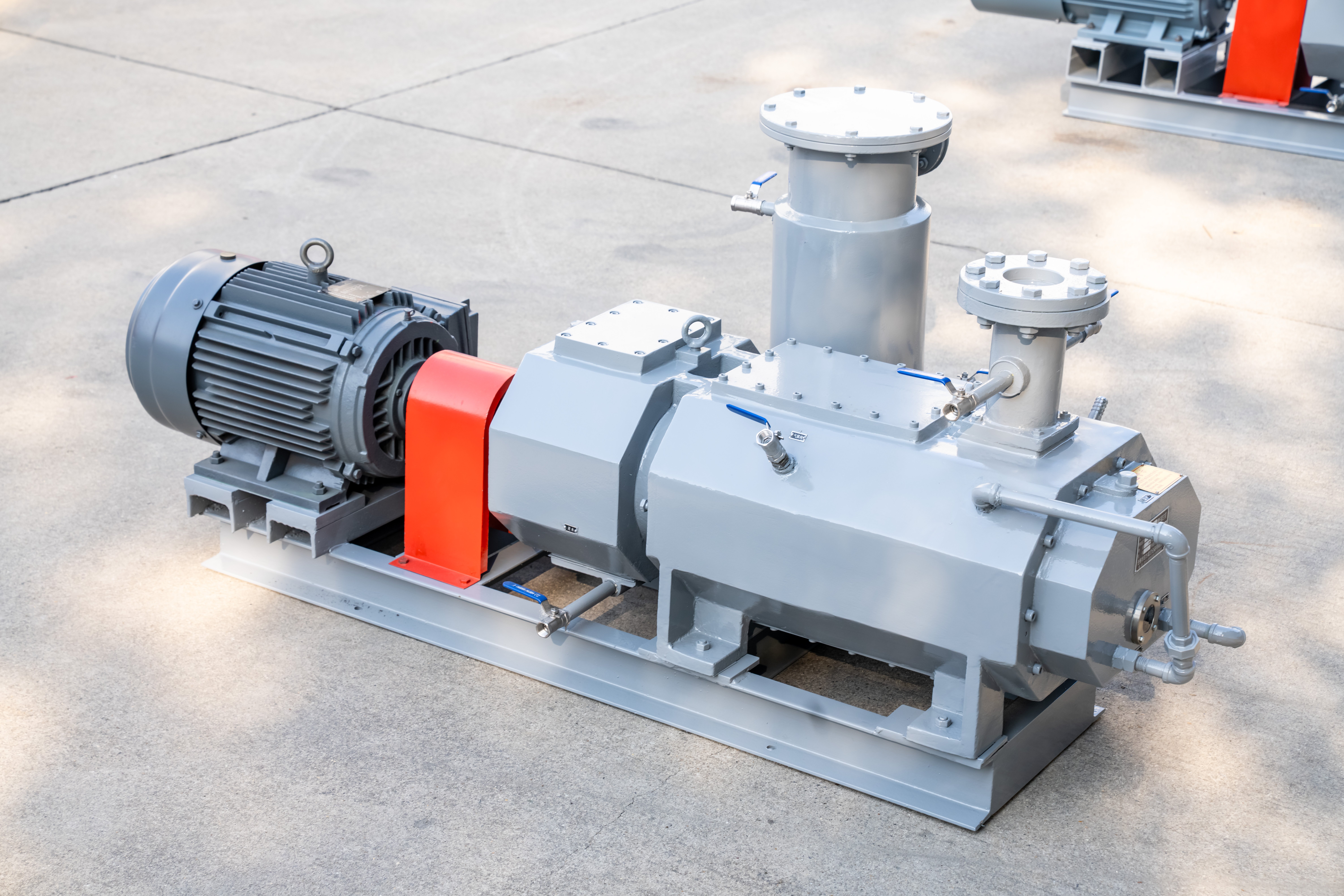
Energy efficiency has become a critical concern for industrial operations worldwide, with vacuum pumping systems representing a significant portion of total energy consumption in many facilities. The challenge lies in maintaining reliable vacuum performance while minimizing power draw, especially in continuous-duty applications where pumps operate around the clock. Traditional vacuum technologies often struggle to balance these competing demands, leading to higher operating costs and increased environmental impact.
An LGB screw vacuum pump offers a compelling solution to this energy challenge through its advanced twin-screw design and optimized compression mechanics. These systems can reduce industrial energy consumption by 20-40% compared to conventional vacuum technologies, while delivering consistent performance across varying load conditions. The energy savings stem from multiple engineering advantages built into the screw pump architecture, making them increasingly attractive for energy-conscious industrial operations.
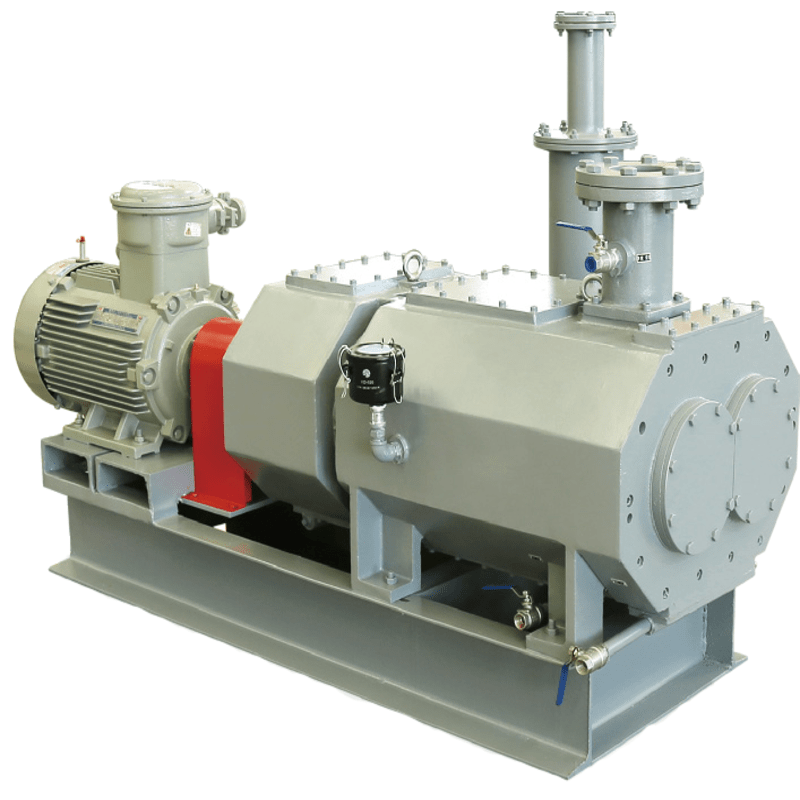
Fundamental Energy Efficiency Mechanisms
Twin-Screw Compression Advantages
The core energy efficiency of an LGB screw vacuum pump derives from its twin-screw compression mechanism, which creates a smooth, continuous gas flow without the pulsation losses common in other vacuum technologies. Unlike rotary vane or liquid ring pumps that experience significant pressure fluctuations during operation, the screw design maintains steady compression ratios throughout the pumping cycle. This consistent compression reduces energy waste from pressure equalization and eliminates the power spikes associated with intermittent compression.
The twin rotors operate with precise timing and minimal internal clearances, creating multiple compression chambers that progressively reduce gas volume as it moves from inlet to outlet. This graduated compression process requires less energy per unit volume compared to single-stage compression systems. The LGB screw vacuum pump design optimizes these compression stages to match specific application requirements, allowing for fine-tuning of energy consumption based on actual operating conditions.
Variable Speed Control Integration
Modern LGB screw vacuum pump systems incorporate variable frequency drives that automatically adjust motor speed based on real-time vacuum demand. This dynamic speed control eliminates the energy waste inherent in fixed-speed systems that must operate at maximum capacity regardless of actual load requirements. When process demand decreases, the pump speed reduces proportionally, maintaining the required vacuum level while consuming significantly less power.
The variable speed capability becomes particularly valuable in applications with fluctuating vacuum requirements, such as packaging lines or batch processing operations. During low-demand periods, an lgb screw vacuum pump can reduce its operating speed by 30-50%, resulting in cubic power savings that compound over extended operating periods. This intelligent speed modulation ensures energy consumption closely matches actual process needs rather than peak design requirements.
Heat Recovery and Thermal Management
Waste Heat Utilization Systems
The compression process in an LGB screw vacuum pump generates substantial heat energy that traditional systems typically reject to the atmosphere through cooling systems. Advanced LGB screw vacuum pump installations capture this waste heat for productive use within the facility, such as space heating, process warming, or domestic hot water generation. This heat recovery can offset other energy consumption in the facility, effectively increasing the overall energy efficiency beyond the direct pumping savings.
The heat recovery systems integrated with LGB screw vacuum pump operations can reclaim 60-80% of the electrical energy input as usable thermal energy. In cold climate industrial facilities, this recovered heat can significantly reduce heating costs during winter months. The dual benefit of reduced pumping energy consumption combined with valuable heat recovery creates a compound energy efficiency improvement that justifies the initial investment in screw vacuum technology.
Optimized Cooling Circuit Design
Efficient thermal management within the LGB screw vacuum pump itself contributes to energy savings by maintaining optimal operating temperatures without excessive cooling energy consumption. The pump design incorporates strategically placed cooling circuits that remove heat precisely where needed while allowing beneficial heat retention in areas where thermal energy supports the compression process. This selective cooling approach reduces parasitic energy losses from over-cooling while preventing performance degradation from excessive temperatures.
The cooling system optimization includes air-cooled and liquid-cooled configurations that can be selected based on ambient conditions and facility infrastructure. Air-cooled LGB screw vacuum pump systems eliminate the energy consumption associated with cooling tower operations and water circulation pumps, while liquid-cooled systems enable better heat recovery integration. Both configurations focus on minimizing total system energy consumption rather than just pump energy alone.
Operational Efficiency Improvements
Reduced Maintenance Energy Overhead
The reliability and low maintenance requirements of an LGB screw vacuum pump translate directly into energy savings through reduced downtime and maintenance-related energy consumption. Unlike oil-sealed rotary vane pumps that require frequent oil changes and filter replacements, or liquid ring pumps that need constant seal water circulation, screw pumps operate with minimal maintenance interventions. This reliability eliminates the energy costs associated with frequent startup and shutdown cycles required for maintenance activities.
The extended maintenance intervals of LGB screw vacuum pump systems also reduce the energy consumption of support equipment such as oil purification systems, seal water cooling, and auxiliary pumping systems needed during maintenance periods. Facilities can maintain consistent energy-efficient operation without the periodic energy spikes associated with bringing backup systems online during primary pump maintenance. The cumulative energy savings from improved reliability often exceed the direct pumping efficiency gains over the system lifecycle.
Process Integration Optimization
LGB screw vacuum pump systems enable better process integration that reduces overall facility energy consumption through improved system coordination. The stable vacuum levels and predictable performance characteristics allow process equipment to operate more efficiently, reducing energy waste from over-processing or quality issues caused by vacuum fluctuations. Process heating, drying, and distillation operations particularly benefit from the consistent vacuum levels provided by screw pump technology.
The precise vacuum control capabilities of an LGB screw vacuum pump enable facilities to optimize their process parameters for maximum energy efficiency rather than compensating for vacuum system limitations. Chemical and pharmaceutical processes can operate closer to their theoretical energy minimums when supported by reliable vacuum systems. Food processing operations achieve faster drying times and lower energy consumption per unit product when vacuum levels remain stable throughout production cycles.
Comparative Energy Performance Analysis
Energy Consumption Metrics
Quantifying the energy reduction potential of an LGB screw vacuum pump requires analysis of specific power consumption across different operating conditions and application scenarios. Typical industrial installations report power consumption reductions of 25-35% compared to equivalent liquid ring pump systems and 15-25% compared to rotary vane pump installations. These savings vary based on operating pressure levels, capacity requirements, and duty cycle patterns specific to each application.
The energy performance advantage of LGB screw vacuum pump technology becomes more pronounced at higher vacuum levels and in continuous-duty applications. At pressures below 50 mbar absolute, screw pumps demonstrate superior energy efficiency compared to alternative technologies that struggle to maintain performance at these operating conditions. The consistent efficiency curve of screw pump technology provides predictable energy savings across the full operating range, enabling accurate lifecycle cost calculations for investment decisions.
Load Factor Impact Assessment
The variable speed capability of LGB screw vacuum pump systems provides maximum energy savings benefit in applications with varying load profiles throughout the operating day or production cycle. Facilities with significant load variation can achieve energy reductions of 40-50% compared to fixed-speed alternatives during low-demand periods. Even applications with relatively constant loads benefit from the ability to fine-tune pump speed to exactly match process requirements rather than operating with excess capacity margin.
Load factor optimization with LGB screw vacuum pump technology extends beyond simple speed reduction to include staging multiple pumps for optimal efficiency across different capacity requirements. Large installations can operate multiple smaller screw pumps in sequence, bringing additional capacity online only when needed. This staged approach maintains high efficiency across a wider operating range than single large pumps that must throttle down during low-demand periods.
FAQ
How much energy can an LGB screw vacuum pump save compared to traditional vacuum systems?
An LGB screw vacuum pump typically reduces energy consumption by 20-40% compared to conventional vacuum technologies, with the exact savings depending on application specifics, operating conditions, and duty cycle patterns. Higher vacuum applications and variable load operations generally achieve greater savings percentages, while the integration of heat recovery systems can effectively double these energy benefits through waste heat utilization.
What maintenance factors contribute to the energy efficiency of LGB screw vacuum pumps?
The low maintenance requirements of LGB screw vacuum pump systems contribute to energy efficiency through reduced downtime energy losses, elimination of auxiliary system energy consumption for oil changes and seal water circulation, and consistent performance without degradation between maintenance intervals. Extended maintenance intervals also reduce the energy consumption associated with backup system operation during service periods.
Can LGB screw vacuum pumps integrate with existing facility energy management systems?
Yes, modern LGB screw vacuum pump systems include comprehensive control interfaces that integrate seamlessly with facility energy management systems, building automation platforms, and industrial IoT networks. This integration enables real-time energy monitoring, demand-responsive operation, predictive maintenance scheduling, and coordination with other facility systems to optimize total energy consumption rather than just vacuum system efficiency alone.
What payback period can facilities expect from LGB screw vacuum pump energy savings?
The payback period for LGB screw vacuum pump installations typically ranges from 2-4 years based solely on energy savings, with additional benefits from reduced maintenance costs and improved process reliability accelerating the return on investment. Facilities with high vacuum utilization, elevated energy costs, or heat recovery integration opportunities often achieve payback periods under two years through the compound energy benefits of screw pump technology.
Table of Contents
- Fundamental Energy Efficiency Mechanisms
- Heat Recovery and Thermal Management
- Operational Efficiency Improvements
- Comparative Energy Performance Analysis
-
FAQ
- How much energy can an LGB screw vacuum pump save compared to traditional vacuum systems?
- What maintenance factors contribute to the energy efficiency of LGB screw vacuum pumps?
- Can LGB screw vacuum pumps integrate with existing facility energy management systems?
- What payback period can facilities expect from LGB screw vacuum pump energy savings?
