
 EN
EN
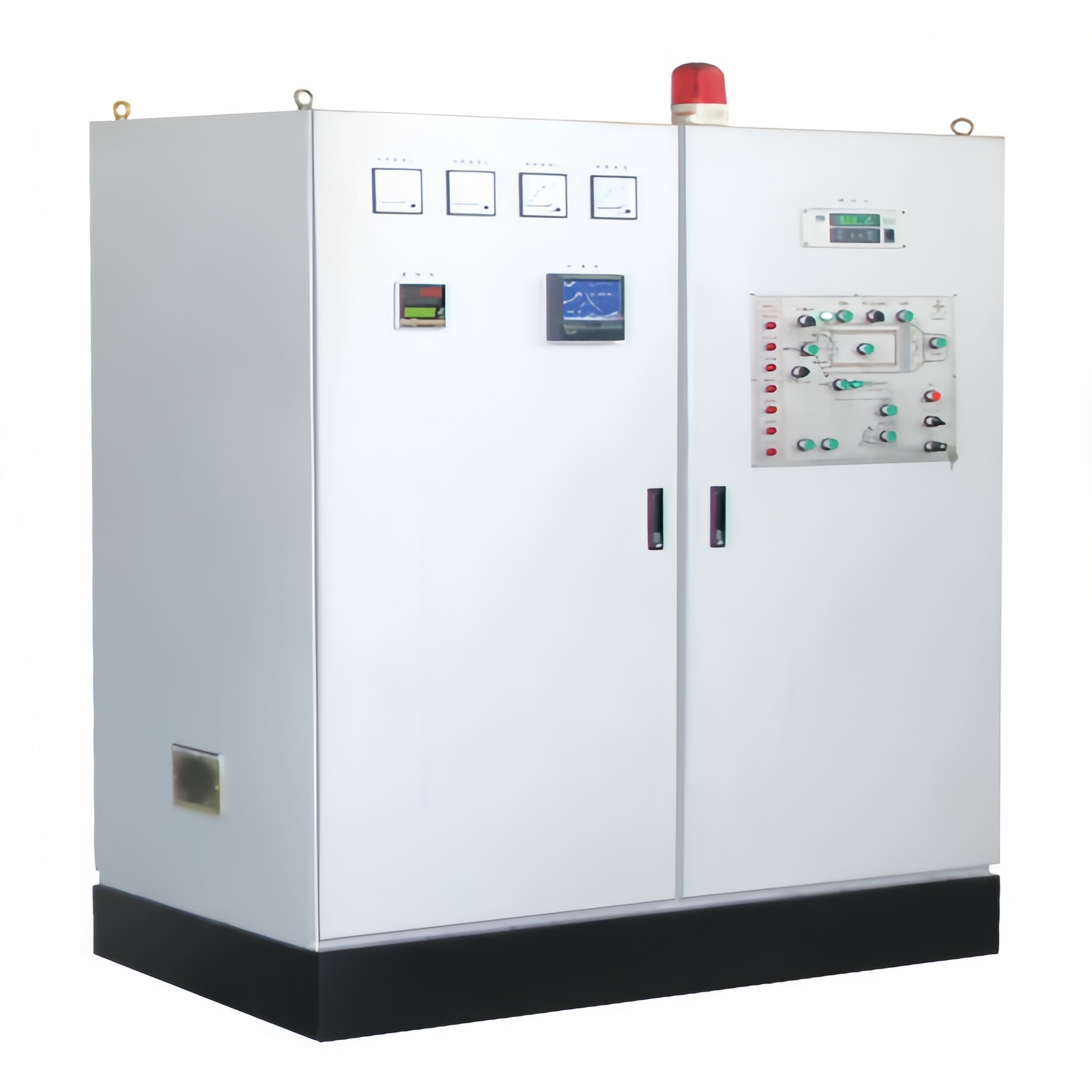
Tool steel demands exceptional precision in heat treatment to achieve the durability, hardness, and performance characteristics required across industries. A vacuum tempering furnace represents a significant advancement in metallurgical technology, directly addressing the critical challenge of maintaining tool steel integrity while eliminating surface oxidation and contamination. This specialized equipment operates in a controlled vacuum environment, fundamentally transforming how manufacturers approach the tempering process and ultimately enhancing the final product quality that end-users depend on.
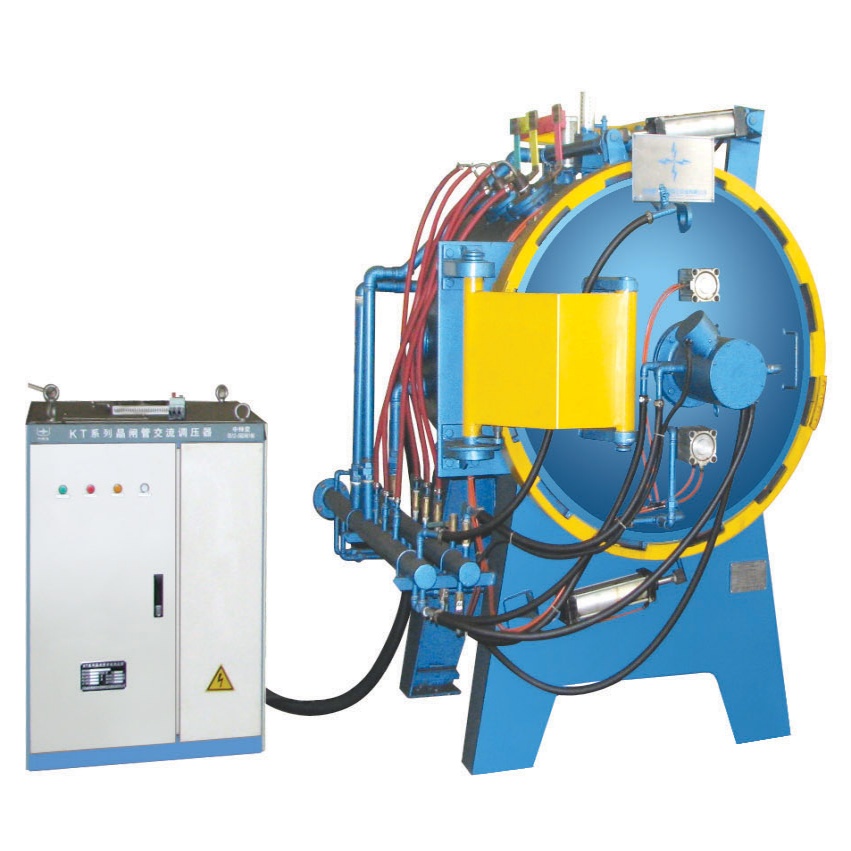
The vacuum tempering furnace operates by heating tool steel components within an oxygen-free chamber, preventing the oxidation that traditionally occurs during conventional tempering. By controlling temperature, vacuum level, and cooling rates with extreme precision, this equipment ensures uniform microstructure development throughout the steel component. Organizations seeking to produce superior tool steel recognize that a vacuum tempering furnace is not merely an alternative to conventional methods, but rather an essential investment that delivers measurable improvements in material properties and production consistency.
How Vacuum Tempering Furnace Technology Enhances Material Properties
Elimination of Surface Oxidation and Contamination
Traditional tempering processes expose heated tool steel to ambient air, resulting in unwanted oxidation that compromises surface quality and reduces tool performance. A vacuum tempering furnace eliminates this vulnerability by maintaining an inert atmosphere throughout the heating cycle. The absence of oxygen prevents scale formation, decarburization, and other surface defects that typically require costly post-treatment grinding or finishing operations. This fundamental advantage means that components leaving the vacuum tempering furnace exhibit superior surface finish, enhanced corrosion resistance, and improved dimensional stability—qualities that directly translate to longer tool life and better performance in demanding applications.
Precise Temperature Control and Uniformity
The vacuum tempering furnace incorporates advanced temperature regulation systems that maintain exact setpoints throughout the heating profile. This precision ensures that all regions of the tool steel component reach the target temperature simultaneously, promoting uniform microstructure development and consistent mechanical properties. Unlike conventional furnaces where temperature gradients create soft spots or brittle zones, a vacuum tempering furnace delivers predictable hardness values and toughness characteristics across the entire component. Industrial manufacturers rely on this uniformity to meet tight specification requirements and reduce rejection rates, making the vacuum tempering furnace an economically justified choice for high-precision tool production.
Industrial Applications and Performance Benefits of Vacuum Tempering Furnace
Tool and Die Manufacturing Excellence
Tool steel dies, punches, and cutting implements require exceptional consistency to function reliably in high-speed production environments. A vacuum tempering furnace addresses this requirement by ensuring repeatable hardness profiles and superior toughness characteristics that resist thermal cycling and mechanical shock. Manufacturers of injection molding dies, stamping dies, and precision cutting tools increasingly depend on the vacuum tempering furnace to differentiate their products through enhanced performance and longer service intervals. The investment in vacuum tempering furnace technology pays dividends through reduced customer complaints, extended tool replacement cycles, and improved reputation for quality in competitive markets.
Aerospace and Medical Device Applications
Aerospace fasteners, surgical instruments, and medical device components demand material properties that meet stringent regulatory standards and reliability expectations. A vacuum tempering furnace delivers the contamination-free processing that these critical applications require, eliminating the risk of surface defects that could initiate fatigue cracks or performance failures. The controlled atmosphere processing inherent to vacuum tempering furnace operation ensures traceability and documentation of thermal history, supporting compliance with specifications such as AMS standards and ISO certifications. Organizations serving these sectors recognize that the vacuum tempering furnace investment is essential to maintaining competitive qualification status and customer confidence.
Operational Advantages and Return on Investment
Reduced Post-Treatment and Finishing Costs
Components processed through conventional furnaces typically require grinding, shot peening, or chemical cleaning to remove oxidation scale and surface damage. A vacuum tempering furnace dramatically reduces or eliminates these post-treatment steps by delivering clean, decarburization-free surfaces directly from the furnace chamber. This operational efficiency translates to lower labor costs, reduced material loss, and faster throughput to finished product status. The vacuum tempering furnace essentially consolidates multiple process steps into one integrated operation, streamlining production workflows and improving overall manufacturing economics. Facilities that implement vacuum tempering furnace technology consistently report measurable reductions in total processing cost per component.
Enhanced Product Performance and Market Differentiation
Tools and components processed in a vacuum tempering furnace exhibit superior hardness retention, improved fatigue resistance, and extended service life compared to conventionally tempered alternatives. This performance advantage enables manufacturers to command premium pricing, expand market share, and strengthen customer relationships through documented reliability improvements. The vacuum tempering furnace becomes a competitive differentiator that distinguishes a manufacturer's offerings in commodity-driven markets where quality justifies investment. Customers recognize and value the superior consistency and longevity that vacuum tempering furnace processing delivers, creating loyalty and repeat business opportunities that enhance long-term profitability.
FAQ
What temperature ranges does a vacuum tempering furnace typically support?
A vacuum tempering furnace typically operates across a range of approximately 200 to 700 degrees Celsius, accommodating the diverse tempering requirements of various tool steel grades and alloys. The specific operating parameters depend on the furnace design, heating element configuration, and vacuum pump capacity. Manufacturers can adjust the vacuum tempering furnace setpoints and dwell times to achieve the precise hardness and toughness balance required for their specific applications, making this equipment adaptable to different production requirements and material specifications.
How does vacuum tempering furnace processing impact tool lifespan?
Tools processed through a vacuum tempering furnace typically exhibit 20 to 50 percent extended service life compared to conventionally tempered tools, depending on the application environment and operating conditions. The elimination of surface defects, improved microstructure uniformity, and reduced residual stresses achieved by the vacuum tempering furnace create tools that resist thermal cycling, mechanical shock, and fatigue initiation more effectively. This significant lifespan improvement justifies the investment in vacuum tempering furnace technology through reduced tool replacement frequency and associated production downtime.
Is a vacuum tempering furnace suitable for small batch production runs?
Yes, a vacuum tempering furnace functions effectively for both large volume production and small specialized batches, particularly where tool steel component quality justifies premium processing costs. The vacuum tempering furnace flexibility in load capacity and cycle programming makes it adaptable to varying production volumes. Many manufacturers utilize vacuum tempering furnace technology selectively for their most demanding or high-value applications, while maintaining conventional equipment for standard production requirements, optimizing overall manufacturing economics.
