
 EN
EN
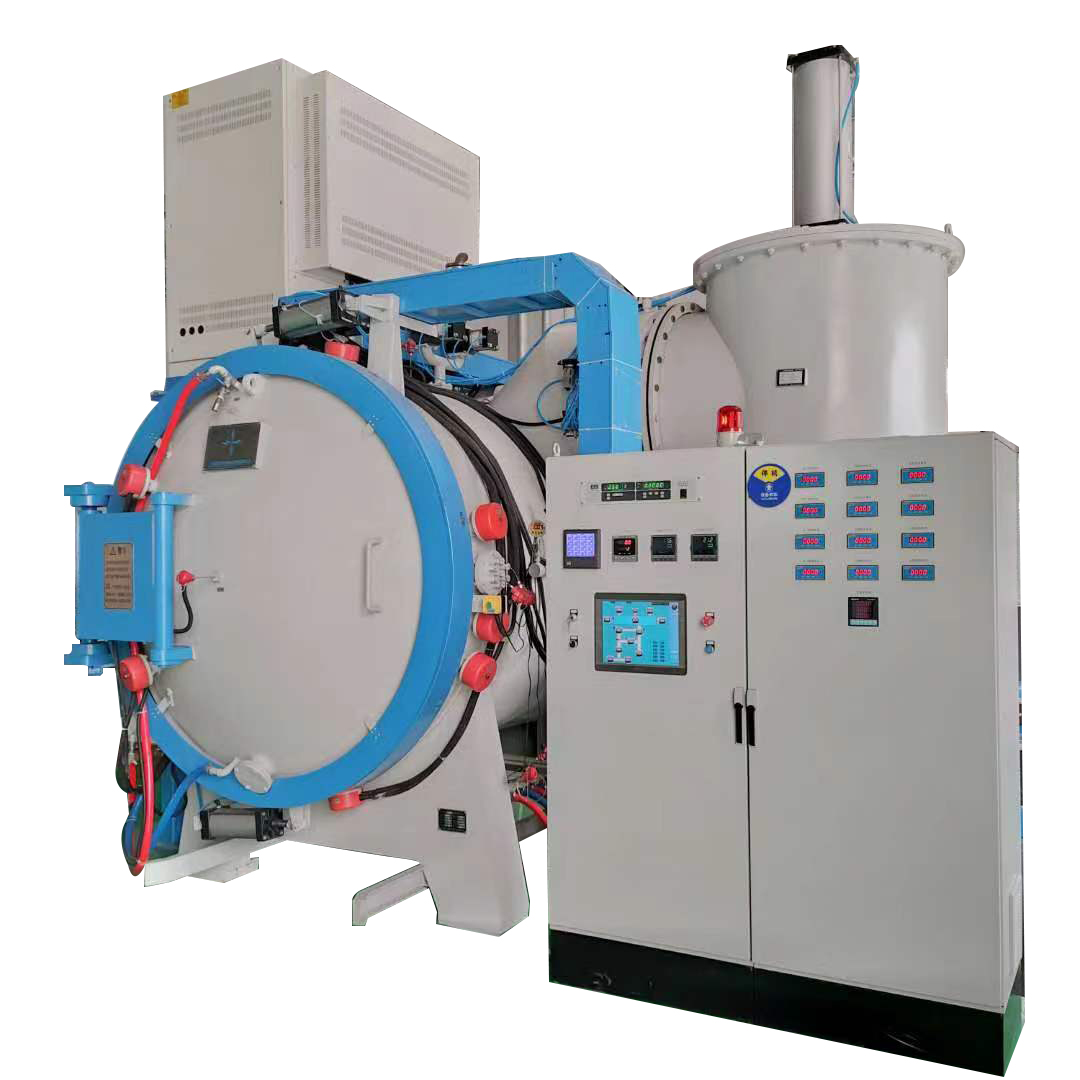
Aerospace components operate under extreme conditions that demand exceptional material properties and structural integrity. The vacuum tempering furnace has become essential in aerospace manufacturing because it delivers the precise thermal control required to meet rigorous industry standards. Understanding why aerospace parts require vacuum tempering furnace processing reveals the fundamental relationship between material science, engineering performance, and safety compliance in modern aircraft and spacecraft construction.
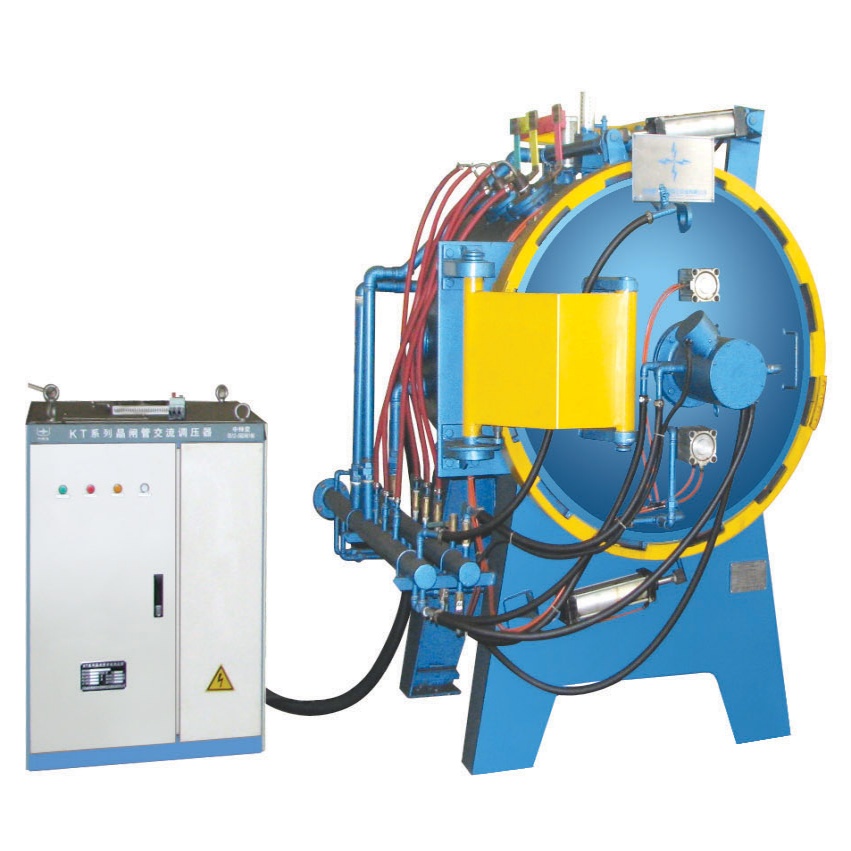
The aerospace industry cannot tolerate material inconsistency or structural weakness. Every fastener, landing gear component, engine bracket, and fuselage reinforcement must perform predictably under thermal shock, mechanical stress, and fatigue cycling. A vacuum tempering furnace provides controlled heating, vacuum atmosphere management, and precise cooling cycles that conventional furnaces cannot achieve, making it indispensable for aerospace component qualification and production.
Material Strength and Structural Performance Requirements
Why Aerospace Alloys Demand Controlled Tempering
Aerospace parts are typically manufactured from high-strength aluminum alloys, titanium alloys, and specialty steel formulations selected for their weight-to-strength ratios and thermal stability. These materials must undergo specific tempering cycles to develop the correct crystalline structure, eliminate residual stress, and achieve target hardness levels. A vacuum tempering furnace allows metallurgists to control heating rates, soak temperatures, and cooling profiles with precision that directly influences final mechanical properties.
When aerospace alloys are improperly tempered using conventional methods, they risk hydrogen embrittlement, uneven hardness distribution, and surface oxidation that degrades fatigue resistance. The vacuum tempering furnace eliminates oxygen-based degradation by maintaining an inert atmosphere throughout the entire process. This prevents oxide layer formation on critical surfaces and preserves the material's inherent strength characteristics that engineers rely upon during flight operations.
Achieving Consistent Hardness and Ductility Balance
Aerospace components require a precise balance between hardness for wear resistance and ductility for impact absorption. A vacuum tempering furnace enables this balance by allowing controlled precipitation hardening and microstructural refinement. The vacuum environment prevents surface decarburization, which would otherwise weaken the component surface and create stress concentration points prone to crack initiation and fatigue failure.
The tempering process controlled by a vacuum tempering furnace reduces internal stresses built up during initial hardening. These residual stresses, if left uncontrolled, would cause dimensional distortion and potential failure when exposed to vibration, thermal cycling, and aerodynamic loads during flight. Precise temperature control ensures aerospace parts achieve the specific hardness ranges required by engineering specifications while maintaining the ductility needed for impact events.
Compliance with Aerospace Quality and Certification Standards
Meeting Strict Industry Specifications and Documentation
Aerospace manufacturing operates under demanding certification frameworks including AS9100, EN9100, and customer-specific requirements from major aircraft manufacturers. These standards mandate that every component undergo documented thermal processing with recorded temperature profiles, cycle times, and atmosphere monitoring. A modern vacuum tempering furnace provides automated data logging and real-time temperature surveillance that creates the traceability records required for aerospace part certification.
Components processed through a vacuum tempering furnace must pass additional mechanical property verification including tensile testing, hardness measurement, and fatigue assessment. The controlled processing parameters ensure that test results remain consistent from batch to batch, enabling manufacturers to maintain statistical process control and meet zero-defect quality expectations. Non-compliance with tempering specifications can result in component rejection, production delays, and safety-critical failures.
Environmental and Residual Stress Control
The vacuum environment in a vacuum tempering furnace eliminates atmospheric contamination that would otherwise compromise aerospace component reliability. Oxygen and nitrogen at high temperatures can diffuse into material surfaces, altering microstructure and reducing fatigue strength. Salt spray testing, thermal cycling tests, and altitude chamber evaluations all depend on components processed through vacuum tempering furnace methods that prevent surface degradation from thermal oxidation.
Residual compressive stresses introduced by a vacuum tempering furnace improve component fatigue life significantly. Aerospace parts experience millions of stress cycles during their operational lifespan, and surface compressive stress layers created by precise tempering delay crack initiation and extend component service life. This contributes directly to aircraft safety, maintenance intervals, and lifecycle cost reduction.
Prevention of Defects and Service Failures
Eliminating Hydrogen Embrittlement and Surface Degradation
High-strength aerospace alloys are susceptible to hydrogen embrittlement, a failure mode where hydrogen atoms diffuse into the material matrix, reducing ductility and causing catastrophic brittle fracture. The vacuum tempering furnace eliminates this risk by processing components in an oxygen and hydrogen-free environment. Conventional atmosphere furnaces cannot provide this level of environmental control, leaving aerospace parts vulnerable to delayed cracking after months or years in service.
Surface oxidation from improper tempering creates microscopic defects that act as stress concentrators. A vacuum tempering furnace maintains pristine surface conditions by preventing oxide formation, which preserves the full tensile capacity of aerospace materials. This is especially critical for landing gear components, engine mounts, and structural attachments where surface flaws can initiate cracks under repeated loading.
Controlling Distortion and Dimensional Stability
Aerospace parts often have tight tolerances for assembly fit and aerodynamic function. Uneven heating or inadequate stress relief during tempering causes dimensional distortion that makes components non-conforming. A vacuum tempering furnace provides uniform temperature distribution through the cross-section of components, ensuring predictable dimensional change and reducing scrap rates caused by out-of-tolerance geometry.
The precision afforded by a vacuum tempering furnace is particularly important for fuel system components, hydraulic valve bodies, and structural fasteners where dimensional accuracy directly affects system performance and safety. Distortion-free tempering reduces downstream machining, inspection rework, and assembly complications that would otherwise compromise production efficiency and component cost.
FAQ
What makes a vacuum tempering furnace different from standard furnaces for aerospace processing?
A vacuum tempering furnace operates in an oxygen-free, inert atmosphere that eliminates oxidation, hydrogen absorption, and surface degradation that conventional furnaces cannot prevent. This atmosphere control is essential for aerospace parts because it preserves material strength, prevents embrittlement, ensures consistent hardness, and creates the residual stress profiles required for fatigue resistance. Aerospace manufacturers must use a vacuum tempering furnace to meet certification standards and achieve the material properties that flight safety demands.
How does vacuum tempering furnace processing improve aerospace component reliability?
The vacuum tempering furnace process improves reliability by creating consistent microstructure, eliminating surface defects, reducing residual stress, and preventing hydrogen embrittlement that would otherwise cause premature failure. Components processed through a vacuum tempering furnace have predictable mechanical properties, extended fatigue life, and superior performance under thermal cycling and mechanical loading. This translates to reduced maintenance costs, longer inspection intervals, and enhanced safety for aircraft operations.
Are all aerospace parts required to be processed through a vacuum tempering furnace?
Most high-strength aerospace structural components, fasteners, engine parts, and landing gear require vacuum tempering furnace processing to meet certification standards and performance specifications. However, some lower-stress components or non-critical parts may be processed through conventional furnaces if engineering analysis demonstrates that vacuum tempering furnace processing is not necessary. Aerospace manufacturers must follow customer specifications and AS9100 requirements, which typically mandate vacuum tempering furnace processing for safety-critical applications.
