
 EN
EN
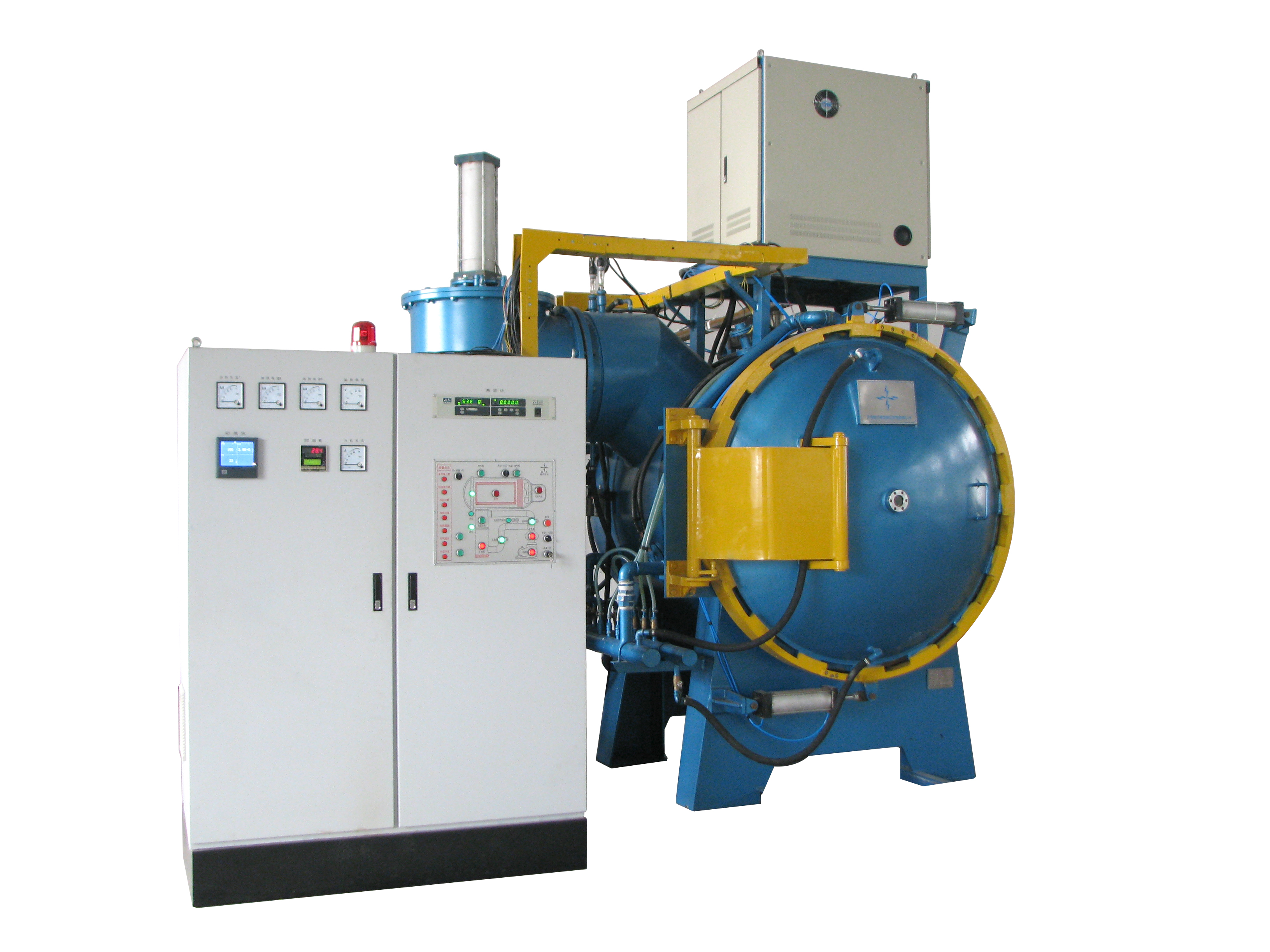
Material plasticity is a critical property that determines how well metals and alloys can be shaped, formed, and processed without fracturing. When engineers and manufacturers need to improve the workability of materials, they often turn to specialized thermal processing equipment. A vacuum annealing furnace is one of the most effective tools available for enhancing material plasticity through carefully controlled heating and cooling cycles. This advanced equipment operates in a vacuum environment, which prevents oxidation and contamination while allowing materials to reach optimal ductility levels.
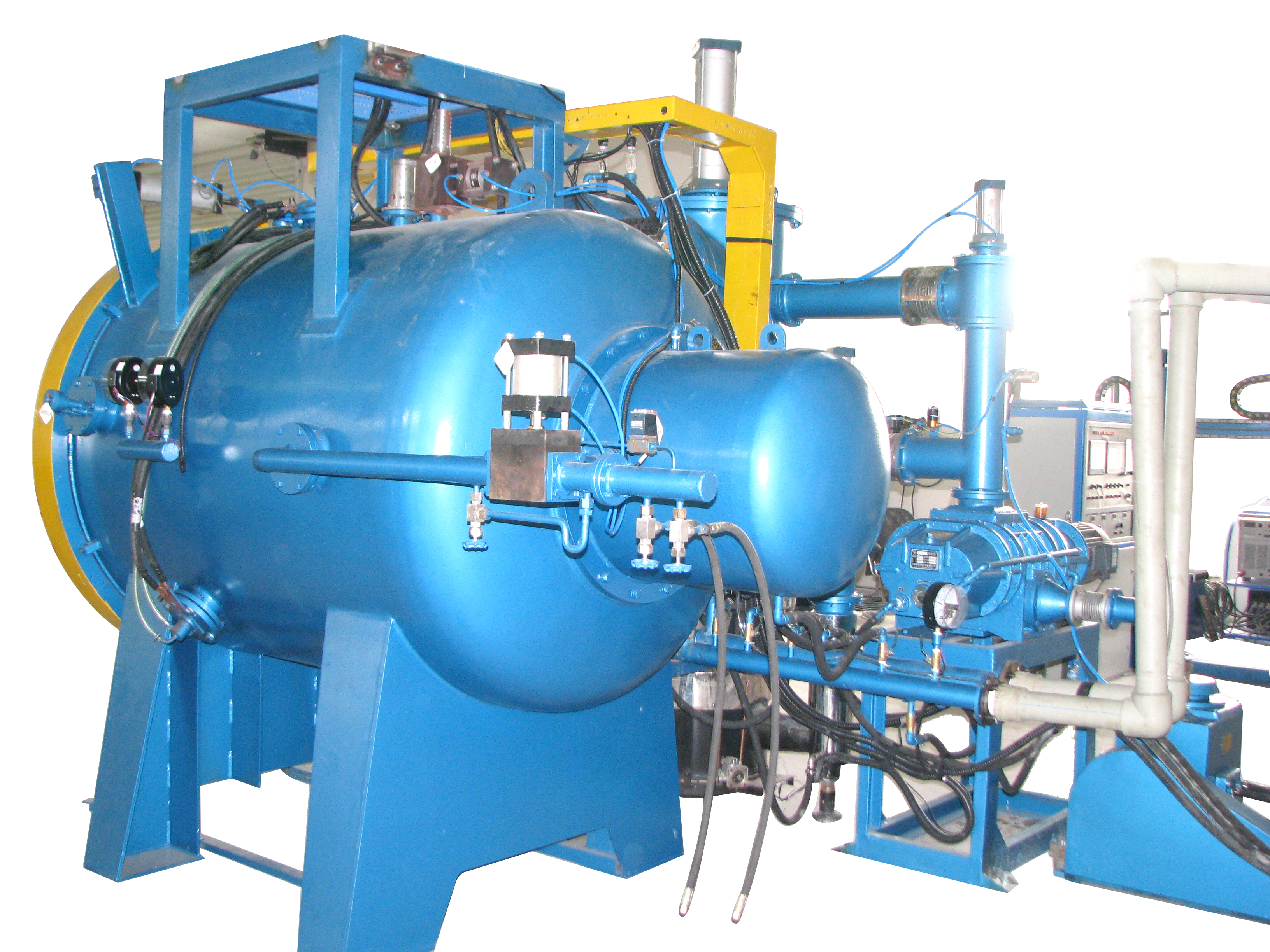
The vacuum annealing furnace accomplishes plasticity enhancement through a precise combination of temperature control, atmospheric management, and heating duration. Unlike conventional annealing furnaces that operate in air or protective gas atmospheres, a vacuum annealing furnace eliminates oxygen and other reactive elements that can degrade material surface quality. This controlled environment enables metallurgists and production teams to achieve superior mechanical properties, improved surface conditions, and consistent material behavior across batches.
How Vacuum Annealing Furnace Technology Improves Material Properties
Temperature Control and Microstructural Development
The vacuum annealing furnace operates by heating materials to specific temperatures that promote recrystallization and grain growth. When metals are exposed to stress during manufacturing processes like cold rolling or drawing, their crystal structure becomes distorted and locked in a stressed state. A vacuum annealing furnace relieves this internal stress by heating the material above its recrystallization temperature, allowing atoms to reorganize into a more stable, lower-energy configuration. This reorganization process directly enhances plasticity because the newly formed grain structure is more uniform and ductile. The vacuum annealing furnace maintains precise temperature control to ensure materials reach exactly the right heating level without overheating or developing undesired microstructures.
Oxidation Prevention and Surface Quality
One of the primary advantages of using a vacuum annealing furnace is its ability to prevent surface oxidation during the heating process. Traditional annealing furnaces expose materials to oxygen, which reacts with metal surfaces and creates oxide scales that reduce surface finish quality and complicate subsequent machining or forming operations. A vacuum annealing furnace eliminates this problem by creating an oxygen-free environment inside its chamber. This atmospheric control means materials emerge from the vacuum annealing furnace with clean, unoxidized surfaces that maintain their original dimensional specifications and surface properties. For precision components and materials destined for critical applications, this oxidation prevention capability makes the vacuum annealing furnace an indispensable investment.
Industrial Applications and Plasticity Enhancement Benefits
Aerospace and Medical Device Manufacturing
The aerospace and medical device industries rely heavily on materials that combine strength with formability. A vacuum annealing furnace helps manufacturers achieve this balance by processing titanium alloys, nickel-based superalloys, and stainless steel components that must withstand extreme conditions while being shapeable during production. These industries use the vacuum annealing furnace because it produces materials with consistently high plasticity levels, enabling complex forming operations without cracks or defects. The enhanced plasticity that results from vacuum annealing furnace processing also reduces production scrap rates and improves yield during subsequent manufacturing stages.
Automotive and Electronics Component Processing
Automotive manufacturers and electronics component producers depend on the vacuum annealing furnace to process materials used in engines, transmissions, connectors, and semiconductor packages. These applications demand materials with specific plasticity characteristics to enable deep drawing, stamping, and precision forming without failure. The vacuum annealing furnace allows manufacturers to tailor material properties precisely, ensuring parts can be formed to exact specifications while maintaining the strength required for service. By investing in a vacuum annealing furnace, automotive and electronics facilities significantly improve their manufacturing flexibility and reduce defect rates associated with material brittleness or inconsistent plasticity.
Technical Advantages of Vacuum Annealing Furnace Design
Uniform Heating and Cooling Cycles
A vacuum annealing furnace is engineered to deliver uniform temperature distribution throughout its chamber, ensuring every part of the load receives consistent thermal treatment. This uniformity is crucial for achieving uniform plasticity enhancement across all components being processed. The vacuum annealing furnace uses advanced heating element configurations and thermal insulation to minimize hot spots and temperature gradients that could create inconsistent material properties. Additionally, the vacuum annealing furnace incorporates controlled cooling systems that can be programmed to cool materials at specific rates, allowing manufacturers to fine-tune final plasticity and mechanical properties.
Contamination Control and Material Integrity
The vacuum environment inside a vacuum annealing furnace provides exceptional contamination control that cannot be achieved in conventional furnaces. A vacuum annealing furnace prevents carbon pickup from carbonaceous atmospheres, eliminates nitrogen absorption, and prevents surface deterioration from reactive elements. This contamination control is especially important for materials like aluminum alloys, copper alloys, and reactive metals that are highly sensitive to atmospheric exposure during heating. The vacuum annealing furnace ensures these sensitive materials emerge from processing with their chemical composition and surface integrity preserved, directly supporting the plasticity enhancement objectives of the heat treatment operation.
FAQ
How does a vacuum annealing furnace differ from conventional annealing furnaces?
A vacuum annealing furnace operates in an oxygen-free environment, preventing oxidation and contamination that occur in conventional furnaces exposed to air or protective gases. This atmospheric advantage means a vacuum annealing furnace produces superior surface quality, more consistent material properties, and enhanced plasticity development. Conventional annealing furnaces cannot match the contamination control and surface preservation capabilities that a vacuum annealing furnace delivers, making the vacuum annealing furnace the preferred choice for demanding applications and precision materials.
What materials benefit most from processing in a vacuum annealing furnace?
Materials that are highly reactive or sensitive to atmospheric exposure benefit significantly from vacuum annealing furnace processing. Titanium alloys, nickel-based superalloys, copper alloys, and aluminum alloys all respond exceptionally well to treatment in a vacuum annealing furnace because the vacuum environment prevents harmful chemical reactions at the material surface. A vacuum annealing furnace is also ideal for materials requiring precise plasticity development, including specialty stainless steels and advanced engineered alloys used in aerospace, medical, and high-performance applications.
What plasticity improvements can manufacturers expect from a vacuum annealing furnace?
Manufacturers using a vacuum annealing furnace typically observe increased material ductility, improved formability, reduced cracking during subsequent manufacturing operations, and more consistent batch-to-batch performance. A vacuum annealing furnace can increase elongation values and improve the material's ability to undergo complex forming operations without fracture. The exact plasticity improvements depend on material composition and processing parameters, but a vacuum annealing furnace consistently delivers measurable enhancements in workability compared to untreated or conventionally annealed materials.
