
 EN
EN
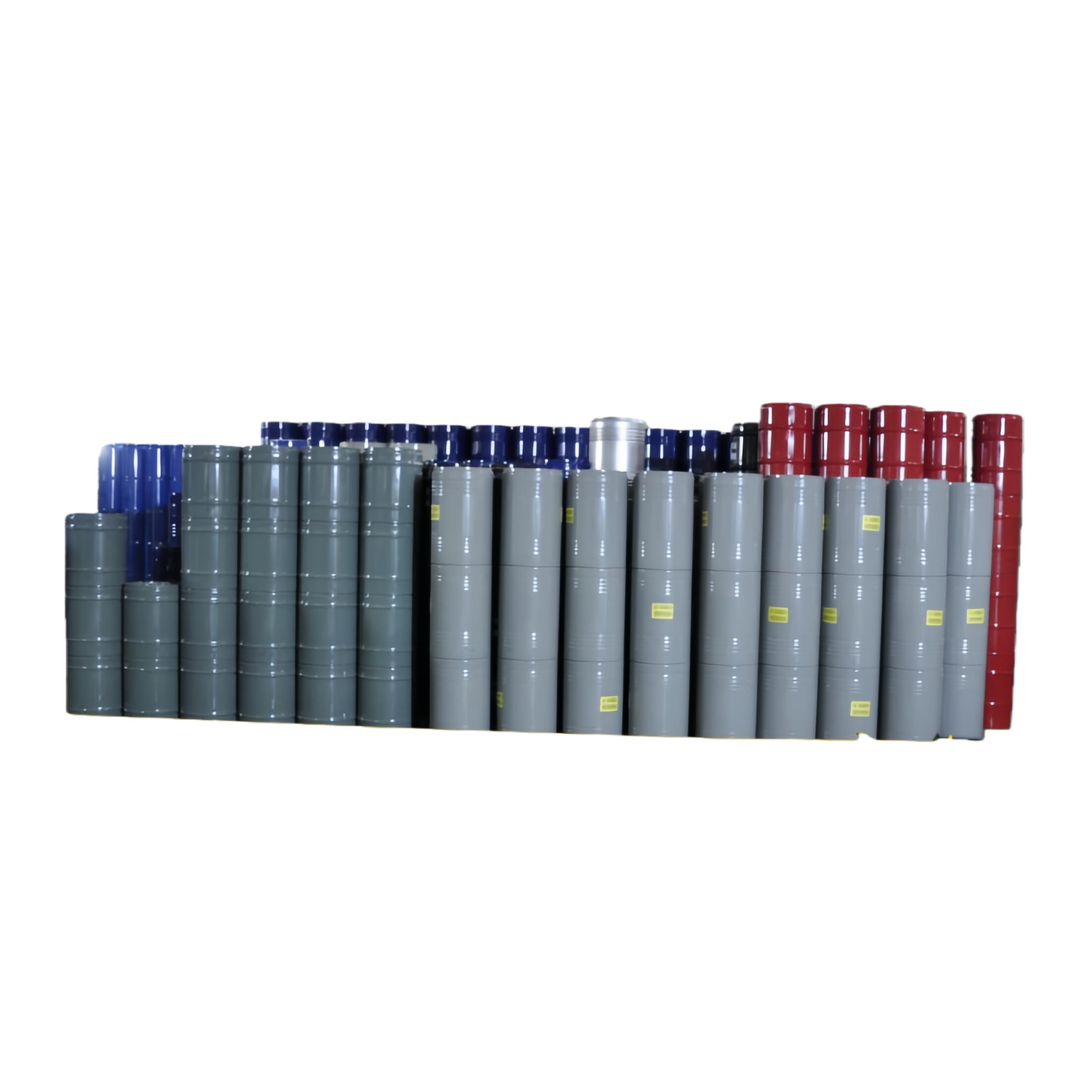
Chemical storage safety remains a critical concern for industries handling hazardous substances, where the choice of containers can make the difference between secure operations and catastrophic incidents. Small and intermediate steel drums have emerged as the preferred solution for facilities requiring robust, reliable containment systems that meet stringent safety standards. These specialized containers offer superior protection against chemical reactions, corrosion, and accidental spills while maintaining the structural integrity necessary for long-term storage applications. Understanding how these drums enhance safety protocols helps organizations make informed decisions about their chemical storage infrastructure.
Material Composition and Structural Advantages
High-Grade Steel Construction Benefits
Small and intermediate steel drums are manufactured using high-grade steel alloys specifically selected for their resistance to chemical corrosion and structural durability. The steel composition typically includes carbon content optimized for strength while maintaining workability during the manufacturing process. These drums undergo rigorous metallurgical testing to ensure they can withstand the aggressive nature of various chemicals without compromising their structural integrity over extended periods.
The manufacturing process involves precision welding techniques that create seamless joints, eliminating weak points where chemical leakage might occur. Advanced steel treatment processes enhance the material's resistance to oxidation and chemical attack, extending the operational lifespan of these containers significantly compared to alternative materials. This construction methodology ensures that small and intermediate steel drums maintain their protective capabilities even under extreme environmental conditions.
Impact Resistance and Durability Features
The robust construction of small and intermediate steel drums provides exceptional impact resistance, crucial for protecting chemical contents during transportation and handling operations. The steel walls are engineered to absorb and distribute impact forces, preventing punctures or structural deformation that could lead to containment breaches. This durability becomes particularly important in industrial environments where containers may experience rough handling or accidental impacts.
These drums undergo standardized drop tests and compression evaluations to verify their ability to maintain integrity under stress conditions. The reinforced design includes strategically placed ribbing and strengthening elements that enhance overall structural performance without adding excessive weight. This balanced approach ensures that small and intermediate steel drums provide maximum protection while remaining practical for regular use in chemical storage applications.
Chemical Compatibility and Containment Systems
Specialized Coating Technologies
Modern small and intermediate steel drums feature advanced coating systems designed to provide additional barriers against chemical interaction with the steel substrate. These protective coatings are carefully selected based on the specific chemical properties of intended contents, ensuring optimal compatibility and preventing adverse reactions. Epoxy-based coatings, phenolic linings, and specialized polymer applications create impermeable barriers that extend container lifespan and maintain chemical purity.
The application process for these coatings involves precise surface preparation and controlled environmental conditions to ensure uniform coverage and proper adhesion. Quality control procedures verify coating thickness and integrity before drums are approved for chemical storage use. This attention to coating detail ensures that small and intermediate steel drums maintain their protective properties throughout their service life, providing reliable containment for sensitive chemical materials.
Sealing Mechanisms and Leak Prevention
The sealing systems integrated into small and intermediate steel drums represent critical safety components that prevent chemical vapors and liquids from escaping into the surrounding environment. These systems typically incorporate multiple sealing layers, including primary gaskets made from chemically resistant materials and secondary backup seals that activate if primary systems fail. The design philosophy emphasizes redundancy to ensure containment integrity under various operating conditions.
Advanced closure mechanisms feature precision-machined threads and compression systems that create reliable seals capable of maintaining integrity under pressure fluctuations and temperature variations. Regular testing protocols verify seal performance using helium leak detection and pressure decay methods to ensure that small and intermediate steel drums meet or exceed industry standards for containment reliability. These comprehensive sealing systems provide the foundation for safe chemical storage operations.
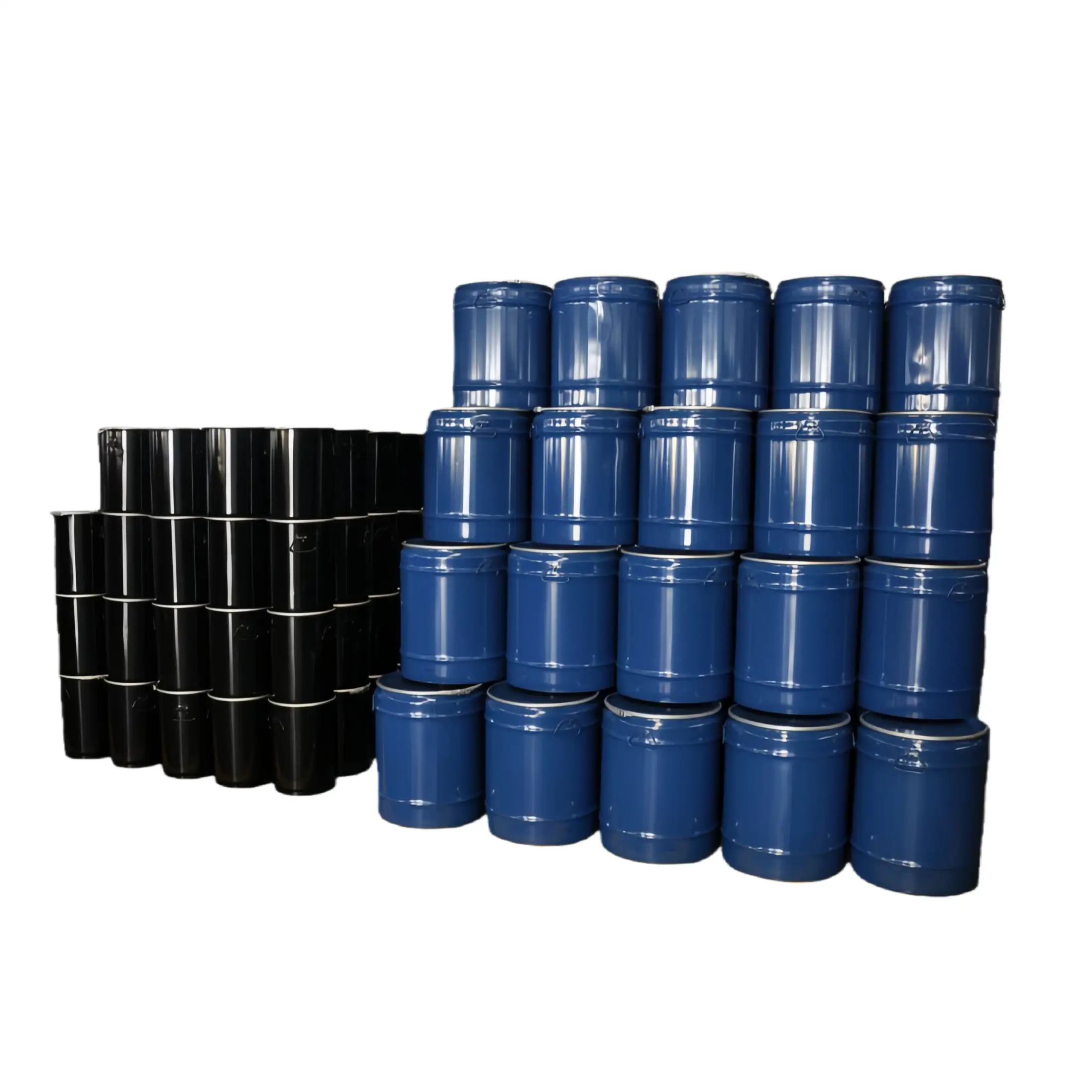
Regulatory Compliance and Safety Standards
International Transportation Regulations
Small and intermediate steel drums must comply with stringent international regulations governing the transportation of hazardous materials, including specifications established by the United Nations and various national transportation authorities. These regulations define performance criteria for container design, testing procedures, and marking requirements that ensure global compatibility and safety standards. Compliance with these standards requires extensive documentation and periodic recertification to maintain approval status.
The regulatory framework addresses specific requirements for different chemical classifications, including corrosive substances, flammable liquids, and reactive materials that require specialized containment approaches. Small and intermediate steel drums undergo comprehensive testing protocols that simulate transportation stresses, including vibration, temperature extremes, and stacking loads. This regulatory compliance ensures that these containers provide consistent safety performance across diverse operational environments and geographical regions.
Industry-Specific Safety Requirements
Different industries impose additional safety requirements beyond basic transportation regulations, particularly in sectors such as pharmaceuticals, petrochemicals, and specialty chemical manufacturing. These enhanced standards often specify more stringent testing procedures, specialized marking systems, and documentation requirements that exceed minimum regulatory compliance levels. Small and intermediate steel drums designed for these applications incorporate additional safety features and undergo expanded quality assurance protocols.
The pharmaceutical industry, for example, requires containers that meet Good Manufacturing Practice standards and provide traceability throughout the supply chain. Chemical manufacturers may specify additional corrosion resistance testing or specialized coating systems based on their specific product requirements. These industry-specific adaptations ensure that small and intermediate steel drums provide optimal safety performance for specialized chemical storage applications while maintaining broad regulatory compliance.
Operational Safety Benefits
Handling and Transportation Safety
The design characteristics of small and intermediate steel drums contribute significantly to operational safety during handling and transportation activities. The standardized dimensions and weight distribution enable safe lifting and movement using conventional material handling equipment, reducing the risk of accidents during routine operations. Integrated lifting features and ergonomic design elements minimize physical strain on personnel while maintaining secure grip points for safe manipulation.
Transportation safety benefits extend to vehicle loading and securing procedures, where the uniform dimensions of small and intermediate steel drums facilitate efficient space utilization and proper load distribution. The robust construction allows for safe stacking arrangements that maximize transport efficiency while maintaining stability during transit. These operational advantages reduce the likelihood of handling accidents and ensure that chemical shipments reach their destinations safely without compromising containment integrity.
Emergency Response Capabilities
Small and intermediate steel drums provide distinct advantages during emergency response situations, where their robust construction and predictable behavior under stress conditions enable effective incident management. Emergency responders can rely on established procedures for handling these containers during spill response, fire suppression, or evacuation scenarios. The standardized design allows for consistent emergency response protocols across different facilities and chemical types.
The fire resistance characteristics of steel construction provide additional time for emergency response activities, as these containers maintain structural integrity longer than alternative materials under extreme heat conditions. This extended performance window can be crucial for personnel evacuation and containment efforts during emergency situations. Small and intermediate steel drums also facilitate cleanup operations through their durability and resistance to damage from emergency response equipment and procedures.
Environmental Protection and Sustainability
Waste Minimization and Recycling Benefits
The environmental advantages of small and intermediate steel drums extend beyond their primary containment function to encompass significant waste reduction and recycling benefits. Steel represents one of the most recyclable materials available, with recycling processes that can recover nearly all material content for use in new container production. This circular economy approach reduces the environmental impact of chemical storage operations while supporting sustainable manufacturing practices.
The durability and reusability of small and intermediate steel drums contribute to waste minimization by extending container service life through multiple use cycles. Proper maintenance and reconditioning procedures can restore these containers to like-new condition, eliminating the need for frequent replacements and reducing overall material consumption. This extended service capability represents a significant environmental advantage over single-use alternatives and supports corporate sustainability objectives.
Contamination Prevention Strategies
Environmental protection capabilities of small and intermediate steel drums include sophisticated contamination prevention strategies that protect surrounding ecosystems from chemical exposure. The multiple barrier approach incorporates primary containment, secondary containment features, and monitoring systems that detect potential breaches before significant environmental impact occurs. These integrated protection systems ensure that chemical storage operations maintain environmental compliance throughout their operational lifecycle.
Advanced monitoring technologies can be integrated with small and intermediate steel drums to provide real-time assessment of container condition and contents integrity. These systems enable proactive maintenance and replacement scheduling that prevents environmental incidents while optimizing container utilization. The combination of robust physical containment and intelligent monitoring creates comprehensive environmental protection that exceeds regulatory requirements and supports responsible chemical management practices.
Cost-Effectiveness and Long-Term Value
Total Cost of Ownership Analysis
The economic advantages of small and intermediate steel drums become apparent through comprehensive total cost of ownership analysis that considers initial purchase price, operational costs, maintenance requirements, and end-of-life value recovery. While initial costs may exceed those of alternative materials, the extended service life and reduced maintenance requirements typically result in lower overall expenses over the container lifecycle. This economic efficiency supports budget planning and operational cost management objectives.
Operational cost benefits include reduced insurance premiums due to improved safety performance, lower cleanup costs from prevented incidents, and decreased replacement frequency compared to less durable alternatives. The standardization of small and intermediate steel drums also contributes to cost efficiency through simplified inventory management, standardized handling procedures, and bulk purchasing advantages. These combined economic benefits create compelling financial justification for steel drum selection in chemical storage applications.
Return on Investment Considerations
The return on investment for small and intermediate steel drums extends beyond direct cost savings to include risk mitigation benefits that protect against potential liability and operational disruption costs. The superior safety performance of these containers reduces the probability of incidents that could result in significant financial losses, regulatory penalties, or operational shutdowns. This risk reduction represents substantial value that may not be immediately quantifiable but provides important long-term protection.
Investment returns also accrue through improved operational efficiency, enhanced regulatory compliance, and reduced environmental impact that supports corporate reputation and market positioning. The reliability and predictable performance of small and intermediate steel drums enable more efficient operational planning and resource allocation, contributing to overall business performance. These comprehensive benefits create multiple value streams that justify the investment in high-quality steel drum containment systems.
FAQ
What makes small and intermediate steel drums safer than other container types for chemical storage
Small and intermediate steel drums offer superior safety through their robust steel construction, advanced sealing systems, and comprehensive coating technologies that prevent chemical reactions and containment breaches. The multi-layered protection approach includes structural durability, chemical compatibility, and redundant safety features that exceed the performance of alternative materials like plastic or fiber containers. These safety advantages are particularly important for hazardous chemicals that require maximum containment reliability.
How do small and intermediate steel drums comply with international shipping regulations
These drums undergo extensive testing and certification processes to meet United Nations and national transportation authority requirements for hazardous material containers. Compliance includes specific performance tests for drop resistance, stacking strength, leak-proofing, and compatibility with various chemical classifications. The standardized marking and documentation systems ensure that small and intermediate steel drums can be safely transported across international borders while maintaining regulatory compliance throughout the supply chain.
What maintenance procedures are required to ensure continued safety performance of steel drums
Regular maintenance of small and intermediate steel drums includes visual inspections for structural damage, coating integrity assessments, and seal performance verification using standardized testing procedures. Reconditioning processes can restore drums to original specifications through cleaning, coating renewal, and component replacement as needed. Proper maintenance scheduling based on usage patterns and chemical exposure history ensures that these containers maintain their safety performance throughout their operational lifecycle.
How do environmental factors affect the performance of small and intermediate steel drums
Environmental conditions such as temperature extremes, humidity levels, and atmospheric contaminants can influence the long-term performance of steel drums, but proper design and coating selection minimize these effects. The steel construction provides excellent temperature stability and structural performance across wide environmental ranges. Specialized coatings and treatment processes protect against corrosion and environmental degradation, ensuring that small and intermediate steel drums maintain their protective capabilities under diverse operational conditions.
Table of Contents
- Material Composition and Structural Advantages
- Chemical Compatibility and Containment Systems
- Regulatory Compliance and Safety Standards
- Operational Safety Benefits
- Environmental Protection and Sustainability
- Cost-Effectiveness and Long-Term Value
-
FAQ
- What makes small and intermediate steel drums safer than other container types for chemical storage
- How do small and intermediate steel drums comply with international shipping regulations
- What maintenance procedures are required to ensure continued safety performance of steel drums
- How do environmental factors affect the performance of small and intermediate steel drums
