
 EN
EN
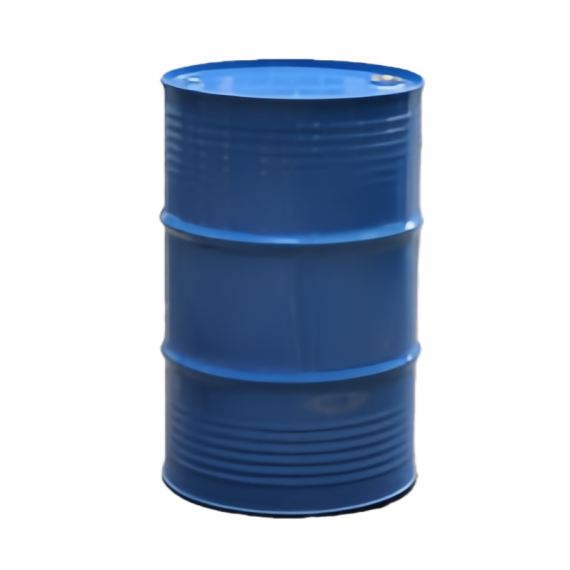
Industrial operations across manufacturing, chemical processing, and petroleum sectors rely heavily on metal barrels for storage and transportation of various materials. These containers face constant exposure to corrosive elements that can compromise their structural integrity and contaminate stored products. Metal barrel corrosion protection has become a critical consideration for businesses seeking to maintain operational efficiency while minimizing replacement costs and safety risks associated with barrel failure.
The degradation of metal containers through oxidation and chemical reactions poses significant challenges for industrial users. When protective measures fail, the resulting corrosion can lead to product contamination, environmental hazards, and substantial financial losses. Understanding the importance of proper metal barrel corrosion protection enables organizations to implement effective strategies that extend container lifecycles and ensure product quality throughout storage and transportation processes.
Understanding Corrosion Mechanisms in Metal Barrels
Electrochemical Corrosion Processes
Metal barrel corrosion protection begins with understanding the fundamental electrochemical processes that cause material degradation. When metal surfaces come into contact with moisture and oxygen, they create galvanic cells that facilitate electron transfer reactions. These reactions result in the oxidation of metal atoms, gradually weakening the barrel structure and creating pathways for further deterioration.
The rate of corrosion depends on several environmental factors including humidity levels, temperature fluctuations, and the presence of corrosive chemicals. Industrial environments often accelerate these processes due to exposure to acids, salts, and other reactive compounds that increase the conductivity of moisture films on metal surfaces. Without adequate protection, even high-quality steel drums can experience significant degradation within months of exposure to harsh industrial conditions.
Chemical Attack and Material Interaction
Beyond electrochemical corrosion, metal barrels face direct chemical attack from stored materials and environmental contaminants. Certain chemicals can react directly with metal substrates, creating corrosive byproducts that accelerate degradation processes. This type of attack is particularly concerning when storing reactive chemicals or when barrels are exposed to industrial atmospheres containing sulfur compounds or chlorides.
The interaction between stored materials and barrel walls can create localized corrosion cells that penetrate deeply into the metal substrate. These concentrated areas of attack often result in pitting corrosion, which can quickly compromise barrel integrity even when the overall surface appears relatively unaffected. Effective metal barrel corrosion protection must address both general surface corrosion and localized attack mechanisms.
Economic Impact of Barrel Corrosion
Direct Replacement and Maintenance Costs
The financial implications of inadequate metal barrel corrosion protection extend far beyond simple replacement costs. When barrels fail prematurely due to corrosion, companies face immediate expenses for new containers plus the costs associated with transferring materials and disposing of damaged units. Industrial-grade metal barrels represent significant capital investments, and premature failure can disrupt budget planning and procurement strategies.
Maintenance costs also escalate when corrosion protection fails, as damaged barrels require more frequent inspection, cleaning, and reconditioning. The labor costs associated with these activities can quickly exceed the initial investment in proper protective measures. Additionally, the administrative burden of tracking barrel conditions, scheduling replacements, and managing inventory becomes more complex when containers have shortened service lives due to corrosion.
Product Contamination and Quality Issues
Corroded metal barrels pose serious risks to product quality through contamination with rust particles, metal ions, and corrosion byproducts. These contaminants can alter product specifications, reduce shelf life, and potentially create safety hazards for end users. The cost of product recalls, quality control failures, and customer dissatisfaction often far exceeds the investment required for comprehensive metal barrel corrosion protection.
Industries dealing with pharmaceutical, food-grade, or high-purity chemicals face particularly severe consequences from container-related contamination. Regulatory compliance issues, batch rejections, and potential legal liabilities create additional financial risks that underscore the importance of maintaining barrel integrity throughout their service life. Proper corrosion protection helps ensure that stored materials maintain their intended quality and meet all applicable safety standards.
Safety and Environmental Considerations
Workplace Safety Risks
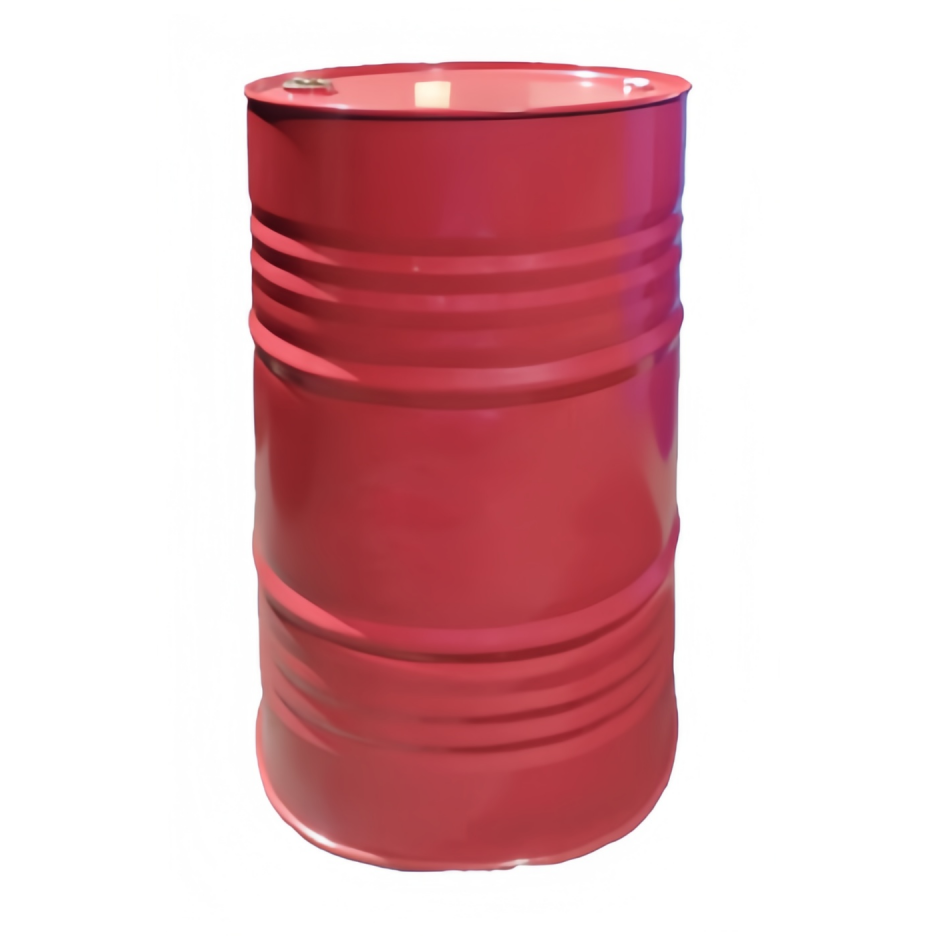
Corroded metal barrels present multiple safety hazards in industrial environments, ranging from structural failures during handling to leakage of hazardous materials. When corrosion weakens barrel walls or compromises sealing surfaces, the risk of unexpected failure increases dramatically during routine operations such as lifting, moving, or stacking. These failures can result in worker injuries, equipment damage, and emergency response situations that disrupt normal operations.
The sharp edges and irregular surfaces created by advanced corrosion also create cut and puncture hazards during manual handling operations. Workers may be exposed to toxic or corrosive substances when damaged barrels leak unexpectedly, requiring specialized cleanup procedures and potential medical intervention. Implementing effective metal barrel corrosion protection helps maintain safe working conditions and reduces the likelihood of accidents related to container failure.
Environmental Protection and Compliance
Environmental regulations increasingly focus on preventing contamination from industrial storage containers, making metal barrel corrosion protection essential for regulatory compliance. Leaked materials from corroded barrels can contaminate soil, groundwater, and air quality, triggering expensive remediation requirements and potential regulatory penalties. The environmental impact of container failures extends beyond immediate cleanup costs to include long-term monitoring and restoration activities.
Companies operating under strict environmental oversight must demonstrate proactive measures to prevent container-related releases. This includes implementing comprehensive corrosion protection programs that document barrel conditions, maintenance procedures, and replacement schedules. Failure to maintain adequate protection can result in violations of environmental permits, increased regulatory scrutiny, and restrictions on future operations.
Types of Corrosion Protection Systems
Protective Coating Technologies
Modern metal barrel corrosion protection relies heavily on advanced coating systems that create barriers between metal substrates and corrosive environments. Epoxy-phenolic coatings provide excellent chemical resistance and adhesion properties, making them ideal for barrels storing aggressive chemicals or operating in harsh industrial conditions. These coatings cure to form dense, non-porous films that effectively block moisture and chemical penetration.
Pure phenolic coatings offer superior resistance to high temperatures and acidic environments, making them suitable for specialized applications where standard protective systems may fail. The selection of appropriate coating systems depends on the specific chemicals being stored, operating temperatures, and expected service life requirements. Proper surface preparation and application techniques are critical for achieving optimal coating performance and longevity.
Cathodic Protection Methods
Cathodic protection systems provide electrochemical corrosion control by making the metal barrel surface cathodic relative to sacrificial anodes or impressed current systems. This approach is particularly effective for large storage installations where multiple barrels are grouped together or connected to common piping systems. Sacrificial zinc or magnesium anodes can be attached to barrel exteriors to provide localized protection in highly corrosive environments.
Impressed current systems offer more precise control over protection levels and can be adjusted to accommodate changing environmental conditions or varying corrosion rates. These systems require electrical power and monitoring equipment but provide reliable long-term protection for critical storage applications. The combination of cathodic protection with barrier coatings creates comprehensive metal barrel corrosion protection that addresses multiple failure mechanisms.
Implementation Strategies for Corrosion Protection
Assessment and Planning Procedures
Effective metal barrel corrosion protection begins with thorough assessment of existing conditions and identification of specific corrosion risks. This process involves evaluating the types of materials being stored, environmental exposure conditions, and historical performance data for similar applications. Detailed inspections of current barrel inventory help identify early signs of corrosion and prioritize protection efforts based on risk levels and replacement costs.
Planning procedures should establish clear criteria for selecting appropriate protection methods, scheduling application activities, and monitoring system performance over time. The development of standard operating procedures ensures consistent implementation across multiple facilities and helps maintain quality control during protection system installation. Regular review and updating of protection strategies helps adapt to changing operational requirements and emerging technology developments.
Quality Control and Monitoring Systems
Successful metal barrel corrosion protection requires ongoing monitoring and quality control measures to verify system effectiveness and identify potential problems before they result in failures. Visual inspection programs should include regular examination of coating condition, identification of damage or wear patterns, and documentation of environmental exposure changes that might affect protection performance.
Advanced monitoring techniques such as ultrasonic thickness testing and electrochemical measurements provide quantitative data on corrosion rates and remaining barrel life. These measurements help optimize maintenance schedules, predict replacement timing, and validate the effectiveness of protection systems. Digital tracking systems can automate much of the monitoring process and provide real-time alerts when barrel conditions approach critical thresholds.
Future Developments in Corrosion Protection
Advanced Material Technologies
Emerging developments in metal barrel corrosion protection focus on smart coating systems that can self-heal minor damage and provide real-time feedback on their condition. These advanced materials incorporate nanotechnology, microencapsulated corrosion inhibitors, and embedded sensors that monitor coating integrity and environmental conditions. The integration of these technologies promises to extend protection system life while reducing maintenance requirements and improving reliability.
Research into bio-based protective coatings offers potential environmental benefits while maintaining high performance standards. These systems utilize renewable raw materials and produce fewer volatile organic compounds during application, supporting sustainability goals while providing effective corrosion control. As environmental regulations continue to evolve, these alternative protection technologies may become increasingly important for industrial applications.
Digital Integration and Predictive Maintenance
The integration of digital technologies with traditional metal barrel corrosion protection creates opportunities for predictive maintenance and optimized protection strategies. Internet of Things sensors can continuously monitor barrel conditions, environmental parameters, and protection system performance, providing data for machine learning algorithms that predict failure timing and optimize maintenance schedules.
Blockchain technology offers potential for creating tamper-proof records of barrel history, protection system applications, and maintenance activities. This comprehensive documentation supports regulatory compliance, warranty claims, and quality assurance programs while providing valuable data for improving protection system design and implementation procedures.
FAQ
What factors determine the most appropriate corrosion protection method for metal barrels
The selection of metal barrel corrosion protection methods depends on several key factors including the chemical compatibility requirements of stored materials, environmental exposure conditions, expected service life, and budget constraints. Aggressive chemicals require specialized coating systems with superior chemical resistance, while outdoor storage applications need protection against UV exposure and temperature cycling. The frequency of barrel handling and cleaning also influences coating selection, as some systems offer better abrasion resistance than others.
How often should protective coatings on metal barrels be inspected and maintained
Inspection frequency for metal barrel corrosion protection systems typically ranges from monthly visual checks to annual detailed assessments, depending on the operating environment and criticality of the application. High-risk environments with exposure to corrosive chemicals or extreme temperatures may require monthly inspections, while mild indoor storage conditions might only need quarterly reviews. Any signs of coating damage, discoloration, or surface irregularities should trigger immediate detailed evaluation and potential repair or recoating activities.
Can existing corroded metal barrels be successfully restored with protective coatings
Existing corroded metal barrels can often be restored through proper surface preparation and application of appropriate protective coatings, provided the structural integrity has not been compromised. The restoration process typically involves removing all corrosion products through abrasive blasting or chemical treatment, followed by primer application and topcoat systems. However, barrels with significant pitting, wall thickness reduction, or structural damage may be beyond economical restoration and should be replaced to ensure safe operation.
What is the typical return on investment for implementing comprehensive corrosion protection programs
Comprehensive metal barrel corrosion protection programs typically provide return on investment ratios of 3:1 to 5:1 through extended barrel life, reduced maintenance costs, and prevention of product contamination issues. The initial investment in quality protection systems is usually recovered within 12-24 months through avoided replacement costs and reduced downtime. Additional benefits include improved safety performance, regulatory compliance, and customer satisfaction, which provide ongoing value throughout the barrel service life.
Table of Contents
- Understanding Corrosion Mechanisms in Metal Barrels
- Economic Impact of Barrel Corrosion
- Safety and Environmental Considerations
- Types of Corrosion Protection Systems
- Implementation Strategies for Corrosion Protection
- Future Developments in Corrosion Protection
-
FAQ
- What factors determine the most appropriate corrosion protection method for metal barrels
- How often should protective coatings on metal barrels be inspected and maintained
- Can existing corroded metal barrels be successfully restored with protective coatings
- What is the typical return on investment for implementing comprehensive corrosion protection programs
