
 EN
EN
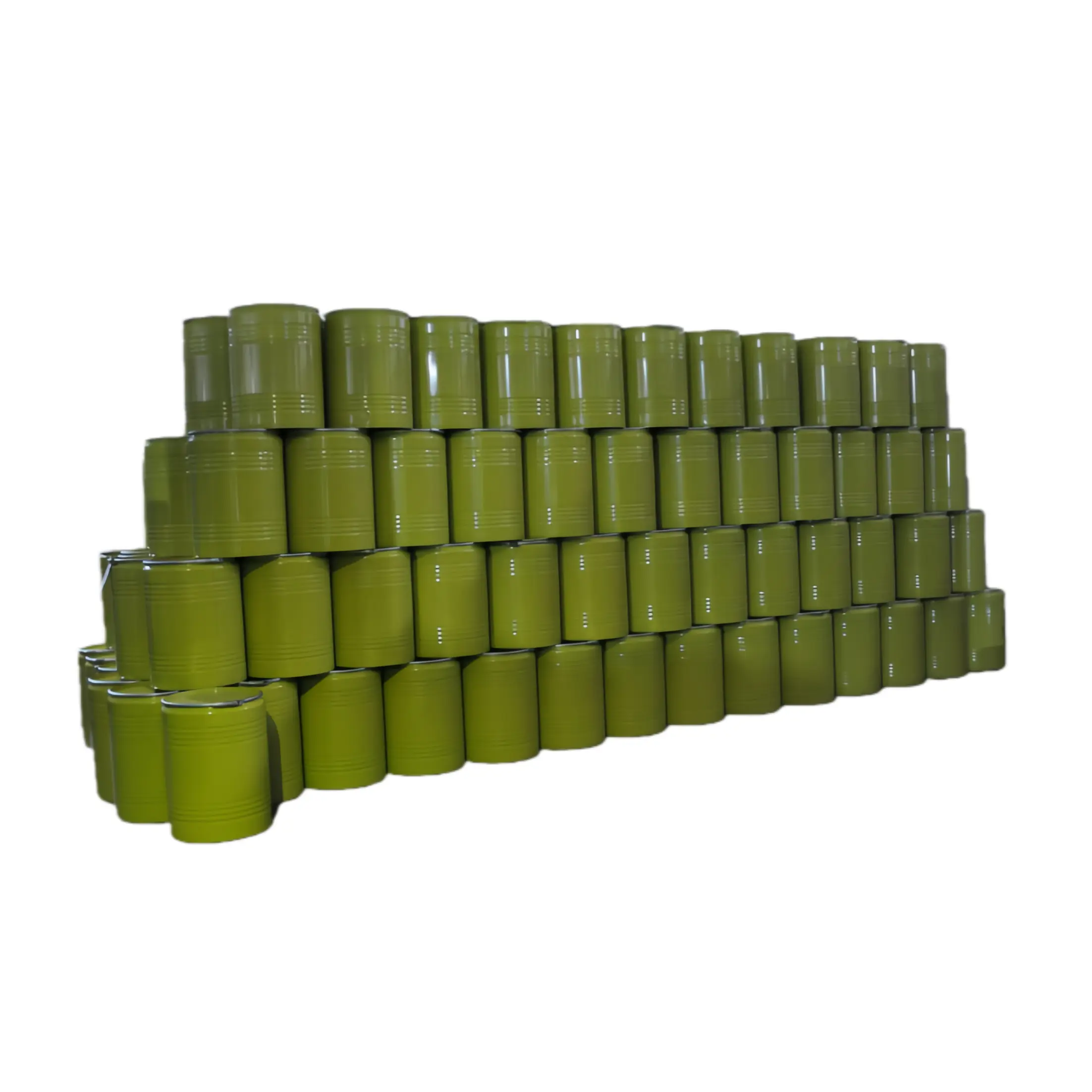
Industrial packaging solutions have evolved significantly over the decades, with small and intermediate steel drums emerging as essential containers for countless applications across diverse sectors. These versatile vessels offer superior protection, durability, and storage capacity for materials ranging from chemicals and pharmaceuticals to food products and specialized industrial compounds. Understanding which applications benefit most from small and intermediate steel drums can help businesses optimize their packaging strategies while ensuring product integrity and regulatory compliance.
Chemical Processing and Storage Applications
Specialized Chemical Compounds
The chemical industry relies heavily on small and intermediate steel drums for storing and transporting specialized compounds that require robust containment. These drums provide exceptional barrier properties against moisture, oxygen, and other environmental factors that could compromise chemical integrity. Laboratory chemicals, catalysts, and specialty reagents benefit particularly from the controlled environment that steel drums provide, ensuring consistent quality and extended shelf life.
Manufacturing facilities often require precise quantities of chemical additives and processing aids that are ideally suited for intermediate-sized containers. Small and intermediate steel drums allow for efficient inventory management while maintaining the high safety standards required for hazardous materials handling. The steel construction provides superior resistance to chemical corrosion compared to alternative materials, making these containers ideal for aggressive substances.
Pharmaceutical Raw Materials
Pharmaceutical manufacturing demands the highest levels of purity and contamination control, making small and intermediate steel drums an excellent choice for active pharmaceutical ingredients and excipients. These containers offer hermetic sealing capabilities that prevent moisture ingress and maintain sterile conditions throughout the supply chain. The smooth interior surfaces of properly lined steel drums minimize particle generation and facilitate thorough cleaning protocols.
Quality control laboratories in pharmaceutical facilities frequently utilize smaller steel drums for storing reference standards, testing reagents, and validated raw materials. The traceability requirements in pharmaceutical manufacturing are well-served by the marking capabilities and documentation systems that accompany professional-grade steel drum solutions.
Food and Beverage Industry Applications
Specialty Food Ingredients
The food processing industry increasingly relies on small and intermediate steel drums for specialty ingredients that require precise handling and storage conditions. Flavor concentrates, food-grade acids, and nutritional supplements benefit from the inert storage environment that properly lined steel drums provide. These containers prevent flavor migration and maintain the sensory properties that are critical for food quality.
Artisanal food producers and specialty manufacturers often work with batch sizes that align perfectly with intermediate drum capacities. Small and intermediate steel drums enable these producers to maintain ingredient freshness while managing inventory costs effectively. The food-grade certification standards for steel drums ensure compliance with stringent food safety regulations.
Beverage Concentrates and Syrups
Beverage manufacturers utilize small and intermediate steel drums extensively for storing and transporting concentrated flavoring agents, liquid sugars, and proprietary syrup formulations. The light-blocking properties of steel drums protect photosensitive compounds from degradation, while the robust construction prevents contamination during handling and storage operations.
Craft breweries and distilleries have found small and intermediate steel drums particularly valuable for specialty ingredients and aging components. The controlled atmosphere within properly sealed steel drums helps preserve the complex flavor profiles that distinguish premium beverages from mass-produced alternatives.
Industrial Manufacturing and Processing
Lubricants and Specialty Fluids
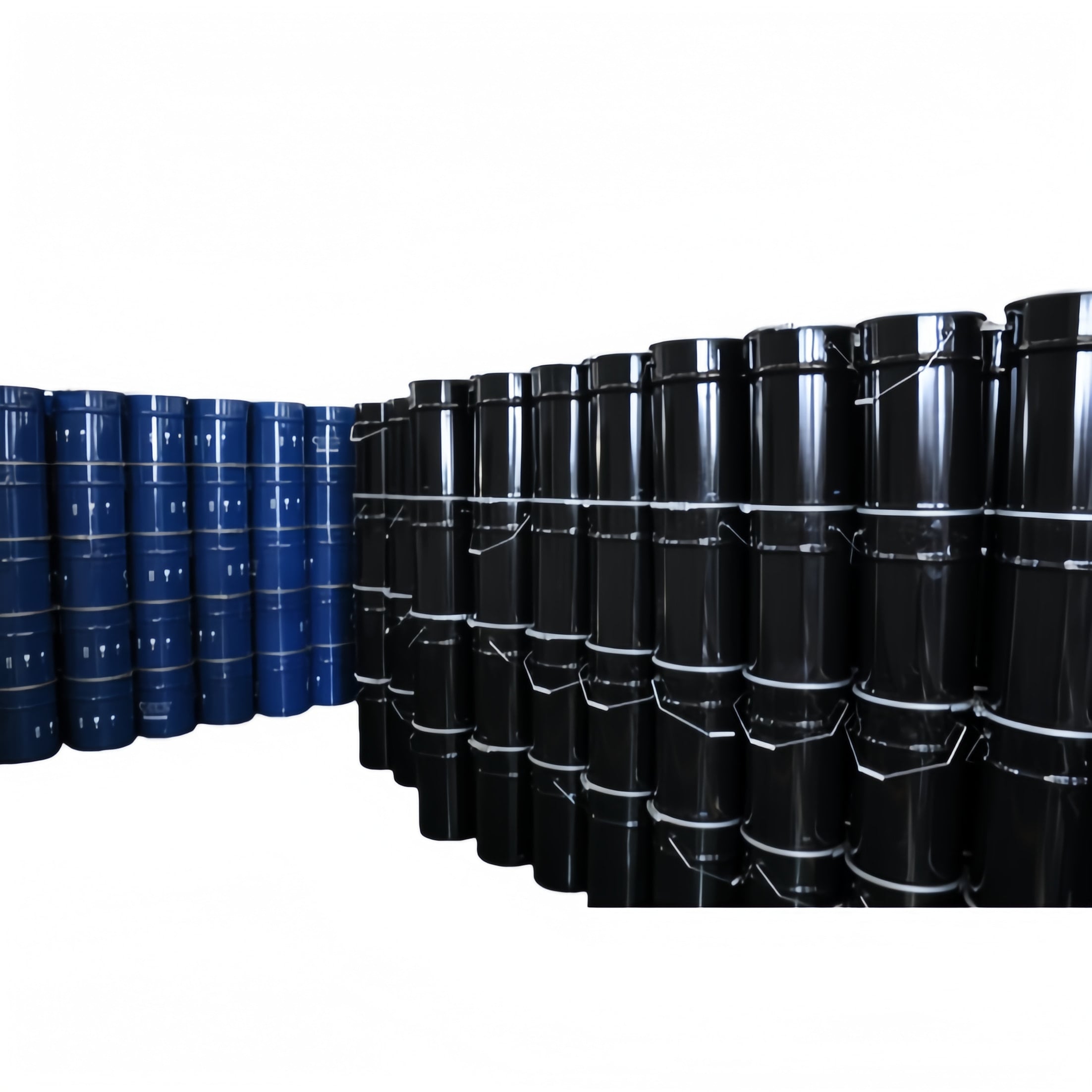
Manufacturing facilities across industries depend on small and intermediate steel drums for storing high-performance lubricants, hydraulic fluids, and specialized processing oils. These applications require containers that maintain fluid purity while preventing contamination from external sources. Steel drums provide the necessary protection against temperature fluctuations and environmental exposure that could alter fluid properties.
Maintenance operations in manufacturing plants benefit from the manageable size and handling characteristics of intermediate steel drums. These containers allow for efficient dispensing and application of specialty fluids while minimizing waste and ensuring worker safety. The durability of steel construction reduces replacement costs and supports sustainable packaging practices.
Adhesives and Sealants
Industrial adhesive manufacturers and end-users frequently choose small and intermediate steel drums for storing reactive adhesive systems, structural bonding agents, and specialized sealant compounds. The barrier properties of steel prevent premature curing and maintain adhesive performance characteristics throughout the product lifecycle.
Construction and aerospace industries utilize these drums for storing critical bonding materials that require precise application and consistent quality. The ability to maintain controlled storage conditions within small and intermediate steel drums ensures that adhesive systems perform according to specifications in demanding applications.
Environmental and Waste Management Solutions
Hazardous Waste Collection
Environmental service providers rely on small and intermediate steel drums for collecting and transporting various categories of hazardous waste materials. These containers provide the regulatory compliance and safety features required for waste management operations while offering the durability needed for repeated use cycles.
Laboratory waste streams and industrial byproducts often require segregation into smaller quantities that align well with intermediate drum capacities. The standardized sizing of small and intermediate steel drums facilitates efficient handling, transportation, and disposal processes while maintaining regulatory compliance throughout the waste management chain.
Remediation and Treatment Applications
Environmental remediation projects frequently utilize small and intermediate steel drums for storing treatment chemicals, contaminated materials, and process byproducts. The robust construction and leak-resistant design of these containers provide essential safety features for handling potentially dangerous substances during cleanup operations.
Water treatment facilities and environmental consulting firms benefit from the versatility and reliability of steel drum systems for managing various treatment chemicals and process materials. The ability to customize interior coatings and closures makes small and intermediate steel drums adaptable to diverse remediation applications.
Emerging Applications and Future Trends
Renewable Energy Sector
The growing renewable energy sector has created new demand for small and intermediate steel drums in applications ranging from battery electrolyte storage to solar panel manufacturing chemicals. These industries require containers that meet stringent purity standards while providing reliable protection for expensive and sensitive materials.
Energy storage system manufacturers utilize small and intermediate steel drums for storing electrolyte solutions, thermal management fluids, and specialized compounds used in advanced battery technologies. The precision manufacturing requirements in this sector align well with the quality standards achievable through professional steel drum production.
Biotechnology and Life Sciences
Biotechnology companies increasingly depend on small and intermediate steel drums for storing cell culture media, buffer solutions, and purification chemicals used in biomanufacturing processes. The sterility maintenance and contamination prevention capabilities of properly designed steel drums support the stringent requirements of biotechnology applications.
Research institutions and contract manufacturing organizations benefit from the scalability and standardization that small and intermediate steel drums provide for managing diverse biological and chemical materials. The ability to implement validated cleaning and sterilization procedures makes these containers valuable assets in regulated biotechnology environments.
Frequently Asked Questions
What size range defines small and intermediate steel drums?
Small and intermediate steel drums typically range from 5 gallons to 55 gallons in capacity, with the most common sizes being 15, 30, and 55-gallon configurations. These sizes provide optimal handling characteristics while meeting diverse application requirements across industries. The specific size selection depends on factors such as material properties, usage frequency, and storage constraints within individual facilities.
How do steel drums compare to plastic alternatives for chemical storage?
Steel drums offer superior chemical resistance, barrier properties, and durability compared to plastic alternatives, particularly for aggressive chemicals and long-term storage applications. While plastic containers may be suitable for certain applications, small and intermediate steel drums provide enhanced protection against permeation, temperature extremes, and physical damage. The recyclability and reusability of steel drums also support environmental sustainability goals.
What regulatory considerations apply to using steel drums for hazardous materials?
Steel drums used for hazardous materials must comply with Department of Transportation regulations, including UN specification requirements for construction, testing, and marking. Small and intermediate steel drums designed for hazardous materials undergo rigorous testing for drop resistance, stacking strength, and leak-tightness. Proper certification and documentation are essential for legal transportation and storage of hazardous substances.
Can small and intermediate steel drums be customized for specific applications?
Yes, manufacturers offer extensive customization options for small and intermediate steel drums, including specialized interior coatings, closure systems, and marking requirements. Custom solutions can address specific chemical compatibility needs, regulatory requirements, and operational preferences. Working with experienced drum manufacturers ensures that customized solutions meet both performance requirements and regulatory standards for intended applications.
