
 EN
EN
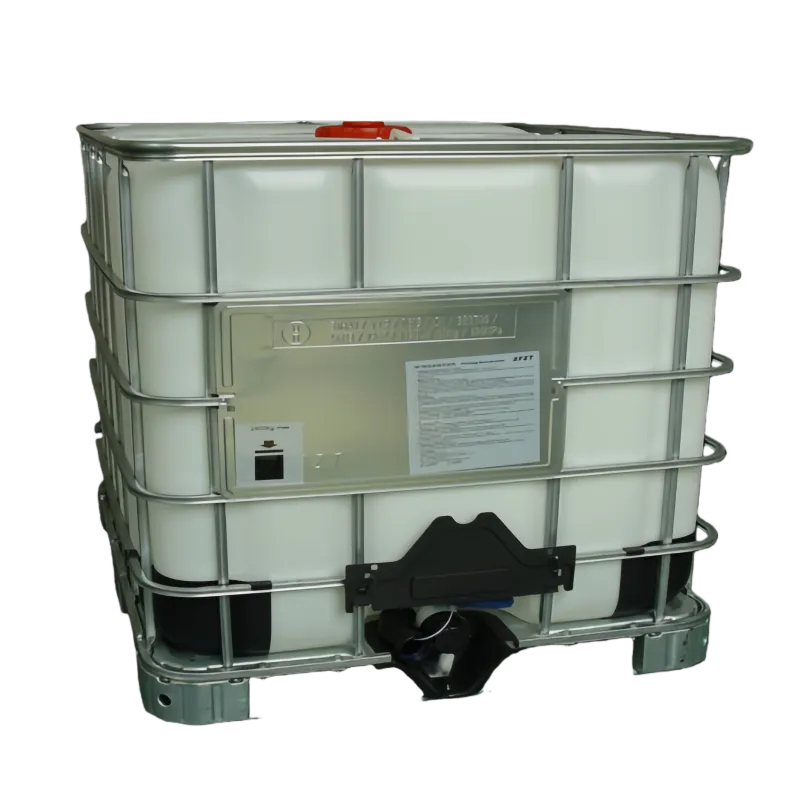
Industrial storage and transportation operations face constant challenges when it comes to preventing leakage incidents that can result in environmental contamination, regulatory violations, and significant financial losses. Steel drums have emerged as the preferred solution for countless industries requiring secure containment of liquids, chemicals, and hazardous materials. These robust containers offer unparalleled protection through their engineered design features, advanced sealing mechanisms, and structural integrity that far exceeds alternative storage options.
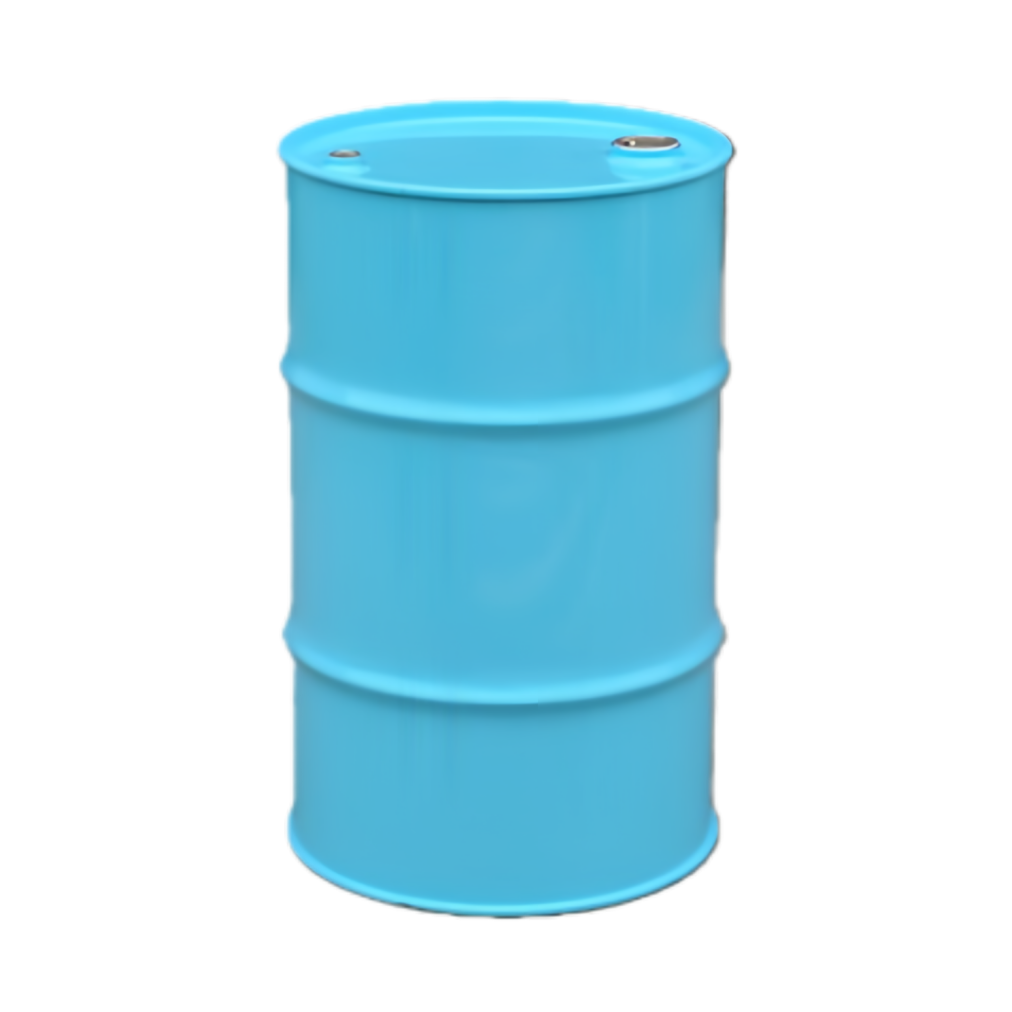
Modern manufacturing facilities, chemical processing plants, and distribution centers depend heavily on reliable containment systems to maintain operational efficiency while adhering to strict safety protocols. The evolution of steel drum technology has addressed numerous vulnerabilities present in traditional storage methods, incorporating innovative materials and precision engineering to create virtually leak-proof solutions. Understanding how these containers achieve such remarkable performance levels enables organizations to make informed decisions about their storage infrastructure investments.
Advanced Sealing Technology in Steel Drum Construction
Multi-Layer Gasket Systems
The foundation of leak prevention in steel drums begins with sophisticated gasket technology that creates multiple barriers against fluid escape. Premium steel drums utilize high-performance elastomeric seals engineered to withstand extreme temperatures, chemical exposure, and mechanical stress over extended periods. These gaskets undergo rigorous testing protocols to ensure compatibility with various substances while maintaining consistent sealing pressure throughout the container's operational lifespan.
Manufacturing specifications for these sealing systems incorporate redundant protection layers that activate when primary seals experience wear or damage. The gasket materials selected for steel drums demonstrate exceptional resistance to swelling, hardening, and degradation when exposed to aggressive chemicals commonly stored in industrial applications. Quality control measures during production verify that each gasket meets dimensional tolerances critical for achieving optimal compression and sealing performance.
Precision-Engineered Closure Mechanisms
Contemporary steel drums feature closure systems designed with mathematical precision to distribute clamping forces evenly across the entire sealing surface. The threaded closures undergo specialized heat treatment processes that enhance their structural integrity while preventing deformation under high torque applications. These mechanisms incorporate anti-seize coatings that facilitate proper installation and removal while maintaining consistent sealing pressure over multiple use cycles.
The geometric design of modern closure systems eliminates stress concentration points that historically contributed to seal failures in older drum designs. Engineers have optimized the thread pitch, engagement length, and bearing surface geometry to maximize sealing effectiveness while minimizing the risk of overtightening damage. Regular calibration of torque specifications ensures that field personnel achieve optimal closure tension without compromising the integrity of sealing components.
Structural Design Features That Prevent Container Failure
Enhanced Wall Thickness and Material Selection
The structural foundation of leak-resistant steel drums begins with carefully selected materials that provide superior mechanical properties under diverse operating conditions. Manufacturers utilize high-grade steel alloys that demonstrate exceptional tensile strength, impact resistance, and corrosion protection throughout the container's service life. Wall thickness specifications exceed industry minimums to provide additional safety margins against punctures, dents, and other physical damage that could compromise containment integrity.
Material selection processes consider the specific chemical compatibility requirements of target applications, ensuring that steel compositions resist corrosion and maintain structural stability when exposed to aggressive substances. Advanced metallurgical treatments enhance the base material properties, creating uniform grain structures that eliminate weak points susceptible to stress-induced failures. Quality assurance protocols verify material properties through destructive testing of representative samples from each production batch.
Reinforced Construction Joints and Seam Welding
Critical failure points in traditional containers often occur at construction joints where separate components connect, making advanced welding techniques essential for steel drums used in demanding applications. Modern manufacturing employs automated welding systems that produce consistent, full-penetration seams with superior metallurgical properties compared to manual welding methods. These systems maintain precise heat input control and travel speeds that optimize weld quality while minimizing distortion and residual stress patterns.
Post-weld treatment processes further enhance joint integrity through stress relief annealing and surface finishing operations that eliminate potential leak paths. Non-destructive testing methods verify weld quality throughout production, identifying any discontinuities that could develop into leakage points over time. The resulting construction joints demonstrate strength characteristics that often exceed the base material properties, creating truly monolithic container structures.
Quality Control and Testing Protocols for Leak Prevention
Hydrostatic Pressure Testing Standards
Comprehensive testing protocols ensure that every steel drum meets stringent leak-resistance standards before reaching end users. Hydrostatic pressure testing subjects each container to internal pressures significantly exceeding normal operating conditions, verifying structural integrity and seal effectiveness under extreme stress. These tests identify potential weak points that might not be apparent during visual inspection, providing quantitative data on container performance capabilities.
Testing parameters align with international standards while often exceeding minimum requirements to provide additional safety margins for critical applications. Automated test equipment monitors pressure levels, duration, and any signs of leakage with precision instrumentation capable of detecting minute changes in container volume. Documentation of test results creates traceable quality records that support regulatory compliance and customer confidence in product reliability.
Long-Term Performance Validation
Extended durability testing programs evaluate steel drums performance under accelerated aging conditions that simulate years of operational exposure in compressed timeframes. These evaluations examine how sealing systems, structural components, and protective coatings respond to temperature cycling, chemical exposure, and mechanical stress patterns representative of real-world applications. Data from these programs enables continuous improvement of design specifications and material selections.
Field performance monitoring programs track the actual service performance of steel drums across various industries and operating environments. This feedback provides valuable insights into failure modes, maintenance requirements, and optimization opportunities that laboratory testing might not reveal. The combination of accelerated testing and field data creates a comprehensive understanding of container performance that supports ongoing product development initiatives.
Industry Applications and Performance Benefits
Chemical Processing and Manufacturing
Chemical processing facilities require storage solutions that maintain absolute containment integrity when handling corrosive, toxic, or reactive materials that pose significant safety and environmental risks. Steel drums provide the necessary protection levels through their robust construction and proven resistance to chemical attack from a wide range of substances. Manufacturing operations benefit from the reliable performance characteristics that enable predictable inventory management and reduced risk of production disruptions due to container failures.
Process engineers specify steel drums for critical applications where container failure could result in catastrophic consequences including equipment damage, production line shutdowns, and environmental releases. The consistent performance of these containers enables optimization of handling procedures, storage layouts, and transportation protocols that maximize operational efficiency while maintaining safety standards. Regular performance monitoring confirms that steel drums continue meeting operational requirements throughout their service lives.
Pharmaceutical and Food Grade Applications
Pharmaceutical manufacturing requires storage containers that prevent contamination while maintaining product purity throughout storage and transportation cycles. Steel drums designed for these applications incorporate specialized interior coatings and surface treatments that resist bacterial growth and chemical interactions that could compromise product quality. Regulatory compliance in pharmaceutical applications demands comprehensive documentation of container materials, manufacturing processes, and quality control procedures.
Food processing operations utilize steel drums for ingredients, intermediate products, and finished goods that require protection from contamination and spoilage. These applications benefit from the non-porous surfaces and cleanability of steel containers that support sanitation protocols essential for food safety. The durability of steel drums enables multiple use cycles with appropriate cleaning and maintenance procedures, providing cost-effective solutions for high-volume operations.
Maintenance and Inspection Strategies
Preventive Maintenance Programs
Systematic maintenance programs extend the service life of steel drums while maintaining optimal leak-resistance performance throughout their operational period. These programs include regular inspection of sealing surfaces, closure mechanisms, and structural components for signs of wear, damage, or deterioration that could compromise containment integrity. Maintenance schedules align with usage patterns and environmental exposure conditions to optimize inspection frequency and resource allocation.
Preventive maintenance procedures address common wear patterns before they develop into functional failures that could result in leakage incidents. Training programs ensure that maintenance personnel understand proper inspection techniques, replacement procedures, and documentation requirements that support regulatory compliance. Standardized maintenance protocols create consistency across operations while providing measurable performance metrics for continuous improvement initiatives.
Condition Monitoring Technologies
Advanced monitoring technologies enable real-time assessment of steel drums condition without disrupting normal operations or requiring container evacuation. These systems can detect early signs of structural fatigue, seal degradation, or other conditions that might lead to leakage failures if left unaddressed. Integration with facility management systems provides automated alerts and trending data that support proactive maintenance decision-making.
Portable inspection equipment enables field assessment of container condition during routine operations, providing immediate feedback on structural integrity and seal effectiveness. These tools support both scheduled maintenance activities and incident response procedures when containers experience damage or unusual operating conditions. Documentation of inspection results creates historical records that support lifecycle management decisions and replacement planning.
FAQ
What makes steel drums more leak-resistant than plastic containers?
Steel drums offer superior leak resistance through their robust structural design, advanced sealing systems, and resistance to physical damage that commonly affects plastic containers. The metal construction provides exceptional puncture resistance and maintains dimensional stability under temperature variations and mechanical stress. Additionally, steel drums utilize precision-engineered closure systems with high-performance gaskets that create more reliable seals compared to threaded plastic closures that may deform or crack over time.
How often should steel drums be inspected for potential leakage issues?
Inspection frequency depends on the specific application, stored materials, and operating environment, but most facilities implement monthly visual inspections combined with quarterly detailed assessments of sealing components and structural integrity. Containers storing hazardous materials or operating in harsh environments may require more frequent inspections, while less demanding applications might extend inspection intervals based on performance history and risk assessment results.
Can damaged steel drums be repaired to restore leak-resistant properties?
Minor damage to steel drums can often be repaired using approved procedures that restore containment integrity, but repairs must be performed by qualified personnel using appropriate materials and techniques. Structural damage, significant corrosion, or seal surface damage typically requires professional evaluation to determine if repair is feasible or if container replacement is necessary. All repairs must be validated through appropriate testing to ensure leak-resistance meets original specifications.
What environmental factors most commonly contribute to steel drum leakage failures?
Temperature extremes, chemical exposure, and mechanical stress represent the primary environmental factors that can compromise steel drums integrity over time. Rapid temperature changes can affect seal materials and create thermal stress in container structures, while aggressive chemicals may attack protective coatings or gasket materials. Physical impacts, vibration, and improper handling during transportation or storage operations also contribute to structural damage that can develop into leakage points if not addressed promptly.
