
 EN
EN
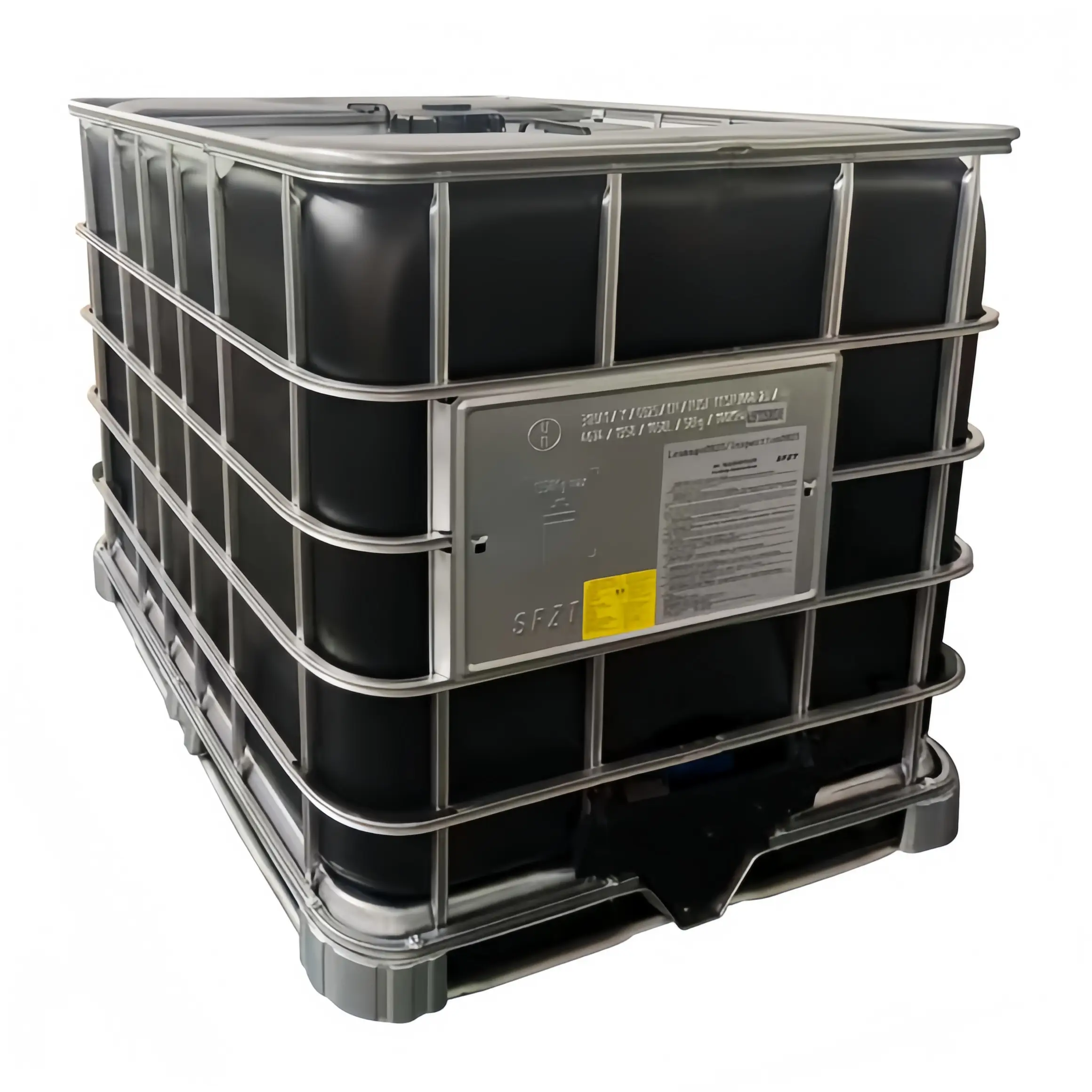
The protection of sensitive materials during storage and transportation has become increasingly critical in today's industrial landscape. Industries handling chemicals, pharmaceuticals, and specialty materials require containers that offer superior protection against contamination, corrosion, and environmental factors. Inner coating steel drums have emerged as the preferred solution for companies seeking reliable containment systems that maintain product integrity while ensuring safety compliance. These specialized containers provide an essential barrier between reactive materials and the steel substrate, preventing unwanted chemical interactions that could compromise product quality or create safety hazards.
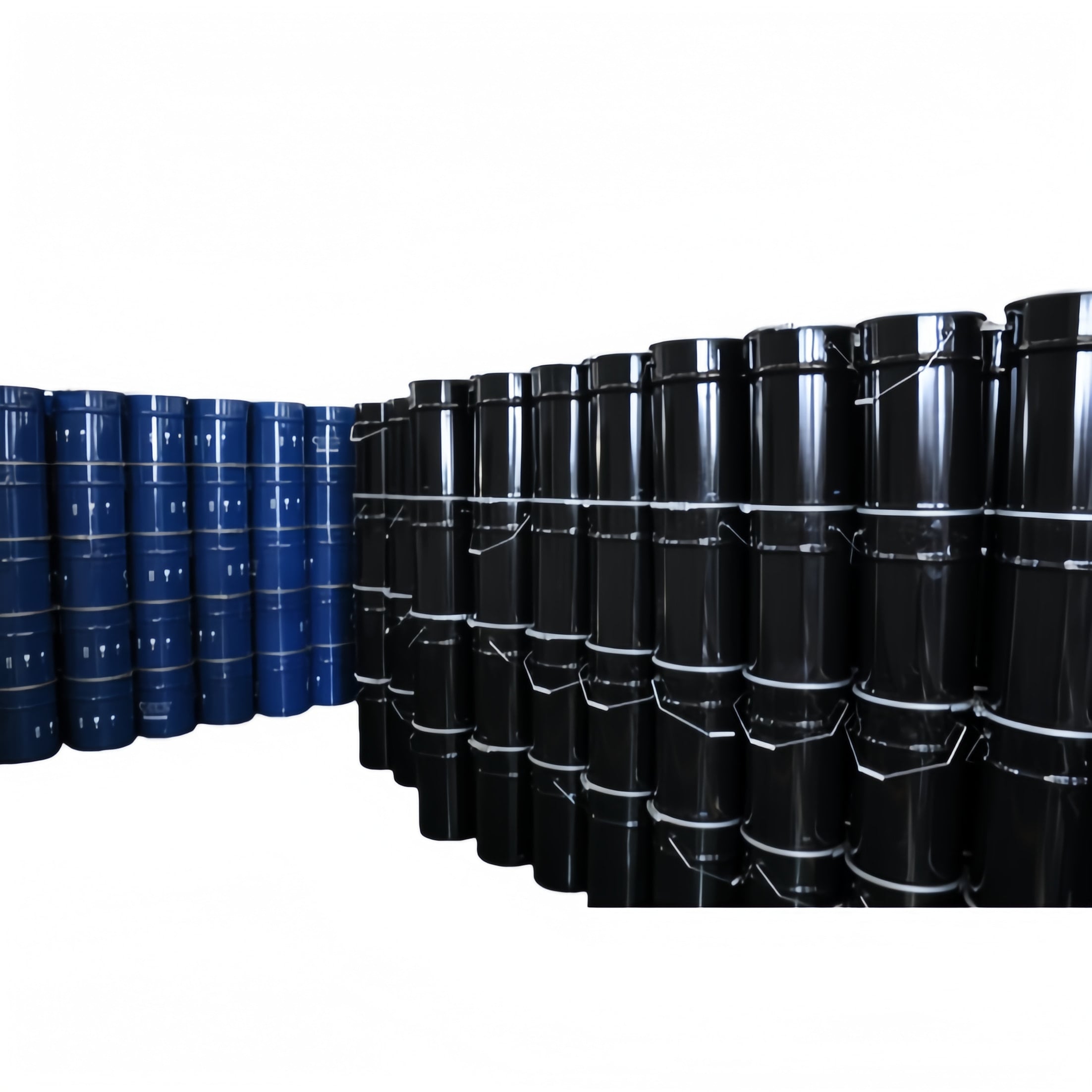
Understanding Inner Coating Technology in Steel Drums
Composition and Material Properties
Inner coating steel drums utilize advanced polymer and resin technologies to create a protective barrier on the interior surface of steel containers. These coatings typically consist of epoxy, phenolic, or polyurethane formulations that are specifically engineered to resist chemical attack and prevent corrosion. The coating process involves precise application techniques that ensure uniform coverage and optimal adhesion to the steel substrate. Modern manufacturing processes employ electrostatic spray application, powder coating, or liquid coating systems that create seamless, pinhole-free barriers essential for maintaining product purity.
The chemical composition of these coatings is carefully selected based on the intended application and the types of materials they will contain. Epoxy-based coatings offer excellent chemical resistance and durability, making them suitable for a wide range of industrial chemicals and solvents. Phenolic coatings provide superior resistance to acids and aggressive chemicals, while polyurethane formulations offer flexibility and impact resistance. The thickness of these coatings typically ranges from 25 to 100 microns, depending on the application requirements and the level of protection needed.
Manufacturing Process and Quality Control
The manufacturing of inner coating steel drums involves a multi-stage process that begins with steel preparation and surface treatment. The steel substrate undergoes thorough cleaning and pretreatment to remove any contaminants, oils, or oxidation that could interfere with coating adhesion. This preparation phase is critical for ensuring the long-term performance and reliability of the finished container. Following surface preparation, the coating material is applied using specialized equipment that ensures consistent thickness and coverage across the entire interior surface.
Quality control measures throughout the manufacturing process include coating thickness measurements, adhesion testing, and chemical resistance evaluations. These rigorous testing protocols ensure that each drum meets or exceeds industry standards for performance and safety. Post-application curing processes, whether thermal or chemical, are carefully controlled to achieve optimal coating properties and cross-linking density. The result is a container that provides reliable protection for sensitive materials while maintaining structural integrity under various operating conditions.
Superior Protection Mechanisms
Chemical Resistance and Compatibility
The primary advantage of inner coating steel drums lies in their exceptional chemical resistance properties. These coatings create an inert barrier that prevents direct contact between stored materials and the steel substrate, eliminating the risk of chemical reactions that could lead to contamination or product degradation. This protection is particularly crucial when storing acidic solutions, organic solvents, or reactive chemicals that would otherwise corrode unprotected steel surfaces. The coating formulations are designed to withstand prolonged exposure to aggressive chemicals without degradation or failure.
Chemical compatibility testing ensures that inner coating steel drums are suitable for specific applications and materials. These tests evaluate factors such as chemical attack resistance, permeation rates, and long-term stability under various temperature and concentration conditions. The results help manufacturers and end-users select the appropriate coating system for their specific requirements, ensuring optimal performance and safety throughout the product lifecycle.
Corrosion Prevention and Longevity
Corrosion prevention is a fundamental benefit provided by inner coating steel drums, as the protective barrier isolates the steel from corrosive elements present in stored materials or environmental conditions. This isolation prevents electrochemical reactions that lead to rust formation and structural deterioration, significantly extending the service life of the container. The coatings are formulated to provide excellent moisture barrier properties, preventing water vapor transmission that could contribute to corrosion initiation or propagation.
The longevity of inner coating steel drums translates to reduced replacement costs and improved operational efficiency for industrial users. These containers can withstand multiple filling and emptying cycles while maintaining their protective properties, making them cost-effective solutions for companies with recurring storage and transportation needs. The extended service life also contributes to sustainability goals by reducing waste generation and resource consumption associated with frequent container replacement.
Applications in Sensitive Material Storage
Pharmaceutical and Food Grade Applications
Inner coating steel drums play a crucial role in pharmaceutical manufacturing and food processing industries where product purity and contamination prevention are paramount. These industries require containers that meet strict regulatory standards for cleanliness, chemical inertness, and traceability. The coatings used in pharmaceutical applications are typically FDA-approved and designed to prevent leaching of substances that could compromise drug efficacy or safety. Food-grade coatings ensure that stored materials remain free from metallic contamination and off-flavors that could affect product quality.
The smooth, non-porous surface of coated drums facilitates easy cleaning and sanitization procedures required in these regulated industries. This cleanability is essential for preventing cross-contamination between different products and maintaining the high hygiene standards necessary for pharmaceutical and food applications. Inner coating steel drums used in these sectors often feature specialized coating formulations that resist cleaning chemicals and sanitizing agents while maintaining their protective properties over extended periods.
Chemical and Industrial Applications
Chemical manufacturing and processing industries rely heavily on inner coating steel drums for storing and transporting aggressive chemicals, solvents, and specialty materials. These applications often involve materials with high reactivity, acidity, or alkalinity that would quickly degrade unprotected steel containers. The protective coatings enable safe handling of materials such as acids, bases, organic solvents, and specialty chemicals that are essential to modern industrial processes.
Industrial applications of inner coating steel drums extend beyond chemical storage to include paints, coatings, adhesives, and other specialty formulations that require contamination-free storage. The inert nature of the coating surface prevents catalytic reactions that could cause premature curing or degradation of stored materials. This protection is particularly important for materials with long storage periods or those sensitive to trace metal contamination that could affect their performance characteristics.
Environmental and Safety Benefits
Reduced Environmental Impact
Inner coating steel drums contribute significantly to environmental protection by preventing product contamination and reducing waste generation. The enhanced protection provided by these coatings minimizes the risk of product loss due to contamination or container failure, reducing the environmental impact associated with disposal of damaged goods. Additionally, the extended service life of coated drums reduces the frequency of container replacement, conserving raw materials and energy required for manufacturing new containers.
The recyclability of steel drums remains intact with inner coatings, as modern coating formulations are designed to be compatible with steel recycling processes. This compatibility ensures that end-of-life containers can be processed through existing recycling infrastructure, supporting circular economy principles and reducing waste sent to landfills. The environmental benefits extend to reduced transportation requirements due to fewer container replacements and lower failure rates during shipping and handling.
Enhanced Safety Performance
Safety performance is dramatically improved with inner coating steel drums due to their superior containment properties and reduced risk of failure. The protective coatings prevent the formation of corrosion products that could weaken container walls or create leak paths, maintaining structural integrity throughout the container's service life. This reliability is crucial for applications involving hazardous materials where container failure could result in serious safety incidents or environmental releases.
The smooth, chemically inert surface of coated drums also reduces the risk of static electricity buildup during material transfer operations, which is particularly important when handling flammable solvents or powders. Inner coating steel drums designed for hazardous material applications often incorporate additional safety features such as pressure relief systems and enhanced sealing mechanisms that work in conjunction with the protective coating to provide comprehensive containment solutions.
Economic Advantages and Cost Effectiveness
Long-term Value Proposition
The economic benefits of inner coating steel drums become apparent when considering total cost of ownership rather than initial purchase price alone. These containers typically command a premium over standard steel drums, but their extended service life and superior performance characteristics result in lower overall costs for many applications. The reduced frequency of container replacement, lower product loss rates, and decreased maintenance requirements contribute to significant cost savings over time.
Companies using inner coating steel drums often report improved operational efficiency due to reduced downtime associated with container failures or product contamination incidents. The reliability of these containers allows for more predictable scheduling and reduced inventory requirements for replacement containers. This operational stability translates to cost savings that often justify the higher initial investment in coated containers.
Risk Mitigation and Insurance Benefits
Inner coating steel drums provide substantial risk mitigation benefits that can translate to reduced insurance premiums and liability exposure for companies handling sensitive materials. The superior containment properties and reduced failure rates of these containers minimize the risk of product loss, environmental releases, and safety incidents that could result in significant financial liabilities. Insurance companies increasingly recognize the value of using high-quality containers and may offer premium reductions for companies demonstrating commitment to risk reduction through proper container selection.
The documentation and traceability associated with inner coating steel drums also support risk management efforts by providing clear evidence of proper material handling practices. This documentation can be valuable in regulatory compliance efforts and may help companies avoid penalties or sanctions related to improper material storage or handling. The reduced risk profile associated with these containers makes them attractive to companies seeking to minimize their exposure to operational and environmental liabilities.
Future Developments and Innovation
Advanced Coating Technologies
The future of inner coating steel drums lies in the development of advanced coating technologies that offer even greater protection and performance capabilities. Research efforts focus on nanostructured coatings that provide enhanced barrier properties while maintaining flexibility and adhesion characteristics. These next-generation coatings may incorporate smart materials that can indicate when coating integrity is compromised or when maintenance is required, providing early warning systems for potential container failures.
Biodegradable and environmentally friendly coating formulations are also under development to address growing environmental concerns while maintaining the protective properties essential for sensitive material storage. These innovations aim to reduce the environmental impact of container manufacturing and disposal while providing the same level of protection currently offered by conventional coating systems. The integration of antimicrobial properties into coating formulations represents another area of active development, particularly for pharmaceutical and food applications.
Smart Container Integration
The integration of smart technologies with inner coating steel drums represents a significant opportunity for enhancing material tracking, condition monitoring, and safety management. Sensors embedded in container walls or coating systems could provide real-time information about internal conditions, coating integrity, and material properties. This data could be transmitted wirelessly to monitoring systems, enabling predictive maintenance and early detection of potential problems.
Digital tracking and identification systems integrated with inner coating steel drums could improve supply chain visibility and traceability, which is particularly important for regulated industries such as pharmaceuticals and chemicals. These systems could automatically record handling events, environmental exposures, and usage history, providing valuable data for quality control and regulatory compliance purposes. The combination of advanced coatings and smart technologies promises to create container systems that offer unprecedented levels of protection and information management for sensitive materials.
FAQ
What types of materials are best suited for storage in inner coating steel drums
Inner coating steel drums are ideally suited for storing chemically aggressive materials, pharmaceuticals, food ingredients, specialty chemicals, and any materials requiring contamination-free storage. The specific coating formulation should be selected based on the chemical compatibility requirements of the stored material to ensure optimal protection and performance.
How long do inner coating steel drums typically last in service
The service life of inner coating steel drums varies depending on the application, stored materials, and operating conditions, but they typically provide 5-10 years of reliable service with proper handling and maintenance. Some applications may see even longer service life when the containers are used for less aggressive materials or under controlled environmental conditions.
Can inner coating steel drums be recycled at the end of their service life
Yes, inner coating steel drums can be recycled through standard steel recycling processes. Modern coating formulations are designed to be compatible with recycling operations, and the steel content retains its value for reprocessing into new steel products, supporting circular economy principles and environmental sustainability.
What testing is performed to ensure coating quality and performance
Comprehensive testing of inner coating steel drums includes adhesion testing, chemical resistance evaluation, coating thickness measurement, impact resistance testing, and accelerated aging studies. These tests ensure that the containers meet industry standards and will perform reliably under expected operating conditions throughout their service life.
