
 EN
EN
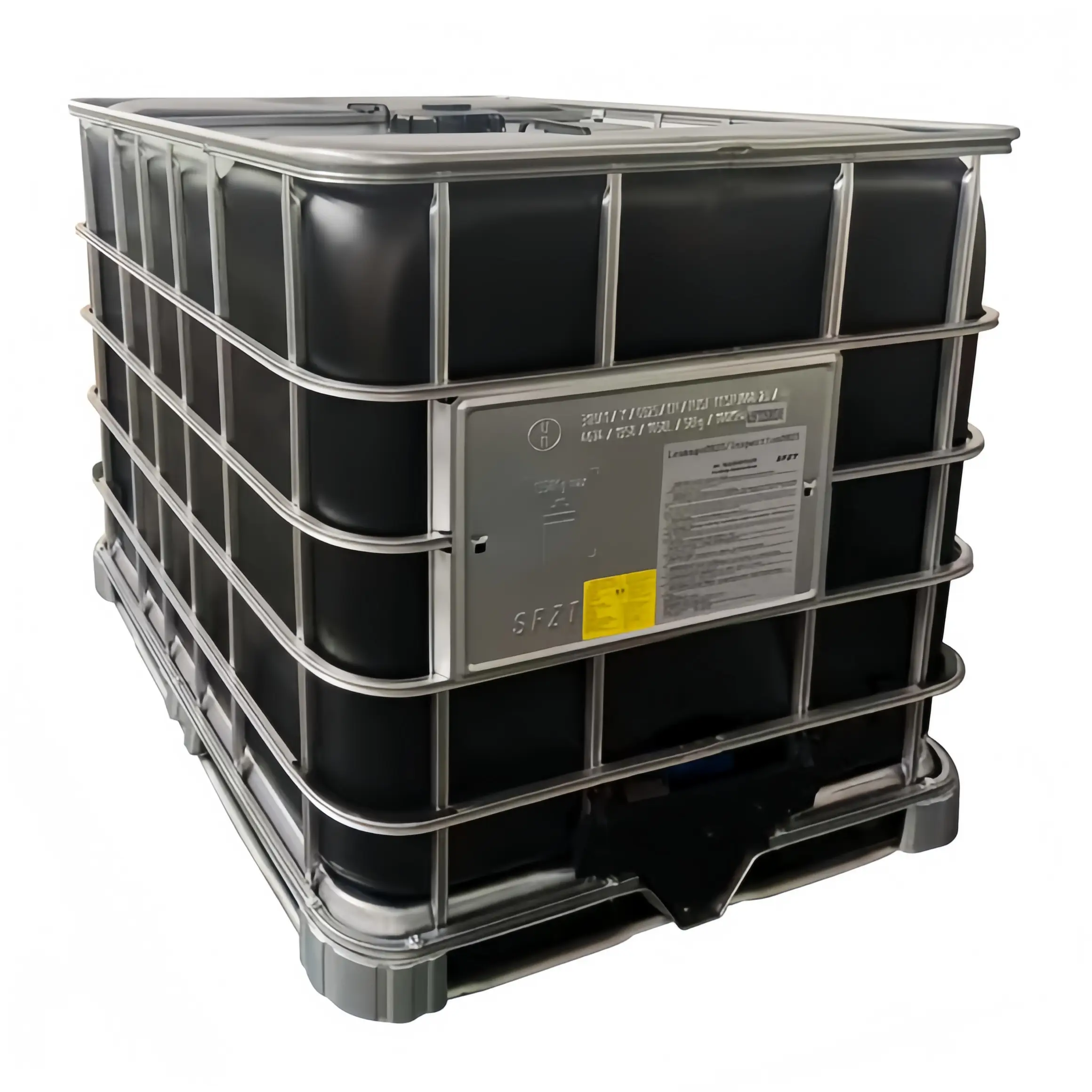
Industrial material storage presents complex challenges that require robust, reliable solutions capable of maintaining product integrity over extended periods. A stainless steel drum serves as an exceptional storage vessel, offering unparalleled protection against corrosion, contamination, and environmental factors that could compromise valuable materials. These engineered containers have become indispensable across pharmaceutical, chemical, food processing, and specialty manufacturing industries where long-term storage reliability directly impacts product quality and operational success.
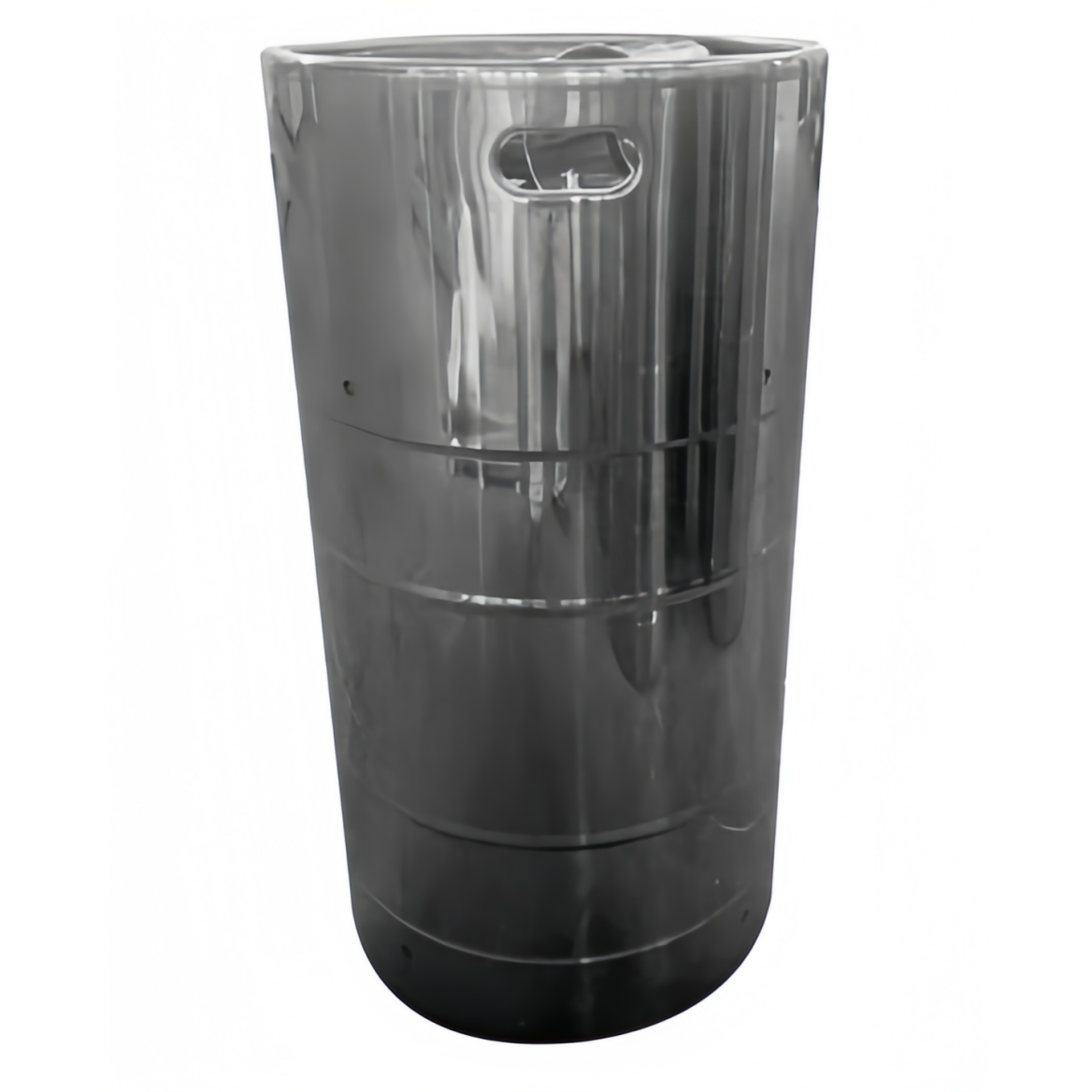
The superior material properties of stainless steel make these drums particularly suited for applications demanding exceptional durability and chemical resistance. Unlike conventional storage options, a stainless steel drum maintains its structural integrity and surface properties even when exposed to aggressive substances, temperature fluctuations, and prolonged storage conditions. This reliability translates into significant cost savings by reducing replacement frequencies, minimizing contamination risks, and ensuring consistent material quality throughout extended storage periods.
Material Composition and Corrosion Resistance Properties
Advanced Alloy Construction Benefits
The foundation of any high-performance stainless steel drum lies in its carefully engineered alloy composition, typically featuring chromium content exceeding 10.5 percent along with strategic additions of nickel, molybdenum, and other alloying elements. This sophisticated metallurgical design creates a passive oxide layer on the drum surface that continuously regenerates when damaged, providing self-healing protection against corrosion initiation. The chromium-rich passive layer acts as an impermeable barrier, preventing moisture, oxygen, and corrosive chemicals from reaching the underlying steel substrate.
Manufacturing processes for industrial-grade stainless steel drums incorporate advanced heat treatment protocols that optimize the alloy microstructure for maximum corrosion resistance and mechanical strength. These thermal processing techniques ensure uniform grain structure throughout the drum walls, eliminating potential weakness points where corrosion could initiate. The resulting material exhibits exceptional resistance to pitting, crevice corrosion, and stress corrosion cracking, even in challenging environments containing chlorides, acids, or other aggressive substances.
Chemical Compatibility and Inertness
A properly constructed stainless steel drum demonstrates remarkable chemical inertness, making it suitable for storing a vast range of materials without risk of contamination or adverse reactions. The stable oxide layer prevents metal ion migration into stored products, maintaining product purity essential for pharmaceutical, food-grade, and high-value chemical applications. This chemical stability extends to both acidic and alkaline environments, providing versatile storage capabilities across diverse industrial sectors.
The non-reactive surface characteristics of stainless steel eliminate concerns about flavor transfer, odor absorption, or chemical leaching that commonly affect alternative storage materials. This inertness becomes particularly critical when storing sensitive materials requiring extended shelf life, such as pharmaceutical intermediates, specialty chemicals, or premium food ingredients. The stable surface chemistry ensures that material properties remain unchanged throughout storage duration, maintaining product specifications and regulatory compliance.
Temperature Stability and Thermal Management
Thermal Expansion and Contraction Control
Temperature fluctuations present significant challenges for long-term storage applications, as thermal stress can compromise container integrity and affect stored material quality. A well-designed stainless steel drum incorporates thermal expansion considerations into its structural design, featuring appropriate wall thickness and geometric configurations that accommodate temperature variations without developing stress concentrations. The low thermal expansion coefficient of stainless steel minimizes dimensional changes during temperature cycling, maintaining seal integrity and preventing contamination ingress.
The thermal conductivity properties of stainless steel provide controlled heat transfer characteristics that help maintain stable internal temperatures while protecting against rapid thermal shock. This thermal stability proves essential when storing temperature-sensitive materials that could degrade or change properties under thermal stress. The drum's thermal mass helps buffer against short-term temperature fluctuations, providing additional protection for sensitive stored materials.
Extreme Temperature Performance
Industrial storage applications often require containers capable of withstanding extreme temperature conditions, from cryogenic storage to elevated processing temperatures. A stainless steel drum maintains its mechanical properties across wide temperature ranges, typically from -196°C to over 800°C depending on the specific alloy grade. This temperature capability enables storage applications in challenging environments where alternative materials would fail or require frequent replacement.
The austenitic structure of most industrial-grade stainless steels provides exceptional toughness at low temperatures, preventing brittle failure modes that could compromise container integrity. Similarly, the alloy's high-temperature strength and creep resistance ensure dimensional stability during elevated temperature storage or thermal processing operations. This thermal versatility makes stainless steel drums suitable for specialized applications including cryogenic liquid storage, heated material processing, and extreme environment deployments.
Mechanical Durability and Structural Integrity
Impact Resistance and Damage Prevention
The robust mechanical properties of a stainless steel drum provide exceptional protection against physical damage that could compromise stored materials or create safety hazards. The high strength-to-weight ratio of stainless steel enables relatively thin wall construction while maintaining superior impact resistance compared to heavier alternatives. This design approach optimizes material efficiency while ensuring adequate protection against handling incidents, transportation stresses, and operational impacts.
Advanced forming and welding techniques used in drum manufacturing create seamless construction with consistent wall thickness and optimal stress distribution. These manufacturing processes eliminate potential failure points while creating containers capable of withstanding significant mechanical loads without deformation or structural compromise. The resulting durability reduces replacement costs and minimizes risks associated with container failure during critical storage operations.
Fatigue Resistance and Long-Term Reliability
Repeated loading cycles from material handling, pressure variations, and thermal cycling can gradually weaken storage containers through fatigue mechanisms. A quality stainless steel drum exhibits excellent fatigue resistance due to its fine grain structure and absence of inclusions or defects that could serve as crack initiation sites. This fatigue resistance ensures reliable performance over thousands of loading cycles, making stainless steel drums suitable for high-turnover storage applications where containers experience frequent handling.
The work-hardening characteristics of stainless steel provide additional strength enhancement during service, as the material surface becomes stronger with moderate deformation. This property helps prevent progressive damage accumulation and extends service life beyond initial design parameters. The combination of inherent fatigue resistance and work-hardening behavior creates containers that actually improve in performance with proper use, providing exceptional long-term value for industrial storage applications.
Contamination Prevention and Hygiene Standards
Surface Finish and Cleanability
The smooth, non-porous surface of a properly finished stainless steel drum provides exceptional cleanability essential for maintaining hygiene standards in food, pharmaceutical, and chemical storage applications. Advanced surface finishing techniques create microscopic surface profiles that minimize bacterial adhesion while facilitating thorough cleaning and sanitization procedures. This surface quality proves critical for applications requiring validated cleaning protocols or sterile storage conditions.
The chemical resistance of stainless steel enables aggressive cleaning and sanitization procedures using strong alkaline cleaners, acid rinses, and steam sterilization without surface degradation. This cleaning compatibility ensures that drums can be thoroughly decontaminated between different products or storage campaigns, preventing cross-contamination and maintaining product integrity. The durable surface finish withstands repeated cleaning cycles without developing roughness or porosity that could harbor contaminants.
Barrier Protection and Seal Integrity
Effective contamination prevention requires not only chemically resistant drum materials but also reliable sealing systems that maintain integrity over extended storage periods. A professional-grade stainless steel drum incorporates precision-machined sealing surfaces that provide consistent, reliable closure performance. These sealing interfaces maintain tight tolerances that prevent ingress of moisture, dust, microorganisms, and other contaminants that could compromise stored material quality.
The dimensional stability of stainless steel ensures that sealing surfaces maintain proper geometry throughout temperature variations and mechanical stresses, preventing seal degradation that commonly affects alternative materials. This seal reliability becomes particularly important for long-term storage applications where container integrity must be maintained for months or years without maintenance intervention. The robust sealing performance protects valuable stored materials while meeting regulatory requirements for contamination prevention.
Regulatory Compliance and Industry Standards
Food and Pharmaceutical Grade Requirements
Industries handling food ingredients, pharmaceutical products, and other regulated materials require storage containers that meet stringent purity and safety standards. A certified stainless steel drum manufactured to appropriate grade specifications provides compliance with FDA, USP, and other regulatory standards governing material contact applications. These certifications ensure that drum materials and manufacturing processes meet strict requirements for chemical composition, surface quality, and contamination prevention.
The traceability requirements common in regulated industries are well-supported by stainless steel drum suppliers who maintain comprehensive documentation of material origins, processing parameters, and quality verification testing. This documentation trail enables end users to demonstrate regulatory compliance and support validation protocols required for pharmaceutical and food manufacturing operations. The inherent stability and inertness of stainless steel simplifies regulatory compliance compared to alternative materials requiring extensive qualification testing.
Safety and Environmental Considerations
Environmental regulations increasingly emphasize sustainable material selection and waste minimization in industrial operations. A stainless steel drum supports these objectives through its exceptional durability, which extends service life and reduces replacement frequency compared to alternative materials. The complete recyclability of stainless steel ensures that drums reaching end-of-life can be recovered and reprocessed without environmental impact, supporting circular economy principles.
Safety regulations governing hazardous material storage often specify container requirements for chemical compatibility, structural integrity, and failure prevention. The robust properties of stainless steel drums provide inherent compliance with many safety standards while offering superior protection against accidental releases or container failures. This safety performance reduces liability risks while protecting personnel and environmental resources from potential contamination incidents.
Cost-Effectiveness and Return on Investment
Lifecycle Cost Analysis
While the initial investment in a stainless steel drum typically exceeds alternative storage options, comprehensive lifecycle cost analysis consistently demonstrates superior economic value through reduced replacement frequency, lower maintenance requirements, and minimized product loss due to contamination. The extended service life of stainless steel drums, often exceeding 20 years in appropriate applications, amortizes initial costs over significantly longer periods compared to less durable alternatives.
Operational cost benefits include reduced handling and disposal expenses for failed containers, elimination of product losses due to contamination or container failure, and decreased inventory management complexity through longer container service intervals. These operational savings often exceed initial cost premiums within the first few years of service, creating positive return on investment that continues throughout the extended drum service life.
Value Preservation and Asset Protection
The superior protection provided by stainless steel drums becomes particularly valuable when storing high-value materials where contamination or degradation would result in significant financial losses. The reliable barrier protection and chemical inertness of these containers preserve material quality and specifications throughout extended storage periods, preventing costly product rejections or reprocessing requirements.
Residual value retention represents another economic advantage of stainless steel drums, as these containers maintain significant resale or scrap value even after extended service. The recyclable nature of stainless steel ensures that drums retain material value throughout their service life, providing asset recovery opportunities that offset initial investment costs. This value retention contrasts favorably with alternative materials that typically have minimal recovery value at end-of-life.
Frequently Asked Questions
What industries benefit most from stainless steel drum storage solutions
Pharmaceutical manufacturing, specialty chemicals, food processing, cosmetics, and high-purity applications benefit significantly from stainless steel drum storage. These industries require exceptional contamination prevention, chemical compatibility, and regulatory compliance that stainless steel drums reliably provide. The inert surface properties and robust construction make these containers ideal for storing sensitive materials requiring long-term stability and purity maintenance.
How does stainless steel drum performance compare to alternative storage materials
Stainless steel drums demonstrate superior corrosion resistance, mechanical durability, and chemical inertness compared to carbon steel, aluminum, or plastic alternatives. While initial costs are higher, the extended service life, reduced maintenance requirements, and superior product protection typically provide better long-term value. The temperature capability and cleaning compatibility of stainless steel also exceed most alternative materials, making these drums suitable for more demanding applications.
What maintenance procedures are required for long-term stainless steel drum performance
Routine inspection for physical damage, proper cleaning between product changes, and verification of seal integrity represent the primary maintenance requirements for stainless steel drums. The corrosion resistance and durability of stainless steel minimize maintenance needs compared to alternative materials. Periodic gasket replacement and seal inspection ensure continued contamination prevention performance throughout extended service periods.
Can stainless steel drums be customized for specific storage requirements
Professional manufacturers offer extensive customization options including specialized fittings, alternative closure designs, surface treatments, and size modifications to meet specific application requirements. Custom features can include heating jackets, specialized coatings, pressure relief systems, and sampling ports tailored to unique storage needs. These customization capabilities ensure optimal performance for specialized applications while maintaining the fundamental benefits of stainless steel construction.
Table of Contents
- Material Composition and Corrosion Resistance Properties
- Temperature Stability and Thermal Management
- Mechanical Durability and Structural Integrity
- Contamination Prevention and Hygiene Standards
- Regulatory Compliance and Industry Standards
- Cost-Effectiveness and Return on Investment
-
Frequently Asked Questions
- What industries benefit most from stainless steel drum storage solutions
- How does stainless steel drum performance compare to alternative storage materials
- What maintenance procedures are required for long-term stainless steel drum performance
- Can stainless steel drums be customized for specific storage requirements
