
 EN
EN
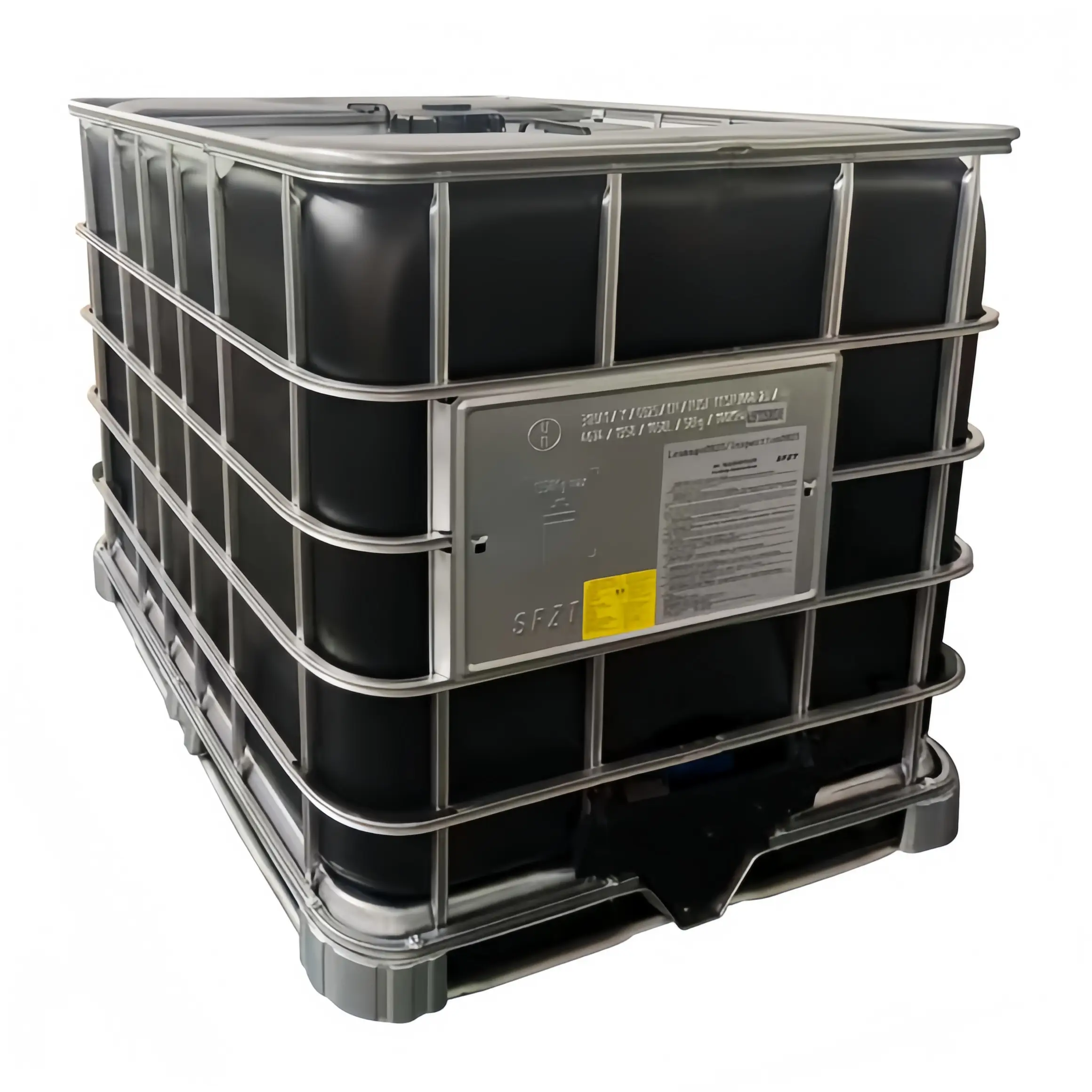
Modern industrial packaging demands containers that can withstand both mechanical stress and chemical exposure without compromising product integrity. Composite drums have emerged as the optimal solution for industries requiring reliable storage and transportation of hazardous and non-hazardous materials. These innovative containers combine the structural strength of traditional materials with enhanced chemical resistance properties, making them indispensable across pharmaceutical, chemical, and food processing sectors. The unique construction of composite drums integrates multiple material layers to create a packaging solution that outperforms conventional single-material alternatives in durability, safety, and cost-effectiveness.
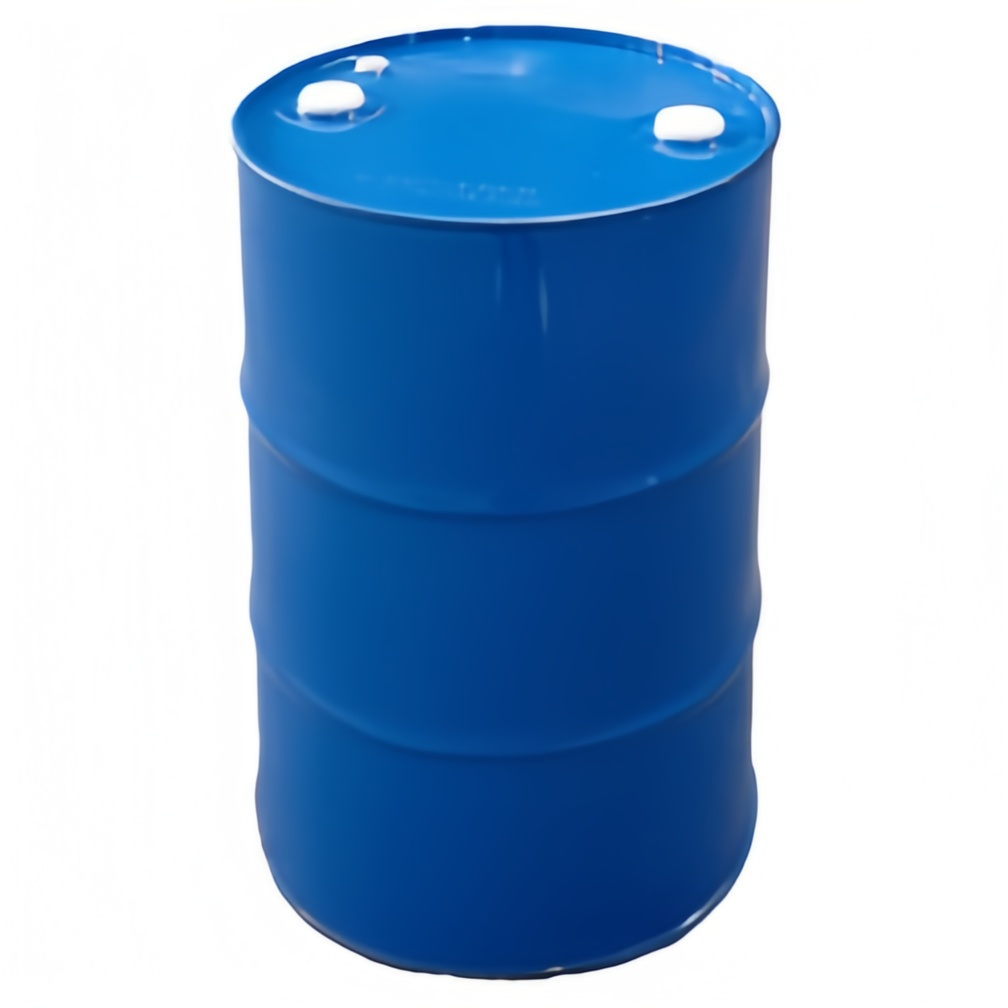
Engineering Excellence in Composite Drum Design
Multi-Layer Construction Technology
The foundation of composite drums lies in their sophisticated multi-layer construction that combines different materials to achieve superior performance characteristics. The outer layer typically consists of high-density polyethylene or polypropylene, providing excellent impact resistance and weather protection. This exterior shell protects the inner components from mechanical damage during handling and transportation processes. The middle barrier layer often incorporates materials like aluminum foil or specialized polymer films that create an impermeable barrier against moisture, gases, and chemical vapors.
The innermost layer of composite drums features chemically inert materials specifically selected for their compatibility with stored contents. This direct contact surface must maintain its integrity under various pH conditions, temperature fluctuations, and extended storage periods. Advanced manufacturing techniques ensure seamless bonding between these layers, eliminating potential failure points that could compromise container performance. The result is a unified structure where each layer contributes specific protective properties while maintaining overall structural integrity.
Material Selection and Performance Optimization
Engineers carefully select materials for composite drums based on intended applications and regulatory requirements. High-performance plastics like polyethylene terephthalate and polyamide offer excellent chemical resistance while maintaining flexibility under varying temperature conditions. These materials undergo rigorous testing to ensure compatibility with target substances and compliance with international packaging standards. The selection process considers factors such as permeation rates, thermal stability, and long-term durability under storage conditions.
Material optimization extends beyond basic compatibility to include considerations for recycling and environmental impact. Modern composite drums incorporate recyclable components wherever possible, supporting sustainability initiatives without compromising performance standards. Advanced polymer formulations enhance barrier properties while reducing overall material usage, creating lighter containers that maintain strength requirements. This approach reduces transportation costs and environmental footprint while delivering superior protection for stored materials.
Chemical Resistance Mechanisms and Applications
Barrier Technology and Permeation Control
The chemical resistance of composite drums stems from advanced barrier technologies that prevent unwanted interactions between stored materials and the external environment. These barriers function through multiple mechanisms, including molecular size exclusion, chemical incompatibility, and absorption prevention. The barrier layers create tortuous pathways that significantly slow down permeation processes, maintaining product purity and preventing contamination. This multi-barrier approach proves particularly effective for volatile organic compounds and aggressive solvents that challenge conventional packaging materials.
Permeation control becomes critical when storing chemicals that could react with packaging materials or migrate through container walls. Composite drums employ sophisticated barrier systems that maintain low permeation rates even under elevated temperatures and extended storage periods. These properties ensure regulatory compliance for hazardous material storage while protecting product quality throughout the supply chain. Advanced testing protocols validate barrier performance under accelerated aging conditions to predict long-term storage capabilities.
Compatibility Across Chemical Classifications
Different chemical classes require specific resistance properties, and composite drums deliver tailored solutions for diverse applications. Acidic substances demand materials that resist corrosion and maintain structural integrity under low pH conditions. Alkaline chemicals require different protective mechanisms to prevent degradation and maintain container performance. Organic solvents present unique challenges due to their ability to swell or dissolve certain polymers, necessitating specialized barrier formulations.
The versatility of composite drums allows manufacturers to customize formulations for specific chemical families while maintaining standardized production processes. This flexibility enables cost-effective solutions for specialized applications without requiring completely unique manufacturing setups. Comprehensive compatibility testing ensures that composite drums meet performance requirements across temperature ranges and storage durations typical for each chemical classification. The result is reliable packaging that maintains safety standards while optimizing operational efficiency.
Structural Strength and Durability Advantages
Impact Resistance and Mechanical Performance
The structural design of composite drums provides exceptional impact resistance through optimized material distribution and reinforcement strategies. The outer shell absorbs and distributes impact energy across the container surface, preventing localized damage that could compromise barrier integrity. Internal stress distribution mechanisms ensure that mechanical loads transfer efficiently throughout the structure without creating failure points. This design approach enables composite drums to withstand the rigorous handling conditions encountered during industrial operations.
Mechanical performance testing validates the ability of composite drums to maintain structural integrity under various stress conditions. Drop tests simulate transportation impacts, while compression tests evaluate performance under stacking loads. Vibration testing ensures that containers maintain seal integrity during extended transportation periods. These comprehensive evaluations demonstrate that composite drums consistently outperform traditional alternatives in mechanical durability while maintaining their chemical resistance properties.
Temperature Stability and Environmental Resilience
Environmental conditions significantly impact container performance, making temperature stability crucial for reliable storage solutions. Composite drums maintain their structural and barrier properties across wide temperature ranges, from sub-zero storage conditions to elevated processing temperatures. The multi-layer construction provides thermal insulation that protects stored materials from temperature fluctuations while preventing thermal stress in the container walls.
Long-term environmental exposure tests demonstrate the resilience of composite drums under UV radiation, humidity variations, and atmospheric pressure changes. These containers resist degradation from environmental factors that typically compromise single-material alternatives. The protective outer layer shields internal components from UV damage, while moisture barriers prevent humidity-induced swelling or dimensional changes. This environmental stability ensures consistent performance throughout extended storage periods and diverse climatic conditions.
Manufacturing Processes and Quality Assurance
Advanced Production Technologies
The manufacturing of composite drums requires sophisticated production technologies that ensure consistent quality and performance across large production volumes. Co-extrusion processes enable simultaneous formation of multiple layers with precise thickness control and optimal interlayer adhesion. This technique eliminates potential delamination issues while maintaining uniform barrier properties throughout the container walls. Advanced temperature and pressure control systems ensure optimal processing conditions for each material component.
Quality control systems monitor critical parameters throughout the manufacturing process, including layer thickness, adhesion strength, and dimensional accuracy. Automated inspection systems detect potential defects before they affect product performance, ensuring that every composite drum meets stringent quality standards. Statistical process control methods optimize production parameters while minimizing waste and ensuring consistent output quality. These manufacturing capabilities enable reliable production of composite drums that consistently meet or exceed performance specifications.
Testing Protocols and Certification Standards
Comprehensive testing protocols validate the performance of composite drums under simulated service conditions that replicate real-world applications. Chemical compatibility testing exposes containers to target substances under accelerated conditions to evaluate long-term performance. Permeation testing measures barrier effectiveness over extended periods, ensuring that protective properties remain effective throughout intended service life. Mechanical testing evaluates structural integrity under various load conditions and impact scenarios.
Certification standards from regulatory bodies ensure that composite drums meet safety requirements for specific applications and chemical classes. International standards organizations provide frameworks for evaluating packaging performance, while industry-specific regulations address unique requirements for pharmaceutical, food-grade, and hazardous material applications. Compliance with these standards demonstrates the reliability and safety of composite drums for critical storage applications across diverse industries.
Industry Applications and Performance Benefits
Pharmaceutical and Healthcare Applications
The pharmaceutical industry requires packaging solutions that maintain product purity while preventing contamination throughout storage and distribution processes. Composite drums excel in these applications by providing superior barrier properties that protect sensitive active ingredients from moisture, oxygen, and light exposure. The chemically inert inner surfaces prevent unwanted interactions that could affect drug stability or efficacy. Regulatory compliance capabilities ensure that composite drums meet stringent pharmaceutical packaging requirements.
Healthcare applications benefit from the sterile processing capabilities of composite drums, which can undergo various sterilization methods without compromising structural integrity or barrier properties. The smooth interior surfaces facilitate complete drainage and cleaning, essential for applications requiring high hygiene standards. Traceability features enable batch tracking throughout the supply chain, supporting pharmaceutical quality assurance requirements. These characteristics make composite drums ideal for storing pharmaceutical raw materials, intermediates, and finished products.
Chemical Processing and Industrial Applications
Chemical processing industries rely on composite drums for safe storage and transportation of reactive substances, solvents, and specialty chemicals. The robust construction withstands the mechanical stresses encountered during industrial handling while maintaining chemical compatibility with stored materials. Specialized formulations address specific challenges associated with different chemical families, from corrosive acids to volatile organic compounds. The reliable performance of composite drums reduces the risk of container failure and associated safety hazards.
Industrial applications benefit from the cost-effective nature of composite drums, which provide superior performance compared to traditional alternatives while maintaining competitive pricing. The extended service life reduces replacement frequency and associated downtime costs. Lightweight construction reduces transportation costs while maintaining the structural strength required for safe handling. These economic advantages make composite drums attractive for high-volume industrial applications where performance and cost-effectiveness are equally important.
Environmental Impact and Sustainability Considerations
Recyclability and Waste Reduction
Environmental sustainability has become increasingly important in packaging selection decisions, and composite drums address these concerns through innovative design and material selection approaches. Many components of composite drums utilize recyclable materials that can be recovered and reprocessed at the end of their service life. Separation technologies enable the recovery of different material layers, maximizing the recycling potential of each component. This approach reduces landfill waste while supporting circular economy principles in industrial packaging applications.
Waste reduction strategies incorporate design optimization that minimizes material usage while maintaining performance requirements. Lightweight construction reduces the overall environmental footprint associated with manufacturing and transportation. Extended service life characteristics reduce the frequency of container replacement, decreasing the total material consumption over the application lifecycle. These sustainability features align with corporate environmental goals while delivering the performance advantages that make composite drums attractive for demanding applications.
Energy Efficiency and Carbon Footprint
The manufacturing processes for composite drums incorporate energy-efficient technologies that reduce carbon emissions compared to traditional packaging alternatives. Optimized processing temperatures and shorter cycle times minimize energy consumption during production. The lightweight characteristics of composite drums reduce transportation energy requirements, contributing to lower overall carbon footprints for supply chain operations. These environmental benefits complement the performance advantages of composite drums in comprehensive sustainability assessments.
Life cycle assessments demonstrate the environmental advantages of composite drums across their complete service life, from raw material extraction through end-of-life disposal or recycling. The extended durability reduces the environmental impact associated with frequent replacements, while superior barrier properties prevent product loss and associated waste. These comprehensive environmental benefits make composite drums attractive for companies implementing sustainable packaging strategies without compromising operational requirements or safety standards.
FAQ
What makes composite drums more effective than single-material containers
Composite drums combine multiple material layers, each optimized for specific protective functions, creating superior overall performance compared to single-material alternatives. The multi-layer construction provides enhanced chemical resistance, improved barrier properties, and better mechanical strength than any single material could achieve alone. This synergistic approach enables composite drums to address multiple performance requirements simultaneously, making them ideal for demanding industrial applications where single-material containers would fail to meet all requirements.
How do composite drums maintain chemical compatibility across different substance types
The chemical compatibility of composite drums results from careful material selection and barrier design that addresses specific interaction mechanisms. Different chemical classes require different protective strategies, and the multi-layer construction allows customization of barrier properties without changing the overall container design. Advanced testing protocols validate compatibility under various conditions, ensuring that composite drums maintain their protective properties throughout extended storage periods for each specific chemical application.
What testing standards apply to composite drums for hazardous material storage
Composite drums for hazardous material storage must comply with international regulations including UN packaging standards, DOT requirements, and industry-specific certifications. These standards evaluate performance under various stress conditions including drop tests, compression tests, vibration tests, and chemical compatibility assessments. Certification processes require extensive documentation and third-party verification to ensure that composite drums meet all safety requirements for their intended applications and chemical compatibility classifications.
How does the environmental impact of composite drums compare to traditional packaging options
Environmental impact assessments show that composite drums typically provide advantages over traditional packaging through extended service life, reduced material usage, and recyclability features. The lightweight construction reduces transportation energy requirements, while superior durability decreases replacement frequency and associated waste generation. Many composite drum components utilize recyclable materials, and separation technologies enable recovery of different material layers at end-of-life, supporting circular economy principles in industrial packaging applications.
Table of Contents
- Engineering Excellence in Composite Drum Design
- Chemical Resistance Mechanisms and Applications
- Structural Strength and Durability Advantages
- Manufacturing Processes and Quality Assurance
- Industry Applications and Performance Benefits
- Environmental Impact and Sustainability Considerations
-
FAQ
- What makes composite drums more effective than single-material containers
- How do composite drums maintain chemical compatibility across different substance types
- What testing standards apply to composite drums for hazardous material storage
- How does the environmental impact of composite drums compare to traditional packaging options
