
 EN
EN
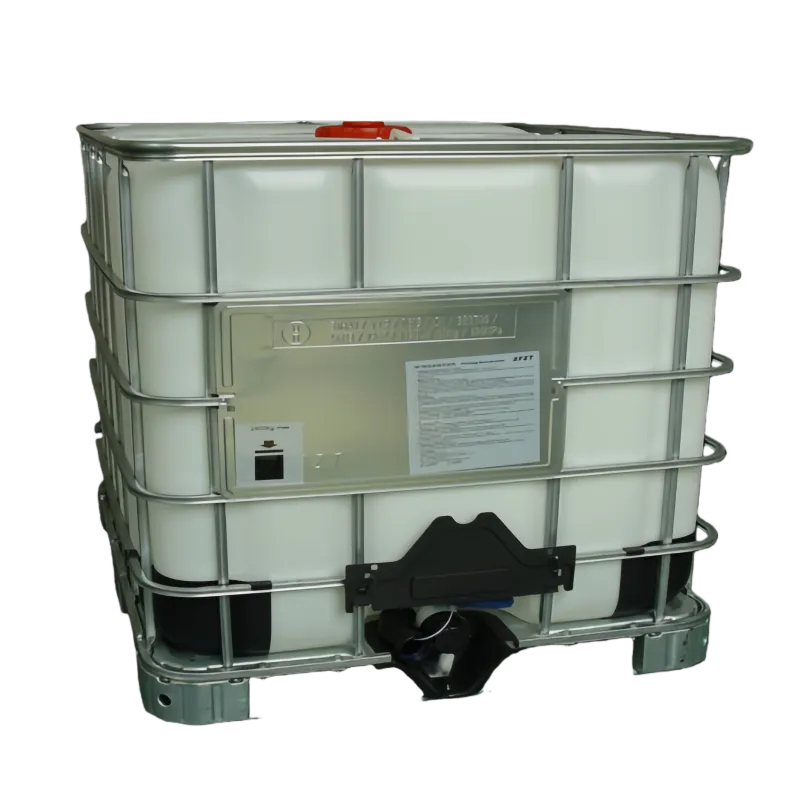
Industrial storage solutions require careful consideration of durability, safety, and long-term performance. A stainless steel drum represents one of the most reliable options for storing and transporting various materials across multiple industries. These containers offer exceptional resistance to corrosion, chemical compatibility, and structural integrity that can last decades when properly maintained. Understanding the specific maintenance practices that extend the service life of a stainless steel drum is crucial for maximizing your investment and ensuring optimal performance throughout its operational lifetime.
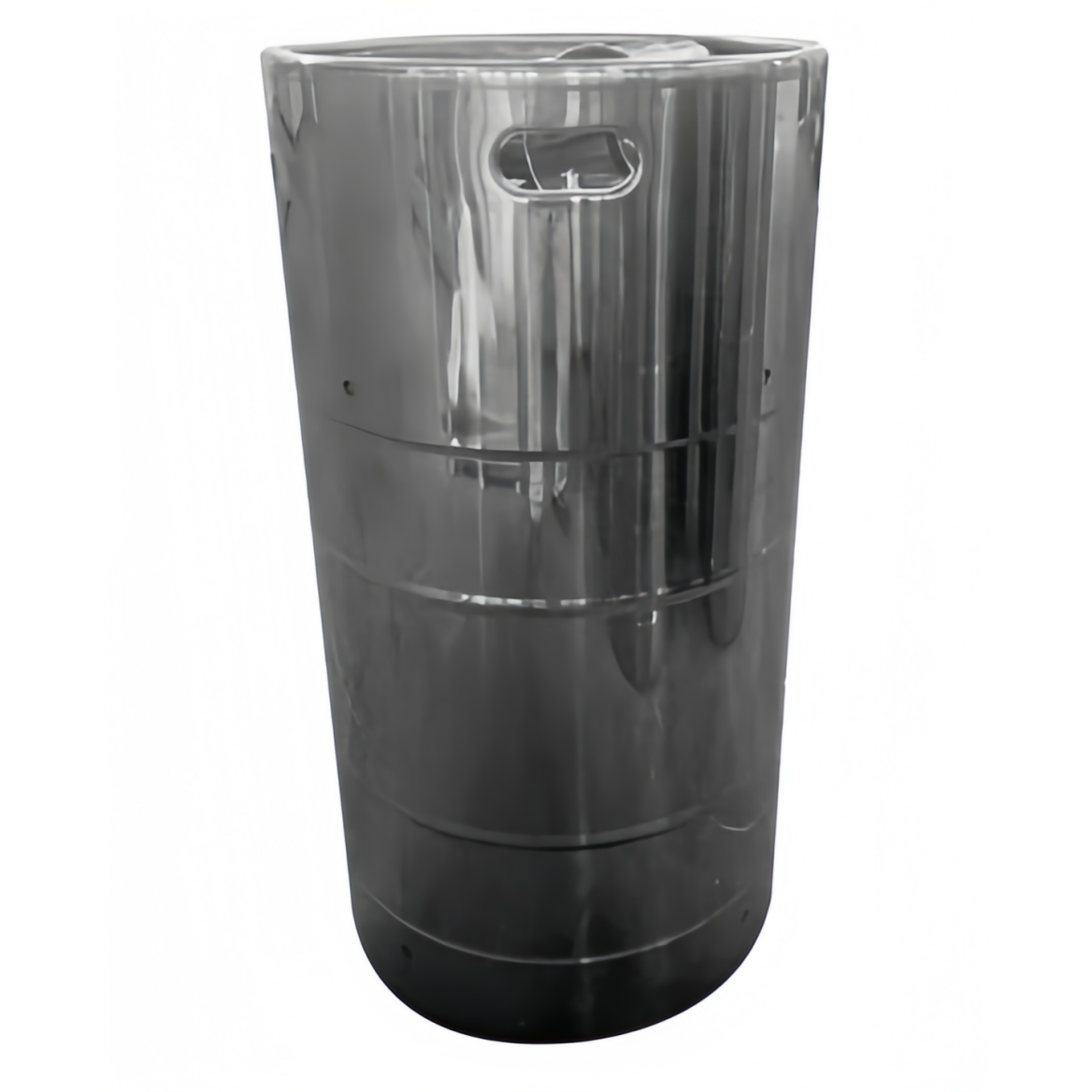
Understanding Stainless Steel Drum Construction
Material Composition and Grades
The foundation of effective maintenance begins with understanding what makes a stainless steel drum superior to other storage options. Most industrial drums are manufactured using 304 or 316 grade stainless steel, each offering distinct advantages for different applications. Grade 304 provides excellent general corrosion resistance and is suitable for most standard storage needs, while 316 grade offers enhanced resistance to chlorides and acidic environments.
The chromium content in stainless steel creates a passive oxide layer that naturally protects against rust and corrosion. This self-healing property means that minor scratches and surface damage typically do not compromise the drum's integrity. However, proper maintenance practices ensure this protective layer remains intact and functions optimally throughout the drum's service life.
Manufacturing Quality Factors
High-quality stainless steel drum construction involves precise welding techniques, proper heat treatment, and thorough surface finishing. These manufacturing elements directly impact the drum's longevity and maintenance requirements. Drums with superior construction typically feature smooth internal surfaces, consistent wall thickness, and properly sealed seams that minimize potential failure points.
Understanding these construction details helps facility managers develop appropriate maintenance schedules and identify potential issues before they become costly problems. Regular inspection of welds, seams, and surface conditions provides valuable insights into the drum's overall health and remaining service life.
Essential Cleaning and Sanitization Procedures
Regular Cleaning Protocols
Proper cleaning represents the most fundamental maintenance practice for extending stainless steel drum service life. Establishing consistent cleaning protocols prevents the accumulation of residues that can lead to corrosion, contamination, or structural degradation. The frequency and intensity of cleaning depend on the stored materials and operational environment, but all drums benefit from systematic cleaning approaches.
Effective cleaning begins with complete drainage and removal of all stored materials. Residual products left in a stainless steel drum can react with the container walls over time, potentially causing localized corrosion or creating conditions favorable to bacterial growth. Thorough rinsing with appropriate solvents removes these residues and prepares the drum for deeper cleaning procedures.
Chemical Compatibility Considerations
Selecting appropriate cleaning chemicals is critical for maintaining stainless steel integrity while achieving effective sanitization. Chloride-based cleaners should be avoided or used with extreme caution, as they can cause pitting and crevice corrosion even in high-grade stainless steel. Instead, alkaline cleaners, phosphoric acid solutions, or specialized stainless steel cleaners provide effective cleaning without compromising the protective oxide layer.
After chemical cleaning, thorough rinsing removes all cleaning residues that could interfere with future storage applications or cause unexpected chemical reactions. The final rinse water quality should meet or exceed the purity requirements of the intended stored materials to prevent contamination issues.
Inspection and Damage Assessment Strategies
Visual Inspection Techniques
Regular visual inspections form the cornerstone of proactive maintenance for any stainless steel drum. These inspections should focus on identifying early signs of wear, corrosion, or mechanical damage that could compromise the container's integrity. Trained personnel can detect subtle changes in surface appearance, minor dents, or discoloration that indicates developing problems.
Effective visual inspection requires good lighting and systematic coverage of all drum surfaces, including areas that may be partially obscured during normal operations. Pay particular attention to weld zones, areas subject to mechanical stress, and regions exposed to temperature fluctuations or chemical contact. Documenting inspection findings creates a valuable maintenance history that helps predict future service needs.
Non-Destructive Testing Methods
Advanced inspection techniques provide deeper insights into stainless steel drum condition than visual methods alone. Ultrasonic thickness measurements detect wall thinning that may not be visible externally, while penetrant testing reveals surface cracks or defects that could propagate over time. These non-destructive testing methods help establish baseline conditions and track changes in drum integrity.
Implementing periodic non-destructive testing as part of a comprehensive maintenance program allows facilities to make informed decisions about continued service, repair needs, or replacement timing. This data-driven approach prevents unexpected failures and optimizes replacement scheduling based on actual condition rather than arbitrary time limits.
Surface Protection and Preservation Methods
Passivation Treatments
Passivation represents a crucial maintenance practice that restores and enhances the natural corrosion resistance of stainless steel drum surfaces. This chemical treatment removes embedded iron particles and other contaminants while promoting the formation of a uniform passive oxide layer. Regular passivation treatments, typically performed annually or after exposure to particularly aggressive environments, significantly extend service life.
The passivation process involves treating the stainless steel drum with nitric acid or citric acid solutions under controlled conditions. These treatments remove surface contaminants and create optimal conditions for passive layer formation. Proper rinsing and neutralization following passivation ensures no treatment residues remain that could affect future storage applications.
Protective Coatings and Finishes
While stainless steel provides excellent inherent corrosion resistance, certain applications benefit from additional protective measures. Specialized coatings can provide enhanced chemical resistance, improve cleanability, or offer protection against specific aggressive substances. However, coating selection must consider compatibility with both the stainless steel substrate and intended storage materials.
Electropolishing represents another surface treatment that improves stainless steel drum performance by creating an ultra-smooth surface finish. This treatment removes surface irregularities that could harbor contaminants while enhancing the passive layer's uniformity and stability. Electropolished surfaces are easier to clean and maintain, contributing to extended service life.
Environmental Factors and Storage Considerations
Temperature Control Impact
Temperature fluctuations significantly affect stainless steel drum longevity through thermal expansion and contraction cycles that create mechanical stress. Maintaining stable storage temperatures reduces these stresses and minimizes the risk of fatigue-related failures. Additionally, extreme temperatures can affect the stability of stored materials and their interaction with the drum walls.
When temperature control is not feasible, implementing gradual temperature transitions helps minimize thermal stress on the stainless steel drum structure. Rapid temperature changes can cause differential expansion that leads to distortion or stress concentration at critical points such as welds or attachment locations.
Humidity and Atmospheric Conditions
Atmospheric conditions in storage areas directly impact stainless steel drum maintenance requirements and service life. High humidity environments can promote condensation that creates conditions favorable to corrosion, particularly in the presence of chlorides or other aggressive ions. Controlling relative humidity levels between 40-60% provides optimal conditions for long-term storage.
Air quality also plays a crucial role in determining maintenance needs for a stainless steel drum. Industrial environments with high concentrations of sulfur compounds, chlorides, or other corrosive species require more frequent inspection and cleaning to maintain optimal performance. Installing appropriate ventilation and air filtration systems helps minimize exposure to these aggressive substances.
Handling and Transportation Best Practices
Mechanical Damage Prevention
Proper handling procedures significantly impact stainless steel drum service life by preventing mechanical damage that can compromise structural integrity or create initiation sites for corrosion. Training personnel in correct lifting, moving, and positioning techniques reduces the risk of dents, scratches, or more serious structural damage that could affect long-term performance.
Using appropriate handling equipment such as drum lifters, dollies, or forklifts with proper attachments prevents point loading that can cause localized damage. Additionally, implementing procedures that protect the stainless steel drum from impact with other equipment or structures during transportation helps maintain surface integrity and prevents damage to critical areas such as closures or fittings.
Stacking and Storage Arrangements
When multiple drums require storage in limited space, proper stacking techniques prevent damage while ensuring accessibility for inspection and maintenance. Stainless steel drums should never be stacked beyond manufacturer recommendations, as excessive loading can cause deformation or stress concentration that reduces service life. Using appropriate stacking frames or pallets distributes loads evenly and provides stability.
Maintaining adequate spacing between stacked drums allows for proper air circulation and facilitates regular inspection activities. This spacing also prevents contact between drums that could cause surface damage through vibration or settling. Implementing identification and rotation systems ensures that older drums receive priority use, preventing extended storage that could lead to degradation of seals or gaskets.
Preventive Maintenance Scheduling
Routine Maintenance Intervals
Establishing appropriate maintenance intervals is crucial for maximizing stainless steel drum service life while controlling maintenance costs. The optimal schedule depends on factors such as storage materials, environmental conditions, and operational intensity. However, most industrial applications benefit from monthly visual inspections, quarterly detailed examinations, and annual comprehensive assessments that may include non-destructive testing.
Creating detailed maintenance logs that track inspection findings, cleaning activities, and any repair work provides valuable data for optimizing maintenance intervals. This historical information helps identify patterns that may indicate developing problems or opportunities to extend service intervals without compromising safety or performance.
Documentation and Record Keeping
Comprehensive documentation supports effective maintenance decision-making and regulatory compliance for stainless steel drum operations. Maintenance records should include detailed inspection findings, cleaning procedures used, any repairs performed, and observations about changing conditions or performance trends. This documentation proves invaluable for warranty claims, regulatory audits, and optimizing replacement timing.
Digital maintenance management systems can automate scheduling, track maintenance history, and provide alerts for upcoming inspections or service activities. These systems help ensure that no critical maintenance activities are overlooked while providing the documentation needed for quality assurance and regulatory compliance purposes.
Troubleshooting Common Issues
Surface Discoloration and Staining
Surface discoloration on a stainless steel drum often indicates exposure to high temperatures, chemical attack, or contamination with foreign materials. While some discoloration is purely cosmetic, it can also signal developing problems that require attention. Heat tinting typically appears as a rainbow-colored oxide film that forms when stainless steel is exposed to elevated temperatures in the presence of oxygen.
Addressing surface discoloration promptly prevents progression to more serious problems. Mechanical polishing, chemical cleaning with appropriate stainless steel cleaners, or electrochemical treatments can restore original appearance while ensuring the protective passive layer remains intact. In some cases, discoloration may indicate the need for more comprehensive evaluation to determine if underlying damage has occurred.
Gasket and Seal Maintenance
While the stainless steel drum body may have a service life measured in decades, gaskets and seals typically require more frequent replacement to maintain optimal performance. These components are subject to chemical attack, temperature cycling, and mechanical wear that can compromise their sealing effectiveness over time. Regular inspection of all sealing surfaces helps identify developing problems before they result in leaks or contamination.
Selecting appropriate gasket materials for specific applications is crucial for maximizing seal life and overall system performance. Chemical compatibility, temperature range, and mechanical properties must all be considered when choosing replacement seals. Maintaining an inventory of appropriate replacement gaskets ensures that maintenance can be performed promptly when needed.
FAQ
How often should I inspect my stainless steel drum for maintenance needs
The frequency of stainless steel drum inspections depends on the stored materials and operating environment, but most industrial applications benefit from monthly visual inspections and quarterly detailed examinations. High-risk applications involving corrosive materials or extreme conditions may require more frequent inspection. Annual comprehensive assessments should include non-destructive testing and detailed documentation of findings to track condition trends over time.
What cleaning chemicals are safe to use on stainless steel drums
Safe cleaning chemicals for stainless steel drums include alkaline cleaners, phosphoric acid solutions, and specialized stainless steel cleaners. Avoid chloride-based cleaners as they can cause pitting and crevice corrosion. Always ensure complete rinsing after chemical cleaning to remove all residues, and select cleaning chemicals based on compatibility with both the stainless steel and the materials previously stored in the drum.
When should I consider replacing rather than repairing a stainless steel drum
Replacement should be considered when repair costs exceed 50-60% of new drum cost, when structural integrity is compromised beyond safe limits, or when repeated repairs indicate systemic degradation. Factors such as wall thickness reduction, extensive corrosion, or damage to critical structural elements like welds may necessitate replacement even if repairs are technically possible.
Can environmental conditions significantly affect stainless steel drum service life
Yes, environmental conditions dramatically impact service life. High humidity, temperature fluctuations, and exposure to corrosive atmospheres containing chlorides or sulfur compounds can accelerate degradation. Maintaining stable temperatures, controlling humidity levels between 40-60%, and ensuring adequate ventilation significantly extends stainless steel drum service life while reducing maintenance requirements.
Table of Contents
- Understanding Stainless Steel Drum Construction
- Essential Cleaning and Sanitization Procedures
- Inspection and Damage Assessment Strategies
- Surface Protection and Preservation Methods
- Environmental Factors and Storage Considerations
- Handling and Transportation Best Practices
- Preventive Maintenance Scheduling
- Troubleshooting Common Issues
- FAQ
