
 EN
EN
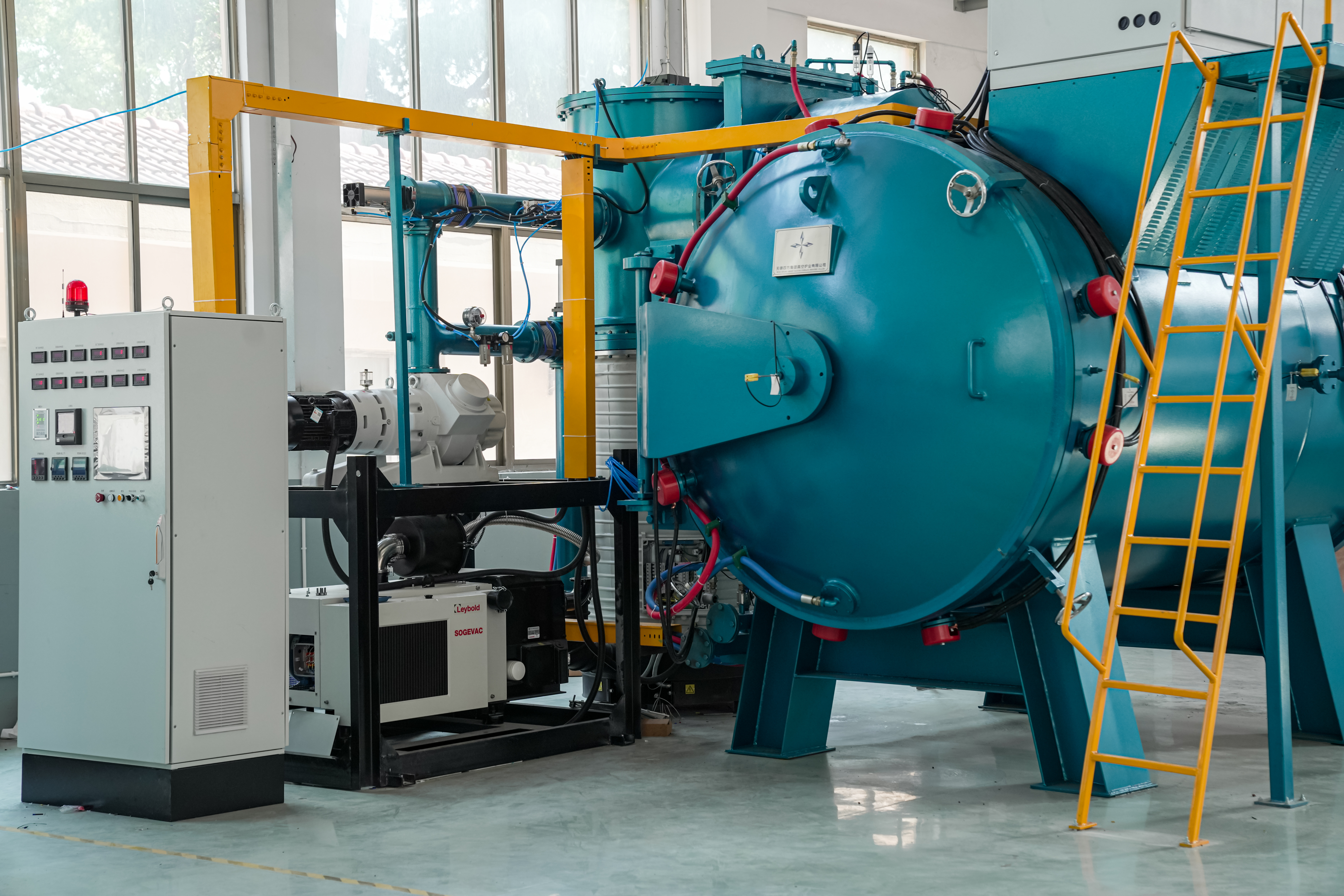
Metal joining technologies have evolved significantly over the decades, with brazing standing out as one of the most reliable methods for creating strong, permanent connections between dissimilar materials. The advent of vacuum brazing furnace technology has revolutionized this process, offering unprecedented control over joint quality and strength. This advanced manufacturing technique eliminates atmospheric contamination while providing precise temperature control, resulting in superior metallurgical bonds that exceed traditional joining methods in both strength and durability.
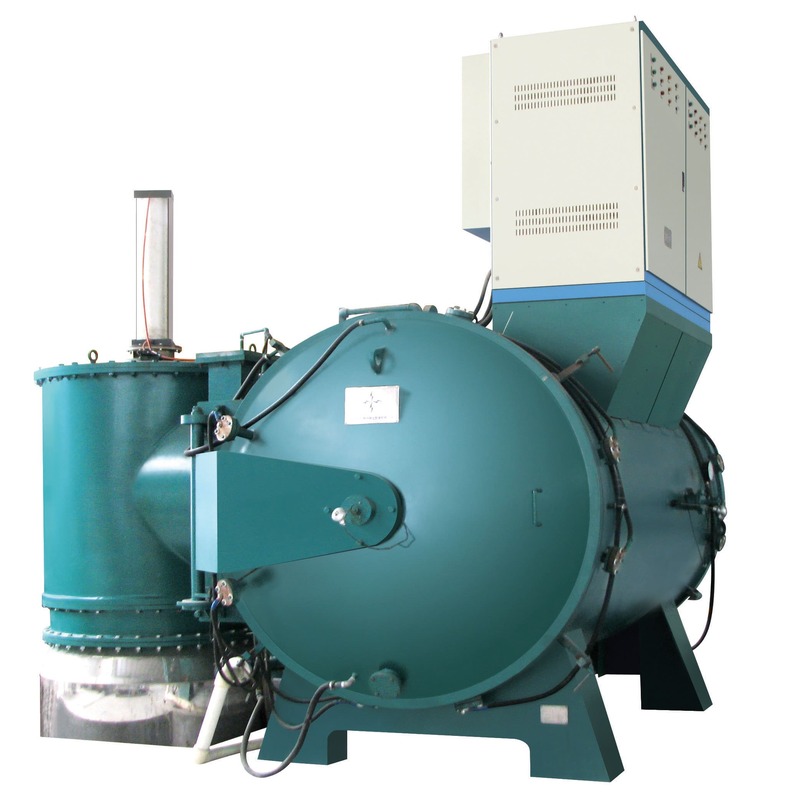
Industrial manufacturers across aerospace, automotive, and electronics sectors increasingly rely on vacuum brazing processes to achieve critical joint specifications. The controlled environment within a vacuum brazing furnace enables the formation of clean, oxide-free interfaces that promote optimal filler metal flow and wetting characteristics. This results in joints with enhanced mechanical properties, improved corrosion resistance, and consistent quality that meets stringent industry standards.
Understanding Vacuum Brazing Fundamentals
The Science Behind Vacuum Environment Benefits
The primary advantage of utilizing a vacuum brazing furnace lies in its ability to eliminate oxygen and other reactive gases from the brazing environment. When metals are heated in atmospheric conditions, oxide layers form on surfaces, preventing proper filler metal adhesion and creating weak points in the joint structure. The vacuum environment removes these contaminants, allowing for direct metal-to-metal contact and superior bond formation.
Within the controlled atmosphere of a vacuum brazing furnace, the absence of oxidizing gases enables the use of highly active filler metals that would otherwise be impossible to employ in air brazing. These specialized alloys often contain elements like titanium, aluminum, or magnesium that readily form oxides in normal atmospheric conditions but create exceptionally strong joints when processed in vacuum.
Temperature Control and Uniformity Advantages
Precise temperature management represents another critical factor in joint strength enhancement through vacuum brazing technology. A properly designed vacuum brazing furnace maintains temperature uniformity across the entire work zone, ensuring consistent filler metal flow and joint formation throughout complex assemblies. This uniformity prevents the formation of cold joints or areas of incomplete brazing that could compromise overall strength.
The thermal mass and insulation properties of vacuum brazing furnace systems allow for controlled heating and cooling cycles that optimize metallurgical reactions. Slow, controlled cooling particularly benefits joint strength by allowing proper grain structure formation and stress relief within the brazed interface.
Metallurgical Enhancement Mechanisms
Intermetallic Formation and Diffusion
During the vacuum brazing process, the clean metal surfaces and controlled environment promote extensive atomic diffusion between the base metals and filler material. This diffusion creates intermetallic compounds at the joint interface that often exhibit superior strength properties compared to the individual parent materials. The vacuum brazing furnace enables precise control over the time and temperature parameters that govern intermetallic formation, optimizing these beneficial phases while avoiding brittle compounds.
The extent of diffusion achievable in vacuum brazing furnace operations typically exceeds that possible in other joining methods. This enhanced diffusion creates a gradual transition zone rather than a sharp interface, distributing stresses more effectively and improving overall joint reliability under dynamic loading conditions.
Grain Structure Refinement
The controlled thermal environment within a vacuum brazing furnace promotes fine grain structure development in both the filler metal and heat-affected zones of the base materials. Smaller grain sizes generally correlate with increased strength through the Hall-Petch relationship, where grain boundaries act as barriers to dislocation movement. The vacuum brazing furnace process parameters can be tailored to optimize grain size for maximum strength enhancement.
Additionally, the absence of atmospheric gases prevents grain boundary contamination that could weaken the joint structure. Clean grain boundaries maintain their integrity and contribute to the overall strength of the brazed assembly.
Material Compatibility and Joint Design Optimization
Dissimilar Material Joining Capabilities
One of the most significant advantages of vacuum brazing furnace technology is its ability to successfully join dissimilar materials that would be difficult or impossible to weld using conventional fusion processes. The lower processing temperatures and controlled atmosphere enable the joining of materials with vastly different melting points, thermal expansion coefficients, and chemical compositions without creating harmful intermetallic compounds or residual stresses.
The vacuum environment allows for the use of specialized filler metals designed specifically for challenging material combinations. These advanced brazing alloys can accommodate the different physical properties of dissimilar materials while creating strong, reliable joints that maintain their integrity under service conditions.
Joint Geometry and Clearance Considerations
The controlled atmosphere within a vacuum brazing furnace enables optimal filler metal flow characteristics, allowing for the creation of complex joint geometries that maximize strength. Proper joint clearances can be maintained more precisely due to the excellent wetting and capillary action achieved in the vacuum environment. This results in complete joint fill and elimination of voids that could serve as stress concentrators.
The ability to process multiple joints simultaneously in a vacuum brazing furnace allows for the design of integrated assemblies where joint placement and orientation can be optimized for maximum strength. This systems approach to joint design often results in overall structural performance that exceeds the sum of individual joint strengths.
Process Parameter Control and Quality Assurance
Vacuum Level and Atmosphere Management
The degree of vacuum achieved within the brazing furnace directly impacts joint quality and strength. Higher vacuum levels more effectively remove surface oxides and contaminants, enabling superior filler metal wetting and adhesion. Modern vacuum brazing furnace systems can achieve vacuum levels below 10^-4 torr, creating an environment where even the most reactive materials can be successfully processed.
Some vacuum brazing furnace applications benefit from partial pressure backfill with inert gases to modify heat transfer characteristics or prevent excessive evaporation of volatile filler metal constituents. This controlled atmosphere capability provides additional process flexibility for optimizing joint strength in specific applications.
Heating Rate and Thermal Cycling Effects
The heating rate capabilities of vacuum brazing furnace systems significantly influence the final joint microstructure and properties. Controlled heating rates prevent thermal shock and allow for uniform temperature distribution throughout complex assemblies. Slower heating rates generally promote better filler metal flow and more complete diffusion, resulting in stronger joints.
The thermal cycling capabilities inherent in vacuum brazing furnace operations can be utilized to stress-relieve joints and optimize their microstructure. Multiple thermal cycles or complex temperature profiles can be employed to achieve specific metallurgical objectives that enhance joint strength and performance.
Industry Applications and Performance Benefits
Aerospace and High-Performance Applications
The aerospace industry extensively utilizes vacuum brazing furnace technology for critical components where joint strength and reliability are paramount. Turbine engine components, heat exchangers, and structural elements benefit from the superior joint properties achievable through vacuum brazing processes. The ability to create hermetic seals and joints that maintain their integrity under extreme temperature and pressure conditions makes vacuum brazing furnace technology indispensable for aerospace applications.
The weight-to-strength ratio advantages provided by vacuum brazing furnace processes align perfectly with aerospace requirements for lightweight, high-performance components. The elimination of mechanical fasteners and the ability to create complex, integrated structures contribute to overall system efficiency and performance.
Electronics and Precision Manufacturing
Electronic component manufacturing increasingly relies on vacuum brazing furnace technology for creating reliable electrical and thermal connections. The controlled environment prevents oxidation of conductive surfaces while enabling the use of high-conductivity filler metals that enhance both electrical and mechanical performance. The precision achievable with vacuum brazing furnace systems makes them ideal for miniaturized electronic assemblies where joint quality is critical.
Heat dissipation components such as heat sinks and thermal management systems benefit significantly from the superior thermal conductivity achievable through vacuum brazing furnace processes. The metallurgical bonds created in the vacuum environment provide efficient heat transfer paths while maintaining mechanical integrity under thermal cycling conditions.
Quality Control and Testing Methods
Non-Destructive Evaluation Techniques
The quality of joints produced in a vacuum brazing furnace can be verified through various non-destructive testing methods that assess both structural integrity and metallurgical quality. Ultrasonic testing effectively identifies voids, cracks, or incomplete bonding within brazed joints, while radiographic inspection reveals internal defects that might compromise strength. These testing methods ensure that the enhanced joint properties achievable through vacuum brazing furnace processes are consistently realized in production.
Advanced inspection techniques such as computed tomography provide three-dimensional visualization of joint quality, enabling detailed analysis of filler metal distribution and identification of potential failure modes. This level of quality assurance supports the reliability requirements of critical applications where joint strength is paramount.
Mechanical Property Verification
Standardized mechanical testing procedures validate the strength improvements achieved through vacuum brazing furnace processes. Tensile, shear, and fatigue testing demonstrate the superior performance characteristics of vacuum-brazed joints compared to alternative joining methods. The test results consistently show higher strength values, improved ductility, and enhanced fatigue resistance for joints processed in vacuum brazing furnace systems.
Comparative testing between vacuum-brazed and atmosphere-brazed joints clearly demonstrates the benefits of the controlled environment provided by vacuum brazing furnace technology. These performance advantages translate directly into improved product reliability and extended service life in demanding applications.
FAQ
What makes vacuum brazing stronger than conventional brazing methods
Vacuum brazing creates stronger joints by eliminating surface oxides and contaminants that interfere with proper filler metal bonding. The controlled environment allows for superior wetting characteristics, complete joint fill, and the formation of beneficial intermetallic compounds that enhance overall joint strength. Additionally, the precise temperature control achievable in vacuum systems optimizes metallurgical reactions for maximum strength development.
How does vacuum level affect joint strength in brazing operations
Higher vacuum levels remove more surface contaminants and reactive gases, enabling better filler metal adhesion and stronger metallurgical bonds. Vacuum levels below 10^-4 torr are typically required for optimal results with reactive materials, while less stringent vacuum requirements may suffice for more stable material combinations. The key is achieving sufficient vacuum to eliminate oxidation and contamination that would weaken the joint interface.
Can all materials be successfully joined using vacuum brazing techniques
While vacuum brazing offers exceptional versatility in material joining, some limitations exist based on vapor pressure considerations and filler metal compatibility. Materials with high vapor pressures at brazing temperatures may require special processing techniques or alternative joining methods. However, the majority of engineering materials including stainless steels, titanium alloys, aluminum alloys, and refractory metals can be successfully processed in vacuum brazing furnace systems with appropriate filler metal selection.
What joint clearances provide optimal strength in vacuum brazing applications
Joint clearances between 0.002 and 0.005 inches typically provide optimal strength for most vacuum brazing applications. This range allows for proper capillary action while ensuring complete joint fill without excessive filler metal consumption. Tighter clearances may restrict filler metal flow, while excessive clearances can result in weak joints due to insufficient capillary forces and poor gap filling characteristics.
