
 EN
EN
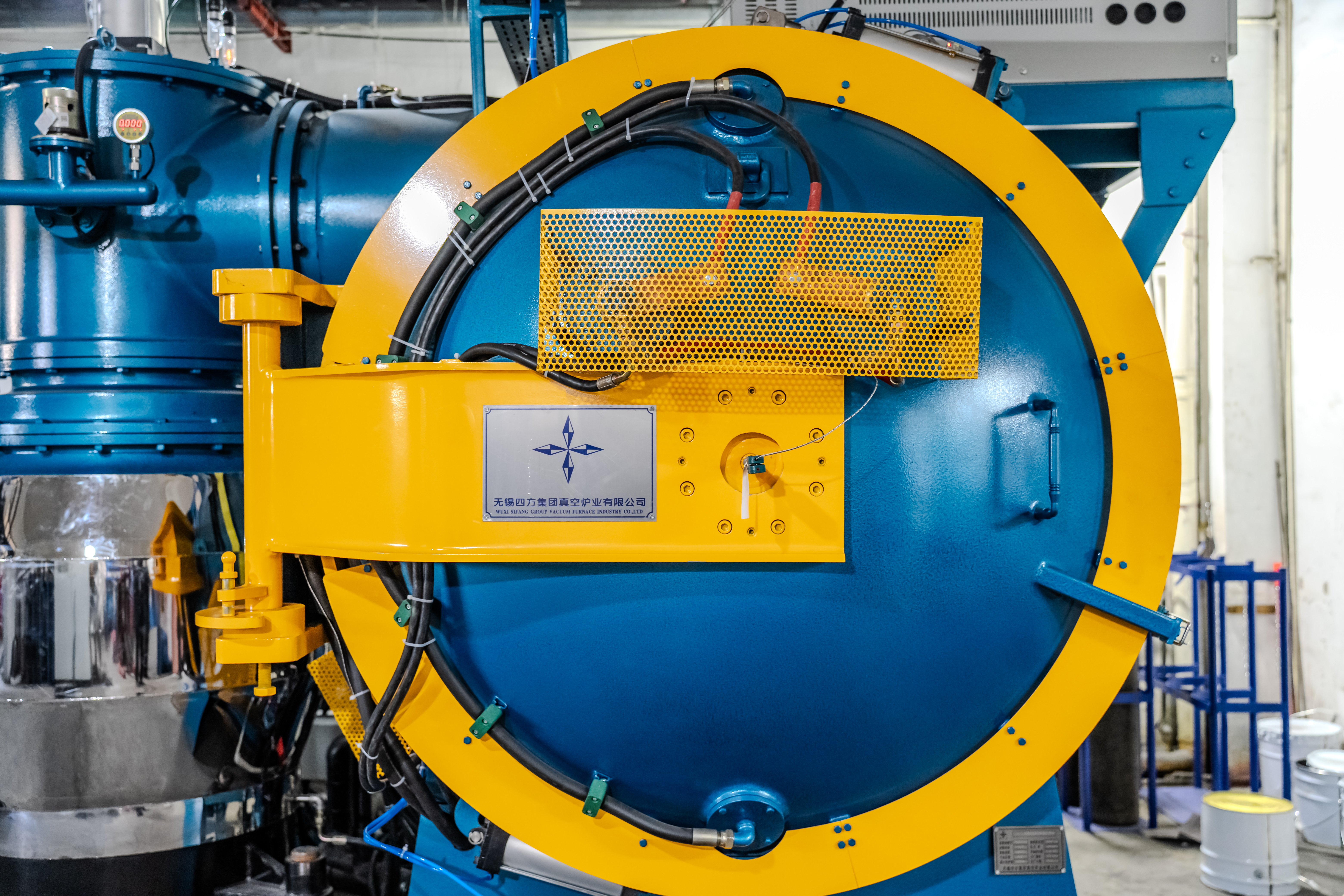
High-precision component manufacturing demands exceptional joining techniques that maintain material integrity while delivering reliable, leak-proof connections. A vacuum brazing furnace represents the pinnacle of advanced thermal processing technology, enabling manufacturers to produce critical components for aerospace, automotive, electronics, and medical device applications. This specialized equipment operates in a controlled atmosphere environment, eliminating oxidation and contamination risks that compromise joint quality in conventional brazing methods. The precise temperature control and atmospheric conditions achieved within a vacuum brazing furnace ensure consistent metallurgical bonds that meet the stringent requirements of modern industrial applications.
Understanding Vacuum Brazing Technology
Fundamental Principles of Vacuum Brazing
Vacuum brazing operates on the principle of joining metals using a filler material that melts at temperatures lower than the base materials being joined. The vacuum brazing furnace creates an oxygen-free environment, typically maintaining pressures below 10^-4 torr, which prevents oxidation of both base metals and filler alloys. This controlled atmosphere ensures that the brazing process produces clean, high-strength joints without the need for chemical fluxes that can leave residues or cause corrosion in sensitive applications.
The absence of atmospheric gases during the brazing cycle allows for superior wetting characteristics between the filler metal and base materials. This enhanced wetting action results in complete joint penetration and eliminates voids or inclusions that could compromise mechanical properties. Temperature uniformity within the vacuum brazing furnace chamber ensures consistent heating rates and thermal profiles across complex component geometries, delivering repeatable results that meet tight manufacturing tolerances.
Atmospheric Control and Process Variables
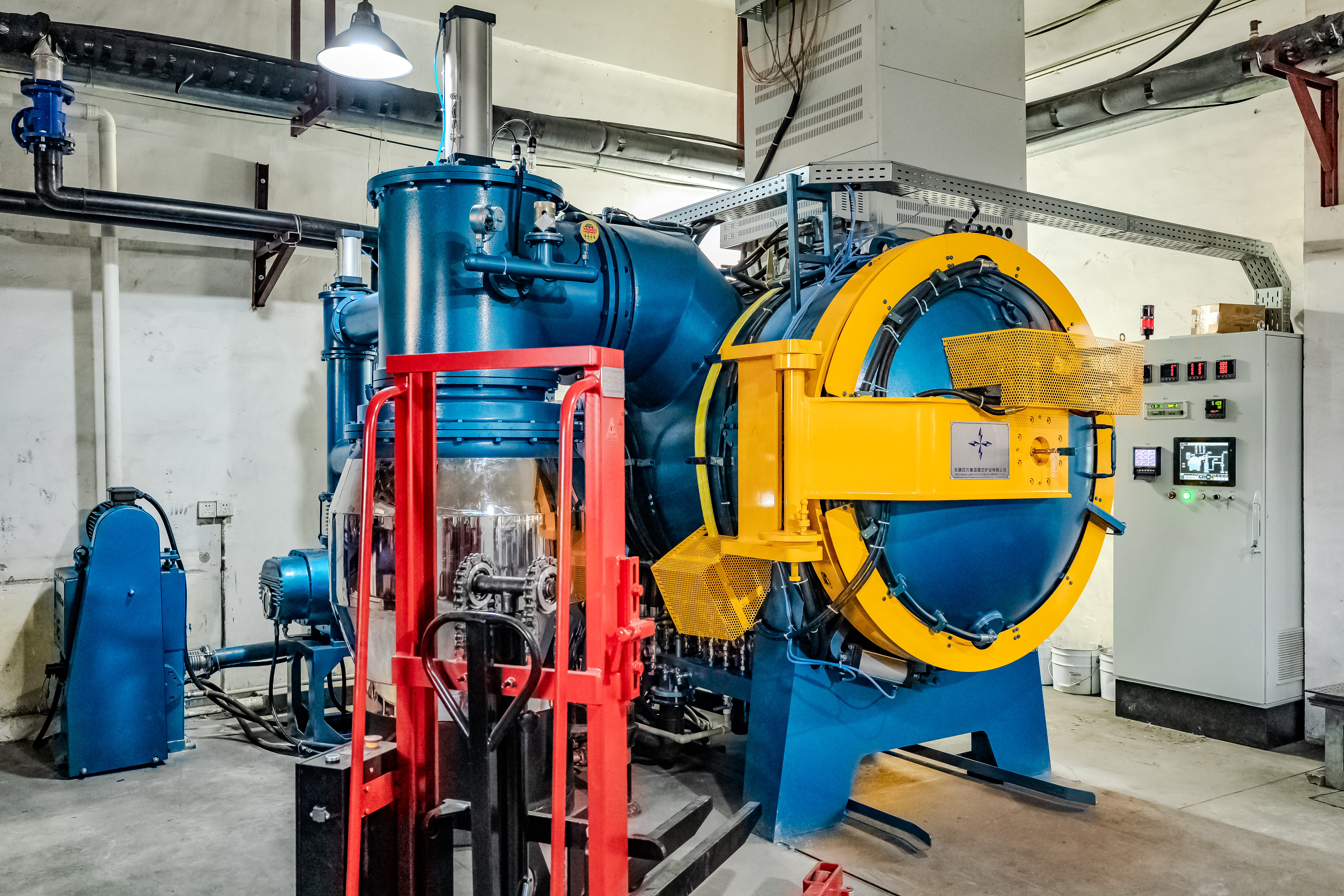
Modern vacuum brazing furnace systems incorporate sophisticated atmospheric control mechanisms that monitor and adjust chamber conditions throughout the thermal cycle. These systems typically feature multiple vacuum pumping stages, including roughing pumps for initial evacuation and diffusion or turbomolecular pumps for achieving ultra-high vacuum levels. The controlled atmosphere prevents the formation of oxide films that would otherwise inhibit proper filler metal flow and joint formation.
Process variables such as heating rate, brazing temperature, hold time, and cooling rate are precisely controlled through advanced programmable logic controllers. The vacuum brazing furnace maintains consistent thermal profiles that accommodate varying component masses and geometries, ensuring uniform heating throughout the load. This level of control enables manufacturers to develop repeatable process parameters that consistently produce high-quality brazed assemblies meeting critical performance specifications.
Material Compatibility and Joint Performance
Base Metal Considerations
The vacuum brazing furnace accommodates an extensive range of base materials, including stainless steels, titanium alloys, aluminum alloys, copper alloys, and refractory metals. Each material system requires specific thermal cycles and filler metal selections to achieve optimal joint properties. Stainless steel components benefit from the clean environment provided by the vacuum brazing furnace, eliminating the formation of chromium oxides that would otherwise prevent proper wetting and joint formation.
Titanium and other reactive metals present unique challenges in conventional brazing environments due to their high affinity for oxygen and nitrogen. The ultra-clean atmosphere maintained within the vacuum brazing furnace prevents contamination of these sensitive materials, preserving their mechanical properties and corrosion resistance. This capability makes vacuum brazing furnace technology essential for aerospace applications where titanium components must maintain their strength-to-weight advantages.
Filler Metal Selection and Performance
Filler metal selection for vacuum brazing furnace applications focuses on alloys that flow readily in oxygen-free environments and provide joint properties matching or exceeding those of the base materials. Common filler metals include silver-based alloys, copper-phosphorus systems, nickel-based brazing alloys, and specialized titanium filler metals. The absence of flux requirements in vacuum brazing furnace operations eliminates concerns about flux residues affecting joint integrity or component cleanliness.
Joint performance achieved through vacuum brazing furnace processing typically exceeds that of conventional brazing methods due to the clean metallurgical interfaces formed between filler and base metals. Tensile strengths often approach or equal those of the base materials, while fatigue resistance remains high due to the absence of flux-related stress concentrators. The vacuum environment also enables the use of reactive filler metals that would be impossible to process in atmospheric conditions.
Industrial Applications and Quality Requirements
Aerospace Component Manufacturing
Aerospace applications represent one of the most demanding markets for vacuum brazing furnace technology, where component reliability directly impacts safety and mission success. Heat exchangers, fuel system components, hydraulic assemblies, and structural joints all require the exceptional quality standards achievable only through vacuum brazing furnace processing. The clean, flux-free joints produced eliminate potential contamination sources that could compromise system performance or cause premature failure.
Critical aerospace components often feature complex geometries with internal passages or cooling channels that cannot be cleaned after assembly. The vacuum brazing furnace process ensures these internal surfaces remain pristine, maintaining design performance characteristics throughout the component's service life. Temperature uniformity within the vacuum brazing furnace chamber enables the successful brazing of large assemblies with varying section thicknesses, meeting the dimensional stability requirements of precision aerospace applications.
Automotive and Electronics Applications
The automotive industry increasingly relies on vacuum brazing furnace technology for manufacturing heat exchangers, sensors, and powertrain components that demand superior joint integrity and corrosion resistance. Electric vehicle battery cooling systems, in particular, require the leak-tight joints and clean surfaces that only vacuum brazing furnace processing can provide. The absence of flux residues prevents potential contamination of cooling fluids and ensures long-term system reliability.
Electronics packaging applications benefit from the precise thermal control and clean environment of the vacuum brazing furnace, enabling the manufacture of hermetic seals and thermal management components. Semiconductor device packages, microwave components, and optical assemblies all require the contamination-free joints achievable through vacuum brazing furnace technology. The controlled atmosphere prevents oxidation of sensitive metallizations and maintains the electrical performance characteristics critical to electronic device functionality.
Process Optimization and Quality Control
Thermal Cycle Development
Optimizing thermal cycles for vacuum brazing furnace operations requires careful consideration of component geometry, material combinations, and joint accessibility. Heating rates must be controlled to prevent thermal shock in brittle materials while ensuring adequate outgassing time for volatile contaminants. The vacuum brazing furnace system's ability to maintain precise temperature uniformity enables the development of aggressive thermal cycles that minimize processing time while maintaining joint quality.
Cooling rates following the brazing cycle significantly impact final joint microstructure and mechanical properties. Controlled cooling capabilities within the vacuum brazing furnace allow for the development of optimal microstructures that maximize joint strength and ductility. Some applications benefit from rapid quenching to achieve fine-grained structures, while others require slow cooling to minimize residual stresses in complex assemblies.
Quality Assurance and Testing Methods
Quality control for vacuum brazing furnace operations encompasses both in-process monitoring and post-brazing evaluation techniques. Real-time monitoring of chamber pressure, temperature distribution, and heating rates provides immediate feedback on process stability and repeatability. Data logging systems integrated with the vacuum brazing furnace controls enable statistical process control and traceability for critical applications requiring comprehensive documentation.
Non-destructive testing methods such as helium leak testing, radiographic inspection, and ultrasonic examination verify joint integrity without compromising component functionality. Destructive testing of process qualification samples confirms joint strength, microstructure, and corrosion resistance properties. The consistent results achievable through vacuum brazing furnace processing enable the development of sampling plans that ensure quality while minimizing testing costs.
Economic Benefits and Production Efficiency
Cost Reduction Through Process Elimination
The vacuum brazing furnace process eliminates several costly steps associated with conventional brazing methods, including flux application, post-braze cleaning, and flux residue removal. These process eliminations reduce labor costs, chemical consumption, and waste disposal expenses while improving overall production efficiency. The clean joints produced by the vacuum brazing furnace require minimal finishing operations, further reducing manufacturing costs and lead times.
Component yields typically increase when transitioning from conventional brazing to vacuum brazing furnace processing due to the elimination of flux-related defects and improved process repeatability. Reduced scrap rates and rework requirements directly impact production costs and delivery schedules. The ability to process multiple assemblies simultaneously in larger vacuum brazing furnace chambers provides economies of scale that further enhance cost effectiveness.
Quality Premium and Market Advantages
The superior joint quality achievable through vacuum brazing furnace technology often commands premium pricing in demanding applications where performance justifies higher costs. Aerospace, medical device, and high-end automotive applications frequently specify vacuum brazing furnace processing to ensure component reliability and longevity. This quality differentiation provides competitive advantages and access to higher-margin market segments.
Long-term reliability improvements achieved through vacuum brazing furnace processing reduce warranty costs and enhance customer satisfaction. Components that consistently meet or exceed performance specifications build brand reputation and encourage customer loyalty. The documented quality advantages of vacuum brazing furnace technology support marketing efforts and justify premium positioning in competitive markets.
Future Developments and Technology Trends
Advanced Process Control Systems
Future vacuum brazing furnace designs will incorporate artificial intelligence and machine learning algorithms to optimize thermal cycles automatically based on load characteristics and historical performance data. These smart systems will adjust heating rates, temperature profiles, and cooling cycles in real-time to maximize joint quality while minimizing energy consumption and cycle times. Predictive maintenance capabilities will monitor system performance and schedule maintenance activities before component failures occur.
Integration with Industry 4.0 manufacturing concepts will enable vacuum brazing furnace systems to communicate with upstream and downstream processes, coordinating production schedules and quality data exchange. Digital twin technology will allow virtual process optimization and troubleshooting, reducing development time for new applications and improving overall equipment effectiveness.
Material Science Advances
Ongoing research in filler metal development focuses on creating alloys specifically optimized for vacuum brazing furnace applications, offering improved flow characteristics, enhanced mechanical properties, and expanded temperature capabilities. New base material combinations, including advanced ceramics and metal matrix composites, will expand the application range for vacuum brazing furnace technology into emerging markets such as renewable energy and space exploration.
Additive manufacturing techniques may eventually integrate with vacuum brazing furnace processes to enable the production of complex assemblies with integrated brazing features. This convergence of technologies could revolutionize component design possibilities and manufacturing workflows, creating new opportunities for vacuum brazing furnace applications in next-generation products.
FAQ
What types of materials can be processed in a vacuum brazing furnace
A vacuum brazing furnace can process a wide variety of materials including stainless steels, titanium alloys, aluminum alloys, copper alloys, nickel-based superalloys, and refractory metals. The oxygen-free environment prevents oxidation of reactive materials and enables successful brazing of material combinations that would be impossible using conventional atmospheric brazing methods. Each material system requires specific thermal cycles and filler metal selections optimized for the particular application requirements.
How does vacuum brazing compare to conventional brazing methods in terms of joint quality
Vacuum brazing furnace processing typically produces superior joint quality compared to conventional methods due to the absence of flux and the clean, controlled atmosphere. Joints exhibit excellent wetting characteristics, complete penetration, and minimal porosity. The elimination of flux residues prevents corrosion initiation sites and contamination concerns. Tensile strengths often match or exceed base material properties, while fatigue resistance remains high due to clean metallurgical interfaces.
What are the typical operating costs associated with vacuum brazing furnace operations
Operating costs for a vacuum brazing furnace include electrical consumption, vacuum pump maintenance, chamber cleaning, and periodic component replacement. However, these costs are often offset by eliminating flux materials, post-braze cleaning operations, and reduced scrap rates. Energy consumption varies with chamber size and thermal cycle requirements, but modern systems incorporate efficient heating elements and insulation systems that minimize power consumption while maintaining temperature uniformity.
How long does a typical vacuum brazing cycle take compared to other joining methods
Vacuum brazing furnace cycle times depend on component size, material thickness, and specific thermal requirements but typically range from 2 to 8 hours including heating, hold time, and controlled cooling phases. While longer than some conventional brazing methods, the cycle time includes all processing steps without requiring separate cleaning operations. Multiple components can be processed simultaneously, improving overall throughput and making the process economically viable for production applications.
Table of Contents
- Understanding Vacuum Brazing Technology
- Material Compatibility and Joint Performance
- Industrial Applications and Quality Requirements
- Process Optimization and Quality Control
- Economic Benefits and Production Efficiency
- Future Developments and Technology Trends
-
FAQ
- What types of materials can be processed in a vacuum brazing furnace
- How does vacuum brazing compare to conventional brazing methods in terms of joint quality
- What are the typical operating costs associated with vacuum brazing furnace operations
- How long does a typical vacuum brazing cycle take compared to other joining methods
