
 EN
EN
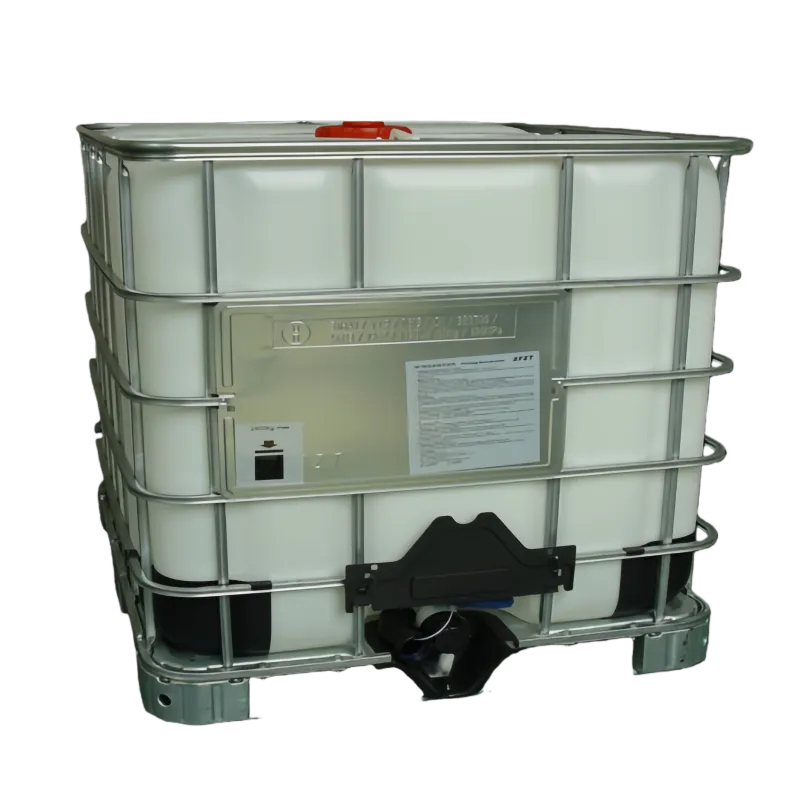
Industrial storage efficiency has become a critical factor in modern supply chain management, with businesses constantly seeking solutions that maximize space utilization while minimizing operational costs. The intermediate & bulk container has emerged as a transformative solution that addresses these challenges by providing standardized, reusable, and highly efficient storage systems for liquid and granular materials. These specialized containers have revolutionized how industries approach bulk material handling, offering significant advantages over traditional storage methods in terms of space optimization, handling efficiency, and overall cost-effectiveness.
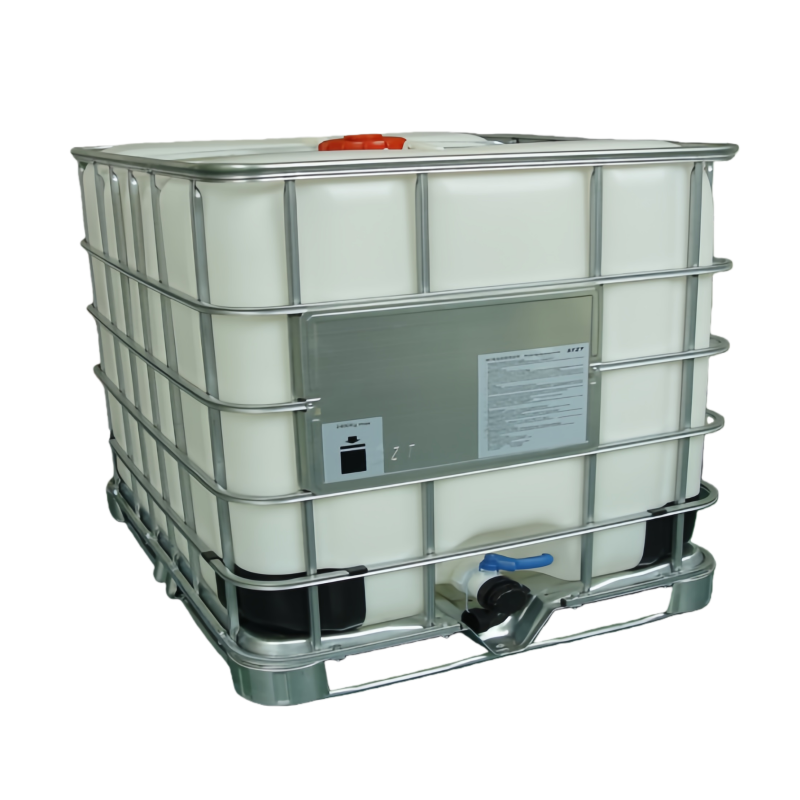
Understanding Intermediate Bulk Container Technology and Design
Core Components and Structural Engineering
The intermediate & bulk container represents a sophisticated engineering achievement that combines durability with functionality through carefully designed components. The primary structure typically consists of a rigid outer cage made from galvanized steel or stainless steel, providing exceptional strength and protection for the inner container. This outer framework is engineered to withstand significant mechanical stress during handling and transportation while maintaining the container's shape and integrity. The inner vessel, commonly manufactured from high-density polyethylene or other compatible materials, serves as the primary containment system for various liquid or granular substances.
Modern intermediate & bulk container designs incorporate advanced valve systems and discharge mechanisms that facilitate efficient product flow while maintaining contamination prevention. These valves are typically positioned at the bottom of the container, allowing for complete drainage and easy cleaning between uses. The valve design often includes quick-disconnect fittings that enable rapid connection to dispensing systems or transfer equipment, significantly reducing handling time and labor requirements. Additionally, many containers feature built-in sampling ports that allow quality control personnel to extract product samples without compromising the entire batch.
Material Selection and Compatibility Considerations
The selection of materials for intermediate & bulk container construction involves careful consideration of chemical compatibility, temperature resistance, and regulatory compliance requirements. Manufacturers utilize various grades of polyethylene, polypropylene, and specialty plastics that offer resistance to a wide range of chemicals while maintaining structural integrity under different environmental conditions. The material selection process also considers factors such as UV resistance for outdoor storage applications and barrier properties that prevent product contamination or degradation over extended periods.
Advanced intermediate & bulk container designs often incorporate multi-layer construction techniques that combine different materials to achieve specific performance characteristics. For example, some containers feature barrier layers that provide enhanced chemical resistance while maintaining flexibility and impact resistance. The outer cage materials are selected based on factors such as corrosion resistance, strength requirements, and compatibility with various handling equipment. Stainless steel options are available for applications requiring superior corrosion resistance or compliance with stringent hygiene standards in pharmaceutical or food processing industries.
Space Optimization and Warehouse Efficiency Benefits
Standardized Dimensions and Stackability Features
One of the most significant advantages of using intermediate & bulk container systems is their standardized dimensions that align with global shipping and storage standards. These containers are designed to optimize pallet space utilization, with dimensions that allow efficient stacking and arrangement within warehouse facilities. The standard footprint typically measures 1200mm x 1000mm, which corresponds to standard pallet dimensions used in logistics operations worldwide. This standardization enables precise space planning and maximizes storage density within available warehouse space.
The stackability features of intermediate & bulk container designs enable vertical storage solutions that can significantly increase storage capacity without expanding warehouse footprint. Most containers can be safely stacked up to three or four units high when empty, and many designs allow for stacking of filled containers under specific weight and stability conditions. The interlocking mechanisms and reinforced base structures ensure stable stacking configurations while providing easy access to individual containers when needed. This vertical storage capability is particularly valuable in facilities where floor space is limited or expensive.
Handling Equipment Integration and Workflow Optimization
Modern intermediate & bulk container systems are designed to integrate seamlessly with standard material handling equipment, including forklifts, pallet jacks, and automated storage systems. The container base features reinforced pallet structures with standardized entry points for forklift tines, enabling efficient movement and positioning within warehouse environments. Many designs also incorporate lifting loops or crane attachment points that facilitate overhead handling using specialized equipment or bridge cranes for heavy-duty applications.
The integration of intermediate & bulk container systems with warehouse management systems enables sophisticated inventory tracking and automated handling processes. Many containers can be equipped with RFID tags or barcode labels that provide real-time visibility into product location, quantity, and status throughout the storage and distribution process. This integration supports lean inventory management practices and enables just-in-time delivery strategies that reduce working capital requirements while maintaining service level commitments to customers.
Cost-Effectiveness and Return on Investment Analysis
Initial Investment Versus Long-Term Savings
The economic benefits of implementing intermediate & bulk container systems extend far beyond the initial purchase price, encompassing reduced handling costs, improved space utilization, and enhanced operational efficiency. While the upfront investment in quality container systems may appear significant compared to traditional packaging options, the long-term cost savings typically justify the expenditure within the first year of operation. These savings result from reduced labor requirements for handling and transfer operations, elimination of product waste during transfers, and decreased need for cleaning and maintenance of permanent storage tanks.
The reusable nature of intermediate & bulk container systems provides substantial cost advantages over single-use packaging options, particularly for high-volume operations. Quality containers can typically withstand hundreds of use cycles when properly maintained, spreading the initial investment across numerous applications. The standardized design also enables efficient return logistics programs where empty containers can be consolidated and returned to suppliers for refilling, further reducing packaging costs and environmental impact.
Operational Efficiency Gains and Productivity Improvements
Implementation of intermediate & bulk container systems typically results in measurable productivity improvements through reduced handling time and simplified transfer processes. The standardized connection systems and valve designs enable rapid product transfer without the need for specialized equipment or extensive setup procedures. This efficiency translates into reduced labor costs and increased throughput capacity within existing facility constraints.
The intermediate & bulk container design also contributes to improved product quality and reduced waste through better contamination prevention and more precise dispensing control. The closed-system design minimizes product exposure to environmental contaminants while enabling accurate measurement and dispensing of materials. This precision reduces product waste and helps maintain consistent quality standards that are critical in many industrial applications.
Safety and Compliance Advantages
Regulatory Compliance and Certification Standards
Modern intermediate & bulk container systems are designed and manufactured to meet stringent international safety and quality standards, including UN certification for hazardous material transport and FDA compliance for food-grade applications. These certifications ensure that containers meet specific performance requirements for drop testing, stacking strength, and leak-proof integrity under various operating conditions. Compliance with these standards not only ensures safe operation but also facilitates international shipping and regulatory approval in multiple jurisdictions.
The documentation and traceability features of certified intermediate & bulk container systems support comprehensive quality management programs and regulatory compliance reporting. Many containers include permanent identification markings that provide manufacturing date, certification information, and material specifications that are essential for regulatory compliance and quality auditing purposes. This documentation capability is particularly important in regulated industries such as pharmaceuticals, chemicals, and food processing where complete batch traceability is required.
Enhanced Safety Features and Risk Mitigation
The design of intermediate & bulk container systems incorporates multiple safety features that reduce workplace hazards and minimize the risk of accidents during handling and storage operations. The enclosed design eliminates worker exposure to potentially hazardous materials during normal operations, while the standardized handling procedures reduce the likelihood of accidents during lifting and positioning activities. Many containers also feature built-in overfill protection and pressure relief systems that prevent dangerous over-pressurization conditions.
The stable base design and low center of gravity of intermediate & bulk container systems contribute to improved safety during transportation and storage by reducing the risk of tipping or shifting during handling operations. The reinforced construction and impact-resistant materials provide protection against accidental damage that could result in product spills or container failure. These safety features are particularly important when handling hazardous or valuable materials where accidents could result in significant environmental or financial consequences.
Environmental Impact and Sustainability Benefits
Waste Reduction and Circular Economy Principles
The reusable nature of intermediate & bulk container systems aligns with circular economy principles by minimizing packaging waste and reducing the environmental impact of industrial storage operations. Unlike single-use packaging options that contribute to waste streams, quality containers can be used repeatedly for many years with proper maintenance and care. This reusability significantly reduces the amount of packaging waste generated per unit of product handled, contributing to corporate sustainability goals and environmental stewardship objectives.
Many intermediate & bulk container systems are designed for easy disassembly and recycling at the end of their service life, with materials that can be efficiently separated and processed through established recycling channels. The modular design allows for replacement of individual components as needed, extending the overall service life of the container system and further reducing environmental impact. Some manufacturers also offer take-back programs where worn containers are collected and refurbished for continued use or properly recycled through specialized facilities.
Energy Efficiency and Carbon Footprint Reduction
The lightweight design and efficient space utilization of intermediate & bulk container systems contribute to reduced energy consumption in transportation and handling operations. The standardized dimensions enable optimal loading of transport vehicles, reducing the number of trips required to move equivalent quantities of product. The reduced weight compared to traditional rigid containers also decreases fuel consumption during transportation while maintaining the same level of product protection and containment.
The closed-system design of intermediate & bulk container systems also contributes to energy efficiency by reducing the need for climate-controlled storage environments in many applications. The barrier properties of modern container materials help maintain product stability and quality without requiring additional environmental controls, reducing the energy costs associated with warehouse operations. This efficiency is particularly beneficial for temperature-sensitive products that might otherwise require refrigeration or heating during storage.
FAQ
What is the typical lifespan of an intermediate bulk container system
A well-maintained intermediate & bulk container can typically provide reliable service for 5 to 10 years or more, depending on the application and handling conditions. The actual lifespan varies based on factors such as the type of products stored, frequency of use, cleaning procedures, and environmental conditions. Regular inspection and maintenance can help identify potential issues early and extend the container's service life. Many manufacturers provide guidelines for inspection intervals and replacement criteria to ensure safe and reliable operation throughout the container's lifespan.
How do intermediate bulk containers compare to traditional storage tanks in terms of flexibility
Intermediate & bulk container systems offer significantly greater flexibility compared to traditional fixed storage tanks because they can be easily relocated, reconfigured, or repurposed as operational needs change. Unlike permanent tank installations that require significant time and expense to modify or relocate, portable containers can be moved with standard material handling equipment and repositioned to optimize workflow or accommodate facility changes. This flexibility also enables better inventory management through batch segregation and improved product rotation capabilities that are difficult to achieve with fixed tank systems.
What maintenance requirements are associated with intermediate bulk container systems
Maintenance requirements for intermediate & bulk container systems are generally minimal but include regular cleaning between uses, periodic inspection of valve components and seals, and occasional replacement of wear items such as gaskets or valve assemblies. The cleaning process typically involves rinsing with appropriate solvents or detergents followed by thorough drying to prevent contamination of subsequent product batches. Visual inspection should be performed regularly to check for signs of damage, wear, or degradation that might compromise container integrity or safety. Most manufacturers provide detailed maintenance procedures and recommended inspection intervals specific to their container designs.
Are intermediate bulk containers suitable for hazardous material storage and transportation
Many intermediate & bulk container systems are specifically designed and certified for hazardous material applications, including UN-certified containers that meet international standards for dangerous goods transportation. These specialized containers incorporate enhanced safety features such as improved chemical resistance, reinforced construction, and specialized valve systems designed to prevent leaks or spills during handling. However, it's essential to select containers that are specifically rated and certified for the particular hazardous materials being stored, as different chemicals may require different levels of containment and compatibility. Proper training and handling procedures are also critical when using containers for hazardous material applications.
Table of Contents
- Understanding Intermediate Bulk Container Technology and Design
- Space Optimization and Warehouse Efficiency Benefits
- Cost-Effectiveness and Return on Investment Analysis
- Safety and Compliance Advantages
- Environmental Impact and Sustainability Benefits
-
FAQ
- What is the typical lifespan of an intermediate bulk container system
- How do intermediate bulk containers compare to traditional storage tanks in terms of flexibility
- What maintenance requirements are associated with intermediate bulk container systems
- Are intermediate bulk containers suitable for hazardous material storage and transportation
