
 EN
EN
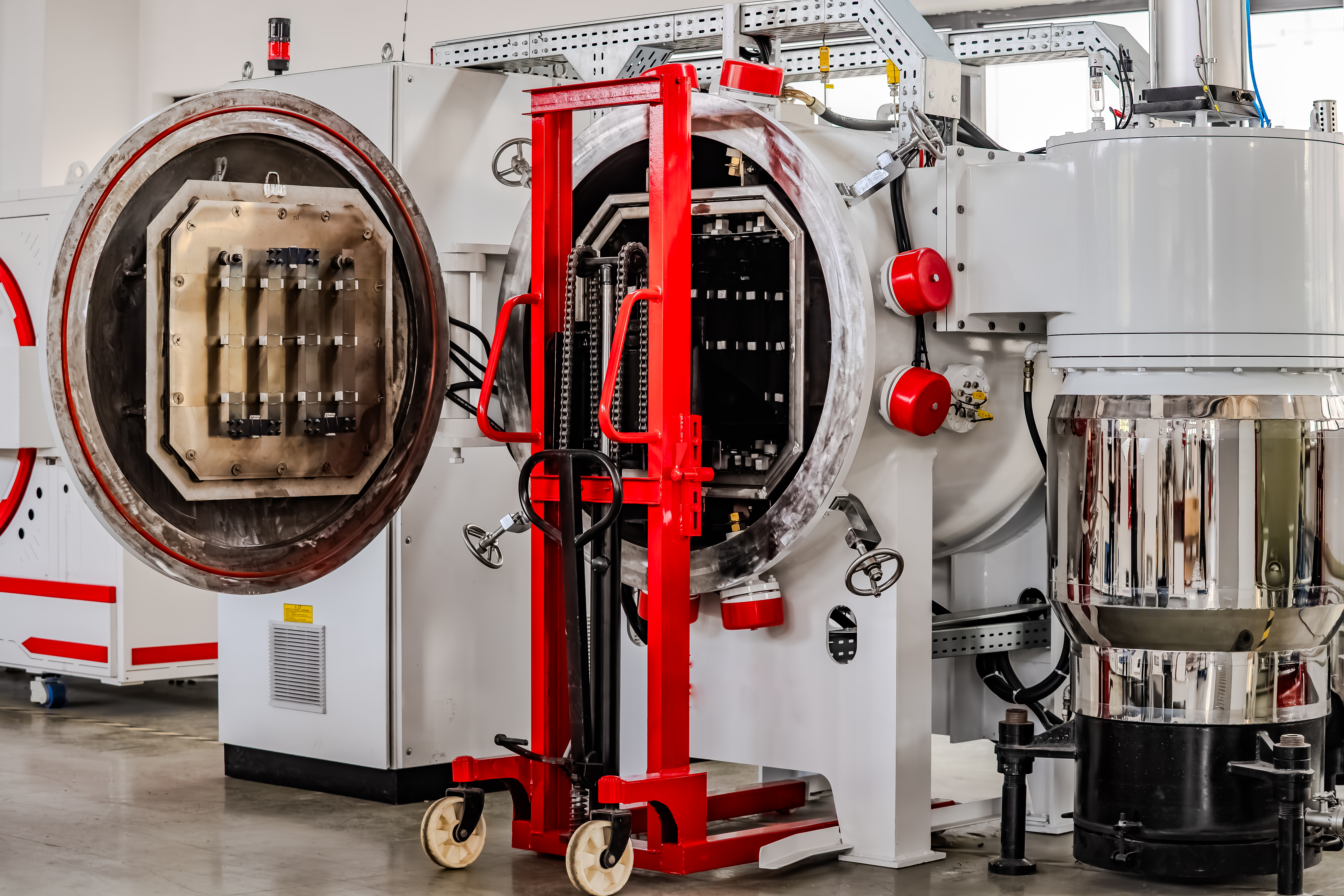
Modern manufacturing processes demand precise control over atmospheric conditions to achieve optimal results, particularly when joining metals through brazing operations. A vacuum brazing furnace represents a sophisticated solution that eliminates oxidation concerns by creating an oxygen-free environment during thermal processing. This advanced heating system removes atmospheric gases that would otherwise interfere with the brazing process, ensuring clean, strong metallurgical bonds between components. Industries ranging from aerospace to automotive rely on vacuum brazing furnace technology to produce critical assemblies where joint integrity cannot be compromised by oxidation-related defects.
Understanding Vacuum Environment Benefits
Atmospheric Gas Elimination
The primary mechanism by which a vacuum brazing furnace prevents oxidation involves the systematic removal of atmospheric gases, particularly oxygen, from the processing chamber. When components are heated in a standard atmospheric environment, oxygen molecules react readily with metal surfaces at elevated temperatures, forming oxide layers that prevent proper wetting and bonding of brazing alloys. By creating a vacuum environment typically ranging from 10^-3 to 10^-5 torr, the furnace eliminates virtually all oxygen molecules that could participate in oxidation reactions. This oxygen-free environment allows the brazing filler metal to flow freely across clean metal surfaces, creating strong metallurgical bonds without interference from oxide barriers.
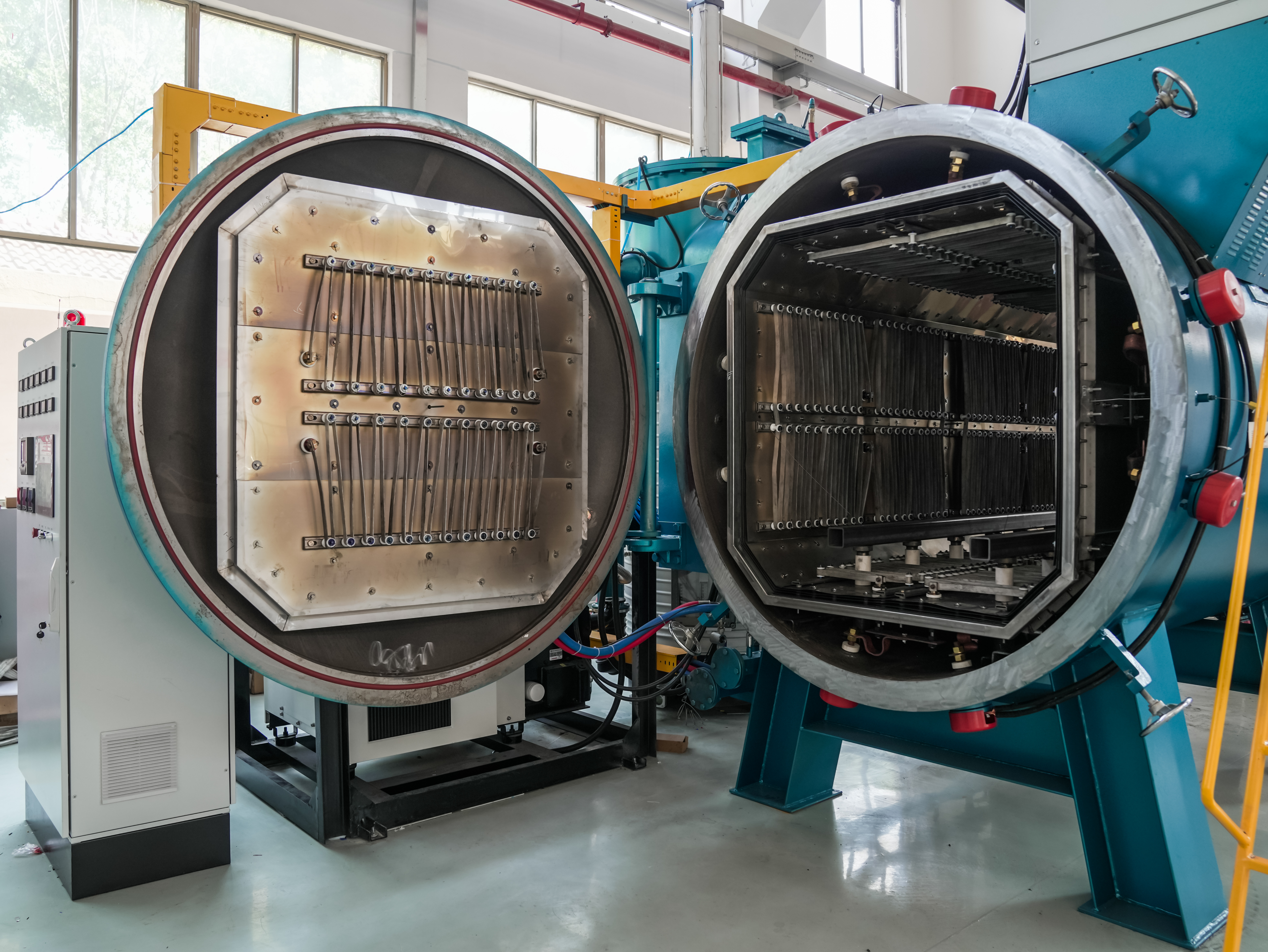
The vacuum environment also removes other potentially harmful gases such as nitrogen, water vapor, and carbon compounds that can negatively impact brazing quality. Water vapor, in particular, can cause hydrogen embrittlement in certain materials, while nitrogen can form nitrides that interfere with proper joint formation. The comprehensive gas removal achieved by vacuum brazing furnace systems ensures that only the base metals and brazing alloy are present during the joining process, eliminating all sources of contamination that could compromise joint integrity.
Surface Cleaning Effects
Beyond preventing new oxidation, the vacuum environment in a brazing furnace actively promotes surface cleaning through thermal desorption processes. As components reach brazing temperatures in the oxygen-free atmosphere, existing surface contaminants including light oxide films, organic residues, and adsorbed gases are thermally driven off the metal surfaces. This self-cleaning action is particularly effective for removing thin oxide layers that may have formed during component manufacturing or storage, ensuring optimal surface conditions for brazing alloy wetting and flow.
The combination of vacuum conditions and elevated temperatures creates a reducing environment that can actually reverse some oxidation that occurred prior to furnace loading. This surface conditioning effect is especially valuable when processing materials with high oxygen affinity, such as aluminum, titanium, and stainless steels, where even minimal surface oxidation can significantly impact brazing success. The thermal energy available in the vacuum brazing furnace chamber promotes the migration of oxide-forming elements away from joint interfaces, further enhancing the cleanliness of surfaces to be brazed.
Temperature Control and Oxidation Prevention
Precise Thermal Management
A vacuum brazing furnace provides exceptional temperature uniformity and control compared to atmospheric furnaces, which directly contributes to oxidation prevention strategies. The absence of convective gas currents in the vacuum environment eliminates hot spots and temperature gradients that could promote localized oxidation or thermal stress. Advanced heating element designs and sophisticated temperature control systems maintain precise thermal profiles throughout the processing cycle, ensuring that all components reach brazing temperature simultaneously without overheating sensitive areas prone to oxidation.
The controlled heating and cooling rates possible in vacuum systems also minimize thermal shock that could damage protective surface layers or create microscopic cracks where oxidation could initiate. Temperature ramping programs can be precisely tailored to specific materials and component geometries, allowing for gradual thermal expansion and stress relief while maintaining the protective vacuum atmosphere. This controlled thermal processing reduces the likelihood of creating metallurgical conditions that would be susceptible to oxidation in subsequent service applications.
Heat Distribution Optimization
Radiation-based heat transfer in vacuum brazing furnace systems provides more uniform energy distribution compared to convection or conduction methods used in atmospheric furnaces. This uniform heating reduces the temperature differentials that can drive oxidation reactions in localized high-temperature zones. The radiant heating characteristic of vacuum furnaces ensures that complex geometries and assemblies with varying cross-sections receive consistent thermal treatment, preventing preferential oxidation in thinner sections that might overheat in conventional processing.
Advanced furnace designs incorporate multiple heating zones and reflective insulation systems that optimize heat distribution while maintaining the integrity of the vacuum environment. These features allow for customized thermal profiles that accommodate different material thermal expansion rates and brazing alloy melting characteristics, further reducing oxidation risks associated with excessive temperatures or uneven heating patterns.
Material Compatibility and Protection
Reactive Metal Processing
Reactive metals such as titanium, aluminum, and their alloys benefit significantly from vacuum brazing furnace processing due to their high affinity for oxygen at elevated temperatures. These materials form tenacious oxide layers almost instantaneously when exposed to oxygen at brazing temperatures, making conventional atmospheric brazing nearly impossible without aggressive fluxing agents. The vacuum environment completely eliminates oxygen availability, allowing these reactive metals to be brazed using flux-free processes that produce cleaner, stronger joints without corrosive flux residues.
The protective atmosphere created in vacuum brazing furnace systems is particularly valuable for processing dissimilar metal combinations where different oxidation potentials could create galvanic corrosion concerns. By preventing oxide formation on any of the joined materials, vacuum processing ensures that all surfaces remain in their metallic state, promoting excellent metallurgical compatibility and long-term joint stability in service applications.
Stainless Steel Applications
Stainless steel components processed in vacuum brazing furnace systems benefit from the prevention of chromium oxide formation that typically occurs during high-temperature atmospheric processing. Chromium oxides can interfere with brazing alloy wetting and create weak joint interfaces that are prone to failure under mechanical or thermal stress. The oxygen-free environment preserves the clean metallic surface of stainless steel components while allowing proper brazing alloy flow and metallurgical bonding.
Vacuum processing also prevents the formation of intermetallic compounds that can occur when stainless steels are exposed to oxygen and other atmospheric gases at brazing temperatures. These compounds can create brittle phases in the joint area that compromise mechanical properties and service life. The controlled atmosphere of a vacuum brazing furnace maintains the optimal metallurgical conditions for producing ductile, corrosion-resistant joints that retain the desirable properties of the base stainless steel materials.
Process Quality and Consistency
Reproducible Results
The controlled environment of a vacuum brazing furnace enables highly reproducible processing results by eliminating the atmospheric variables that can cause inconsistency in conventional brazing operations. Atmospheric pressure fluctuations, humidity variations, and oxygen content changes all affect oxidation rates and brazing quality in open-air processes. The sealed vacuum chamber isolates the brazing process from these external atmospheric influences, ensuring consistent results batch after batch regardless of external weather conditions or seasonal variations.
Process documentation and quality control are enhanced in vacuum brazing furnace operations because all critical parameters including pressure, temperature, and time can be precisely monitored and recorded. This data traceability is essential for aerospace, medical, and other critical applications where brazing quality must be verified and documented. The elimination of oxidation variables through vacuum processing reduces process complexity and improves the reliability of quality control procedures.
Joint Quality Enhancement
Brazed joints produced in vacuum brazing furnace systems exhibit superior mechanical properties compared to those processed in oxidizing atmospheres due to the absence of oxide inclusions and contamination. Clean metal surfaces allow for optimal brazing alloy wetting, creating continuous metallurgical bonds without weak spots caused by oxide barriers. The resulting joints typically demonstrate higher strength, better fatigue resistance, and improved corrosion resistance in service applications.
The vacuum environment also enables the use of brazing alloys with superior properties that might be incompatible with atmospheric processing due to oxidation sensitivity. These advanced alloys can provide enhanced joint performance characteristics such as improved high-temperature strength, better thermal conductivity, or superior corrosion resistance in specific service environments. The flexibility to utilize these specialized materials expands the applications possible with vacuum brazing furnace technology.
Industrial Applications and Benefits
Aerospace Manufacturing
Aerospace applications demand the highest quality standards for brazed assemblies due to the critical nature of flight hardware and safety requirements. Vacuum brazing furnace processing is essential for producing jet engine components, heat exchangers, and structural assemblies where oxidation-free joints are mandatory for reliable operation in extreme service conditions. The ability to process large, complex assemblies in a single furnace cycle while preventing oxidation makes vacuum brazing indispensable for aerospace manufacturing operations.
The weight savings possible through vacuum brazing furnace processing also benefit aerospace applications where every gram matters for fuel efficiency and payload capacity. Clean, strong joints enable the use of thinner materials and more efficient structural designs compared to mechanical fastening methods, contributing to overall vehicle performance improvements while maintaining structural integrity and safety margins.
Automotive Heat Exchanger Production
Automotive heat exchangers, including radiators, evaporators, and condensers, require leak-tight joints that can withstand thermal cycling and corrosive environments throughout the vehicle's service life. Vacuum brazing furnace processing prevents the oxidation that could create leak paths or weak spots in these critical components, ensuring long-term reliability and performance. The ability to process complete heat exchanger assemblies simultaneously improves production efficiency while maintaining consistent quality standards.
The corrosion resistance provided by oxidation-free brazing is particularly important for automotive applications where heat exchangers are exposed to road salt, moisture, and temperature extremes. Clean brazed joints resist corrosion initiation and provide superior long-term durability compared to joints compromised by oxide inclusions or contamination from atmospheric processing methods.
FAQ
What vacuum levels are required to prevent oxidation during brazing
Effective oxidation prevention in vacuum brazing furnace operations typically requires vacuum levels between 10^-3 and 10^-5 torr, depending on the materials being processed and the required joint quality. Higher vacuum levels may be necessary for reactive metals like titanium or aluminum, while stainless steel applications may achieve satisfactory results at somewhat lower vacuum levels. The key is achieving a vacuum level that reduces oxygen partial pressure below the threshold where oxidation reactions become thermodynamically unfavorable at brazing temperatures.
Can vacuum brazing furnace systems process multiple material types simultaneously
Yes, vacuum brazing furnace systems can process assemblies containing multiple material types in the same cycle, provided that all materials are compatible with the processing temperature and vacuum environment. This capability is particularly valuable for complex assemblies containing stainless steel, aluminum, copper, and other metals that would be difficult to braze together in atmospheric conditions due to different oxidation characteristics. The oxygen-free environment ensures that all materials remain clean and weldable regardless of their individual oxidation tendencies.
How does vacuum processing affect brazing alloy performance compared to atmospheric methods
Vacuum brazing furnace processing typically enhances brazing alloy performance by enabling complete wetting and flow across clean metal surfaces without oxide interference. The absence of oxidation allows brazing alloys to achieve their full strength potential and provides better corrosion resistance in the finished joints. Additionally, vacuum processing eliminates the need for corrosive fluxes in many applications, resulting in cleaner joints with superior long-term reliability and reduced maintenance requirements in service.
What are the energy efficiency advantages of vacuum brazing furnace systems
Vacuum brazing furnace systems often demonstrate superior energy efficiency compared to atmospheric furnaces due to reduced heat loss through convection and the ability to process larger batches simultaneously. The vacuum environment eliminates convective heat transfer, allowing more efficient radiant heating with better temperature uniformity. Additionally, the ability to process complete assemblies in a single cycle reduces the total energy required per part compared to multiple-step atmospheric processes that may require separate cleaning, fluxing, and brazing operations.
Table of Contents
- Understanding Vacuum Environment Benefits
- Temperature Control and Oxidation Prevention
- Material Compatibility and Protection
- Process Quality and Consistency
- Industrial Applications and Benefits
-
FAQ
- What vacuum levels are required to prevent oxidation during brazing
- Can vacuum brazing furnace systems process multiple material types simultaneously
- How does vacuum processing affect brazing alloy performance compared to atmospheric methods
- What are the energy efficiency advantages of vacuum brazing furnace systems