
 EN
EN
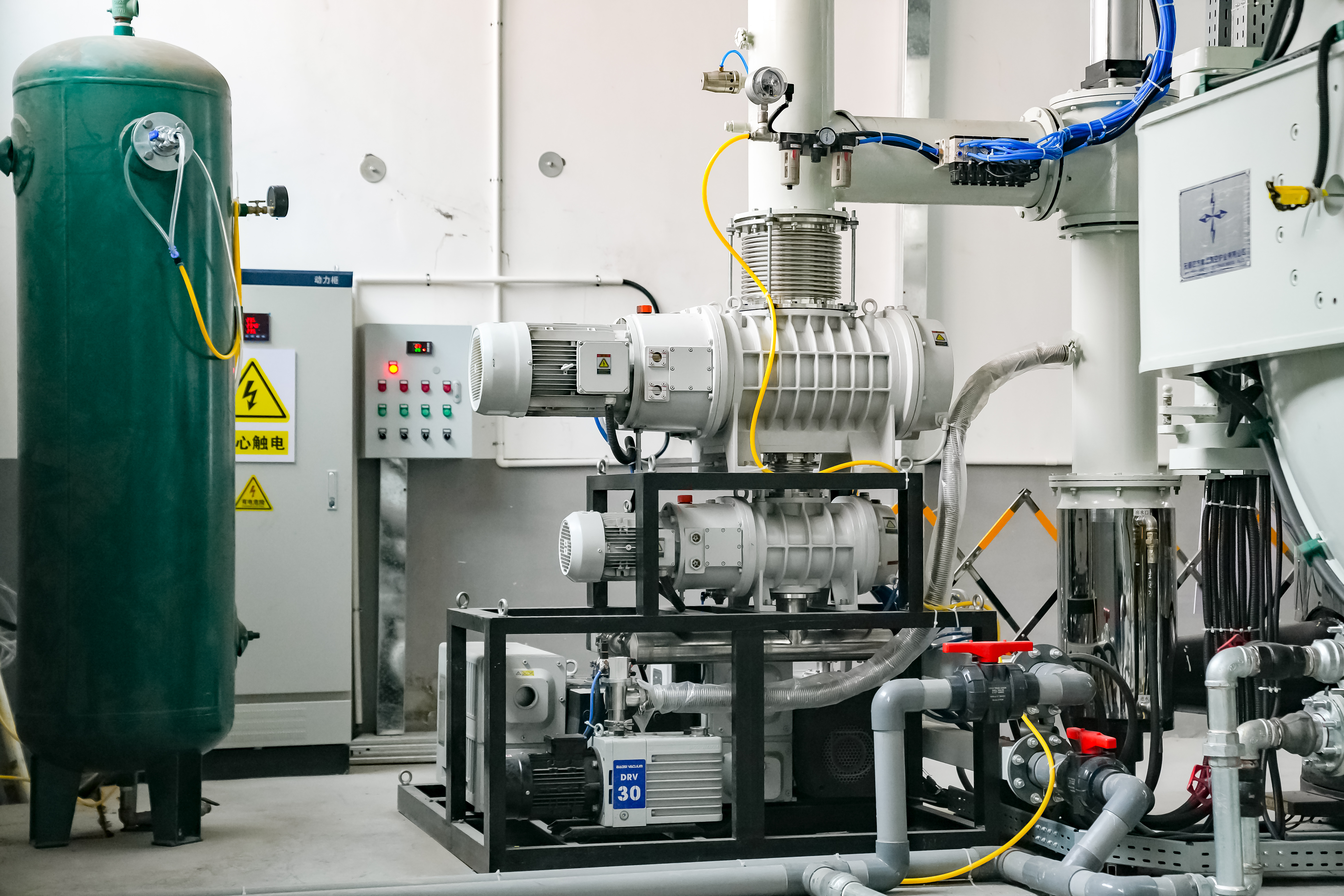
Material selection plays a crucial role in determining the success and efficiency of thermal processing operations. When working with a vacuum brazing furnace, understanding how different materials respond to high-temperature environments and controlled atmospheric conditions becomes essential for achieving optimal results. The interaction between material properties and furnace parameters directly impacts joint quality, process reliability, and overall equipment performance.
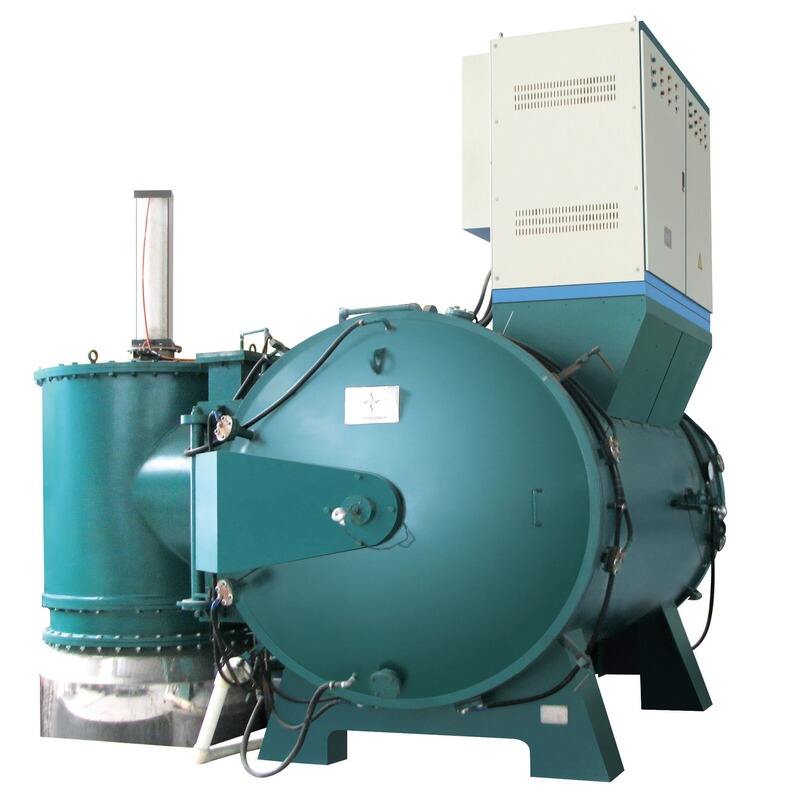
The vacuum environment eliminates oxidation concerns while enabling precise temperature control across different material types. Each material category presents unique challenges and opportunities when processed in these specialized thermal systems. From aluminum alloys to stainless steels, copper-based components to titanium assemblies, material characteristics determine processing parameters, cycle times, and achievable joint properties.
Modern manufacturing demands require understanding these material-specific behaviors to optimize production efficiency and maintain consistent quality standards. The vacuum brazing furnace technology continues evolving to accommodate diverse material requirements while maximizing throughput and energy efficiency across industrial applications.
Aluminum Alloy Processing Characteristics
Thermal Expansion Properties
Aluminum alloys exhibit significant thermal expansion coefficients that directly influence vacuum brazing furnace performance and joint integrity. During heating cycles, aluminum components expand considerably more than many other metals, creating challenges for fixturing and dimensional control. The vacuum brazing furnace must accommodate these expansion characteristics through careful temperature ramping and sophisticated fixture designs that allow controlled movement while maintaining proper component alignment.
Different aluminum alloy compositions demonstrate varying expansion rates, with 6000-series alloys typically showing more predictable behavior compared to 5000-series materials. The vacuum environment prevents oxidation that would otherwise complicate thermal expansion management, allowing for more precise control over dimensional changes throughout the heating and cooling phases.
Temperature uniformity becomes critical when processing aluminum assemblies with varying wall thicknesses or complex geometries. The vacuum brazing furnace heating system must provide consistent thermal input to prevent differential expansion that could lead to warpage or component distortion during the brazing cycle.
Filler Metal Compatibility
Aluminum brazing applications require specific filler metal compositions that flow effectively at relatively low temperatures while forming reliable metallurgical bonds. The vacuum brazing furnace environment enhances filler metal wetting characteristics by eliminating surface oxides that typically inhibit proper flow and adhesion in atmospheric brazing processes.
Silicon-aluminum and aluminum-silicon-magnesium filler metals perform exceptionally well in vacuum conditions, demonstrating improved capillary action and joint penetration. The controlled atmosphere prevents filler metal contamination while enabling lower brazing temperatures that minimize base metal dissolution and maintain component dimensional stability.
Proper filler metal placement becomes crucial when processing aluminum components, as the vacuum brazing furnace environment affects flow patterns and distribution throughout joint areas. Understanding these flow characteristics allows operators to optimize filler metal positioning for maximum joint strength and reliability.
Stainless Steel Material Behavior
Oxidation Resistance Advantages
Stainless steel materials demonstrate exceptional performance characteristics when processed in vacuum brazing furnace systems, primarily due to their inherent oxidation resistance and stable metallurgical properties. The vacuum environment complements stainless steel's natural corrosion resistance while enabling higher processing temperatures without surface degradation concerns that plague atmospheric brazing operations.
Austenitic stainless steels, including 304 and 316 grades, maintain their microstructural integrity throughout vacuum brazing cycles while achieving excellent joint quality with appropriate filler metals. The vacuum brazing furnace eliminates chromium oxide formation that typically interferes with filler metal wetting and flow in traditional brazing processes.
Ferritic and martensitic stainless steel grades also benefit from vacuum processing, though they require different temperature profiles and cooling rates to maintain desired mechanical properties. The controlled atmosphere prevents carbon migration and maintains consistent hardness levels across processed components.
Mechanical Property Retention
Vacuum brazing furnace processing helps preserve the mechanical properties of stainless steel components by preventing atmospheric contamination and controlling cooling rates. The vacuum environment eliminates nitrogen and oxygen absorption that can embrittle stainless steel at elevated temperatures, maintaining ductility and toughness characteristics essential for demanding applications.
Precipitation-hardening stainless steel grades demonstrate remarkable property retention when processed in vacuum conditions, as the controlled atmosphere prevents unwanted precipitation reactions while enabling precise aging treatments. The vacuum brazing furnace can simultaneously perform brazing and heat treatment operations, optimizing both joint formation and base metal properties.
Stress relief occurs naturally during vacuum brazing cycles, reducing residual stresses from prior manufacturing operations while maintaining dimensional stability. This dual-purpose processing capability makes vacuum brazing furnace technology particularly attractive for complex stainless steel assemblies requiring both joining and stress relief operations.
Copper-Based Material Processing
Thermal Conductivity Impact
Copper and copper alloys present unique challenges in vacuum brazing furnace operations due to their exceptional thermal conductivity properties. High thermal conductivity requires careful heating zone design and temperature control strategies to achieve uniform heating across copper components while maintaining process efficiency and energy conservation.
The vacuum brazing furnace heating system must deliver increased power input to compensate for rapid heat dissipation through copper components, particularly when processing thick sections or massive assemblies. Temperature monitoring becomes critical to ensure proper brazing temperatures are achieved throughout the component volume without creating thermal gradients that could affect joint quality.
Copper's thermal properties also influence cooling rates and thermal stress development during the vacuum brazing furnace cooling cycle. Controlled cooling rates prevent thermal shock while allowing proper filler metal solidification and microstructural development within brazed joints.
Oxidation Prevention Benefits
Copper materials benefit significantly from vacuum brazing furnace processing due to elimination of surface oxidation that typically complicates copper brazing operations. Copper oxides form readily in atmospheric conditions, creating barriers to proper filler metal wetting and flow that can result in incomplete joint formation or reduced bond strength.
The vacuum environment prevents cuprous and cupric oxide formation while enabling effective use of copper-phosphorus and silver-copper filler metals that demonstrate superior performance in oxygen-free conditions. These filler metals achieve excellent flow characteristics and metallurgical bonding when processed in vacuum brazing furnace systems.
Copper alloy components, including brass and bronze materials, also demonstrate improved brazing performance in vacuum conditions. The controlled atmosphere prevents dezincification in brass components while maintaining alloy integrity throughout the thermal processing cycle.
Titanium Alloy Considerations
Reactive Metal Challenges
Titanium alloys require specialized handling in vacuum brazing furnace operations due to their reactive nature and sensitivity to atmospheric contamination. These materials readily absorb oxygen, nitrogen, and hydrogen at elevated temperatures, leading to embrittlement and reduced mechanical properties if processed in inadequate atmospheric conditions.
The vacuum brazing furnace environment provides essential protection against atmospheric contamination while enabling effective titanium processing at temperatures required for proper joint formation. Ultra-high vacuum levels often become necessary to prevent even trace contamination that could compromise titanium component properties.
Temperature control precision becomes critical when processing titanium alloys, as these materials demonstrate narrow processing windows between effective brazing temperatures and temperatures that cause unwanted microstructural changes. The vacuum brazing furnace must maintain exceptional temperature uniformity and control to achieve consistent results across titanium assemblies.
Specialized Filler Metal Requirements
Titanium brazing applications demand specialized filler metal compositions that remain compatible with titanium's reactive nature while forming reliable metallurgical bonds. Silver-based and titanium-based filler metals perform effectively in vacuum brazing furnace conditions, providing joint strength and corrosion resistance required for aerospace and medical applications.
The vacuum environment enables use of reactive filler metals that would oxidize rapidly in atmospheric conditions, expanding the range of available joining materials for titanium applications. These specialized filler metals often contain elements like zirconium or vanadium that enhance wetting characteristics while maintaining compatibility with titanium base metals.
Proper filler metal placement and quantity control become essential when brazing titanium components, as excess filler metal can create brittle intermetallic compounds that reduce joint reliability. The vacuum brazing furnace environment allows precise control over filler metal melting and flow characteristics essential for optimal titanium joint formation.
Temperature Control and Material Response
Heating Rate Optimization
Different materials require specific heating rate profiles in vacuum brazing furnace operations to achieve optimal results while preventing thermal stress or unwanted metallurgical changes. Rapid heating rates can create thermal gradients that lead to component warpage or cracking, particularly in materials with low thermal conductivity or complex geometries.
The vacuum brazing furnace control system must accommodate material-specific heating requirements while maintaining process efficiency and energy conservation. Aluminum components typically tolerate faster heating rates due to excellent thermal conductivity, while stainless steel and titanium materials often require more gradual temperature increases to prevent thermal stress development.
Multi-zone heating systems enable customized temperature profiles that account for varying material properties within complex assemblies. This capability allows simultaneous processing of different materials while maintaining optimal heating conditions for each component type throughout the vacuum brazing furnace cycle.
Cooling Rate Management
Controlled cooling rates play essential roles in vacuum brazing furnace operations, affecting both joint microstructure development and base material properties. Different materials demonstrate varying sensitivity to cooling rates, requiring customized cooling profiles to achieve desired mechanical properties and dimensional stability.
Rapid cooling can create beneficial microstructures in some materials while causing cracking or residual stress problems in others. The vacuum brazing furnace cooling system must provide flexible cooling rate control to accommodate these diverse material requirements while maintaining process consistency and repeatability.
Aluminum assemblies often benefit from controlled cooling to prevent thermal shock and maintain dimensional accuracy, while stainless steel components may require specific cooling rates to achieve desired mechanical properties or prevent unwanted precipitation reactions during the cooling phase of the vacuum brazing furnace cycle.
Quality Control and Material Testing
Joint Strength Evaluation
Material type significantly influences joint strength characteristics achieved in vacuum brazing furnace operations, requiring material-specific testing and evaluation protocols to ensure consistent quality and reliability. Different base materials create varying joint strength profiles depending on filler metal compatibility, processing parameters, and resulting microstructural characteristics.
Aluminum brazed joints typically demonstrate excellent strength-to-weight ratios when processed properly in vacuum conditions, while stainless steel joints often achieve superior corrosion resistance and temperature stability. Copper-based joints provide exceptional electrical and thermal conductivity alongside reliable mechanical properties when processed in vacuum brazing furnace systems.
Titanium joints processed in vacuum conditions can achieve strength levels approaching base material properties when proper filler metals and processing parameters are employed. The vacuum brazing furnace environment prevents contamination that would otherwise reduce joint strength and reliability in these critical applications.
Microstructural Analysis Methods
Understanding material-specific microstructural development enables optimization of vacuum brazing furnace processing parameters and quality control procedures. Each material system demonstrates characteristic microstructural features that indicate proper processing and predict long-term joint performance under service conditions.
Metallographic examination reveals filler metal distribution, grain structure development, and intermetallic compound formation that directly relate to joint strength and durability. The vacuum brazing furnace environment typically produces cleaner microstructures with fewer defects compared to atmospheric brazing processes, enabling more consistent quality control results.
Advanced characterization techniques, including electron microscopy and X-ray diffraction, provide detailed insights into material behavior during vacuum brazing furnace processing. These analytical methods enable process optimization and quality assurance protocols that ensure consistent performance across different material systems and applications.
FAQ
What materials work best in vacuum brazing furnace applications?
Aluminum alloys, stainless steels, copper-based materials, and titanium alloys all perform excellently in vacuum brazing furnace systems, each offering unique advantages. Aluminum provides excellent thermal conductivity and lightweight properties, stainless steels offer superior corrosion resistance, copper materials deliver exceptional electrical and thermal conductivity, while titanium alloys provide outstanding strength-to-weight ratios for demanding applications.
How does material thickness affect vacuum brazing furnace processing?
Material thickness significantly impacts heating and cooling rates in vacuum brazing furnace operations, with thicker sections requiring longer cycle times to achieve uniform temperature distribution. Thin materials heat and cool rapidly, potentially requiring modified temperature profiles to prevent thermal shock, while thick sections may need extended heating periods and controlled cooling rates to maintain dimensional stability and prevent residual stress development.
Can dissimilar materials be brazed together in a vacuum brazing furnace?
Yes, dissimilar materials can be successfully brazed in vacuum brazing furnace systems when proper filler metals and processing parameters are selected. The key factors include compatible thermal expansion coefficients, appropriate filler metal selection that wets both base materials effectively, and carefully controlled temperature profiles that accommodate the different material properties while achieving reliable joint formation.
What role does material surface preparation play in vacuum brazing furnace success?
Proper surface preparation remains critical for vacuum brazing furnace success, even though the vacuum environment eliminates many surface contamination concerns. Materials must be clean and free from oils, oxides, and other contaminants that could interfere with filler metal wetting and flow. Different materials require specific cleaning procedures, with some requiring chemical etching or mechanical preparation to ensure optimal brazing results in the vacuum environment.