
 EN
EN
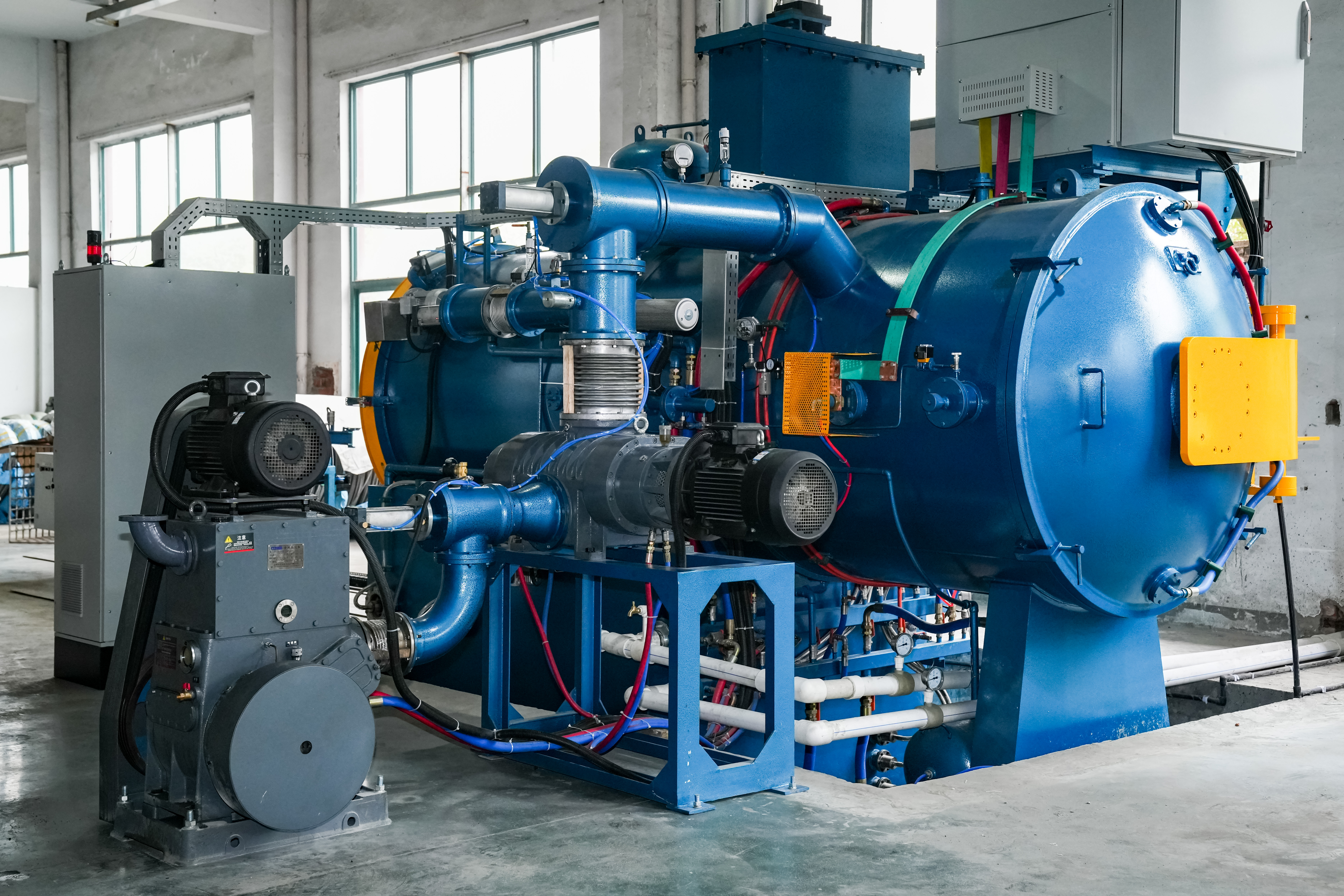
Modern manufacturing industries rely heavily on advanced heat treatment processes to enhance the mechanical properties of metallic alloys. A vacuum heat treatment furnace represents one of the most sophisticated approaches to achieving superior material characteristics by creating precisely controlled, contamination-free environments during thermal processing. This technology eliminates atmospheric interference, prevents oxidation, and enables manufacturers to achieve exceptional results in terms of hardness, strength, and durability. Industries ranging from aerospace to automotive manufacturing have increasingly adopted vacuum heat treatment furnace systems to meet stringent quality requirements and performance specifications.
Understanding Vacuum Heat Treatment Technology
Fundamental Principles of Vacuum Processing
Vacuum heat treatment operates on the principle of removing atmospheric gases to create an environment with extremely low pressure levels, typically ranging from 10^-3 to 10^-6 torr. This controlled atmosphere eliminates oxygen, nitrogen, and other reactive gases that could interfere with the heat treatment process. The absence of these contaminants allows for precise temperature control and prevents unwanted chemical reactions that typically occur during conventional heat treatment methods. The vacuum environment also enables uniform heat distribution throughout the workpiece, ensuring consistent results across complex geometries.
The vacuum heat treatment furnace maintains these conditions through sophisticated pumping systems, including mechanical pumps, diffusion pumps, and turbomolecular pumps working in combination. Temperature uniformity within the chamber typically achieves variations of less than ±5°C across the working zone, which is crucial for maintaining consistent mechanical properties throughout the treated components. Advanced control systems monitor and adjust both pressure and temperature parameters in real-time, ensuring optimal processing conditions.
Advanced Chamber Design and Control Systems
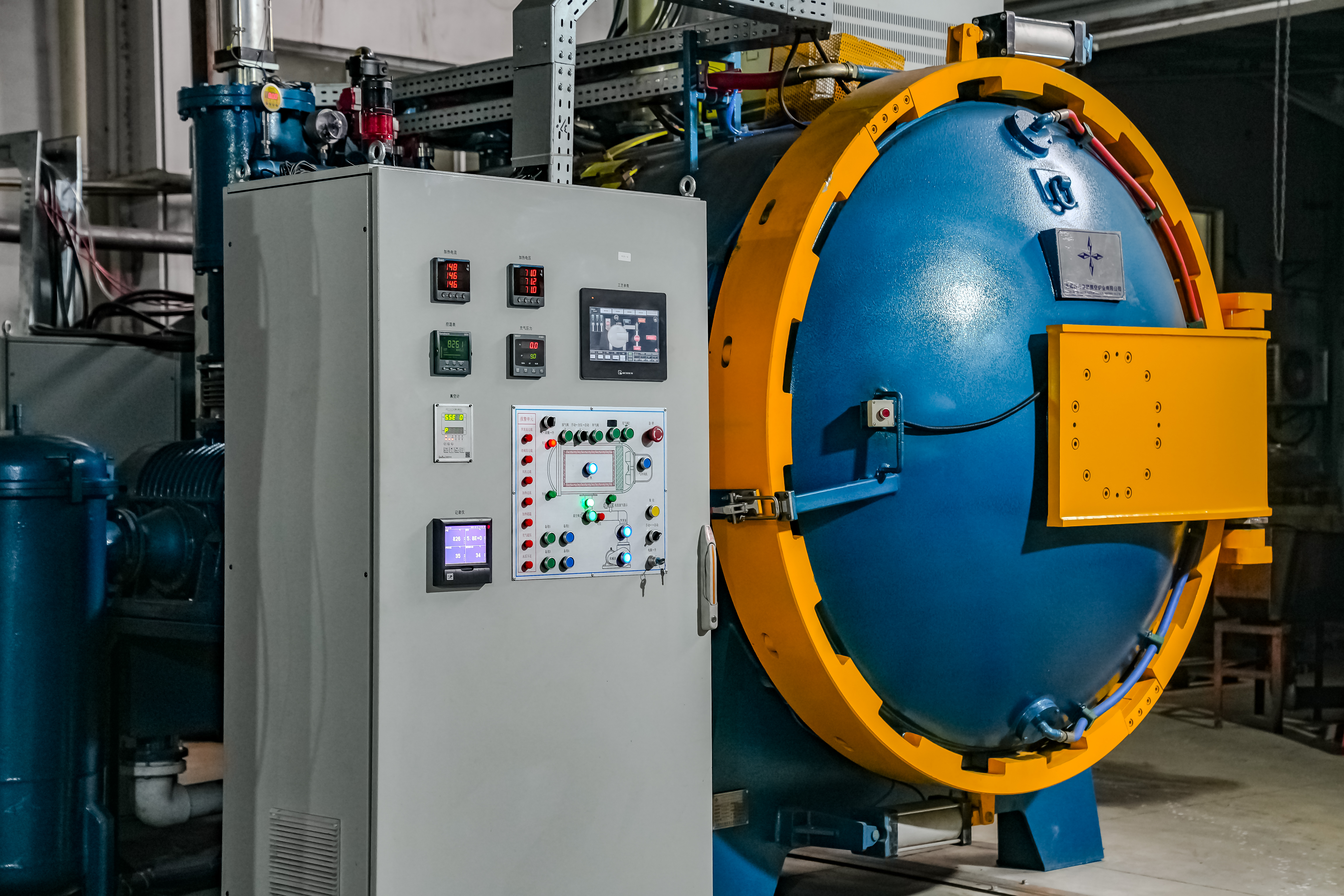
Modern vacuum heat treatment furnace designs incorporate multiple zones for precise thermal management and feature advanced insulation materials that minimize heat loss while maintaining structural integrity under vacuum conditions. The chamber construction utilizes high-grade stainless steel or specialized alloys capable of withstanding repeated thermal cycling without degradation. Heating elements are strategically positioned to ensure uniform temperature distribution, while cooling systems provide controlled quenching capabilities essential for achieving desired metallurgical transformations.
Sophisticated monitoring systems track critical parameters including chamber pressure, temperature profiles, heating rates, and cooling curves. These systems often incorporate programmable logic controllers that can execute complex thermal cycles automatically, reducing human error and ensuring reproducible results. Data logging capabilities enable comprehensive process documentation and quality assurance, which is particularly important in industries with strict regulatory requirements.
Mechanical Property Enhancement Mechanisms
Microstructural Transformation Processes
The vacuum environment created by a vacuum heat treatment furnace enables precise control over phase transformations within metallic alloys, directly influencing their mechanical properties. During heating cycles, the absence of oxygen prevents surface oxidation and decarburization, allowing carbon and other alloying elements to remain uniformly distributed throughout the material structure. This preservation of chemical composition is crucial for achieving optimal hardness and strength characteristics, particularly in high-carbon steels and specialized alloys.
Grain structure refinement occurs more effectively under vacuum conditions because the controlled atmosphere prevents grain boundary contamination and enables more uniform nucleation and growth patterns. The vacuum heat treatment furnace facilitates the formation of fine, uniform grain structures that contribute significantly to improved mechanical properties including increased yield strength, enhanced fatigue resistance, and better impact toughness. These microstructural improvements are particularly pronounced in precipitation-hardening alloys where vacuum processing enables optimal precipitate distribution.
Surface Quality and Dimensional Stability
Vacuum processing eliminates surface contamination that commonly occurs during conventional heat treatment, resulting in superior surface quality and dimensional stability. Components processed in a vacuum heat treatment furnace exhibit minimal distortion and maintain precise dimensional tolerances, reducing the need for post-processing machining operations. This dimensional stability is particularly valuable for complex geometries and precision components where tight tolerances are critical for proper function.
The absence of oxidizing atmosphere prevents scale formation and surface decarburization, preserving the original surface finish and eliminating the need for extensive surface preparation or cleaning operations. This results in improved surface hardness and wear resistance, extending component service life and reducing maintenance requirements. The bright, clean finish achieved through vacuum processing often meets cosmetic requirements without additional surface treatments.
Applications Across Industry Sectors
Aerospace and Defense Manufacturing
Aerospace applications demand exceptional material properties and reliability, making the vacuum heat treatment furnace an essential tool for processing critical components. Turbine blades, landing gear components, and structural elements undergo vacuum heat treatment to achieve the high strength-to-weight ratios required for aircraft applications. The process enables precise control over material properties while maintaining the strict quality standards demanded by aviation regulatory authorities.
Defense applications similarly benefit from the superior mechanical properties achieved through vacuum processing. Military hardware components, including weapons systems and armored vehicle parts, require exceptional durability and performance under extreme conditions. The vacuum heat treatment furnace enables manufacturers to achieve the necessary hardness, toughness, and fatigue resistance while maintaining dimensional accuracy and surface quality specifications.
Automotive and Tool Manufacturing
The automotive industry utilizes vacuum heat treatment for processing engine components, transmission parts, and safety-critical elements that require superior mechanical properties and reliability. Engine valves, camshafts, and connecting rods benefit from the enhanced fatigue resistance and wear characteristics achieved through vacuum processing. The vacuum heat treatment furnace enables automotive manufacturers to meet increasingly stringent performance and emissions requirements while reducing component weight.
Tool and die manufacturing represents another significant application area where vacuum heat treatment provides distinct advantages. Cutting tools, forming dies, and precision instruments require exceptional hardness and wear resistance combined with dimensional stability. The controlled atmosphere processing prevents decarburization and maintains sharp cutting edges while achieving uniform hardness distribution throughout complex tool geometries.
Process Optimization and Quality Control
Parameter Control and Monitoring
Achieving optimal results with a vacuum heat treatment furnace requires careful control of multiple process parameters including heating rates, soaking temperatures, hold times, and cooling rates. Advanced process control systems enable precise manipulation of these variables to achieve specific mechanical property targets while maintaining consistency across production batches. Temperature uniformity surveys and thermal profiling studies help optimize furnace loading patterns and heating cycles for maximum efficiency.
Real-time monitoring systems track critical parameters throughout the entire thermal cycle, enabling immediate adjustments when deviations occur. Statistical process control methods help identify trends and variations that could affect final properties, allowing for proactive process optimization. Documentation systems maintain comprehensive records of all process parameters, facilitating traceability and quality assurance requirements.
Quality Assurance and Testing Protocols
Comprehensive quality assurance programs for vacuum heat treatment include mechanical property testing, metallurgical examination, and dimensional verification procedures. Hardness testing, tensile strength evaluation, and impact testing validate that processed components meet specified requirements. Microstructural analysis through metallography and scanning electron microscopy confirms proper phase transformations and grain structure development.
Non-destructive testing methods including ultrasonic inspection and magnetic particle testing detect potential defects or irregularities that could affect component performance. These quality control measures ensure that parts processed in the vacuum heat treatment furnace consistently meet or exceed specification requirements, providing confidence in component reliability and service life.
Economic Benefits and Operational Advantages
Cost Effectiveness and Production Efficiency
While the initial investment in a vacuum heat treatment furnace may be substantial, the long-term economic benefits often justify the cost through improved product quality, reduced scrap rates, and decreased post-processing requirements. The elimination of surface cleaning and scale removal operations reduces labor costs and processing time, improving overall production efficiency. Additionally, the superior dimensional stability achieved through vacuum processing reduces machining allowances and associated material costs.
Energy efficiency improvements in modern vacuum heat treatment furnace designs contribute to reduced operating costs through better insulation, optimized heating systems, and heat recovery capabilities. Automated control systems reduce labor requirements while improving process consistency and repeatability, further enhancing economic benefits. The extended service life of components processed under vacuum conditions also provides value through reduced maintenance and replacement costs.
Environmental and Safety Considerations
Vacuum heat treatment offers significant environmental advantages compared to conventional atmospheric processing methods. The elimination of protective atmospheres reduces consumption of process gases and eliminates emissions associated with combustion-based atmosphere generation. The sealed chamber design prevents workplace exposure to harmful gases and reduces safety risks associated with high-temperature processing operations.
Energy consumption optimization through improved insulation and heat recovery systems reduces the carbon footprint of heat treatment operations. The vacuum heat treatment furnace technology supports sustainable manufacturing practices while maintaining superior product quality and performance characteristics. Reduced waste generation through improved process control and dimensional stability further contributes to environmental sustainability goals.
Frequently Asked Questions
What types of alloys benefit most from vacuum heat treatment processing?
High-alloy steels, tool steels, stainless steels, titanium alloys, and superalloys experience the greatest benefits from vacuum heat treatment processing. These materials are particularly susceptible to oxidation and contamination during conventional heat treatment, making the controlled vacuum environment essential for achieving optimal properties. Carbon steels and low-alloy steels also benefit from improved surface quality and dimensional stability, though the advantages may be less dramatic than with high-alloy compositions.
How does vacuum heat treatment compare to conventional atmosphere processing in terms of cycle times?
Vacuum heat treatment cycle times are often comparable to or slightly longer than conventional processing due to the time required to achieve and maintain vacuum conditions. However, the elimination of post-processing operations such as surface cleaning and scale removal often results in shorter overall production times. The improved process control and repeatability of vacuum heat treatment furnace systems also reduce the need for rework, contributing to overall efficiency improvements.
What maintenance requirements are associated with vacuum heat treatment equipment?
Regular maintenance of a vacuum heat treatment furnace includes vacuum pump servicing, heating element inspection, chamber cleaning, and calibration of temperature and pressure monitoring systems. Preventive maintenance schedules typically include daily operational checks, weekly system inspections, and periodic major overhauls depending on usage intensity. Proper maintenance ensures consistent performance and extends equipment service life while minimizing unplanned downtime.
Can vacuum heat treatment improve the performance of previously heat-treated components?
Previously heat-treated components can often benefit from vacuum re-processing, particularly if the original treatment resulted in surface contamination or suboptimal microstructure. However, the degree of improvement depends on the original processing conditions and the specific alloy composition. Vacuum stress relieving and tempering operations can often improve the properties of components that were originally processed under less controlled conditions, though complete re-hardening may be necessary for maximum benefit.
Table of Contents
- Understanding Vacuum Heat Treatment Technology
- Mechanical Property Enhancement Mechanisms
- Applications Across Industry Sectors
- Process Optimization and Quality Control
- Economic Benefits and Operational Advantages
-
Frequently Asked Questions
- What types of alloys benefit most from vacuum heat treatment processing?
- How does vacuum heat treatment compare to conventional atmosphere processing in terms of cycle times?
- What maintenance requirements are associated with vacuum heat treatment equipment?
- Can vacuum heat treatment improve the performance of previously heat-treated components?