
 EN
EN
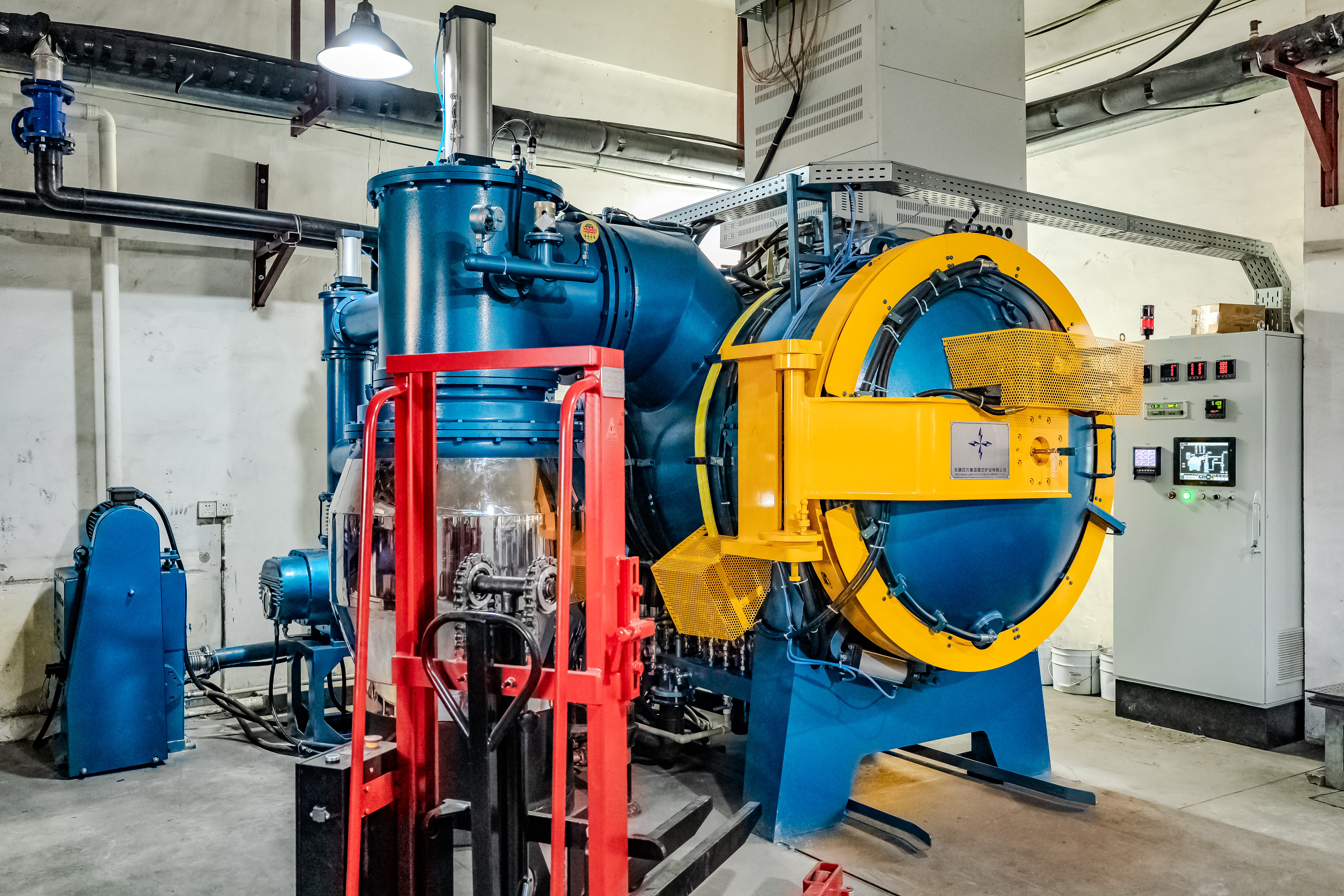
Industrial heat treatment processes demand precision, consistency, and reliability to achieve optimal results in metallurgical applications. While conventional atmospheric furnaces have served manufacturing industries for decades, the emergence of advanced vacuum heat treatment furnace technology has revolutionized how engineers approach critical thermal processing tasks. These sophisticated systems offer superior environmental control, enhanced material properties, and significantly improved operational reliability compared to traditional heating methods.
Manufacturing professionals increasingly recognize that vacuum heat treatment furnace systems provide unmatched process control and component quality enhancement. The fundamental difference lies in the controlled atmosphere environment, which eliminates oxidation risks and contamination sources that commonly plague conventional furnace operations. This technological advancement has become particularly crucial for aerospace, automotive, and precision tooling industries where material integrity cannot be compromised.
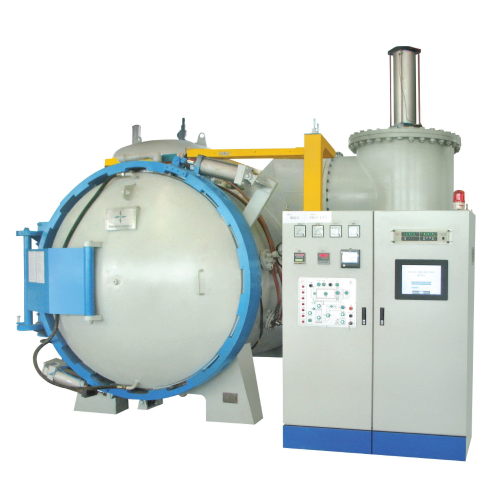
Superior Environmental Control and Contamination Prevention
Oxidation-Free Processing Environment
The most significant advantage of a vacuum heat treatment furnace stems from its ability to create an oxygen-free processing environment. Unlike conventional atmospheric furnaces that operate in ambient air conditions, vacuum systems eliminate reactive gases that cause surface oxidation and decarburization during heating cycles. This controlled atmosphere ensures that treated components maintain their original surface composition and dimensional accuracy throughout the thermal processing sequence.
Surface contamination represents a persistent challenge in traditional heat treatment operations, often requiring additional cleaning and finishing processes that increase production costs and cycle times. Vacuum processing eliminates these concerns by removing atmospheric contaminants before heating begins, resulting in pristine surface conditions that meet the most stringent quality specifications without secondary processing requirements.
Precise Atmospheric Control Capabilities
Advanced vacuum heat treatment furnace designs incorporate sophisticated gas management systems that allow precise control over processing atmospheres. Operators can introduce specific gases such as nitrogen, argon, or hydrogen at controlled pressures to achieve targeted metallurgical outcomes. This flexibility enables customized heat treatment protocols tailored to specific material compositions and desired mechanical properties.
The ability to maintain consistent atmospheric conditions throughout extended processing cycles ensures reproducible results across production batches. Temperature uniformity remains stable when external atmospheric variables are eliminated, contributing to enhanced process reliability and reduced quality variations that commonly affect conventional furnace operations.
Enhanced Material Properties and Performance Characteristics
Improved Mechanical Properties Achievement
Components processed in vacuum heat treatment furnace systems consistently demonstrate superior mechanical properties compared to those treated in conventional atmospheres. The absence of oxidizing conditions allows for optimal grain structure development and carbide precipitation patterns that enhance strength, hardness, and fatigue resistance characteristics. These improvements translate directly into extended component service life and enhanced operational reliability in demanding applications.
Vacuum processing enables achievement of specific microstructures that are difficult or impossible to obtain through atmospheric heat treatment methods. The controlled cooling rates possible in vacuum environments, combined with precise temperature management, facilitate the development of refined grain structures that optimize material performance characteristics for specific applications.
Surface Quality and Dimensional Stability
The elimination of scale formation and surface oxidation in vacuum processing results in components that maintain precise dimensional tolerances throughout heat treatment cycles. This dimensional stability reduces or eliminates the need for post-processing machining operations, contributing to overall production efficiency and cost reduction. Surface finish quality remains consistently high without the roughening effects commonly associated with atmospheric processing.
Vacuum heat treatment furnace operations preserve original surface textures and geometric features that may be altered or damaged during conventional processing. This preservation of surface integrity becomes particularly important for precision components where dimensional accuracy and surface quality directly impact functional performance and assembly tolerances.
Operational Reliability and Process Consistency
Reduced Maintenance Requirements
Vacuum furnace systems typically require less frequent maintenance compared to conventional atmospheric units due to reduced oxidation and contamination within the heating chamber. The absence of combustion products and reactive atmospheres minimizes corrosion and wear on internal components, extending equipment service life and reducing unscheduled downtime events that can disrupt production schedules.
Internal components such as heating elements, thermocouples, and structural supports experience significantly less degradation in vacuum environments. This reduced wear rate translates into lower replacement part costs and extended intervals between major maintenance procedures, improving overall equipment effectiveness and operational cost management.
Process Monitoring and Control Precision
Modern vacuum heat treatment furnace systems incorporate advanced monitoring and control technologies that provide real-time feedback on critical process parameters. Temperature measurement accuracy improves in vacuum conditions due to reduced convective heat transfer effects, enabling more precise control over heating and cooling rates throughout treatment cycles.
The stable vacuum environment eliminates atmospheric pressure variations and gas composition fluctuations that can affect temperature uniformity in conventional furnaces. This stability enhances process repeatability and reduces the likelihood of processing variations that could compromise component quality or require rework procedures.
Energy Efficiency and Economic Advantages
Thermal Efficiency Optimization
Vacuum heat treatment furnace designs often demonstrate superior thermal efficiency compared to conventional atmospheric systems. The absence of convective heat losses in vacuum conditions allows for more efficient energy transfer to the processed components, reducing overall power consumption while maintaining optimal heating rates and temperature uniformity throughout the treatment cycle.
Insulation effectiveness increases significantly in vacuum environments where convective heat transfer is eliminated. This enhanced insulation performance reduces energy losses through furnace walls and enables faster heating rates with lower power input requirements, contributing to reduced operating costs and improved energy utilization efficiency.
Production Cost Reduction Factors
The elimination of protective atmospheres, flux materials, and post-processing cleaning operations in vacuum heat treatment furnace operations results in direct material cost savings. Additionally, the improved surface quality and dimensional stability achieved through vacuum processing reduces or eliminates secondary finishing operations, further reducing per-component processing costs.
Higher first-pass yield rates typically achieved with vacuum processing reduce scrap rates and rework requirements that commonly affect conventional heat treatment operations. These quality improvements translate into improved production efficiency and reduced overall manufacturing costs, making vacuum systems increasingly cost-effective despite higher initial equipment investments.
Advanced Technology Integration and Automation
Automated Process Control Systems
Contemporary vacuum heat treatment furnace installations incorporate sophisticated automation systems that manage all aspects of the processing cycle with minimal operator intervention. These automated controls ensure consistent process execution while reducing the potential for human error that could compromise component quality or system reliability.
Integration with manufacturing execution systems enables real-time data collection and analysis that supports continuous process improvement initiatives. Historical process data analysis helps identify optimization opportunities and supports predictive maintenance strategies that further enhance system reliability and operational efficiency.
Quality Assurance and Traceability
Advanced data logging and documentation capabilities built into modern vacuum heat treatment furnace systems provide comprehensive traceability for all processed components. This documentation capability becomes increasingly important in regulated industries where complete process verification and component history tracking are required for compliance and quality assurance purposes.
Real-time monitoring of critical process parameters enables immediate detection of process deviations that could affect component quality. Automated alarm systems and process interlocks prevent continuation of processing cycles when parameters fall outside acceptable ranges, ensuring consistent quality outcomes and preventing production of non-conforming components.
FAQ
How does vacuum heat treatment compare to conventional atmospheric processing in terms of energy consumption?
Vacuum heat treatment furnace systems typically demonstrate 20-30% lower energy consumption compared to conventional atmospheric furnaces due to enhanced insulation effectiveness in vacuum conditions and elimination of convective heat losses. The absence of protective atmosphere gases also eliminates energy requirements for gas heating and circulation systems commonly required in atmospheric processing.
What types of materials benefit most from vacuum heat treatment processing?
High-alloy steels, tool steels, superalloys, and titanium-based materials show the most significant improvements when processed in vacuum heat treatment furnace systems. These materials are particularly susceptible to oxidation and contamination effects that can compromise their mechanical properties and surface quality in conventional atmospheric processing environments.
What are the typical maintenance intervals for vacuum heat treatment systems?
Vacuum heat treatment furnace systems generally require major maintenance procedures every 2000-3000 operating hours compared to 1000-1500 hours for conventional atmospheric furnaces. The extended maintenance intervals result from reduced corrosion and contamination within the vacuum chamber environment, leading to longer component service life and reduced maintenance costs.
Can vacuum heat treatment furnaces handle the same production volumes as conventional systems?
Modern vacuum heat treatment furnace designs can achieve comparable or superior production throughput compared to conventional systems, particularly when considering the elimination of post-processing operations typically required after atmospheric heat treatment. Faster heating rates and improved process efficiency often compensate for any extended cycle times associated with vacuum pump-down and backfill operations.
Table of Contents
- Superior Environmental Control and Contamination Prevention
- Enhanced Material Properties and Performance Characteristics
- Operational Reliability and Process Consistency
- Energy Efficiency and Economic Advantages
- Advanced Technology Integration and Automation
-
FAQ
- How does vacuum heat treatment compare to conventional atmospheric processing in terms of energy consumption?
- What types of materials benefit most from vacuum heat treatment processing?
- What are the typical maintenance intervals for vacuum heat treatment systems?
- Can vacuum heat treatment furnaces handle the same production volumes as conventional systems?
