
 EN
EN
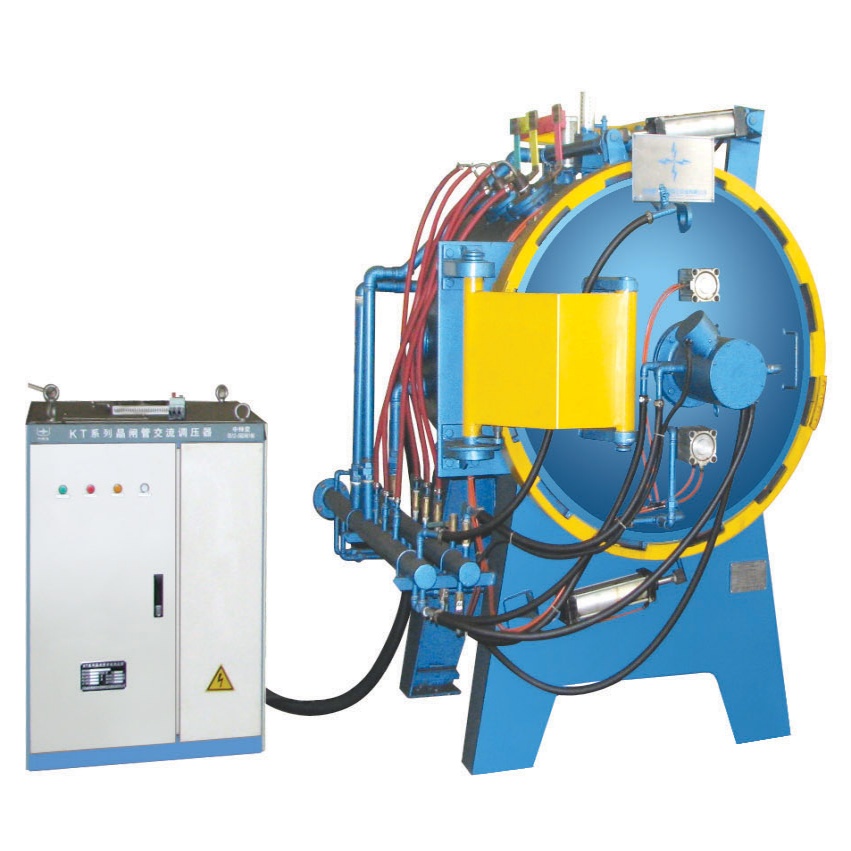
A vacuum tempering furnace is a specialized heat treatment device designed to enhance the toughness and durability of metal components through precise temperature control in a vacuum environment. Unlike conventional furnaces, a vacuum tempering furnace operates without atmospheric oxygen, which eliminates oxidation and scale formation on metal surfaces. This controlled processing method ensures that metals achieve optimal microstructural properties, resulting in superior toughness while maintaining dimensional accuracy and surface quality. Understanding how a vacuum tempering furnace improves metal toughness is essential for manufacturers seeking reliable and high-performance metal parts across industries such as aerospace, automotive, tooling, and medical device production.
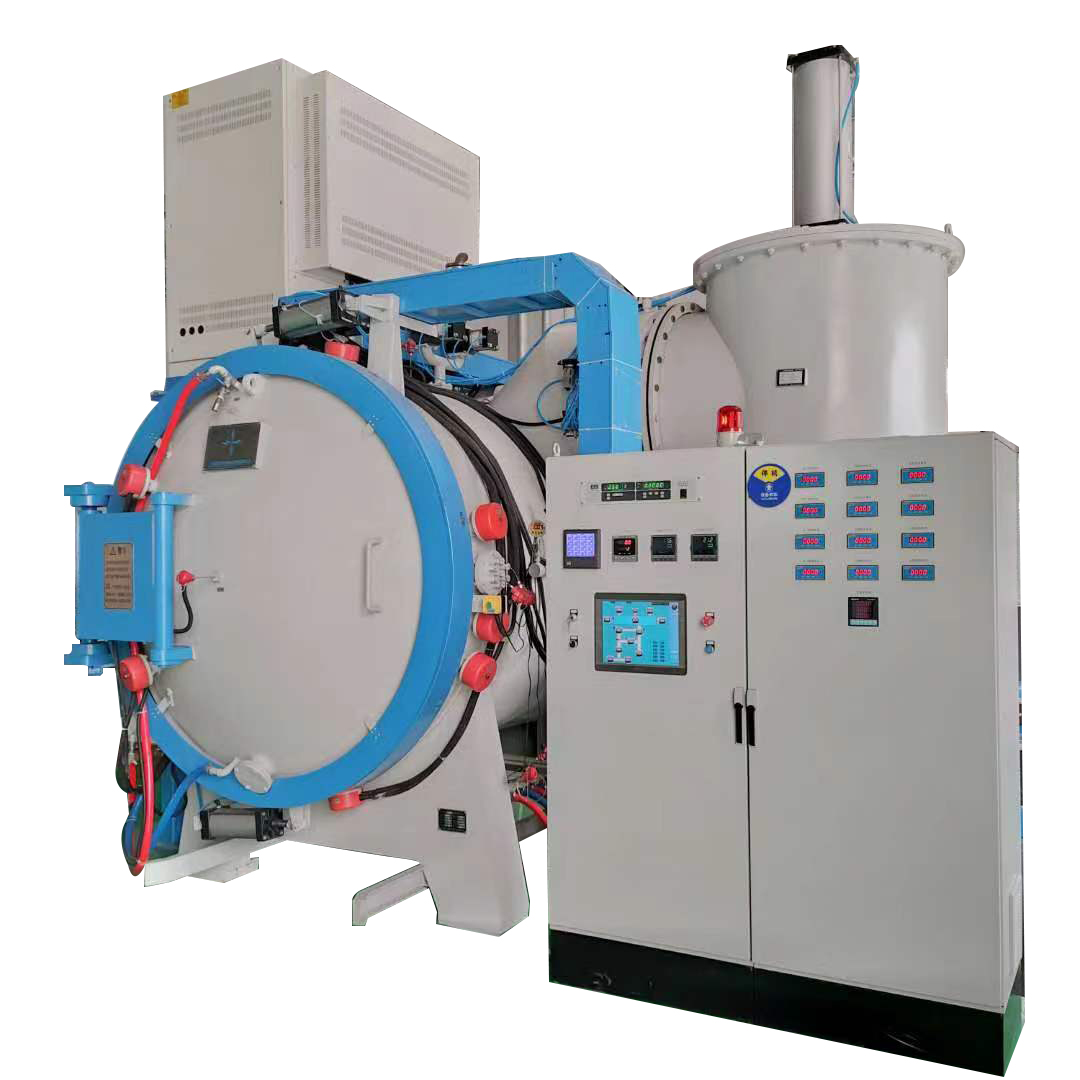
Metal toughness refers to a material's ability to absorb energy and resist fracture under stress, even at low temperatures. A vacuum tempering furnace achieves this improvement by carefully controlling heating rates, temperature plateaus, and cooling cycles within an oxygen-free chamber. The vacuum environment prevents unwanted chemical reactions that would compromise metal properties, while the precision temperature management allows metalworkers to fine-tune microstructure. This results in metals that are both strong and flexible, capable of withstanding shock loads and repeated stress cycles without breaking. For critical applications where metal failure could result in safety risks or equipment downtime, the enhanced toughness from a vacuum tempering furnace provides crucial reliability.
The Tempering Process in a Vacuum Tempering Furnace
Heating and Controlled Temperature Management
The vacuum tempering furnace heating phase begins after the metal part has undergone hardening, typically through quenching. A vacuum tempering furnace gradually raises the chamber temperature to a precisely controlled level, which may range from 150 degrees Celsius to over 600 degrees Celsius depending on the metal alloy and desired toughness level. The vacuum environment inside the furnace eliminates atmospheric pressure, allowing heat to transfer more uniformly and preventing oxidation that would otherwise form a brittle surface layer. Temperature sensors and control systems monitor the vacuum tempering furnace interior continuously, ensuring that heating rates remain within specified parameters. This controlled ascent to target temperature is critical because rapid heating could cause uneven microstructural changes, while insufficient heating might fail to relieve internal stresses accumulated during hardening.
Soaking and Microstructural Refinement
Once the vacuum tempering furnace reaches the target temperature, the metal part enters a soaking phase where it remains at that temperature for a specific duration. During this soaking period, the vacuum tempering furnace allows the metal's internal crystal structure to reorganize and stabilize. The prolonged exposure to controlled heat causes martensite, the brittle phase created during quenching, to partially transform into a tougher microstructure. This transformation reduces hardness slightly but dramatically increases toughness and impact resistance. The duration of the soak in a vacuum tempering furnace is precisely calculated based on part thickness, material composition, and target mechanical properties, ensuring consistent and repeatable results across production batches.
Mechanisms of Toughness Enhancement
Elimination of Brittleness Through Microstructural Transformation
When a metal undergoes rapid quenching, the resulting martensite phase is extremely hard but also highly brittle and prone to cracking. A vacuum tempering furnace addresses this brittleness by subjecting the hardened metal to controlled heating, which causes the microstructure to relax and partially transform. The vacuum environment in the furnace ensures that this transformation occurs without surface oxidation, maintaining material integrity throughout the process. As the vacuum tempering furnace maintains its set temperature, carbon atoms within the steel migrate and precipitate out of the martensite, forming fine carbide particles dispersed throughout the matrix. This precipitation process is key to how a vacuum tempering furnace improves metal toughness while preserving much of the hardness gained during quenching. The result is a balanced microstructure that resists both fracture and plastic deformation.
Stress Relief and Dimensional Stability
During quenching and initial hardening, metals develop significant internal residual stresses because different regions of the part cool at different rates. A vacuum tempering furnace alleviates these stresses through its controlled heating process, which allows the material to relax gradually without distortion. The absence of atmospheric gases in the vacuum tempering furnace chamber prevents reactive oxidation that could introduce new surface stresses. Stress relief through a vacuum tempering furnace is essential for precision components, as unrelieved stresses may cause warping, dimensional drift, or unexpected failures during service. By achieving stress relief within the vacuum environment, a vacuum tempering furnace ensures that finished parts maintain their specified dimensions and geometric tolerances while gaining toughness. This dual benefit makes the vacuum tempering furnace particularly valuable for complex machined components and critical load-bearing parts.
Industrial Applications and Practical Benefits
Aerospace and Automotive Component Manufacturing
The aerospace and automotive industries depend on components with exceptional toughness and reliability, making the vacuum tempering furnace an indispensable tool. Aircraft fasteners, landing gear components, and engine parts must withstand extreme stress cycles without failure, and a vacuum tempering furnace delivers the microstructural control needed for these demanding applications. Automotive transmission gears, suspension springs, and crankshafts require both hardness and toughness, and a vacuum tempering furnace achieves this balance more reliably than conventional heat treatment methods. The vacuum environment prevents surface contamination that could initiate fatigue cracks, while precise temperature control ensures consistent mechanical properties across all parts in a batch. Many aerospace and automotive suppliers operate a vacuum tempering furnace as part of their quality assurance protocol, recognizing that the investment in advanced heat treatment translates directly to component reliability and reduced warranty claims.
Tool and Die Manufacturing
Tool steels and high-speed steels used in cutting tools, dies, and stamping equipment must resist both impact loads and repetitive thermal cycling. A vacuum tempering furnace enables toolmakers to develop edge retention and toughness simultaneously, critical properties that determine tool life. Dies used in stamping and forging operations experience shock loads and thermal stress, and components heat-treated in a vacuum tempering furnace demonstrate superior resistance to chipping, cracking, and premature failure. The dimensional precision maintained by a vacuum tempering furnace is particularly important for tool applications, where tight tolerances on die cavities are essential for product consistency. Custom tool manufacturers frequently upgrade to a vacuum tempering furnace specifically to differentiate their products through superior reliability and extended service life, allowing them to command premium pricing and build customer loyalty.
Medical and Precision Instrument Applications
Medical devices, surgical instruments, and precision measurement equipment demand both corrosion resistance and toughness, and a vacuum tempering furnace addresses these requirements through its controlled processing. Stainless steel surgical blades, orthopedic implants, and dental instruments require exceptional surface quality and freedom from oxidation, both assured by the vacuum environment of the furnace. The vacuum tempering furnace produces surfaces free from scale and contamination, eliminating post-processing steps and reducing costs. The toughness enhancement provided by a vacuum tempering furnace ensures that medical instruments can withstand the rigorous sterilization cycles and repeated clinical use without degradation. Manufacturers in the medical device sector recognize that a vacuum tempering furnace is an investment in product safety and regulatory compliance, as it provides the documented process control required by medical device standards and quality management systems.
FAQ
What is the primary advantage of a vacuum tempering furnace compared to conventional tempering?
The primary advantage of a vacuum tempering furnace is the absence of atmospheric oxygen, which eliminates surface oxidation and scale formation. This vacuum environment allows the metal to develop superior toughness without sacrificing surface quality or dimensional accuracy. Additionally, a vacuum tempering furnace enables more precise temperature control and achieves more consistent results across production batches, reducing variability and improving overall part reliability.
How does temperature control in a vacuum tempering furnace affect final metal toughness?
Temperature control in a vacuum tempering furnace directly determines the degree of microstructural transformation and stress relief. Higher tempering temperatures in a vacuum tempering furnace reduce hardness further but increase toughness and impact resistance, while lower temperatures preserve more hardness at the expense of some toughness. The optimal temperature for a vacuum tempering furnace depends on the specific metal alloy and the intended application, requiring careful process development and validation to achieve the desired balance of properties.
Which industries benefit most from the toughness improvements provided by a vacuum tempering furnace?
Aerospace, automotive, tool manufacturing, and medical device industries benefit most from the toughness improvements provided by a vacuum tempering furnace. These sectors require components that must withstand extreme stress, thermal cycling, or repeated impact loads while maintaining dimensional precision and surface quality. A vacuum tempering furnace enables manufacturers in these industries to deliver products with superior reliability, extended service life, and reduced risk of catastrophic failure, justifying the investment in advanced heat treatment technology.
