
 EN
EN
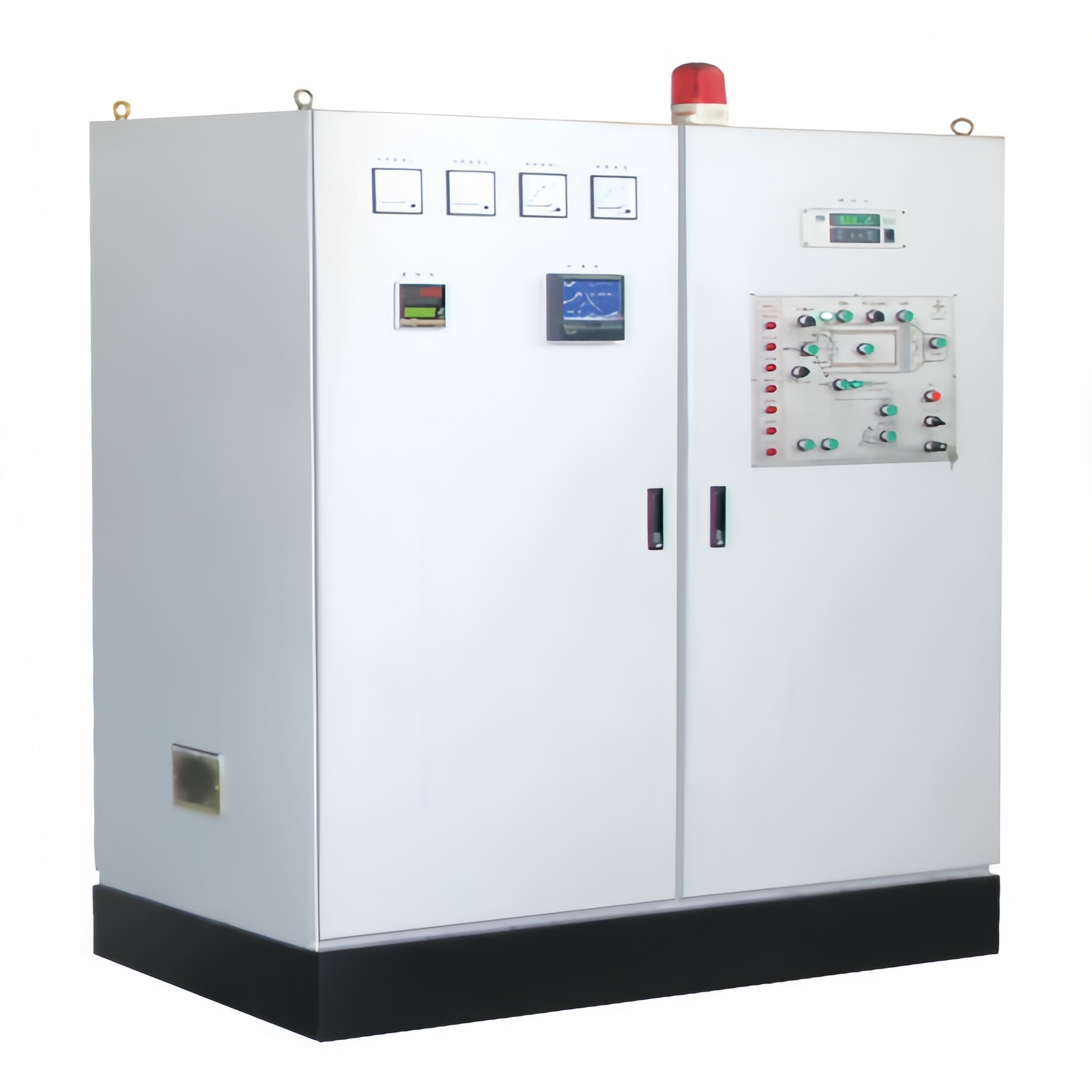
Temperature stability stands as one of the most fundamental requirements in modern industrial heat treatment, and nowhere is this more critical than within a vacuum tempering furnace. The precision demanded by today's advanced materials and demanding applications means that even slight thermal fluctuations can compromise the entire heat treatment process. A vacuum tempering furnace must maintain exceptionally tight temperature tolerances throughout the tempering cycle to ensure that materials achieve their intended mechanical properties and performance characteristics.
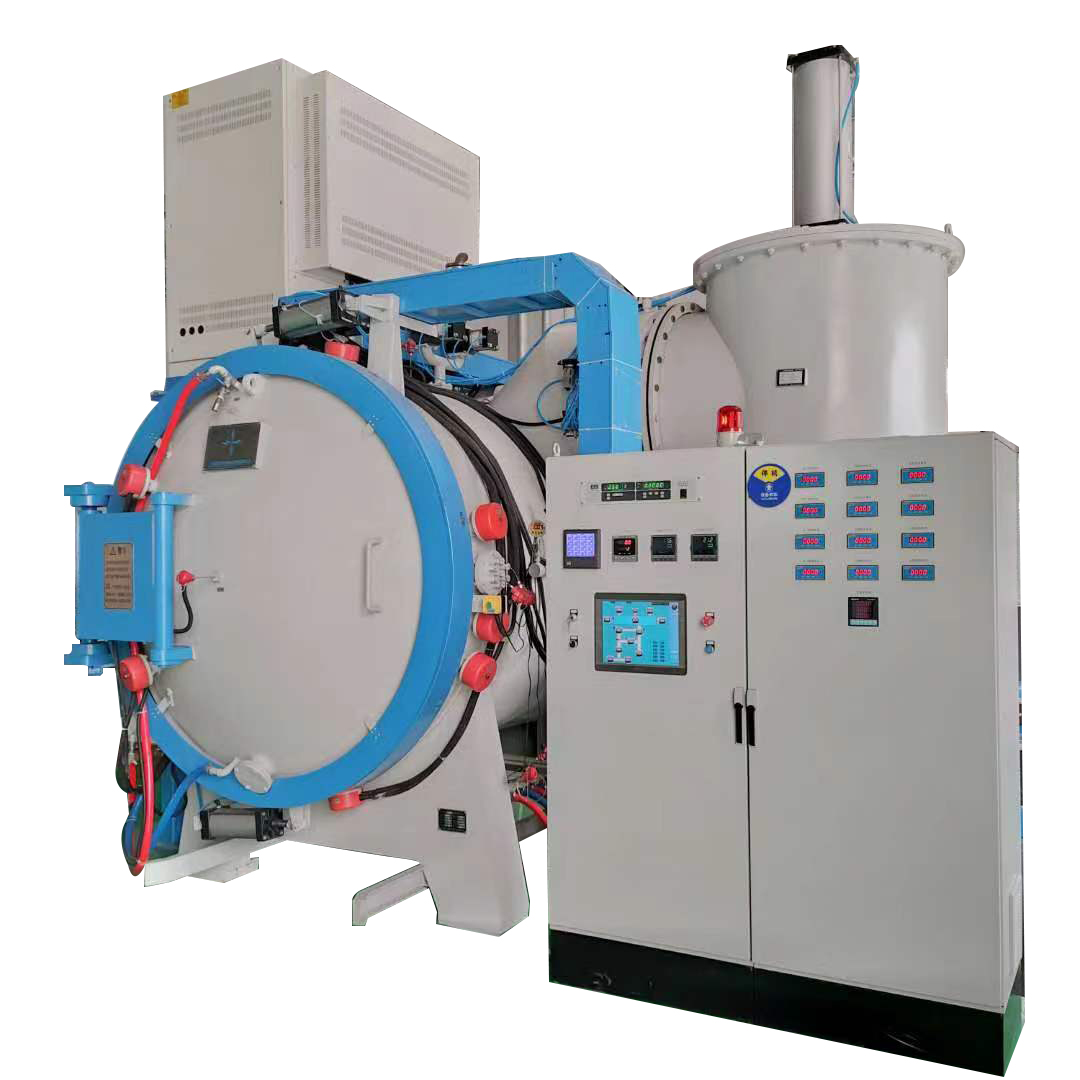
The vacuum tempering furnace represents a specialized class of heat treatment equipment designed to deliver consistent, repeatable results in controlled environments. Unlike conventional atmospheric furnaces, a vacuum tempering furnace operates in a low-pressure chamber, eliminating oxidation risks and enabling superior material performance. This advanced configuration, however, places even greater demands on thermal management systems and temperature monitoring infrastructure. Understanding why temperature stability matters so profoundly helps manufacturers, engineers, and quality professionals make informed decisions about furnace selection, operation protocols, and maintenance strategies.
Material Properties Depend on Precise Thermal Control
How Temperature Fluctuations Affect Material Microstructure
The tempering process fundamentally alters the crystalline structure of hardened steel and other metallic materials. When temperature deviates from the specified range during a vacuum tempering furnace cycle, the intended microstructural transformation becomes incomplete or distorted. Even a deviation of just 10–15 degrees Celsius can result in materials that miss hardness targets, exhibit inconsistent toughness, or develop premature fatigue failure in service. This microstructural sensitivity means that a vacuum tempering furnace must regulate temperature with extraordinary precision to guarantee that every component achieves the exact mechanical properties specified in the engineering design.
Consistency Across Large Production Batches
Industrial production demands that every part exiting a vacuum tempering furnace meets identical quality standards. When a vacuum tempering furnace maintains stable temperature throughout a heating cycle and across multiple load positions, all components in the chamber experience uniform thermal treatment. This uniformity eliminates the statistical variation that would otherwise occur if different regions of the furnace chamber operated at different temperatures. Quality assurance teams can then rely on single-point testing rather than sampling extensively across batches, reducing inspection costs and accelerating delivery timelines for customers requiring traceability documentation.
Operational Safety and System Longevity
Preventing Thermal Stress on Furnace Components
A vacuum tempering furnace contains heating elements, insulation systems, chamber walls, and sealing mechanisms that experience mechanical stress whenever temperature changes. Rapid temperature swings or oscillations create differential thermal expansion and contraction that gradually degrades critical components. When a vacuum tempering furnace operates with stable, well-regulated temperature, the heating elements endure far less stress, the vacuum seal maintains integrity longer, and the overall system lifespan extends significantly. Operators who prioritize temperature stability in their vacuum tempering furnace maintenance protocols consistently report lower component replacement rates and reduced unscheduled downtime compared to facilities tolerating wider thermal fluctuations.
Energy Efficiency and Operational Cost Reduction
Temperature instability in a vacuum tempering furnace forces heating systems to work harder, constantly correcting deviations and overshooting targets. This erratic behavior consumes substantially more electrical energy than smooth, stable operation. A well-calibrated vacuum tempering furnace with responsive thermal management systems maintains setpoint temperature with minimal oscillation, reducing energy consumption by 15–20% compared to poorly regulated equipment. Over the course of an industrial facility's operational lifetime, these efficiency gains translate to substantial cost savings on utility bills and maintenance expenses. Furthermore, stable temperature operation in a vacuum tempering furnace reduces wear on power distribution systems and extends the service life of heating element assemblies.
Achieving Temperature Stability Through Design and Control
Advanced Sensor Integration and Feedback Systems
Modern vacuum tempering furnace systems employ multiple redundant temperature sensors positioned throughout the chamber to detect even minor thermal variations. These sensors feed data continuously to sophisticated proportional-integral-derivative control algorithms that adjust heating power in real time. The distributed sensor network ensures that temperature readings reflect the actual thermal state across the entire load, not just at a single point. A vacuum tempering furnace equipped with advanced control logic can maintain temperature within ±2–3 degrees Celsius of setpoint, far exceeding the tolerances achievable through older manual or simple on-off control methods. This precision enables manufacturers to process materials at lower temperatures when appropriate, further conserving energy while still achieving target properties.
Insulation Design and Thermal Management Architecture
The physical design of a vacuum tempering furnace profoundly influences its thermal stability. High-quality refractory insulation minimizes heat losses, reducing the load on heating elements and allowing them to operate at more consistent power levels. Proper chamber geometry and air circulation patterns, where applicable within the vacuum environment, ensure uniform temperature distribution. When a vacuum tempering furnace is engineered with symmetrical heating element placement and well-designed thermal mass, the system naturally resists temperature oscillation and responds predictably to control adjustments. Manufacturers selecting a vacuum tempering furnace should evaluate insulation specifications, element configuration, and chamber design details carefully, as these factors directly determine achievable temperature stability under production conditions.
FAQ
What temperature tolerance should a vacuum tempering furnace maintain during standard operations?
Industry standards and material specifications typically require a vacuum tempering furnace to maintain temperature within ±3–5 degrees Celsius of the setpoint throughout the holding phase of the cycle. High-precision applications may demand even tighter tolerances, sometimes ±1–2 degrees Celsius. The specific tolerance requirement depends on the material being treated, the target hardness level, and the application's criticality. Operators should verify tolerance requirements with material suppliers and engineering specifications before committing to a particular vacuum tempering furnace system.
How does vacuum environment contribute to temperature stability compared to atmospheric furnaces?
The vacuum environment inside a vacuum tempering furnace eliminates convective heat transfer to surrounding air, which normally causes temperature variations in atmospheric equipment. Without air circulation, a vacuum tempering furnace experiences more uniform thermal distribution within the chamber. Additionally, the absence of oxygen prevents oxidation reactions that generate unpredictable heat, further stabilizing the thermal environment. These characteristics make a vacuum tempering furnace inherently more capable of achieving tight temperature control, provided the vacuum seal and heating system are properly maintained.
What maintenance practices help preserve temperature stability in a vacuum tempering furnace?
Regular calibration of temperature sensors, inspection of heating element resistance values, and verification of vacuum system integrity are essential maintenance tasks. Operators should periodically clean sensor ports and check control system software for proper calibration parameters. When a vacuum tempering furnace shows signs of temperature drift or wider oscillations than historical baselines, immediate investigation of element condition, sensor accuracy, and control loop response is warranted. Preventive maintenance schedules that address these components systematically preserve the vacuum tempering furnace's capability to maintain stable temperatures throughout its service life.
