
 EN
EN
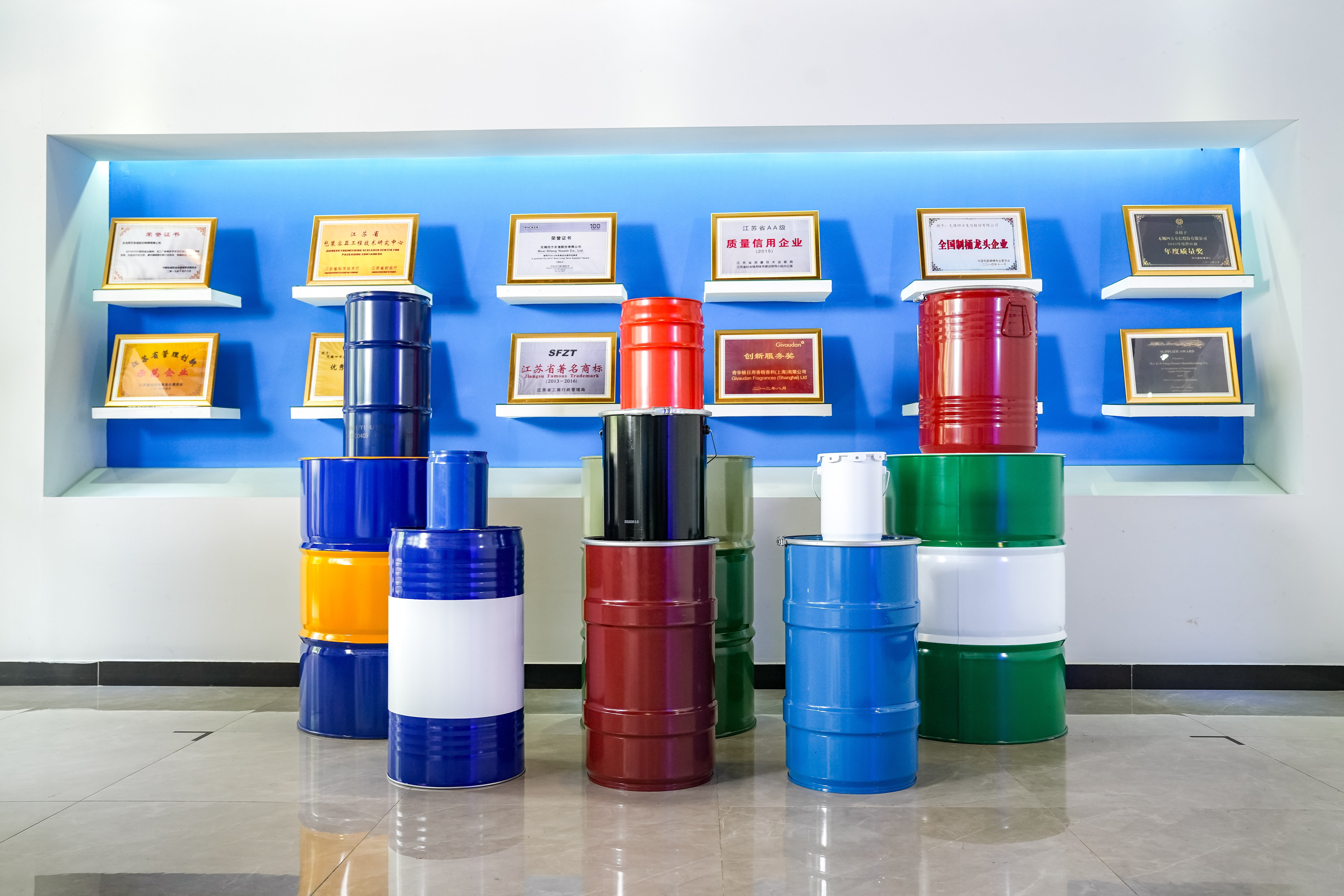
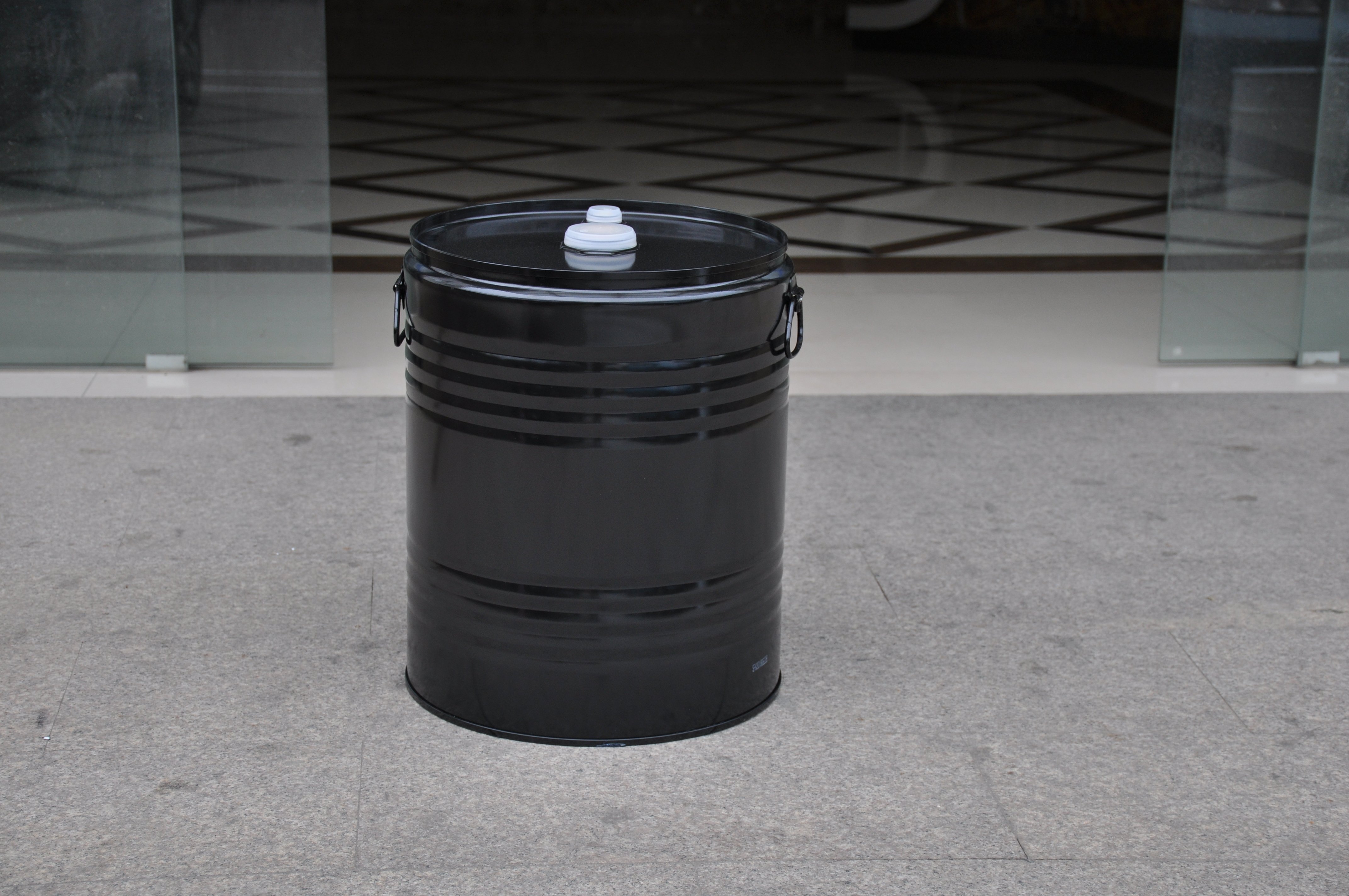 Steel drums serve as critical containers across chemical, pharmaceutical, food processing, and industrial manufacturing sectors. However, the raw steel interior of traditional drums faces significant challenges including rust formation, product contamination, and accelerated degradation when exposed to moisture, acidic substances, or corrosive chemicals. Interior coating steel drums has emerged as an essential enhancement strategy that transforms performance characteristics and extends container lifespan dramatically. Understanding how interior coating steel drums functions reveals the engineering sophistication behind modern drum technology and why this investment delivers measurable business value.
The science behind interior coating steel drums centers on creating a protective barrier between the steel substrate and stored contents. When interior coating steel drums is applied correctly, it prevents direct contact between reactive chemicals and bare metal surfaces. This protective interface eliminates the electrochemical reactions that trigger corrosion, maintains product purity, and ensures regulatory compliance across multiple industries. Manufacturers and logistics operators who implement interior coating steel drums experience reduced product loss, improved safety profiles, and enhanced operational efficiency that justifies the initial coating investment.
Corrosion Prevention and Structural Integrity
How Interior Coating Steel Drums Prevents Rust Formation
Rust develops when bare steel reacts with oxygen and moisture, creating iron oxide that degrades container integrity and compromises stored products. Interior coating steel drums creates an impermeable barrier that blocks oxygen and moisture from contacting the steel substrate directly. High-quality epoxy formulations used in interior coating steel drums bond permanently to the steel surface, preventing water infiltration and electrolyte accumulation. This protective mechanism means drums coated with interior coating steel drums maintain structural strength even after years of storage and handling, whereas uncoated alternatives deteriorate rapidly in humid or corrosive environments.
Extended Service Life Through Protective Barriers
The durability advantage of interior coating steel drums manifests in quantifiable extended service cycles. Uncoated steel drums typically sustain 5 to 8 years of operational life before corrosion compromises integrity and regulatory compliance. Conversely, drums protected by interior coating steel drums consistently perform reliably for 15 to 20 years, sometimes longer depending on stored product chemistry and storage conditions. This extended lifespan directly reduces capital expenditure on replacement containers and warehouse space dedicated to inventory rotation, making interior coating steel drums a strategic cost-control initiative for large-scale operations.
Chemical Compatibility and Product Integrity
Preventing Product Contamination Through Interior Coating Steel Drums
Raw steel containers pose contamination risks when storing oils, solvents, pharmaceuticals, or food-grade products. Microscopic steel particles and oxidation byproducts migrate into stored contents, compromising quality specifications and regulatory certifications. Interior coating steel drums eliminates this contamination pathway by isolating steel from direct product contact. The inert coating surface ensures chemical and food products remain uncontaminated throughout storage and transportation. Regulatory frameworks across pharmaceutical and food industries increasingly mandate interior coating steel drums as a prerequisite for compliance with contamination control standards.
Chemical Resistance and Compatibility Selection
Different interior coating steel drums formulations deliver varying chemical resistance profiles tailored to specific application requirements. Epoxy-based interior coating steel drums excels with oils, solvents, and mild to moderately corrosive chemicals, offering superior adhesion and flexibility. Polyester and phenolic variants of interior coating steel drums provide enhanced resistance to strong acids and alkalis where epoxy formulations might soften or degrade. Selecting appropriate interior coating steel drums chemistry requires understanding stored product properties, temperature exposure, and contact duration. Manufacturers typically specify interior coating steel drums recommendations directly on technical datasheets, guiding selection toward optimal performance and regulatory compliance.
Economic and Operational Benefits
Cost Reduction and Return on Investment From Interior Coating Steel Drums
While interior coating steel drums adds upfront manufacturing costs compared to bare steel alternatives, the economic benefits materialize through multiple operational channels. Reduced drum replacement frequency directly decreases capital expenditure and warehouse management complexity. Elimination of product loss from contamination or leakage recovers significant percentage margins, particularly in specialty chemicals and pharmaceuticals where product value per drum is substantial. Insurance premiums often decrease when interior coating steel drums is documented in safety and quality protocols, reflecting reduced environmental and liability risks. Companies quantify return on investment within 18 to 36 months of transitioning to interior coating steel drums across established supply chains.
Supply Chain Efficiency and Logistics Optimization
Interior coating steel drums enhances supply chain resilience by enabling longer shipping distances without degradation risk or regulatory complications. Uncoated drums require careful handling, climate-controlled storage, and accelerated turnover protocols that increase logistics costs. Drums protected by interior coating steel drums withstand temperature fluctuations, humidity variations, and extended storage periods without quality compromise. This operational flexibility enables consolidation of inventory warehouses, extended supply agreements, and simplified material procurement processes. Logistics teams report measurable efficiency gains when transitioning to interior coating steel drums specifications across their container standards.
FAQ
What coating materials are most effective for interior coating steel drums?
The most effective interior coating steel drums materials include epoxy resins for general-purpose applications, polyester for superior chemical resistance, and phenolic formulations for extreme corrosion environments. Selection of interior coating steel drums type depends on stored product chemistry, temperature exposure, and regulatory compliance requirements specific to your industry. Manufacturers typically offer interior coating steel drums recommendations customized to application requirements.
How does interior coating steel drums impact storage temperature capabilities?
Interior coating steel drums significantly expands the temperature range where containers maintain performance and safety standards. Uncoated drums become unreliable in extreme heat or cold, but interior coating steel drums technology enables stable storage across -20°C to +60°C environments depending on coating formulation. High-performance interior coating steel drums systems withstand thermal cycling without adhesion loss or material degradation, making temperature stability one of the primary operational advantages.
Is interior coating steel drums required for food or pharmaceutical applications?
Yes, interior coating steel drums is mandatory or strongly recommended for food-grade and pharmaceutical applications in most regulatory jurisdictions. FDA, EFSA, and comparable international standards explicitly require interior coating steel drums specifications to prevent metal particle contamination and ensure product safety. Compliance documentation for interior coating steel drums applications is essential for industry certifications and customer approval processes.
