
 EN
EN
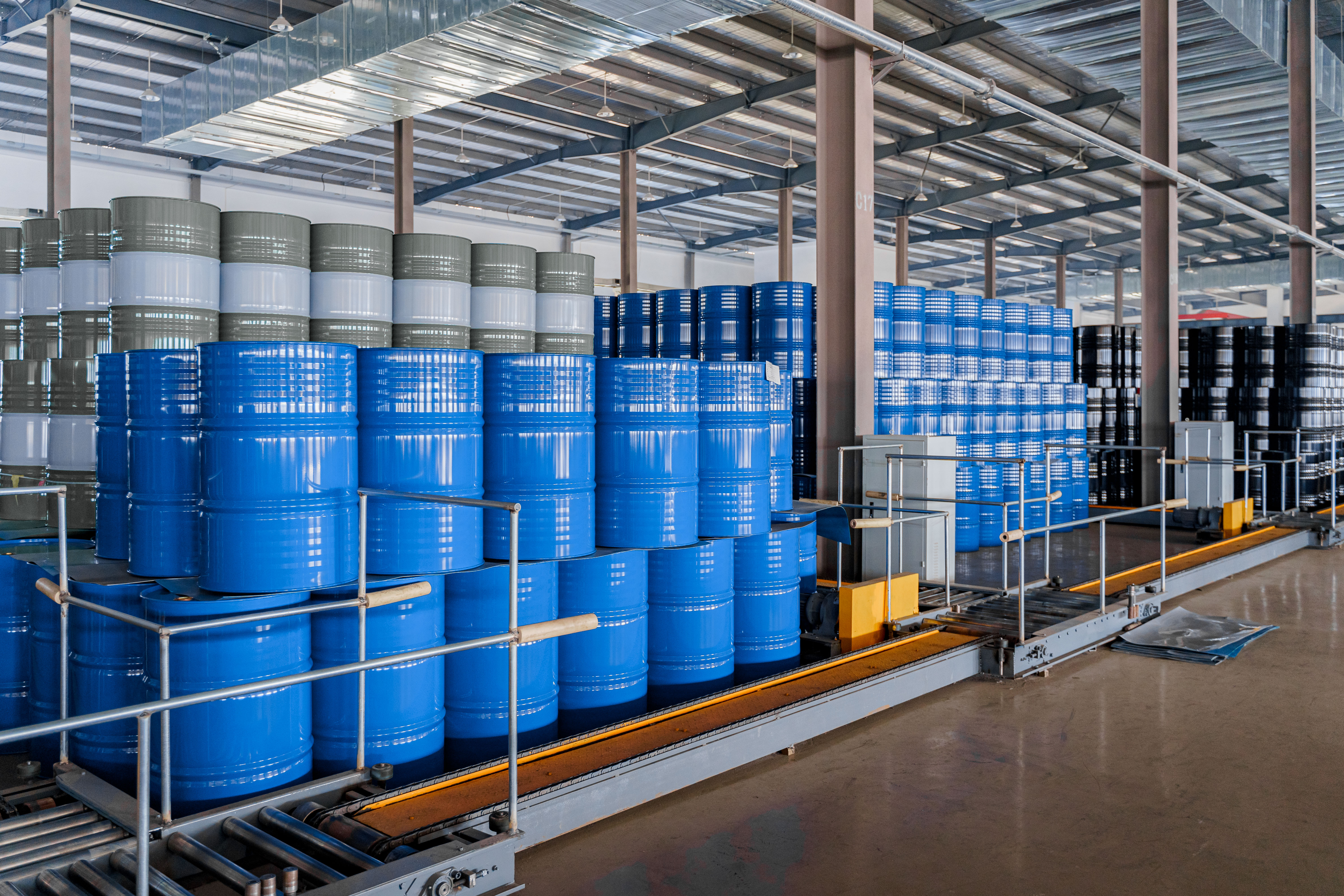
Steel drums are fundamental containers used across industries for storing and transporting hazardous materials, chemicals, and liquids. The integrity and reliability of these containers depend critically on rigorous steel drum safety testing protocols that verify compliance with established industry regulations. Understanding what steel drum safety testing encompasses is essential for manufacturers, distributors, and end-users who must ensure their storage solutions meet legal requirements and protect workers from potential hazards. Proper steel drum safety testing prevents costly failures, environmental contamination, and workplace accidents that could result from substandard containers.
The landscape of steel drum safety testing has evolved to address increasingly stringent regulatory frameworks established by government agencies, international organizations, and industry bodies. These testing protocols exist not merely as formalities but as critical mechanisms to validate that steel drums can withstand the demands of real-world use without rupturing, leaking, or degrading. Organizations responsible for managing hazardous materials recognize that implementing comprehensive steel drum safety testing reduces liability, protects supply chain integrity, and demonstrates commitment to operational excellence and environmental stewardship.
Regulatory Framework for Steel Drum Safety Testing
Understanding Compliance Requirements
Steel drum safety testing operates within a complex regulatory environment shaped by organizations such as the U.S. Department of Transportation (DOT), the International Maritime Organization (IMO), and the United Nations. These bodies establish baseline standards that define how steel drum safety testing must be conducted, what criteria drums must meet, and which containers are suitable for specific material classifications. Compliance with these regulations is not voluntary but legally mandated, particularly when drums transport hazardous goods across jurisdictions or international borders.
Key Regulatory Standards
The primary regulatory framework governing steel drum safety testing includes DOT 17C and 17H specifications for industrial packaging, along with UN Recommendations on the Transport of Dangerous Goods. These standards specify that steel drum safety testing must validate structural integrity through multiple test conditions, including drop tests, hydrostatic pressure tests, and stacking load assessments. Metal drums used for hazardous materials must demonstrate that steel drum safety testing results show no leaks, cracks, or permanent deformations when subjected to standardized test scenarios that simulate real transportation and storage conditions.
Core Testing Methodologies for Steel Drum Safety
Structural and Pressure Testing Protocols
Effective steel drum safety testing includes multiple physical tests designed to evaluate how drums perform under stress. Hydrostatic testing represents one of the most critical components of steel drum safety testing, where drums are filled with water or another incompressible fluid and subjected to internal pressure that exceeds the maximum operating pressure the drum will experience in service. During this steel drum safety testing procedure, inspectors monitor for any signs of leakage, bulging, or deformation that would indicate the drum cannot safely contain its intended contents. Drop testing, another fundamental element of steel drum safety testing, involves dropping fully loaded drums from specified heights to verify that seams, welds, and closures remain intact and maintain their barrier function.
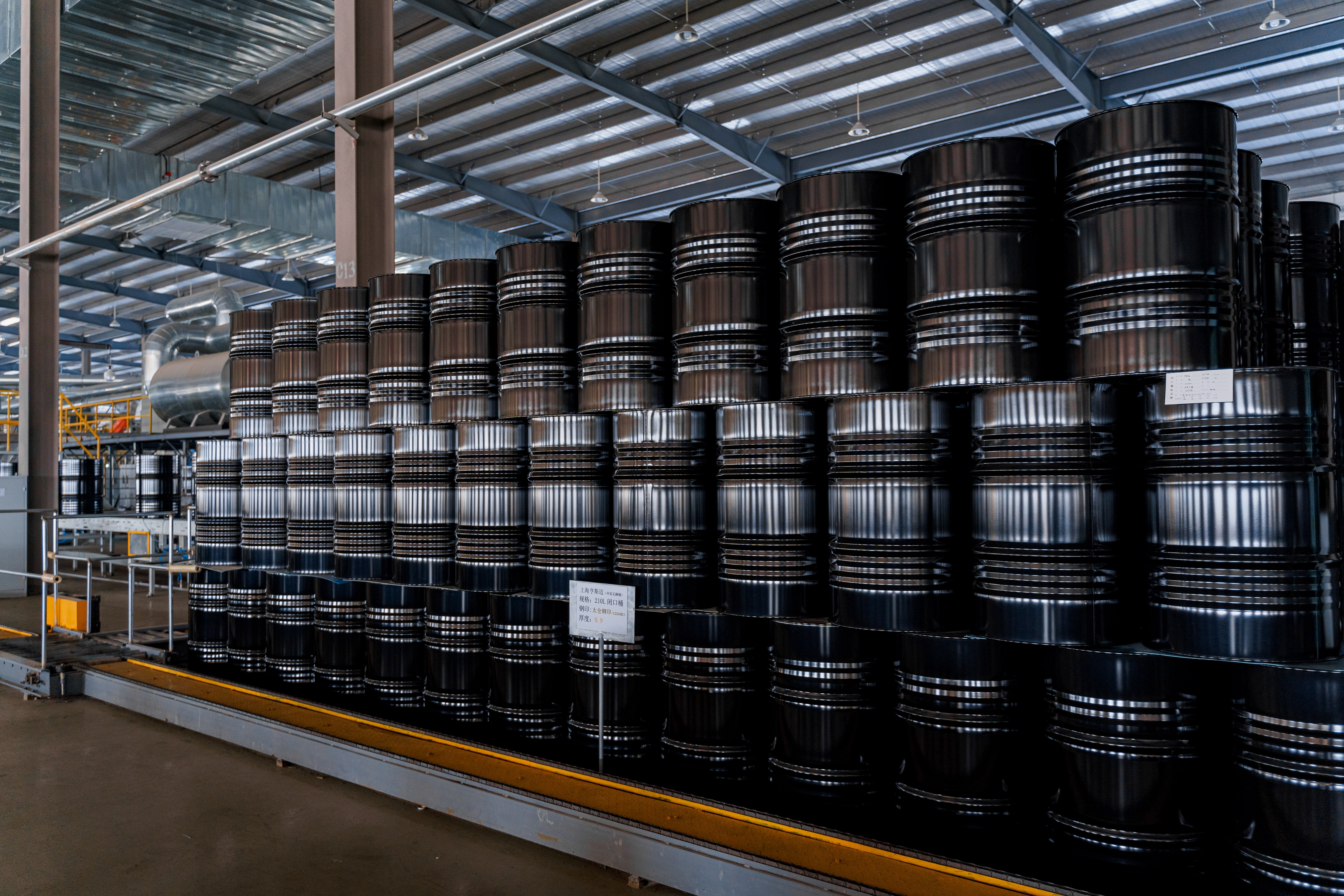
Corrosion and Material Durability Assessment
Steel drum safety testing also encompasses examination of material compatibility and long-term durability. Steel drum safety testing procedures include evaluating how drums withstand corrosion from the materials they store, particularly when drums contain aggressive chemicals or are exposed to humid or salt-air environments. Coating integrity assessments ensure that protective layers applied through epoxy powder coating or other methods remain effective throughout the drum's operational lifecycle. This component of steel drum safety testing reflects the understanding that a container that meets pressure requirements at manufacture but degrades during storage or transport presents unacceptable risks.
Implementation and Quality Assurance Processes
Testing Frequency and Documentation Requirements
Organizations implementing steel drum safety testing must establish systematic testing schedules that balance cost efficiency with safety imperatives. Initial production runs typically involve comprehensive steel drum safety testing of representative samples to establish baseline performance characteristics. Ongoing steel drum safety testing programs incorporate statistical sampling methods that enable manufacturers to verify continued compliance without testing every single drum produced. Documentation of all steel drum safety testing results creates an auditable record demonstrating regulatory compliance and provides traceability if any issues arise with drums already distributed to customers.
Third-Party Verification and Inspection
Independent testing laboratories play a vital role in verifying that steel drum safety testing meets prescribed standards and that results are objectively credible. Many regulatory regimes mandate that steel drum safety testing be conducted or verified by accredited third-party agencies rather than manufacturers alone, reducing the potential for bias or overlooked defects. These external verification processes strengthen the reliability of steel drum safety testing outcomes and provide customers, regulators, and supply chain partners with confidence that containers meet established safety benchmarks. Professional inspectors conducting steel drum safety testing follow standardized protocols, use calibrated equipment, and maintain detailed records of test conditions, measurements, and acceptance criteria.
Industry-Specific Applications of Steel Drum Safety Testing
Chemical and Hazardous Materials Transportation
The transportation and storage sectors depend heavily on rigorous steel drum safety testing to prevent environmental contamination and worker exposure incidents. Drums destined for chemical transport must undergo more intensive steel drum safety testing than general-purpose containers because the consequences of failure include toxic releases, explosions, or reactive hazards. Different chemical classifications require different steel drum safety testing protocols to account for material-specific risks, such as corrosive attack on welds or internal pressure generation from volatile contents. Manufacturers of specialty coatings specifically designed to enhance chemical resistance often collaborate with testing facilities to develop steel drum safety testing methodologies that validate their protective effectiveness.
Environmental and Regulatory Compliance Context
Beyond immediate safety concerns, steel drum safety testing supports broader environmental protection objectives established by regulatory agencies. Drums that fail steel drum safety testing criteria and subsequently leak contaminate soil and groundwater, triggering remediation costs and legal liability far exceeding the price of proper testing and quality control. Facilities managing hazardous waste streams understand that comprehensive steel drum safety testing protocols protect both their operations and their communities. This connection between rigorous steel drum safety testing and environmental stewardship has driven increasing adoption of advanced testing technologies and more frequent verification schedules across risk-sensitive industries.
FAQ
What are the primary testing methods used in steel drum safety testing?
Steel drum safety testing employs multiple complementary methods including hydrostatic pressure testing, drop testing from specified heights, compression and stacking load testing, and seam integrity inspection. Each method targets different failure modes and stress conditions the drum might encounter during real-world use. Together, these tests provide comprehensive validation that the drum can safely contain its intended contents throughout the full product lifecycle.
How frequently should steel drum safety testing be conducted?
Initial steel drum safety testing occurs before drums enter service, with representative samples undergoing complete test protocols. Manufacturers typically implement ongoing sampling programs based on production volume, where statistical methods guide how many drums from each batch require testing. The frequency depends on regulatory requirements, customer specifications, and the manufacturer's quality history, but most operations conduct periodic steel drum safety testing to verify continued compliance.
Which regulatory agencies establish steel drum safety testing standards?
Major regulatory bodies establishing steel drum safety testing requirements include the U.S. Department of Transportation (DOT), the International Maritime Organization (IMO), and the United Nations through their Recommendations on the Transport of Dangerous Goods. Different jurisdictions may adopt these international standards or establish complementary requirements, so organizations shipping drums internationally must verify applicable regulations for each destination and material classification.
