
 EN
EN
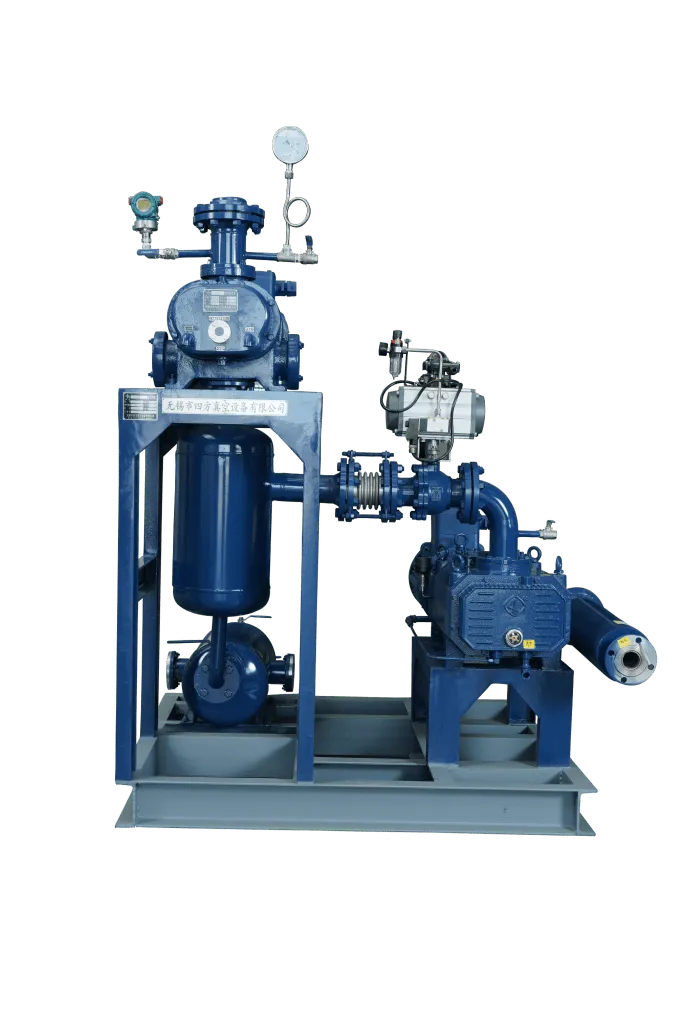
In industries where precision, efficiency, and process reliability are non-negotiable, vacuum units have become indispensable tools. From semiconductor fabrication to food preservation, the ability to create and maintain a controlled low-pressure environment drives product quality, operational throughput, and safety outcomes. Understanding which applications benefit most from high-performance vacuum units helps engineers, procurement specialists, and plant managers make better capital investment decisions.
High-performance vacuum units are not a one-size-fits-all solution. Their value depends heavily on the nature of the process, the required vacuum depth, the sensitivity of the materials involved, and the operational demands of the facility. This article explores the key application categories where these systems deliver the most significant returns, along with the technical and operational reasons why vacuum units are so critical in those contexts.
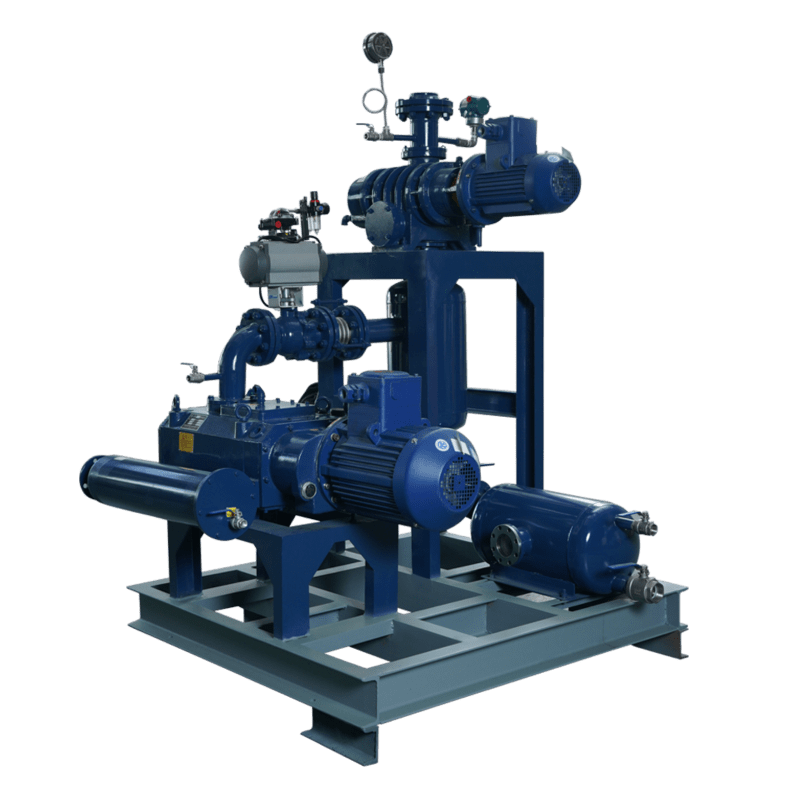
Semiconductor and Electronics Manufacturing
Cleanroom Etching and Deposition Processes
The semiconductor industry is arguably the most demanding environment for vacuum units. Processes such as chemical vapor deposition (CVD), physical vapor deposition (PVD), and plasma etching all require ultra-high or high vacuum conditions to function correctly. Even trace amounts of atmospheric gas can introduce contaminants that ruin wafer layers, alter electrical properties, or cause catastrophic defects in microchips.
High-performance vacuum units in this sector must maintain extremely stable pressure levels over extended production cycles. Any fluctuation in vacuum depth can translate directly into yield loss, which in semiconductor fabrication is extraordinarily costly. This is why facilities rely on robust, precision-engineered vacuum units capable of consistent deep-vacuum performance with minimal downtime.
The demand for sub-nanometer precision in modern chip architecture makes vacuum units not just supporting equipment but core process infrastructure. Engineers specify these systems based on ultimate pressure, pumping speed, and contamination tolerance—criteria that separate industrial-grade vacuum units from standard commercial alternatives.
Flat Panel Display and Photovoltaic Cell Production
Beyond chips, flat panel display manufacturing and solar cell production share similar process requirements. Thin-film coating technologies used in both sectors depend on vacuum units to evacuate chambers before deposition begins. The quality, uniformity, and adhesion of the thin films are directly influenced by how cleanly and quickly the chamber can be brought to operating pressure.
Solar panel manufacturers, in particular, benefit from vacuum units that offer high pumping speeds combined with energy efficiency, since large-format substrates require large chamber volumes. A high-performance vacuum unit in this context not only ensures process quality but also contributes to the economic viability of the manufacturing line by reducing cycle times.
Chemical and Pharmaceutical Processing
Vacuum Distillation and Solvent Recovery
In chemical processing, vacuum units enable distillation at temperatures far below the normal boiling point of a substance. This is particularly important when working with thermally sensitive compounds that would degrade or decompose under atmospheric distillation conditions. Pharmaceutical intermediates, specialty chemicals, and essential oils all benefit from this capability.
Vacuum distillation using reliable vacuum units allows processors to separate components with greater precision and at lower energy costs. The ability to operate at reduced pressures means that heat-sensitive active pharmaceutical ingredients (APIs) can be purified without altering their molecular structure. This has a direct impact on product efficacy and regulatory compliance.
Solvent recovery is another area where vacuum units prove their value. Many chemical processes involve solvents that are both expensive and environmentally regulated. Using vacuum units to evaporate and recover these solvents reduces raw material costs and helps facilities meet environmental reporting requirements.
Freeze Drying and Lyophilization
Lyophilization, or freeze drying, is a critical preservation technique in both pharmaceuticals and biotechnology. The process removes moisture from a product by first freezing it and then applying vacuum conditions to allow the ice to sublimate directly into vapor. The result is a stable, lightweight product with an extended shelf life and preserved biological activity.
High-performance vacuum units are essential here because the process demands consistent vacuum levels maintained over long drying cycles—sometimes spanning many hours or even days. Any lapse in vacuum integrity can cause product collapse, moisture re-adsorption, or microbial contamination. Pharmaceutical manufacturers therefore specify vacuum units with redundant pumping capacity and robust sealing systems.
Food Processing and Packaging
Modified Atmosphere Packaging and Vacuum Sealing
In the food industry, vacuum units serve a straightforward but commercially vital function: removing air from packaging to extend product shelf life. Vacuum sealing inhibits the growth of aerobic bacteria and reduces oxidation, both of which cause spoilage. From fresh meats to coffee and cheese, vacuum units support the integrity of the cold chain and reduce food waste across the supply chain.
High-throughput food packaging lines require vacuum units that can cycle rapidly without compromising seal quality. Industrial vacuum units used in this context are evaluated for their cycle speed, oil-free operation (to avoid contamination risks), and compatibility with food-grade materials. Performance consistency across thousands of daily cycles is a key differentiator between standard and high-performance vacuum units in this sector.
Vacuum Cooking and Impregnation in Food Technology
Modern food technology applications such as sous-vide cooking at industrial scale and vacuum impregnation—where flavors, brines, or nutrients are infused into porous food matrices—also rely on vacuum units. In vacuum impregnation, the food product is placed under vacuum conditions to remove internal air, and then atmospheric pressure is restored while the food is submerged in a liquid, forcing rapid and uniform absorption.
The precision of vacuum units in this application directly affects product consistency. If vacuum depth varies between batches, the impregnation result changes, affecting flavor profile, texture, and nutritional content. High-performance vacuum units with accurate pressure control and fast response times are therefore preferred in premium food technology facilities.
Metallurgy, Heat Treatment, and Materials Science
Vacuum Furnaces and Sintering
Vacuum heat treatment is a well-established industrial process used to harden, anneal, or sinter metal components without introducing surface oxidation or decarburization. By performing these thermal processes inside an evacuated chamber, manufacturers achieve superior surface quality, tighter dimensional tolerances, and more predictable mechanical properties compared to conventional atmospheric heat treatment.
Sintering of advanced materials—including cemented carbides, titanium alloys, and specialty ceramics—requires vacuum units capable of reaching and holding deep vacuum levels at elevated temperatures. The interaction between vacuum depth and sintering outcome is well-documented: insufficient vacuum during sintering can trap residual gases inside the material, leading to porosity and compromised structural integrity.
High-performance vacuum units used in vacuum furnace applications must combine robust construction with thermal durability and minimal outgassing from internal components. These are technically demanding specifications that underscore why industrial buyers invest in purpose-built vacuum units rather than general-purpose alternatives.
Electron Beam Welding and Plasma Processes
Electron beam welding (EBW) depends entirely on vacuum conditions because electron beams scatter in the presence of atmospheric gas molecules. The welding chamber must be evacuated to a level where the electron beam can travel unimpeded from the gun to the workpiece. This makes vacuum units a non-negotiable component of any EBW system.
Similarly, various plasma-based surface treatment and coating processes require vacuum units to establish and maintain the low-pressure environment necessary for plasma generation. In aerospace and defense component manufacturing, where material performance and traceability are critical, the reliability of vacuum units directly influences production yield and compliance with stringent certification standards.
Research, Laboratory, and Analytical Instrumentation
Mass Spectrometry and Surface Analysis
Scientific instruments such as mass spectrometers, electron microscopes, and X-ray photoelectron spectrometers (XPS) operate under high or ultra-high vacuum conditions. The analytical signal in these instruments depends on the mean free path of ions, electrons, or photons—a parameter that is entirely controlled by vacuum level. Vacuum units in laboratory and analytical contexts must therefore deliver both exceptional ultimate pressure and long-term stability.
Research institutions and quality control laboratories select vacuum units based on their ability to reach operating pressure quickly, maintain it without drift, and do so with minimal vibration that could disturb sensitive measurements. High-performance vacuum units designed for analytical use often incorporate oil-free pumping mechanisms to avoid hydrocarbon back-streaming that would contaminate the analytical chamber.
University and Industrial Research Applications
Beyond standard analytical instruments, research applications spanning materials science, physics, chemistry, and biomedical engineering all depend on vacuum units for experimental setups that require controlled atmospheric conditions. From thin-film growth experiments to biological sample preparation, the ability to rapidly and reproducibly achieve target vacuum levels is a key factor in research productivity.
Researchers value vacuum units that offer flexible operational parameters, low maintenance requirements, and compatibility with a wide range of chamber geometries and process gases. High-performance vacuum units that combine these attributes provide research teams with the reliability needed to conduct reproducible experiments and generate credible data.
FAQ
What industries use vacuum units most extensively?
Vacuum units are most extensively used in semiconductor manufacturing, pharmaceutical processing, food packaging, metallurgy, and scientific research. Each of these sectors depends on controlled low-pressure environments to ensure product quality, process reliability, and regulatory compliance. The specific performance requirements vary by industry, but the fundamental role of vacuum units as process enablers is consistent across all of them.
How do high-performance vacuum units differ from standard industrial vacuum pumps?
High-performance vacuum units are distinguished by their ability to achieve deeper ultimate vacuum levels, maintain stable pressure over extended cycles, handle process gases without performance degradation, and operate with minimal maintenance intervals. Standard industrial vacuum pumps may be adequate for simple material handling or basic evacuation tasks, but applications requiring precise process control, cleanroom compatibility, or ultra-high vacuum conditions demand systems engineered to a higher specification.
Are vacuum units suitable for continuous 24/7 industrial operation?
Yes, many high-performance vacuum units are specifically designed for continuous duty cycles in industrial environments. Key design features that support around-the-clock operation include robust bearing systems, efficient thermal management, automatic monitoring interfaces, and service-friendly architectures that allow maintenance without full system shutdown. Selecting a vacuum unit rated for continuous operation is essential in production environments where downtime has a direct cost impact.
What factors should be considered when selecting vacuum units for a specific application?
The most important selection factors include the required ultimate vacuum level, the pumping speed needed to evacuate the chamber within the desired cycle time, compatibility with the process gas or vapor being handled, contamination sensitivity of the process, available utilities (such as cooling water or electrical supply), and total cost of ownership including maintenance. Engaging with a technically qualified supplier early in the specification process helps ensure that the vacuum units chosen are well-matched to the application demands.
