
 EN
EN
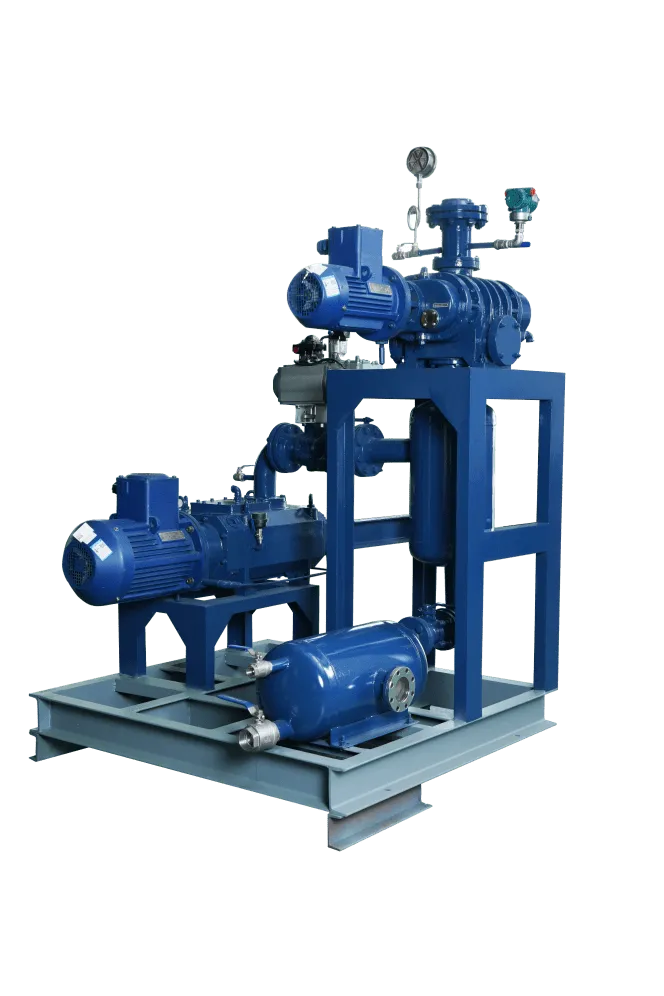
Industrial facilities are under increasing pressure to cut operational costs and meet sustainability targets, and energy consumption remains one of the largest controllable expenses in any manufacturing environment. Among the many systems that factories rely on, vacuum units stand out as both significant energy consumers and, when properly optimized, powerful tools for reducing overall power usage. Understanding how these systems interact with factory energy demands is the first step toward making smarter procurement and operational decisions.
The role of vacuum units in factory energy profiles is frequently underestimated. Many plants operate aging or oversized vacuum systems that run continuously at full capacity regardless of actual process demand. By transitioning to modern, demand-responsive vacuum units and applying intelligent control strategies, factories can achieve measurable reductions in kilowatt-hour consumption, lower maintenance frequency, and a smaller carbon footprint — all without compromising production output.
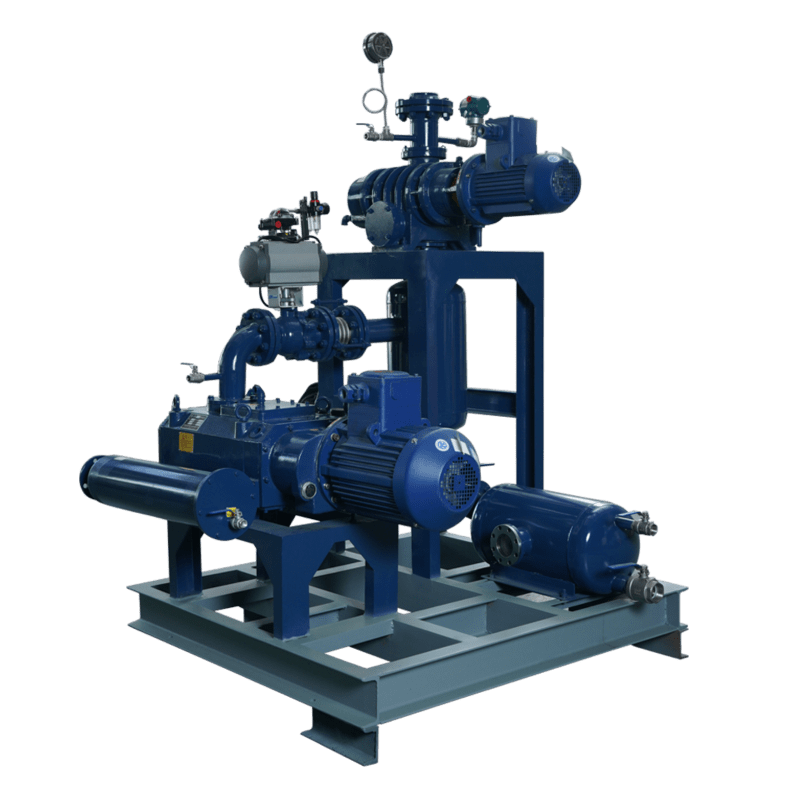
The Energy Profile of Vacuum Units in Industrial Settings
How Vacuum Units Consume Power in Typical Factory Operations
In most manufacturing facilities, vacuum units are responsible for supporting a wide range of processes including material handling, packaging, forming, drying, and surface treatment. Each of these applications places varying demands on the vacuum system at different points in the production cycle. The challenge is that traditional vacuum units were designed to deliver a fixed level of suction regardless of fluctuating process requirements, which leads directly to energy waste.
When a vacuum unit runs at constant full load during periods of partial demand, the excess energy is dissipated as heat or noise rather than contributing to useful work. Studies across industrial sectors consistently show that vacuum systems, compressors, and pneumatic equipment collectively account for a large proportion of total facility energy bills. Recognizing this pattern is essential for facility managers who want to target meaningful savings.
The mechanical design of older vacuum units also contributes to inefficiency. Rotary vane pumps and liquid ring configurations without modern sealing or bearing technologies tend to experience higher frictional losses over time, further increasing per-unit energy consumption. By contrast, newer vacuum units built around dry-running or oil-free screw mechanisms offer significantly lower friction losses and better thermal management.
The Relationship Between System Sizing and Energy Waste
One of the most prevalent sources of energy waste in factory vacuum systems is poor sizing. Engineers often specify vacuum units with generous safety margins to ensure reliable performance under peak load conditions, but those margins translate into chronic overcapacity during normal operation. A vacuum unit running at 40 to 60 percent of its rated capacity is inherently less efficient per unit of useful vacuum produced.
Right-sizing vacuum units requires a thorough audit of actual process demands across all shifts and production scenarios. By mapping vacuum consumption against real process cycles, procurement and engineering teams can identify the true capacity range needed and select vacuum units that operate near their optimal efficiency point for the majority of running hours. This single intervention can reduce energy consumption by a substantial margin without any changes to the production process itself.
Central vacuum systems that combine multiple vacuum units into a shared network with intelligent load balancing offer another avenue for addressing the sizing problem. Rather than dedicating one oversized unit to each process zone, a centralized approach allows vacuum units to share the load dynamically, ensuring that each unit in the system runs closer to its peak efficiency point at all times.
Technology-Driven Approaches to Reducing Energy in Vacuum Units
Variable Speed Drive Integration in Modern Vacuum Units
The single most impactful technology for reducing energy consumption in vacuum units is the variable speed drive, commonly referred to as a VSD or inverter drive. Traditional vacuum units operate at a fixed motor speed, delivering constant pumping capacity regardless of whether the process requires full output. A VSD-equipped vacuum unit adjusts motor speed in real time to match actual process demand, eliminating the energy wasted during low-demand periods.
The energy savings from VSD-equipped vacuum units are not marginal. In applications where demand cycles significantly — such as batch processing lines or intermittent packaging operations — VSD control can reduce energy consumption by 30 to 50 percent compared to fixed-speed equivalents. The investment in VSD technology typically shows a return within one to three years depending on operating hours and local energy costs, making it one of the highest-value upgrades available to factory engineers.
Modern vacuum units with integrated VSD control also benefit from smoother starting cycles, which reduce mechanical stress on motor windings, bearings, and seals. This translates directly into longer service intervals and lower lifetime maintenance costs, compounding the financial benefits of the initial energy savings. For high-duty-cycle industrial environments, this extended component life is a critical operational advantage.
Heat Recovery Systems Paired with Vacuum Units
An often-overlooked dimension of energy efficiency in vacuum units is heat recovery. The compression process inside any vacuum unit generates heat as a byproduct, and in conventional installations that heat is simply rejected to the atmosphere through cooling water or air-cooled heat exchangers. By capturing and redirecting this waste heat, facilities can offset energy costs in other parts of the building or process.
Heat recovery packages designed for integration with vacuum units can redirect thermal energy to space heating systems, process water preheating circuits, or drying applications elsewhere in the facility. Depending on the thermal output of the vacuum units in operation, a well-designed heat recovery system can recover 60 to 80 percent of the electrical energy consumed by the units in a useful thermal form. This dramatically improves the overall energy utilization ratio of the factory.
For facilities that already have significant heat loads to manage — such as food processing plants, pharmaceutical manufacturers, or chemical processors — pairing vacuum units with heat recovery is a logical step that strengthens both the energy case and the operational resilience of the facility. The recovered heat is reliable, consistent, and produced as a direct byproduct of necessary production processes.
Operational Strategies That Amplify Energy Savings in Vacuum Units
Demand-Side Management and Scheduling for Vacuum Units
Technology alone does not capture all available energy savings. Operational discipline plays an equally important role in maximizing the efficiency of vacuum units across the factory. One of the most accessible strategies is demand-side management — aligning the operating schedules of vacuum units with production cycles to minimize idle running time and avoid unnecessary peak power consumption.
Many factories allow vacuum units to run continuously even when connected processes are in standby or between production batches. Implementing automated start-stop controls that respond to process signals ensures that vacuum units are only running when vacuum is genuinely required. Even on systems without VSD capability, eliminating idle running can produce energy savings of 10 to 20 percent in applications with intermittent demand profiles.
Scheduling non-critical vacuum applications outside of peak electricity tariff periods is another straightforward operational strategy. In facilities that operate under time-of-use energy pricing, shifting the load of secondary vacuum units to off-peak hours reduces energy cost without reducing production volume. This approach requires only scheduling changes and basic controls integration, making it one of the lowest-cost efficiency measures available.
Leak Detection and Maintenance Practices for Vacuum Units
System leaks are a silent but significant driver of energy waste in vacuum unit installations. A vacuum system with even moderate leakage forces the vacuum units to run harder and longer to maintain the target operating pressure, consuming additional energy without contributing to productive output. In older industrial facilities, vacuum system leakage rates of 20 to 30 percent of total capacity are not uncommon.
Regular leak detection surveys using ultrasonic detection equipment allow maintenance teams to identify and repair leakage points in pipework, fittings, valves, and process connections. By restoring a tight vacuum distribution network, factories can reduce the effective demand placed on vacuum units and allow them to operate at lower duty cycles, directly reducing energy consumption. A well-maintained, leak-free system also extends the service life of vacuum units by reducing the cumulative operating hours required to deliver the same production outcome.
Routine maintenance of vacuum units themselves — including filter replacement, oil changes where applicable, bearing inspections, and seal integrity checks — also plays a direct role in energy performance. Degraded components increase internal friction and leakage within the pump mechanism, both of which raise energy consumption per unit of vacuum produced. A factory that maintains its vacuum units to manufacturer specifications will consistently achieve better energy performance than one where maintenance is deferred.
The Business Case for Energy-Efficient Vacuum Units in Modern Factories
Calculating Return on Investment for Upgraded Vacuum Units
Building a credible business case for investment in energy-efficient vacuum units requires a structured approach to cost-benefit analysis. The primary inputs are current energy consumption data for existing vacuum units, the anticipated reduction achievable through the proposed upgrade, local energy cost per kilowatt-hour, and the capital cost of new equipment including installation. With these inputs, facilities can calculate a simple payback period and a multi-year net present value for the investment.
In many industrial contexts, the payback period for modern energy-efficient vacuum units falls within two to four years, which is well within acceptable investment criteria for energy infrastructure projects. When the analysis also incorporates reduced maintenance costs, lower spare parts consumption, and avoided downtime from more reliable modern equipment, the financial case becomes even more compelling.
Energy efficiency grants, tax incentives, and green financing programs available in many markets can further reduce the effective cost of upgrading to advanced vacuum units. Facilities should engage with their local energy authority or utility provider to identify incentive programs that apply to industrial vacuum equipment upgrades, as these can meaningfully accelerate the return on investment calculation.
Sustainability Targets and the Role of Vacuum Units in Factory Decarbonization
Beyond the direct financial savings, energy-efficient vacuum units contribute to broader corporate sustainability commitments. As manufacturers face increasing pressure from customers, investors, and regulators to demonstrate credible emissions reduction pathways, improving the efficiency of energy-intensive utility systems like vacuum units provides tangible, measurable progress toward Scope 2 carbon reduction targets.
Each kilowatt-hour saved by optimized vacuum units translates directly into a reduction in grid electricity demand and the associated carbon emissions. For factories operating in regions with carbon-intensive electricity grids, the emissions impact of upgrading vacuum units can be substantial. This positions vacuum system optimization not just as a cost-saving measure but as a strategic component of a factory's environmental performance roadmap.
Documenting the energy and emissions savings achieved through vacuum units upgrades also supports ESG reporting, supply chain sustainability audits, and green certification programs. As industrial supply chains increasingly require verified sustainability data, having quantified improvements in vacuum unit efficiency becomes a competitive differentiator as well as an operational advantage.
FAQ
How much energy can modernized vacuum units typically save in a factory environment?
The actual savings depend on the existing system, operating profile, and the specific upgrades implemented. In facilities moving from fixed-speed to VSD-controlled vacuum units, energy reductions of 30 to 50 percent are commonly reported in applications with variable demand cycles. Additional savings from leak remediation, improved scheduling, and heat recovery can push total system efficiency improvements even higher in some cases.
Are vacuum units with variable speed drives suitable for all factory applications?
VSD-equipped vacuum units are most beneficial in applications where demand fluctuates significantly during normal operation, such as packaging lines, batch processing, and material handling systems. In applications requiring constant, stable vacuum at a near-fixed pressure setpoint with very little variation, the incremental benefit of VSD over a correctly sized fixed-speed unit is smaller, though starting efficiency and motor longevity benefits still apply.
How does a central vacuum system using multiple vacuum units compare to individual point-of-use units in terms of energy efficiency?
Centralized systems using multiple vacuum units with intelligent load management generally deliver better energy efficiency than multiple independent point-of-use units, particularly in larger facilities with diverse vacuum loads. The ability to bring individual vacuum units on and off line based on aggregate demand allows the active units to operate near their optimal efficiency points. However, the comparison depends on piping losses, system pressure requirements, and the operational flexibility of the production layout.
What is the first practical step a factory should take to reduce energy consumption in its vacuum units?
The most effective starting point is a comprehensive vacuum system audit. This involves metering the current energy consumption of all vacuum units, measuring actual system pressure and flow against set points, conducting an ultrasonic leak survey of the distribution network, and mapping vacuum demand against production cycles. The audit provides the data foundation needed to prioritize upgrades, identify quick wins, and build a credible business case for investment in more efficient vacuum units.
Table of Contents
- The Energy Profile of Vacuum Units in Industrial Settings
- Technology-Driven Approaches to Reducing Energy in Vacuum Units
- Operational Strategies That Amplify Energy Savings in Vacuum Units
- The Business Case for Energy-Efficient Vacuum Units in Modern Factories
-
FAQ
- How much energy can modernized vacuum units typically save in a factory environment?
- Are vacuum units with variable speed drives suitable for all factory applications?
- How does a central vacuum system using multiple vacuum units compare to individual point-of-use units in terms of energy efficiency?
- What is the first practical step a factory should take to reduce energy consumption in its vacuum units?
