
 EN
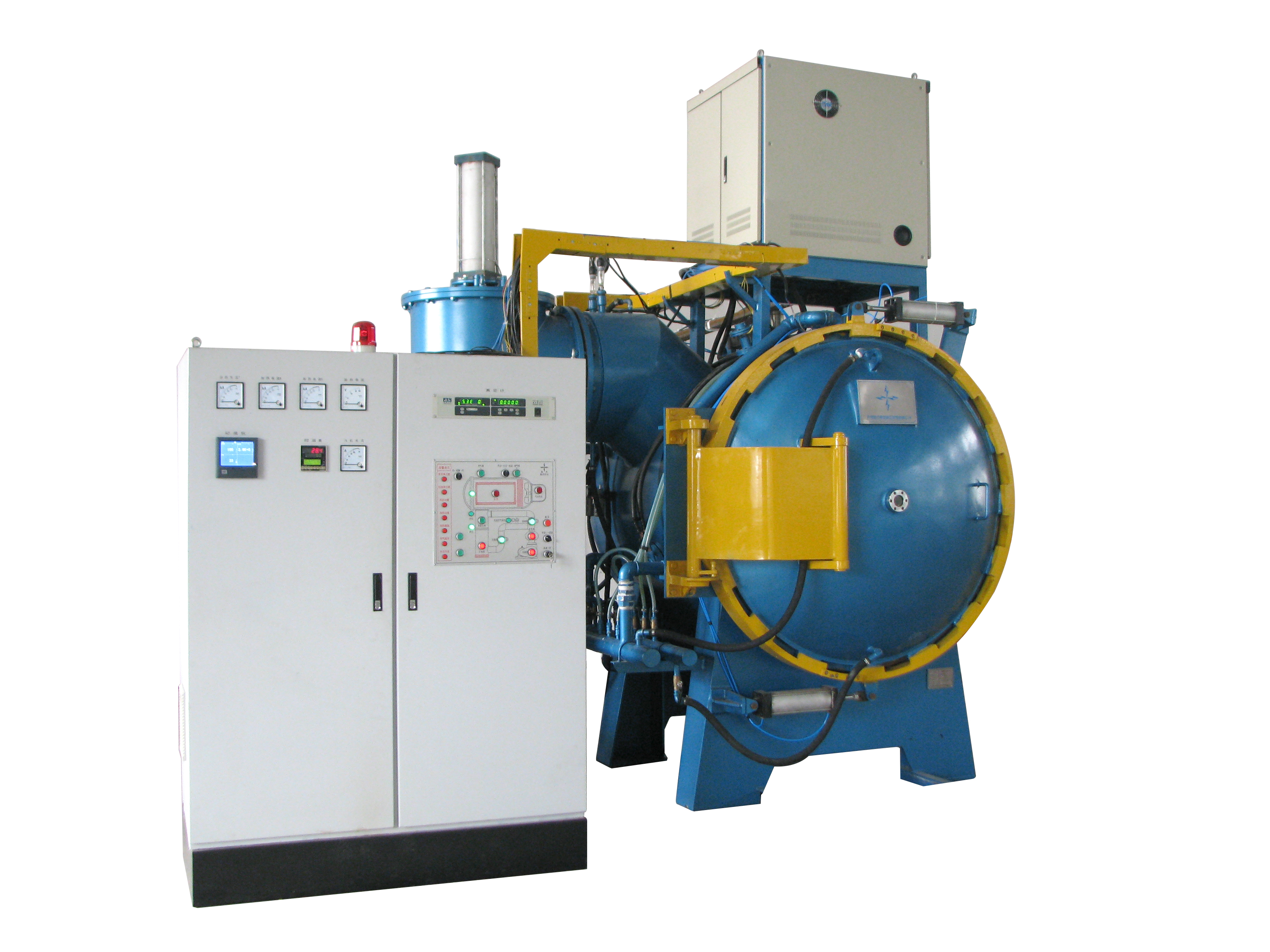
The choice between a vacuum annealing furnace and conventional air annealing represents one of the most critical decisions in modern heat treatment operations. Industries ranging from aerospace to precision manufacturing depend on the quality of their annealing processes to ensure component reliability, material consistency, and long-term performance. A vacuum annealing furnace delivers measurable advantages over air annealing methods, including superior material properties, elimination of oxidation, precise temperature control, and significant cost savings over the production lifecycle. Understanding these benefits helps manufacturers make informed investments that directly impact product quality and competitive positioning.
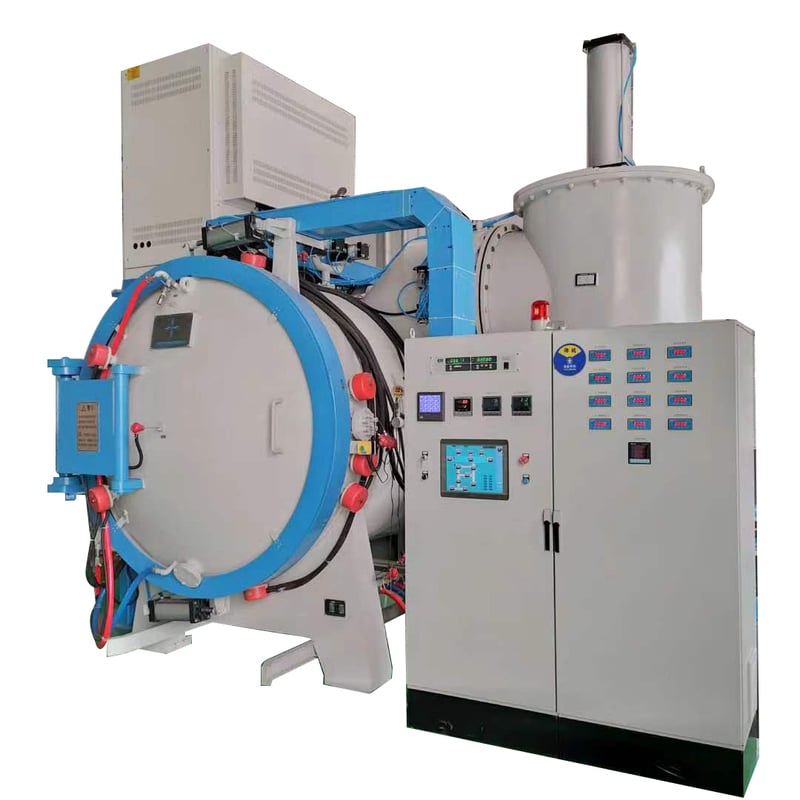
Traditional air annealing has served manufacturing for decades, yet it inherently carries fundamental limitations that modern industrial standards increasingly cannot tolerate. When metals are heated in atmospheric conditions, they inevitably oxidize, creating surface scale, discoloration, and compromised mechanical properties. A vacuum annealing furnace eliminates this oxidation entirely by removing oxygen from the chamber, preserving material integrity throughout the heating cycle. This fundamental difference cascades into performance improvements that affect not only immediate product quality but also downstream processing, final component strength, and customer satisfaction across demanding industries.
Superior Material Properties and Oxidation Prevention
Elimination of Surface Oxidation
The primary superiority of a vacuum annealing furnace lies in its complete elimination of oxidation during the heating process. When metals are annealed in open air or nitrogen environments, oxygen molecules still react with heated surfaces, forming iron oxide, scale, and other undesirable compounds. These oxides compromise surface finish, require costly post-annealing cleaning operations, and weaken surface characteristics that influence fatigue resistance and component lifespan. A vacuum annealing furnace removes oxygen entirely from the treatment chamber, protecting the metal surface throughout the entire cycle. This preservation of pristine surfaces directly translates to reduced secondary processing costs and higher first-pass quality rates that conventional air annealing methods simply cannot achieve.
Enhanced Mechanical Properties and Material Consistency
Beyond surface protection, a vacuum annealing furnace consistently produces superior mechanical properties compared to air-annealed materials. The absence of oxidation stress and the controlled atmospheric conditions allow metals to reach optimal crystalline structures without interference from chemical reactions. Tensile strength, ductility, and toughness measurements demonstrate measurable improvements when components are treated in a vacuum annealing furnace versus traditional methods. This consistency proves invaluable in aerospace, automotive, and medical device manufacturing, where material specifications carry zero tolerance for variation. A vacuum annealing furnace ensures batch-to-batch uniformity that builds customer confidence and reduces warranty claims stemming from material property failures.
Precision Control and Temperature Uniformity
Advanced Temperature Management Systems
A vacuum annealing furnace incorporates advanced temperature control systems that deliver precision impossible with conventional air annealing equipment. The sealed chamber allows operators to program precise heating rates, hold temperatures to exact specifications, and implement controlled cooling sequences that optimize final material properties. Sensors throughout the chamber provide real-time feedback, enabling immediate adjustments that maintain uniformity across large batches. Traditional air annealing relies on less controlled convection heating, which creates temperature gradients that produce inconsistent material properties throughout the treated components. Industries demanding tight specifications, such as tool steel production and precision bearing manufacturing, recognize that a vacuum annealing furnace provides the control necessary to meet or exceed their most stringent requirements.
Repeatability and Process Documentation
The controlled environment of a vacuum annealing furnace enables exceptional repeatability that strengthens process validation and regulatory compliance. Each cycle can be documented with precise parameters, creating an audit trail that satisfies aerospace quality standards, medical device regulations, and automotive supplier requirements. This reproducibility means that once an optimal annealing profile is established, a vacuum annealing furnace will deliver identical results cycle after cycle, eliminating the trial-and-error adjustments required with less sophisticated air annealing systems. For manufacturers serving industries where traceability and documented consistency form the foundation of customer trust, a vacuum annealing furnace represents an essential investment in demonstrable process reliability.
Economic Advantages and Operational Efficiency
Reduction in Secondary Processing and Rework
While a vacuum annealing furnace demands higher initial capital investment than basic air annealing equipment, the operational cost advantage emerges quickly through elimination of secondary processing. Components annealed in air require scale removal, surface cleaning, and often stress-relief cycles to address oxidation-related issues. A vacuum annealing furnace eliminates these costly intermediate steps, allowing components to proceed directly to finishing operations. For high-volume production runs, the cumulative savings from reduced labor, eliminated rework, and avoided material waste quickly offset the premium price of a vacuum annealing furnace. Many manufacturers report return on investment within two to three years of deployment, particularly when processing premium materials like stainless steel, titanium, or specialty alloys where oxidation costs are exceptionally high.
Energy Efficiency and Extended Equipment Lifespan
A modern vacuum annealing furnace incorporates insulation and thermal management technology that delivers superior energy efficiency compared to older air annealing methods. The sealed chamber prevents heat loss that occurs in open-chamber systems, reducing overall energy consumption per treatment cycle. Additionally, the absence of oxidation inside the chamber eliminates corrosive scale buildup that degrades furnace internals, extending equipment lifespan significantly. A well-maintained vacuum annealing furnace operates reliably for decades, whereas air annealing furnaces experience more rapid internal deterioration from oxidation byproducts. This combination of lower operating costs and extended equipment life compounds the economic advantage of choosing a vacuum annealing furnace for serious production environments.
FAQ
How does a vacuum annealing furnace prevent oxidation?
A vacuum annealing furnace removes oxygen from the treatment chamber using vacuum pumps, creating an environment where oxidation cannot occur. By reducing atmospheric pressure and oxygen concentration to minimal levels, the metal surface remains chemically inert during heating, cooling, and annealing cycles. This fundamental difference from air annealing eliminates scale formation and surface degradation entirely, preserving the pristine material condition required by precision industries.
What industries benefit most from vacuum annealing furnace technology?
Industries requiring exceptional material quality, such as aerospace, medical device manufacturing, precision bearing production, and high-performance automotive component fabrication, derive the greatest benefit from a vacuum annealing furnace. These sectors cannot tolerate oxidation-related defects or material property inconsistencies, making the superior control and protection offered by a vacuum annealing furnace essential for maintaining competitive advantage and customer satisfaction.
Is the investment in a vacuum annealing furnace justified by cost savings?
For manufacturers processing high volumes or premium materials, a vacuum annealing furnace typically achieves positive return on investment within two to three years through reduced secondary processing, eliminated rework, lower energy consumption, and extended equipment lifespan. While initial capital costs are higher than basic air annealing systems, the operational advantages make a vacuum annealing furnace economically superior over the long term, especially in precision manufacturing environments.
