
 EN
EN
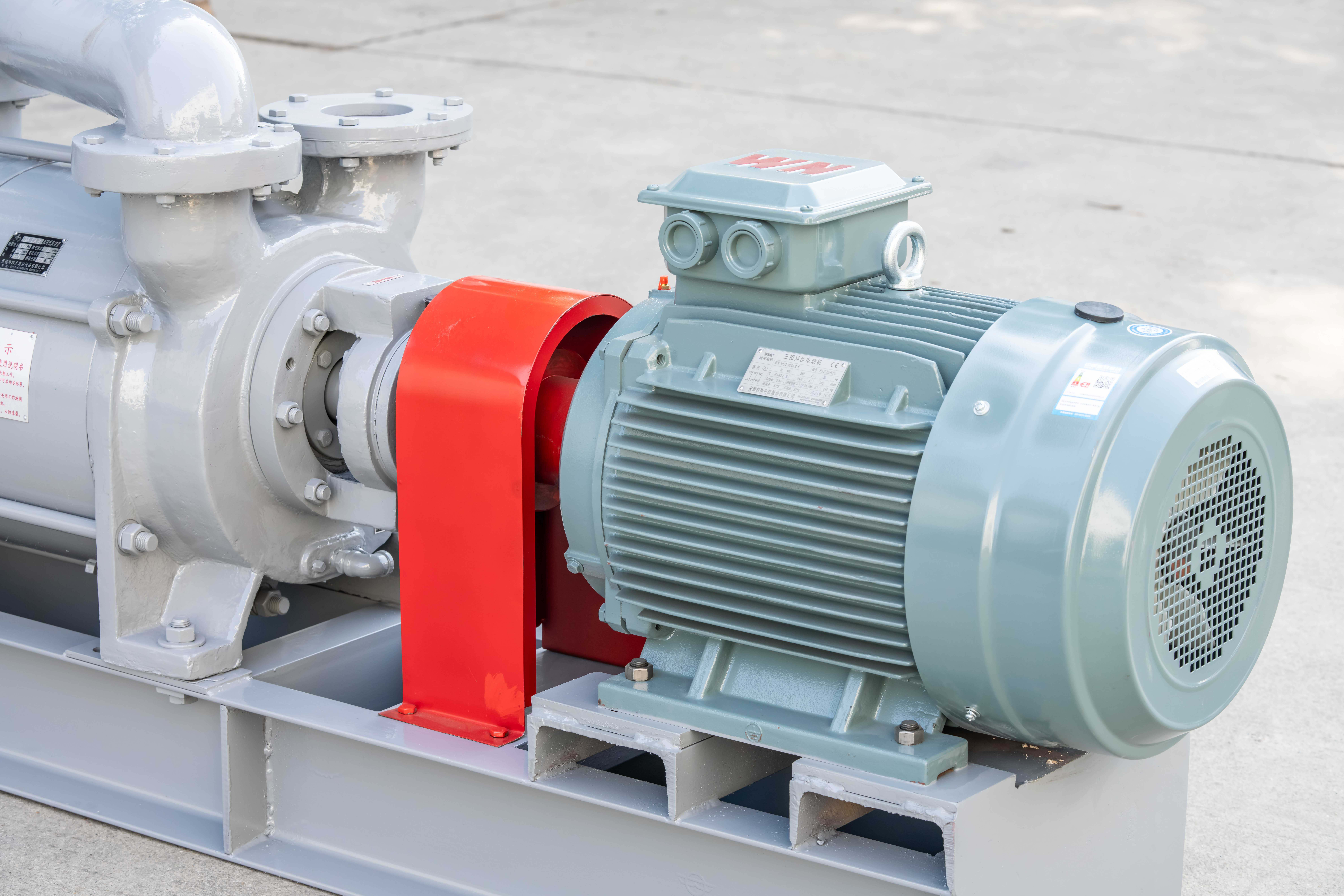
Industrial operations today face mounting pressure to reduce their environmental footprint while maintaining productivity and cost efficiency. One piece of equipment that quietly supports this dual objective is the water ring vacuum pump. Unlike many mechanical vacuum solutions that rely on oil lubrication or generate significant thermal waste, the water ring vacuum pump operates on a fundamentally cleaner principle — using a rotating liquid ring to create suction. This design naturally limits emissions, reduces contamination risk, and supports broader sustainability targets that modern manufacturers and process engineers must meet.
The eco benefits of a water ring vacuum pump are not simply marketing language — they are rooted in how the machine actually works. The sealed liquid ring eliminates the need for oil as a sealing medium, which immediately removes a major source of industrial fluid waste. When you examine the lifecycle of a water ring vacuum pump installation compared to dry-running or oil-lubricated alternatives, the environmental advantages become clear across multiple dimensions: water consumption, energy use, emissions, and waste management. This article breaks down each of these advantages in practical, decision-useful terms for engineers and operations managers evaluating their vacuum system choices.
How the Operating Principle Supports Environmental Goals
The Role of the Liquid Ring in Clean Operation
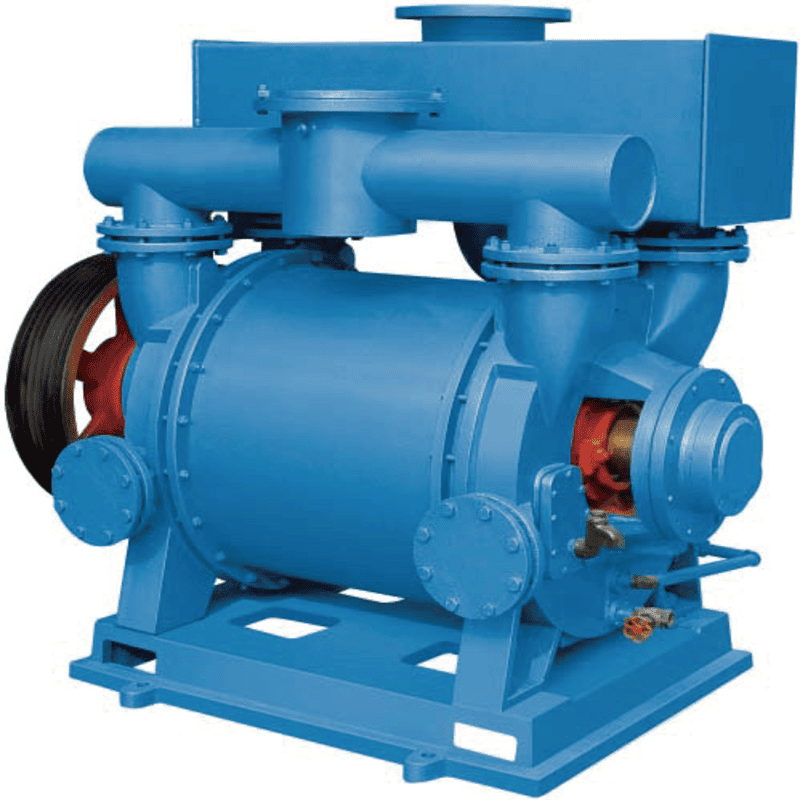
The defining feature of a water ring vacuum pump is the rotating body of liquid — typically water — that forms a ring inside the casing due to centrifugal force. This ring acts as both the sealing medium and the compression medium. Because no oil is involved in this sealing function, the pump does not generate oil mist, oil vapor, or oily condensate that would otherwise need to be captured and disposed of as hazardous waste.
In industries such as pharmaceuticals, food processing, and chemical manufacturing, oil contamination of process gases is a serious regulatory and safety concern. The water ring vacuum pump removes this risk entirely at the mechanical level, without requiring expensive downstream filtration. This not only reduces operating costs but also eliminates an entire category of waste generation from the production process.
The liquid ring also absorbs heat generated during gas compression. This isothermal compression characteristic means the pump operates at lower temperatures than dry-running alternatives, reducing thermal stress on components and lowering the energy required to manage heat dissipation in the surrounding facility environment.
Absence of Oil as a Direct Environmental Benefit
Oil-sealed vacuum pumps require periodic oil changes, oil top-ups, and oil mist elimination systems. Each of these generates waste streams that must be handled according to environmental regulations. Spent industrial oil is classified as hazardous waste in most jurisdictions, and its disposal carries both cost and compliance obligations. A water ring vacuum pump eliminates this waste stream entirely.
For large industrial facilities running multiple vacuum systems, the cumulative volume of oil waste eliminated through switching to water ring vacuum pump technology can be substantial. This translates directly into lower hazardous waste disposal costs, reduced regulatory reporting burdens, and a cleaner operational profile that supports environmental management certifications such as ISO 14001.
Water Consumption and Closed-Loop Efficiency
Understanding the Seal Water Circuit
A common misconception about the water ring vacuum pump is that it consumes large volumes of fresh water continuously. While early installations did operate on once-through water systems, modern water ring vacuum pump configurations almost universally incorporate closed-loop or recirculating water systems. In this setup, the seal water is cooled in a heat exchanger and returned to the pump inlet, dramatically reducing total water consumption.
A well-designed closed-loop system for a water ring vacuum pump may only require a small make-up water supply to compensate for evaporative losses and bleed-off for water quality control. This level of water use is far lower than the gross water demand of once-through systems and is comparable to or better than water use in the cooling systems of many alternative vacuum technologies that still require external cooling circuits.
In water-scarce regions or facilities subject to strict water discharge regulations, the closed-loop water ring vacuum pump system offers a significant compliance advantage. The reduced discharge volume means less wastewater treatment is required, and the risk of thermal or chemical discharge to natural water bodies is minimized.
Managing Discharge Water Responsibly
Even with recirculation, a water ring vacuum pump does produce some discharge water. The environmental management of this water depends on the application. In processes where clean gases are handled, the discharge water is generally low in contaminants and can often be recycled within the facility or discharged within standard regulatory limits without additional treatment.
In applications where the pump handles solvents, vapors, or chemically active gases, the seal water may absorb some of these components. In such cases, the water ring vacuum pump actually concentrates the contaminants into a manageable water stream that is far easier to treat than dispersed gas-phase emissions. This characteristic makes the pump a useful pollution control tool in its own right, not just a neutral piece of equipment.
Energy Efficiency and Its Indirect Environmental Impact
Isothermal Compression and Lower Energy Demand
Energy efficiency is one of the most significant indirect eco benefits of a water ring vacuum pump. Because the liquid ring continuously absorbs compression heat, the pump achieves near-isothermal compression conditions. This thermodynamic characteristic means that less energy is wasted as heat compared to adiabatic compression in dry-running vacuum pumps. The result is a more energy-efficient compression process for the same vacuum duty.
Lower energy consumption per unit of vacuum output means a smaller carbon footprint for every hour of operation. For facilities with ambitious carbon reduction targets or those operating under carbon pricing schemes, the cumulative energy savings of choosing a water ring vacuum pump over less efficient alternatives represent a meaningful contribution to scope 2 emissions reductions.
Modern variable frequency drive (VFD) integration with water ring vacuum pump systems further amplifies this benefit. By matching pump speed to actual process demand rather than running at full capacity continuously, VFD-equipped installations can reduce energy consumption by 20 to 40 percent compared to fixed-speed operation. This level of savings has significant real-world environmental impact at industrial scale.
Reduced Auxiliary System Requirements
The simple mechanical design of the water ring vacuum pump means it requires fewer auxiliary systems than more complex vacuum technologies. There are no oil management systems, no complex heat exchanger arrangements for oil cooling, and no oil mist separators to power and maintain. Each of these auxiliary systems represents additional energy consumption and additional maintenance material requirements.
By reducing the total number of components and auxiliary systems in the vacuum installation, the water ring vacuum pump lowers the overall energy footprint of the vacuum system as a whole. This systems-level perspective is important when conducting a full life-cycle environmental assessment of industrial equipment choices.
Longevity, Maintenance, and Material Waste Reduction
Durability as an Environmental Asset
Environmental impact is not limited to what a machine emits during operation — it also includes what resources are consumed to manufacture, maintain, and eventually dispose of the equipment. The water ring vacuum pump has a well-established reputation for mechanical simplicity and long service life. With fewer moving parts than many alternatives and no oil-dependent wearing surfaces, a well-maintained water ring vacuum pump can operate reliably for many years with minimal component replacement.
Long service life means fewer replacement units are manufactured over the operational period of a facility, which directly reduces the material and energy inputs embedded in equipment manufacturing. From a full life-cycle perspective, durable equipment is inherently more resource-efficient than equipment that requires frequent replacement or major overhaul.
Simplified Maintenance and Reduced Chemical Use
Maintenance activities for a water ring vacuum pump are comparatively straightforward. Routine tasks involve inspecting and replacing shaft seals, checking impeller clearances, and maintaining the water quality in the seal circuit. There is no requirement for specialized oil flush procedures, oil filter replacements, or chemical cleaning of oil circuits — all of which generate chemical waste in oil-lubricated systems.
Reduced chemical use in maintenance directly contributes to lower chemical waste generation. In environmentally sensitive locations or facilities pursuing zero-waste-to-landfill programs, this aspect of the water ring vacuum pump maintenance profile is a genuine operational advantage that supports broader environmental management objectives.
The accessible design of most water ring vacuum pump models also means that qualified in-house maintenance teams can perform routine work without requiring specialized contractor services. This reduces the transportation footprint associated with maintenance activities and gives facility managers greater control over their environmental compliance obligations.
Application-Specific Eco Advantages
Handling Condensable Vapors Without Contamination
One of the most practically important eco benefits of the water ring vacuum pump is its ability to handle condensable vapors and moisture-laden gases without the fouling or performance degradation that affects dry-running pumps. In applications such as vacuum distillation, evaporation, drying, and paper machine vacuum systems, the gas stream often contains significant quantities of water vapor or solvent vapors.
A water ring vacuum pump absorbs these vapors into the seal water rather than allowing them to condense inside the pump mechanism in an uncontrolled manner. This keeps condensable contaminants out of the exhaust gas stream, reducing atmospheric emissions and simplifying downstream gas treatment. In solvent recovery applications, this characteristic can be leveraged to directly recover valuable solvents from the seal water, turning a potential emission source into a recoverable resource.
Compatibility with Sustainable Process Design
As industrial processes are redesigned around circular economy principles, the water ring vacuum pump fits naturally into sustainable process architectures. Its ability to operate with recovered or recycled water as the seal medium, its tolerance for variable process conditions, and its integration flexibility with heat recovery systems all make it a compatible choice for facilities investing in green process design.
Process engineers working on new facility designs or major retrofits increasingly evaluate equipment not just on performance and cost but on environmental integration. The water ring vacuum pump scores well on this evaluation because its core operating principle is aligned with clean, resource-efficient industrial practice rather than requiring add-on systems to manage environmental impacts as an afterthought.
FAQ
Does a water ring vacuum pump use more water than other vacuum technologies?
Modern water ring vacuum pump installations typically use closed-loop water circuits that recirculate seal water through a heat exchanger. This dramatically reduces water consumption compared to once-through designs. In well-engineered systems, only a small make-up water flow is required, making total water use comparable to or lower than the cooling water demands of alternative vacuum technologies.
Is the exhaust from a water ring vacuum pump environmentally cleaner than oil-sealed alternatives?
Yes. Because the water ring vacuum pump uses water as the sealing and compression medium rather than oil, its exhaust gas contains no oil mist, oil vapor, or oil-contaminated aerosols. This makes the exhaust inherently cleaner and reduces the need for downstream filtration or oil mist elimination systems that add cost and generate additional waste.
Can a water ring vacuum pump help a facility achieve environmental certifications?
A water ring vacuum pump can contribute positively to environmental certification efforts such as ISO 14001 by eliminating oil waste streams, reducing energy consumption, minimizing atmospheric emissions, and simplifying waste management obligations. While the pump alone does not guarantee certification, its clean operating profile supports the broader environmental management improvements that certification programs require.
How does the energy efficiency of a water ring vacuum pump translate into environmental benefit?
Lower energy consumption in a water ring vacuum pump means less electricity is drawn from the grid for every unit of vacuum performance delivered. Since electricity generation in most industrial regions still carries a carbon intensity, using less electricity directly reduces greenhouse gas emissions associated with the facility's operations. When multiplied across continuous industrial processes running around the clock, these energy savings represent a meaningful and measurable environmental benefit.
Table of Contents
- How the Operating Principle Supports Environmental Goals
- Water Consumption and Closed-Loop Efficiency
- Energy Efficiency and Its Indirect Environmental Impact
- Longevity, Maintenance, and Material Waste Reduction
- Application-Specific Eco Advantages
-
FAQ
- Does a water ring vacuum pump use more water than other vacuum technologies?
- Is the exhaust from a water ring vacuum pump environmentally cleaner than oil-sealed alternatives?
- Can a water ring vacuum pump help a facility achieve environmental certifications?
- How does the energy efficiency of a water ring vacuum pump translate into environmental benefit?