
 EN
EN
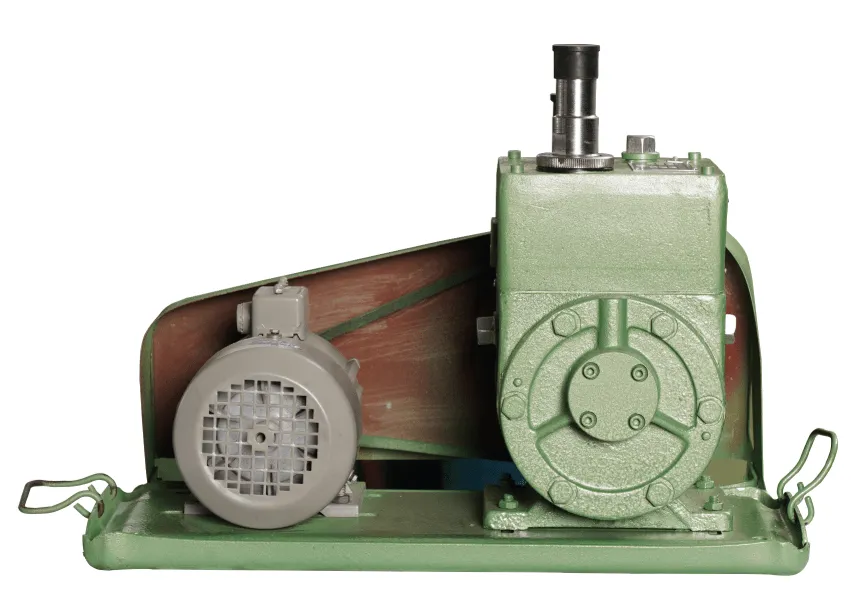
Selecting the right rotary vane vacuum pump is one of the most consequential decisions a procurement engineer or facility manager can make. The wrong choice leads to energy waste, frequent maintenance cycles, process inefficiencies, and costly downtime. Yet the market presents dozens of configurations, performance ratings, and design variants that can make the comparison process feel overwhelming. Understanding which factors genuinely matter — and which are simply marketing noise — is the foundation of a smart purchasing decision.
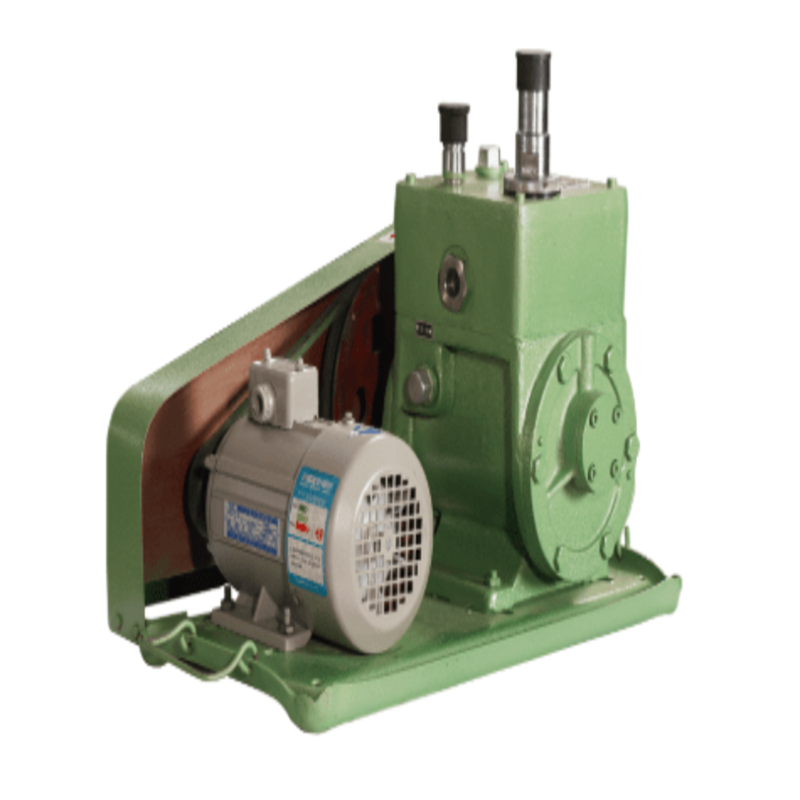
A rotary vane vacuum pump operates by using spring-loaded vanes that rotate inside an offset cylindrical cavity, compressing and expelling gas to create a vacuum. This principle sounds straightforward, but the engineering details behind each unit — from ultimate vacuum pressure to oil management and motor specifications — vary considerably between models and applications. This article walks buyers through the critical comparison factors so that every evaluation is grounded in practical performance criteria rather than spec-sheet assumptions.
Ultimate Vacuum Pressure and Performance Range
Understanding Ultimate Vacuum Ratings
The ultimate vacuum pressure is perhaps the most commonly cited specification when comparing any rotary vane vacuum pump. This value describes the lowest absolute pressure the pump can achieve under ideal conditions, typically expressed in millibar (mbar) or Pascal (Pa). A single-stage unit typically reaches around 0.1 mbar, while a two-stage rotary vane vacuum pump can achieve pressures as low as 0.0001 mbar — a significant difference for precision applications.
Buyers must not evaluate the ultimate vacuum in isolation. A pump that claims an impressive ultimate pressure but cannot maintain stable vacuum levels during continuous operation provides little practical value. Always request performance curves that show vacuum level versus pumping speed across the operating range. These curves reveal far more than a single headline figure and allow for a genuine apples-to-apples comparison.
For laboratory, analytical, or semiconductor applications, even minor deviations in vacuum stability can compromise results. Industrial applications such as packaging, vacuum drying, or plastics degassing may have wider tolerances, but consistency remains essential. Define your process vacuum requirement first, then compare pumps that genuinely operate within that window under real load conditions.
Single-Stage Versus Two-Stage Configurations
One of the most practical structural decisions is whether to use a single-stage or two-stage rotary vane vacuum pump. Single-stage pumps are simpler in construction, generally lower in cost, and sufficient for applications requiring vacuums in the range of 0.5 to 1 mbar. Two-stage designs link two compression stages in series, enabling the pump to reach much deeper vacuum levels efficiently.
A two-stage rotary vane vacuum pump is the preferred choice when processes demand a deep and stable vacuum, such as in freeze-drying, electron microscopy preparation, or transformer oil treatment. The added mechanical complexity does mean slightly higher maintenance requirements, but the performance gains for deep-vacuum applications far outweigh the trade-off for most professional buyers.
Buyers should match the stage configuration to the actual process demand rather than defaulting to the higher-specification unit. Over-specifying costs more upfront and may result in a pump running at unnecessarily low efficiency for everyday use. Accurate process analysis before purchase is the most reliable way to identify whether a single-stage or two-stage unit is the right fit.
Pumping Speed and Throughput Capacity
Matching Flow Rate to Process Volume
Pumping speed, measured in liters per minute (L/min) or cubic meters per hour (m³/h), describes how quickly a rotary vane vacuum pump can remove gas from a chamber. This is a throughput specification rather than a depth specification, and it directly affects cycle times in production environments. A pump with high ultimate vacuum but low pumping speed will take an unacceptably long time to evacuate large chambers.
To compare pumping speed effectively, buyers should calculate the total internal volume of the system being evacuated, including chamber, piping, and any connected equipment. Then estimate the number of evacuation cycles required per hour or shift. This gives a practical throughput requirement that can be matched against manufacturer pump speed data with confidence.
Note that published pumping speed values are typically measured at atmospheric inlet conditions. As the system approaches ultimate vacuum, effective pumping speed drops. Buyers should request pumping speed curves rather than relying solely on the maximum rated figure, which only represents performance at one end of the operating range.
Impact of Pump Speed on Energy Efficiency
A rotary vane vacuum pump that is oversized for its application will cycle more frequently or run continuously at partial load, both of which affect energy consumption and component wear. Selecting a pump with a pumping speed that closely matches process demand — rather than simply choosing the largest available model — is an important cost-efficiency decision.
Some modern designs incorporate variable-speed drive options that allow the pump to modulate its output in response to system demand. For facilities where vacuum requirements fluctuate throughout a production shift, this kind of capacity control can meaningfully reduce energy costs over the lifetime of the equipment. Buyers in energy-intensive industries should factor lifecycle energy costs into the total cost of ownership comparison, not just the purchase price.
Oil Type, Lubrication System, and Contamination Control
The Role of Oil in Rotary Vane Pump Performance
The vast majority of rotary vane vacuum pump designs rely on oil for lubrication, sealing between the vanes and the pump body, and heat transfer. The type and quality of oil used has a direct impact on achievable vacuum levels, pump longevity, and maintenance intervals. Manufacturers typically specify compatible oil types, and deviating from those recommendations can cause significant performance degradation or accelerated wear.
Mineral oils are the standard choice for general industrial applications, offering reliable lubrication at an economical cost. Synthetic vacuum oils provide better thermal stability, lower vapor pressure, and longer service intervals, making them preferable for demanding or continuous-duty applications. Buyers operating in chemically aggressive environments may also need to consider fluorinated lubricants that resist chemical attack from process gases.
When comparing units, ask about oil consumption rates during normal operation. A rotary vane vacuum pump that consumes excessive oil not only increases running costs but also risks oil contamination of downstream equipment or the process itself. Efficient oil circulation and effective oil separation systems are therefore key comparison points, particularly in cleanroom, food processing, or pharmaceutical applications.
Oil Mist Elimination and Exhaust Filtration
All oil-sealed rotary vane vacuum pump designs exhaust some level of oil mist during operation. The built-in oil mist separator or exhaust filter traps these aerosols before they are released into the environment. The quality and efficiency of this filtration system varies between models and has implications for workplace air quality, equipment maintenance, and regulatory compliance.
High-quality exhaust filters significantly reduce oil carryover, protecting downstream components such as exhaust piping, silencers, and any gas recovery systems. For facilities subject to environmental or occupational health regulations, the filtration performance of the exhaust system is not merely a convenience feature — it is a compliance requirement that buyers must verify against applicable standards before finalizing a purchase.
Some buyers in sensitive applications opt for dry-running variants or choose to add external mist eliminators and activated carbon filters downstream of the pump. While this adds cost, it provides an additional layer of process protection. Comparing available exhaust filtration options and their replacement cost is an important part of a complete ownership cost analysis for any rotary vane vacuum pump.
Motor Specifications, Noise Levels, and Operating Environment
Motor Power and Protection Class
The motor of a rotary vane vacuum pump must be matched to the mechanical load of the pump at both startup and steady-state operation. Underpowered motors overheat and fail prematurely. Buyers should verify that the motor is correctly sized for continuous-duty operation at the target vacuum level, not merely at atmospheric conditions where mechanical resistance is lower.
Motor protection class (IP rating) determines suitability for the installation environment. A pump installed in an outdoor setting, a washdown area, or a dusty manufacturing environment requires a higher IP rating than one used in a clean, climate-controlled laboratory. Comparing motor protection ratings across candidate pumps ensures that the chosen unit will maintain reliable operation in the actual installation conditions without requiring additional housing or protective enclosures.
Electrical supply compatibility is another practical factor. Buyers must confirm that the motor voltage, phase, and frequency match the facility's power supply. For international procurement, confirming compliance with the relevant electrical standards of the destination country — such as CE marking for European markets or UL listing for North American applications — avoids costly compliance issues after delivery.
Noise Emission and Vibration Characteristics
Noise and vibration are often underweighted in technical comparisons but can become significant operational concerns once a rotary vane vacuum pump is installed. In laboratories, medical facilities, or office-adjacent production environments, excessive noise creates both a comfort issue and a potential regulatory compliance problem. Vibration transmitted through the mounting surface can also interfere with sensitive instruments or processes.
Manufacturers typically publish sound pressure levels in decibels (dB(A)) measured at a standard distance. These values allow direct comparison between models, though buyers should also consider how noise changes at different operating points. Some pumps are significantly louder during the initial evacuation phase when pumping speed is highest, quieting down as ultimate vacuum is approached.
Anti-vibration mounts, flexible inlet connectors, and acoustic enclosures are available accessories that can reduce both noise and vibration transmission. Evaluating whether such accessories are readily available for a given rotary vane vacuum pump model — and factoring their cost into the total investment — helps ensure that the installation environment remains acceptable throughout the equipment's service life.
Maintenance Requirements, Service Intervals, and Spare Parts Availability
Routine Maintenance and Ownership Costs
Maintenance is a major lifecycle cost driver for any rotary vane vacuum pump. Key routine tasks include oil changes, oil filter replacements, exhaust filter servicing, and periodic inspection of vanes and shaft seals. The frequency of these tasks depends on operating hours, the nature of the pumped gas, and environmental conditions. Pumps handling condensable vapors or corrosive gases require more frequent maintenance than those processing clean dry air.
Buyers should request detailed maintenance schedules from manufacturers and compare them realistically against in-house maintenance capability. A technically superior pump that requires specialist service tools or factory-trained technicians may not be the most practical choice for a facility without dedicated maintenance infrastructure. Ease of access to serviceable components, clarity of service documentation, and availability of technical support all factor into a genuine total cost of ownership comparison.
Oil change intervals deserve particular attention. Some premium rotary vane vacuum pump designs using high-grade synthetic lubricants can extend oil change intervals significantly compared to standard mineral oil designs. While the oil itself costs more, the reduced labor and downtime associated with less frequent oil changes often makes the premium product more economical over a three- to five-year operating horizon.
Spare Parts Logistics and Long-Term Support
Even the most reliable rotary vane vacuum pump will eventually require replacement of wear parts such as vanes, shaft seals, gaskets, and bearings. The availability of genuine spare parts — and the lead time required to obtain them — can mean the difference between a one-day repair and a week of unplanned downtime. Buyers in remote locations or in industries with strict uptime requirements must assess spare parts logistics as carefully as the pump's technical specifications.
A supplier's commitment to long-term parts availability is also relevant for capital equipment that may remain in service for ten to fifteen years. Choosing a model with a well-established service ecosystem reduces the risk of obsolescence-driven premature equipment replacement. Before committing to a purchase, confirm the supplier's stated policy on spare parts availability and the expected product lifespan of the selected model.
FAQ
What is the most important specification to compare when evaluating a rotary vane vacuum pump?
The most important specification depends on your application, but ultimate vacuum pressure and pumping speed together define whether a pump is technically suitable for the process. Ultimate pressure determines how deep a vacuum the pump can achieve, while pumping speed determines how quickly it can evacuate a given volume. Both must meet process requirements, and buyers should review performance curves rather than relying on single headline values.
When should a buyer choose a two-stage rotary vane vacuum pump over a single-stage model?
A two-stage rotary vane vacuum pump is the appropriate choice when the application requires an ultimate vacuum below approximately 0.5 mbar, such as in freeze-drying, analytical instrumentation, or transformer servicing. For general industrial applications requiring vacuum in the 1 to 10 mbar range, a single-stage model is typically sufficient and more cost-effective. The decision should be driven by the actual process vacuum requirement rather than by a preference for higher specifications.
How does oil quality affect the performance of a rotary vane vacuum pump?
Oil quality directly affects the achievable ultimate vacuum, the efficiency of the vane sealing mechanism, and the longevity of internal components. Low-quality or incorrect oil can raise the vapor pressure within the pump cavity, limiting the ultimate vacuum achievable. It can also cause accelerated vane and bearing wear. Using the manufacturer-recommended oil type and adhering to recommended change intervals is one of the simplest ways to maintain consistent pump performance over time.
What should buyers check regarding spare parts when comparing rotary vane vacuum pump models?
Buyers should confirm the availability of key wear parts such as vanes, shaft seals, oil filters, and exhaust filters, as well as the typical lead time for obtaining them. It is also advisable to ask suppliers about their spare parts availability policy for the model's expected service life — typically ten or more years for industrial vacuum equipment. Models backed by an established distribution network and a clear long-term support commitment reduce the risk of costly downtime caused by parts unavailability.
Table of Contents
- Ultimate Vacuum Pressure and Performance Range
- Pumping Speed and Throughput Capacity
- Oil Type, Lubrication System, and Contamination Control
- Motor Specifications, Noise Levels, and Operating Environment
- Maintenance Requirements, Service Intervals, and Spare Parts Availability
-
FAQ
- What is the most important specification to compare when evaluating a rotary vane vacuum pump?
- When should a buyer choose a two-stage rotary vane vacuum pump over a single-stage model?
- How does oil quality affect the performance of a rotary vane vacuum pump?
- What should buyers check regarding spare parts when comparing rotary vane vacuum pump models?
