
 EN
EN
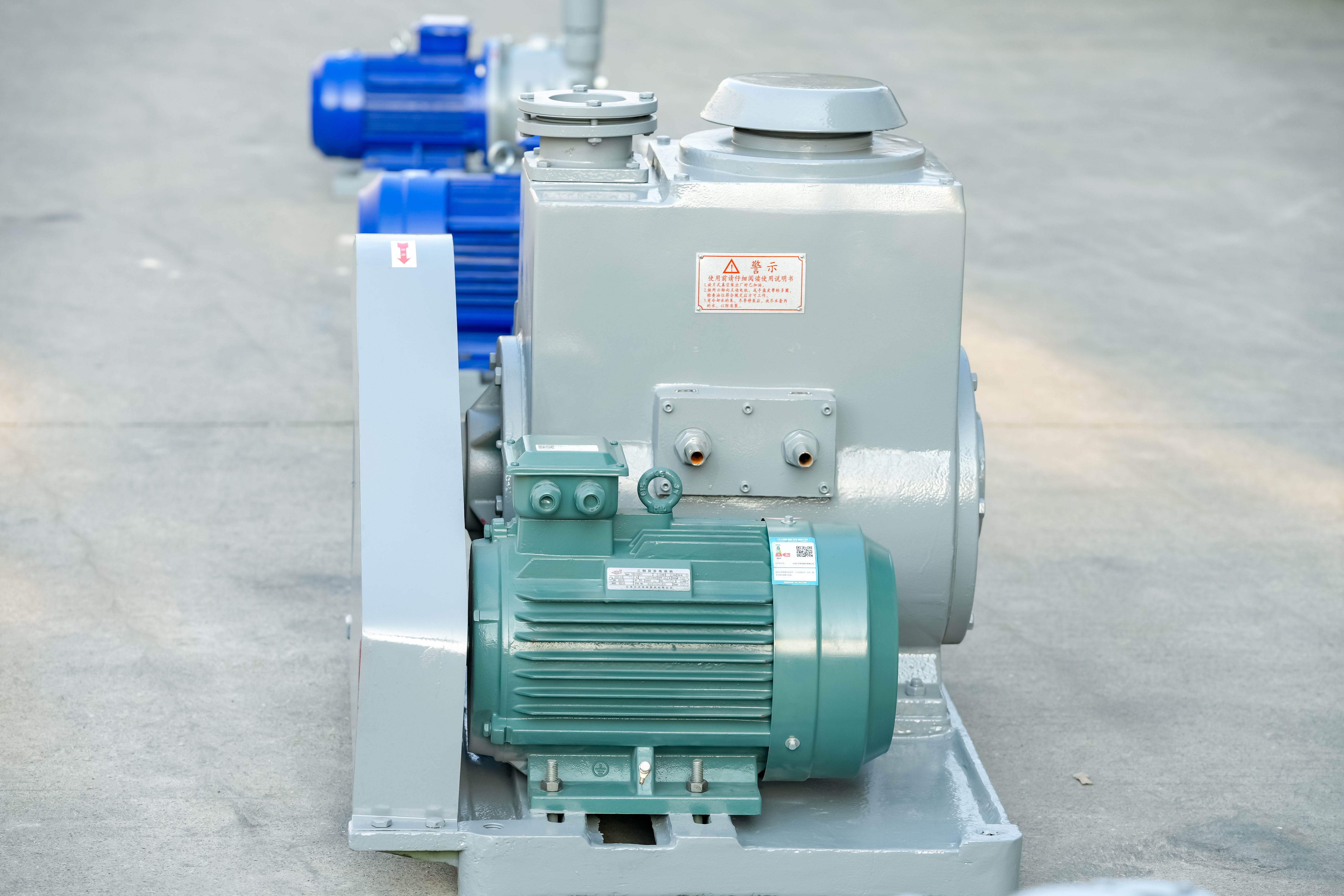
Achieving and sustaining a consistent vacuum level is a non-negotiable requirement in many industrial, laboratory, and manufacturing processes. When vacuum stability is compromised, product quality suffers, cycle times lengthen, and process efficiency deteriorates. The Rotary Vane Vacuum Pump is one of the most trusted technologies for delivering that stability, and understanding how it accomplishes this reveals why it remains the preferred choice across so many demanding applications.
A Rotary Vane Vacuum Pump operates through a continuous, mechanically precise cycle that removes gas molecules from a sealed chamber. Unlike diaphragm or scroll designs, the rotary vane mechanism offers a uniquely smooth gas displacement action that inherently resists fluctuations in vacuum depth. To fully appreciate how this pump maintains stable vacuum levels, it is essential to examine its internal working principles, the role of oil sealing, thermal management, and the engineering choices that keep performance consistent over time.
The Core Working Mechanism Behind Vacuum Stability
Eccentric Rotor and Vane Geometry
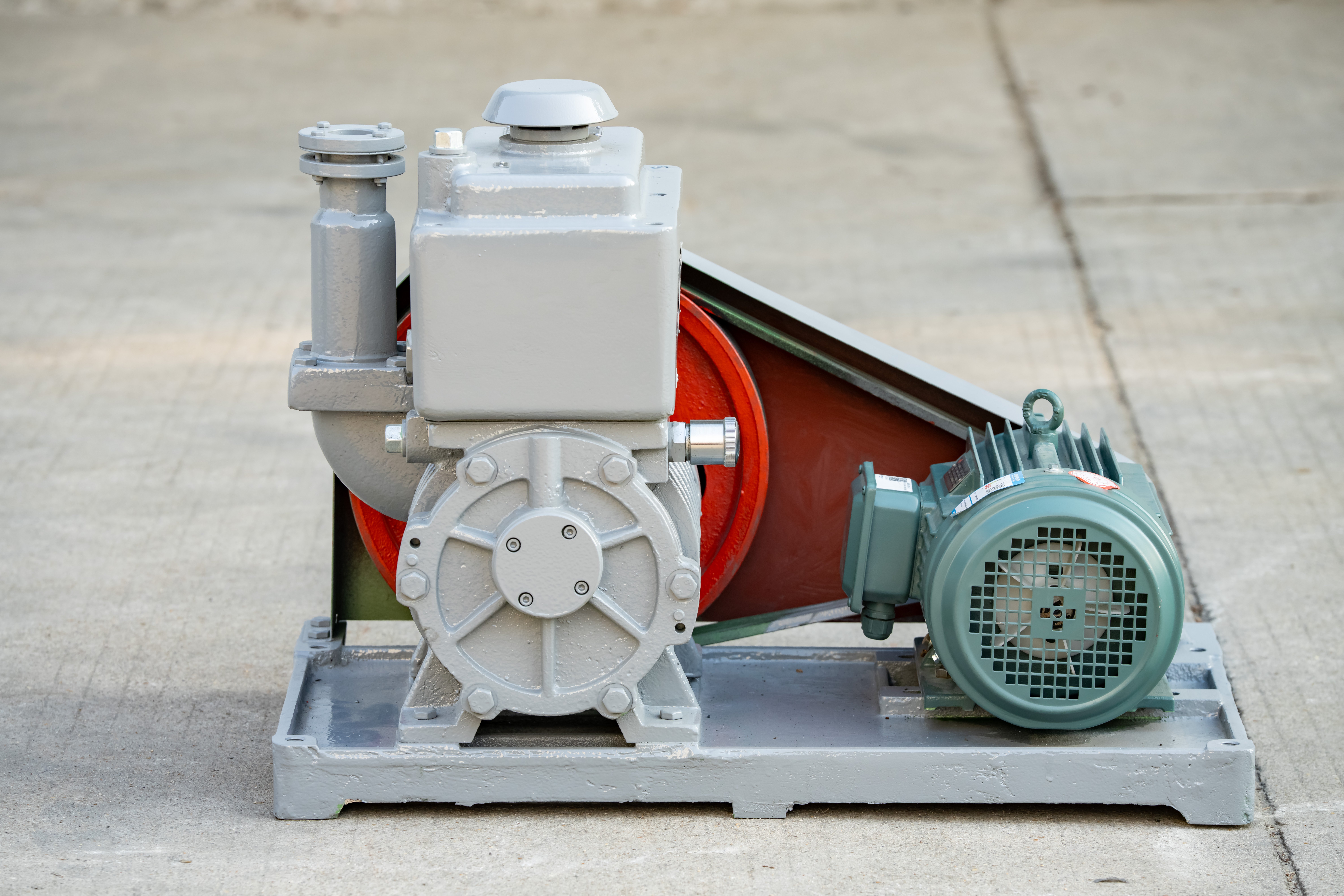
At the heart of every Rotary Vane Vacuum Pump is an eccentrically mounted rotor positioned inside a precisely machined cylindrical stator housing. As the rotor spins, centrifugal force pushes spring-loaded vanes outward against the stator wall, forming a series of sealed compartments of varying volume. This continuous change in compartment volume is what drives gas intake, compression, and exhaust in a smooth, overlapping sequence.
Because the vanes maintain constant contact with the stator wall throughout rotation, there is no dead zone in the pumping cycle where gas could flow backward into the vacuum chamber. This uninterrupted sweeping action is a primary reason why the Rotary Vane Vacuum Pump achieves such consistent vacuum depth compared to piston-based alternatives that inherently create pressure pulses with each stroke.
The geometry of the vane-stator interface is engineered to extremely tight tolerances. Even minor dimensional deviations can compromise the sealing between compartments and allow gas to recirculate, raising the ultimate pressure. Precision manufacturing therefore directly underpins the pump's ability to hold a stable vacuum level session after session.
Two-Stage Configuration for Deeper, More Stable Vacuum
Single-stage Rotary Vane Vacuum Pumps are adequate for many applications, but two-stage designs offer a significantly deeper and more stable ultimate vacuum. In a two-stage pump, the exhaust of the first compression stage feeds directly into the intake of a second stage. This cascaded arrangement allows the second stage to operate at a much lower pressure differential, reducing the risk of gas leaking backward across the vane tips.
The practical effect is that a two-stage Rotary Vane Vacuum Pump can routinely reach ultimate pressures in the range of 0.5 to 0.1 Pa or lower under correct operating conditions. More importantly, because neither stage is asked to compress gas across a large pressure ratio on its own, thermal loading is distributed more evenly and the overall pumping action remains smooth and stable.
For processes where vacuum stability is a critical quality parameter — such as degassing, vacuum impregnation, or analytical instrumentation — the two-stage Rotary Vane Vacuum Pump provides an appreciable advantage over single-stage alternatives precisely because the vacuum floor is both lower and less susceptible to short-term fluctuations.
The Critical Role of Oil Sealing and Lubrication
Oil as a Sealing Medium
Oil plays a dual role in a Rotary Vane Vacuum Pump: it lubricates moving components and acts as a dynamic sealant within the pumping chamber. A thin film of oil fills the microscopic gap between vane tips and the stator wall, blocking gas from migrating between high-pressure and low-pressure compartments. This oil seal is what allows the pump to sustain deep vacuum levels that a dry-running vane pump simply cannot achieve.
The viscosity and chemical stability of the pump oil are therefore directly tied to vacuum stability. Oil that has degraded, become contaminated with process gases, or dropped to incorrect viscosity will allow gas molecules to bypass the vane tips, raising the ultimate pressure and introducing instability. Selecting the correct grade of vacuum pump oil for the operating temperature and process chemistry is one of the most impactful maintenance decisions an operator can make.
Modern Rotary Vane Vacuum Pump designs incorporate oil mist separators on the exhaust to recover oil vapors before they are expelled. This keeps the oil inventory in the pump stable and prevents oil depletion from degrading the sealing film over time — another mechanism through which vacuum stability is actively maintained.
Oil Circulation and Thermal Management
Vacuum pump oil circulates continuously through the pump body, carrying away frictional heat generated by the spinning rotor and vanes. Controlled oil temperature is essential because viscosity changes with temperature, and viscosity directly affects the quality of the sealing film in the pumping chamber. If the oil overheats, it thins, the seal degrades, and vacuum stability suffers. If the oil is too cool, excessive viscosity can inhibit circulation and cause cavitation.
Well-engineered Rotary Vane Vacuum Pump designs include oil galleries, baffles, and in some cases external cooling arrangements to keep oil temperature within a narrow operating range. This thermal regulation is an often-overlooked contributor to stable vacuum performance, particularly in continuous-duty industrial applications where the pump runs for extended periods without interruption.
Operators should routinely monitor oil temperature as part of a condition-based maintenance program. Unexpected temperature rises can indicate oil degradation, blocked oil passages, or excessive process gas condensation inside the pump — all of which, if left unaddressed, will eventually manifest as a loss of vacuum stability in the Rotary Vane Vacuum Pump.
Mechanical Precision and Material Selection
Vane Material and Spring Force
The vanes themselves are engineered components whose material properties, dimensional consistency, and spring loading all influence how reliably a Rotary Vane Vacuum Pump maintains its vacuum level. Vanes are typically made from carbon composite, phenolic resin, or specialized engineering polymers that offer a combination of low friction, dimensional stability, and resistance to the chemical environment inside the pump.
The spring force holding each vane against the stator wall must be calibrated carefully. Too little spring force and the vane may momentarily lose contact at high rotational speed or during rapid pressure changes, creating brief leakage paths that destabilize the vacuum. Too much spring force increases friction, generates heat, and accelerates vane wear — eventually compromising the vacuum seal as vane tip clearance grows.
As vanes wear over the pump's service life, the Rotary Vane Vacuum Pump may gradually lose its ability to reach or hold its rated ultimate pressure. This is why vane inspection and replacement at manufacturer-recommended intervals is an essential part of maintaining stable vacuum performance rather than a purely preventive measure.
Stator Bore Tolerances and Surface Finish
The stator bore must be machined and finished to exacting standards. Surface roughness inside the stator directly affects how uniformly the oil sealing film forms across the vane-stator interface. Rough or scored surfaces create leak paths that allow gas to bypass between compartments, raising the pump's ultimate pressure and introducing cycle-to-cycle variation in vacuum depth.
Thermal expansion of the stator and rotor materials must also be closely matched. In a Rotary Vane Vacuum Pump that cycles between ambient temperature and full operating temperature, differential thermal expansion can temporarily alter vane tip clearances. Manufacturers address this through careful material pairing and by specifying a warm-up period after cold starts before the pump is expected to deliver its rated ultimate vacuum.
The dimensional relationship between rotor diameter, stator bore, and eccentricity is the geometric foundation of the pump's performance. Any distortion of this geometry — whether from wear, thermal deformation, or physical damage — will directly compromise the pump's capacity to maintain stable vacuum levels in service.
External Factors That Affect Vacuum Stability
Inlet Conditions and Gas Ballast Control
The vacuum stability of a Rotary Vane Vacuum Pump is also influenced by what enters the pump inlet. Processes that release condensable vapors — water vapor, solvents, or light hydrocarbons — present a particular challenge. If these vapors condense inside the pump before being expelled, the resulting liquid contaminates the oil, reduces its viscosity, and dramatically degrades the sealing film, causing the pump's ultimate pressure to rise.
The gas ballast valve, a standard feature on most oil-sealed Rotary Vane Vacuum Pumps, addresses this problem by admitting a controlled quantity of dry air into the compression stage. This raises the partial pressure of non-condensable gas in the mixture, ensuring that condensable vapors are swept through to exhaust before they can liquefy. Properly managed gas ballasting is therefore a direct operational strategy for maintaining vacuum stability when pumping vapor-laden process streams.
Inlet traps, cold traps, and inlet filters are complementary protective measures. By intercepting condensable vapors, particulates, or corrosive gases before they reach the Rotary Vane Vacuum Pump, these accessories extend oil service life and preserve the mechanical and sealing integrity that stable vacuum performance depends upon.
System Leakage and Demand Variation
Even a perfectly functioning Rotary Vane Vacuum Pump will struggle to maintain stable vacuum levels if the system it serves has significant leakage. Vacuum stability is ultimately a balance between the pump's gas removal rate and the gas ingress rate through leaks, outgassing surfaces, and process contributions. A pump that is correctly sized for a tight system may be inadequate if system leakage increases over time due to worn seals or degraded connections.
For applications with variable gas loads — such as vacuum packaging lines where chambers are repeatedly vented and evacuated — the pump must have sufficient displacement capacity to recover the target vacuum level quickly between cycles. An undersized Rotary Vane Vacuum Pump will show vacuum instability not because of any internal fault, but simply because it cannot keep pace with the system's demand profile.
Regular leak testing of the vacuum system, combined with periodic pump performance verification, provides the diagnostic foundation for identifying whether instability originates in the pump itself or in the broader system. This distinction is critical for efficient troubleshooting and targeted corrective action.
Maintenance Practices That Sustain Long-Term Vacuum Stability
Oil Change Intervals and Oil Quality Monitoring
Maintaining stable vacuum performance over the service life of a Rotary Vane Vacuum Pump depends heavily on disciplined oil change intervals. Used oil accumulates contaminants including dissolved gases, moisture, particulate wear debris, and process-derived chemical compounds. As these contaminants build up, the oil's sealing and lubricating properties deteriorate, and the pump's ultimate pressure rises progressively.
Manufacturers typically specify oil change intervals based on operating hours, but the actual interval required depends strongly on process conditions. Pumps exposed to aggressive vapors or high condensable loads may need oil changes far more frequently than the standard schedule suggests. Visual oil inspection — checking for cloudiness, discoloration, or unusual viscosity — combined with periodic vacuum level checks provides practical early warning of oil degradation.
Using the correct oil grade and type specified for the pump model is equally important. Substituting a non-specified oil, even one with apparently similar viscosity, can alter the sealing film characteristics and reduce the Rotary Vane Vacuum Pump's ability to achieve or hold its rated ultimate pressure.
Vane Inspection, Replacement, and Overall Pump Health
Beyond oil management, periodic inspection of vanes, bearings, and shaft seals forms the core of a comprehensive maintenance program for a Rotary Vane Vacuum Pump. Vane wear is predictable and manageable when tracked systematically, but if vanes are allowed to wear below their minimum thickness specification, performance degradation accelerates rapidly and can eventually lead to pump seizure.
Shaft seals and inlet valve assemblies should also be inspected at regular service intervals. A degraded shaft seal allows atmospheric air to enter the pump, raising the ultimate pressure and introducing instability that can be mistaken for a more serious internal fault. Inlet check valves, present on many Rotary Vane Vacuum Pump designs to prevent oil backflow on shutdown, can also fail in ways that reduce pumping efficiency and compromise vacuum stability during operation.
Keeping a service log that records oil changes, vacuum level readings at defined test conditions, operating temperatures, and any abnormal events gives maintenance teams the data needed to distinguish normal aging from early failure indicators. Proactive maintenance informed by performance trending is far more effective at sustaining stable vacuum levels than reactive repairs after a noticeable performance loss.
FAQ
What causes a Rotary Vane Vacuum Pump to lose vacuum stability over time?
The most common causes include oil degradation or contamination, worn vane tips that increase internal leakage, scored stator bore surfaces, and degraded shaft seals that allow air ingress. System-level factors such as increasing leak rates or changed process gas loads can also manifest as apparent pump instability even when the Rotary Vane Vacuum Pump itself is in good condition.
How does the gas ballast valve help maintain stable vacuum levels?
The gas ballast valve admits a controlled amount of dry air into the compression stage of the Rotary Vane Vacuum Pump, preventing condensable vapors such as water or solvents from liquefying inside the pump. By keeping vapors in the gas phase until exhaust, the gas ballast protects the oil from contamination and preserves the sealing film quality that underpins stable vacuum performance.
Why is a two-stage design more stable than a single-stage Rotary Vane Vacuum Pump?
In a two-stage Rotary Vane Vacuum Pump, each compression stage handles only a fraction of the total pressure ratio, reducing gas backflow across vane tips and distributing thermal load more evenly. The result is a deeper, more consistent ultimate vacuum with lower susceptibility to short-term fluctuations, making two-stage designs preferable for precision processes that demand high vacuum stability.
How often should the oil be changed to maintain stable performance?
Oil change frequency depends on the operating environment and process chemistry. As a general guideline, oil should be changed every 500 to 2000 operating hours, but pumps handling condensable vapors or corrosive gases may require more frequent changes. Monitoring oil appearance and tracking vacuum level trends are practical methods for determining the optimal interval for each specific Rotary Vane Vacuum Pump installation.
