
 EN
EN
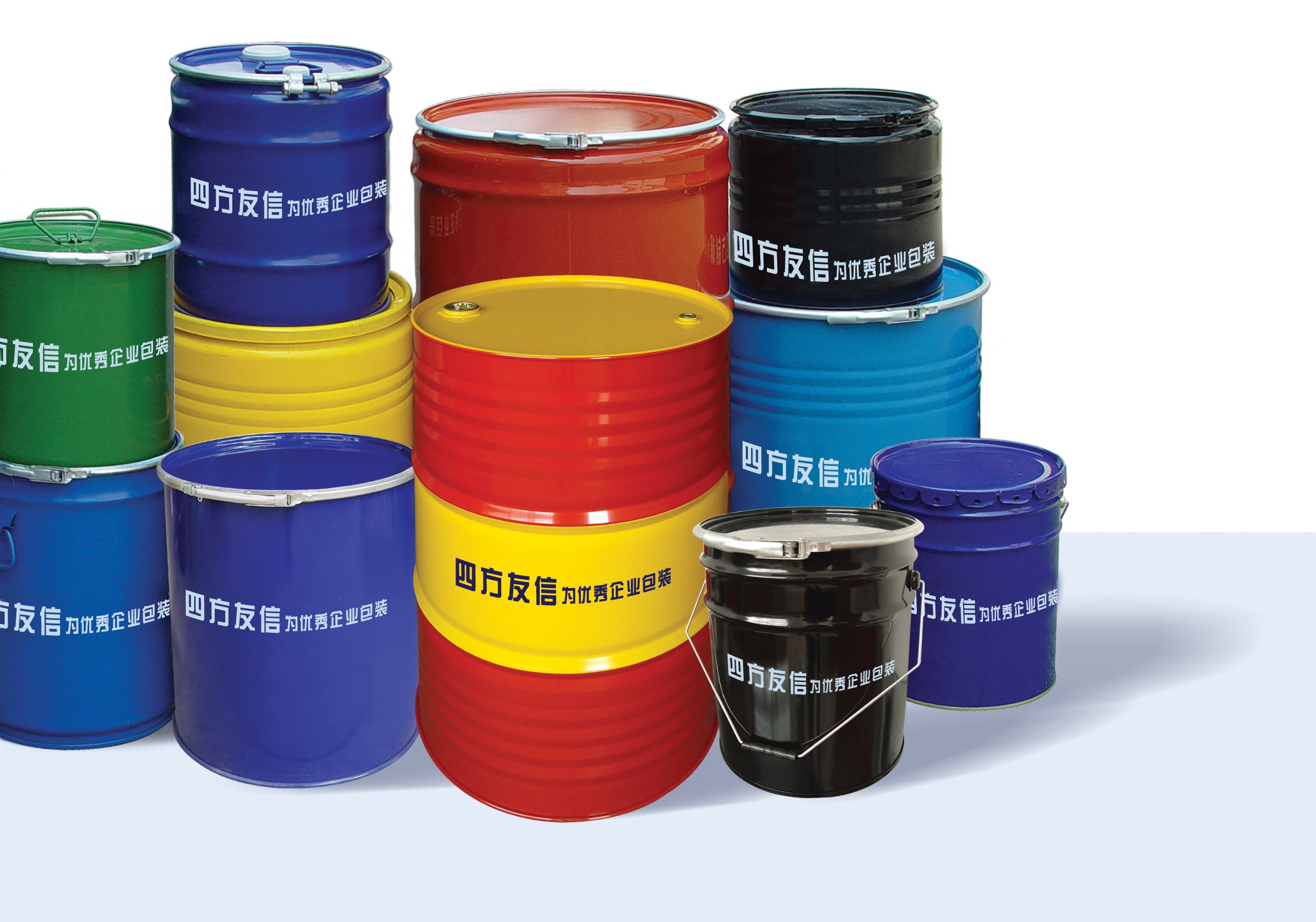
Long-distance transport demands containers that can withstand extreme conditions, protect valuable contents, and maintain structural integrity across thousands of miles. Steel Drums have emerged as the industry standard for this demanding application, offering unmatched reliability and performance. Whether shipping industrial chemicals, food-grade liquids, or hazardous materials, Steel Drums provide the security and durability that logistics professionals depend on daily. Understanding why Steel Drums excel in long-distance scenarios helps businesses make informed decisions about their transport infrastructure and supply chain efficiency.
The global logistics industry relies heavily on Steel Drums because they combine exceptional durability with cost-effective operation over extended distances. Steel Drums withstand temperature fluctuations, pressure variations, and mechanical stress that occurs during long-haul transport. Their proven track record across multiple industries demonstrates that Steel Drums remain the most practical choice for businesses requiring reliable containment solutions for cross-continental shipments.
Structural Integrity and Durability Advantages
Why Steel Drums Resist Damage During Transport
Steel Drums feature robust construction designed to handle repeated handling, vibration, and impact during extended journeys. The metal walls provide superior protection compared to alternative materials, preventing punctures, dents, and leakage that compromise shipment quality. Steel Drums maintain their structural form even when stacked in warehouse environments or subjected to automated sorting systems. This durability translates directly into reduced spoilage rates, fewer insurance claims, and improved profit margins for transport operators.
Temperature and Environmental Resilience
Long-distance routes expose containers to extreme weather conditions, including intense heat, freezing temperatures, and high humidity. Steel Drums excel in these environments because steel naturally resists thermal expansion and contraction better than plastic or composite alternatives. Steel Drums protect contents from UV degradation, moisture infiltration, and oxidative damage that occurs during extended storage at ports or distribution centers. This environmental resilience means Steel Drums can be used for multiple seasons without degradation, maximizing the return on investment for transport companies.
Safety and Regulatory Compliance Standards
Hazardous Material Transport Requirements
International regulations governing hazardous materials transport mandate specific container standards that Steel Drums consistently meet and exceed. Steel Drums are approved by transportation authorities worldwide including the Department of Transportation, International Maritime Organization, and International Air Transport Association. These regulatory bodies recognize that Steel Drums provide the containment integrity necessary to prevent spills, explosions, or contamination during transit across borders. Companies using Steel Drums demonstrate compliance with legal requirements, avoiding costly fines and operational shutdowns that result from improper container selection.
Chemical Compatibility and Barrier Protection
Steel Drums can be manufactured with specialized internal coatings that prevent chemical reactions between transported materials and container walls. Food-grade Steel Drums feature protective linings that eliminate metallic contamination while maintaining structural strength over thousands of miles of transport. The barrier properties of properly coated Steel Drums prevent permeation and migration, ensuring that sensitive liquids, oils, and chemical compounds arrive at destination facilities unchanged. This chemical compatibility makes Steel Drums suitable for industries ranging from pharmaceuticals to automotive fluid distribution.
Cost Efficiency and Long-Term Value
Economic Advantages for Extended Routes
Steel Drums offer superior cost-per-mile performance compared to alternative container systems over long-distance shipments. The initial purchase price of Steel Drums is offset by their extended service life, which often exceeds twenty years with proper maintenance and refurbishment. Transport companies can reuse Steel Drums across multiple shipments, sharing container costs across numerous revenue-generating trips. Steel Drums can be reconditioned and resold, creating a secondary market that recovers substantial portions of original investment.
Reduced Logistics Overhead and Maintenance
Steel Drums require minimal maintenance between shipments, consisting primarily of basic inspection and cleaning protocols. Unlike complex container systems requiring specialized handling equipment or climate control, Steel Drums integrate seamlessly into existing transport infrastructure. The standardized design of Steel Drums means that transport companies can standardize their handling procedures, training requirements, and equipment specifications. Steel Drums reduce administrative complexity because they comply with universal standards recognized across all transportation modes, borders, and distribution networks globally.
Practical Application and Industry Adoption
Cross-Industry Acceptance and Versatility
Steel Drums have become the preferred container choice across diverse industries including chemical manufacturing, petroleum distribution, food processing, and pharmaceutical production. This widespread adoption reflects decades of proven performance in real-world logistics scenarios involving thousands of miles of transport annually. Steel Drums successfully contain products ranging from vegetable oils to industrial solvents, pharmaceutical ingredients to mineral compounds. The versatility of Steel Drums means that manufacturers can standardize on a single container type rather than maintaining multiple inventory systems.
Integration with Modern Supply Chains
Steel Drums integrate with automated warehouse systems, container tracking technology, and digital inventory management platforms used by contemporary logistics providers. RFID tags, barcodes, and identification markings can be applied directly to Steel Drums, enabling real-time tracking throughout long-distance transport networks. Steel Drums fit standard pallet configurations and container loading patterns used in automated facilities, reducing handling time and labor costs. This compatibility with modern supply chain technology makes Steel Drums the logical choice for businesses optimizing efficiency over extended distribution routes.
FAQ
Why should I choose Steel Drums instead of plastic containers for long-distance transport?
Steel Drums provide superior durability, better resistance to temperature extremes, and proven regulatory compliance for long-distance shipments. Plastic containers can degrade under UV exposure and temperature fluctuations common during extended transport, while Steel Drums maintain structural integrity indefinitely. Steel Drums are recyclable and cost-effective over multiple shipments, whereas plastic containers often become waste after limited use. For long-distance applications, Steel Drums deliver reliability that justifies their selection across all major industries.
Are Steel Drums suitable for international shipping across multiple continents?
Yes, Steel Drums are approved for international transport under all major regulatory frameworks including maritime, air, and land shipping regulations. Steel Drums can withstand the mechanical handling, stacking pressures, and environmental conditions encountered during multi-continent journeys. Their universal standardization means Steel Drums move seamlessly through ports, customs facilities, and distribution centers worldwide. Companies shipping Steel Drums internationally benefit from established infrastructure, experienced handlers, and proven protocols spanning decades.
How do Steel Drums compare to other metal containers for long-distance transport efficiency?
Steel Drums offer the optimal balance between weight, capacity, durability, and cost efficiency compared to alternative metal containers. Steel Drums can be stacked and nested for efficient transport, reducing shipping volumes and logistics costs over long distances. The standardized dimensions of Steel Drums mean they integrate perfectly with existing equipment and infrastructure without special modifications. Steel Drums remain the most economical choice when calculating total cost of ownership across multiple shipments over extended routes.
