
 EN
EN
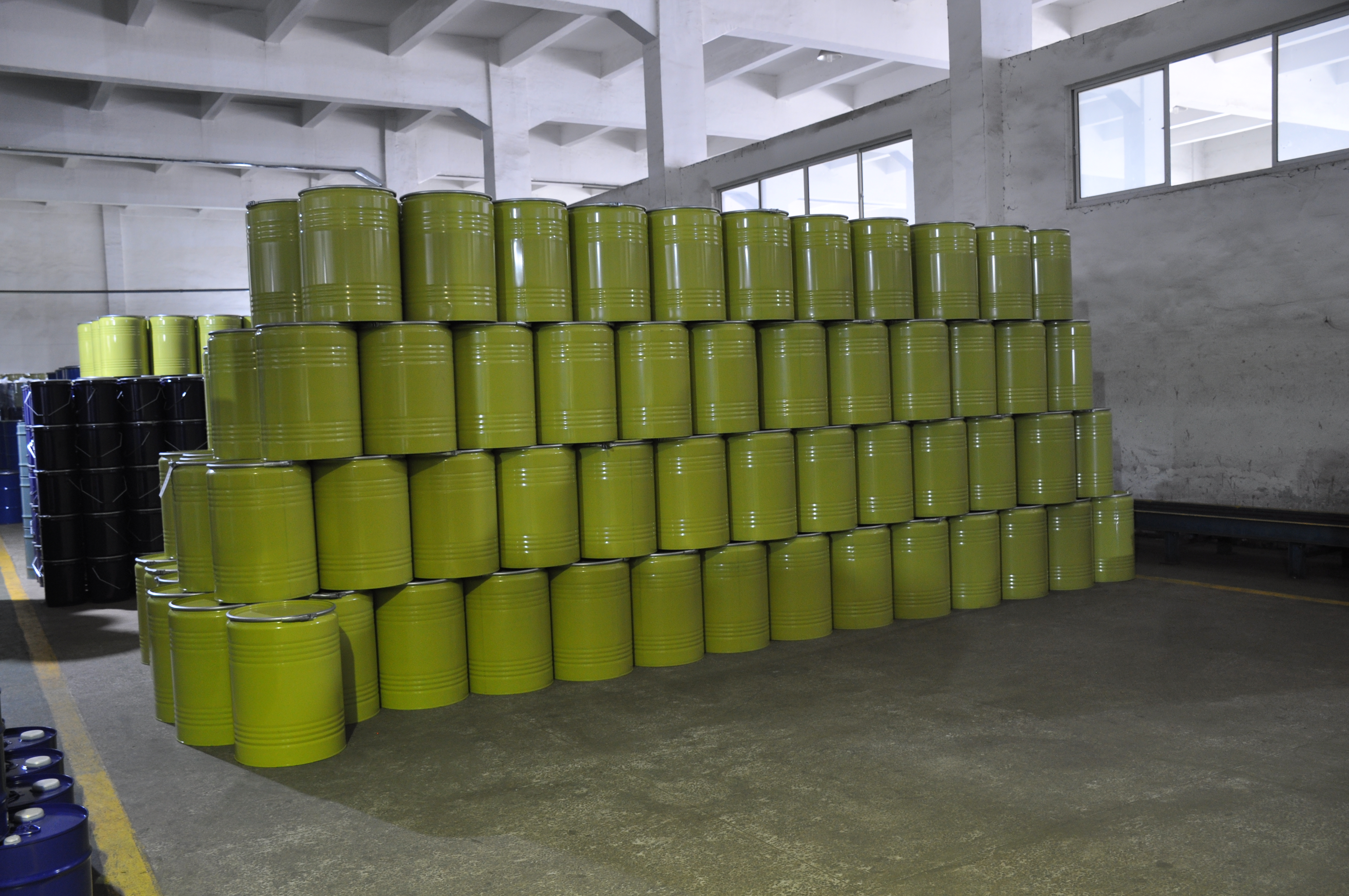
Hazardous materials require specialized containment solutions that protect workers, facilities, and the environment from dangerous exposure and contamination. Steel drums have become the industry standard for storing and transporting hazardous materials because they combine durability, regulatory compliance, and proven safety performance. Understanding how steel drums ensure safety in hazardous material storage helps organizations make informed decisions about their containment infrastructure and risk management strategies.
The safety performance of steel drums depends on multiple design features, material composition, and operational practices that work together to prevent leaks, spills, and environmental contamination. Organizations using steel drums for hazardous chemical storage must understand the specific safety mechanisms that make these containers reliable, the regulatory requirements that govern their use, and the best practices that ensure optimal containment performance throughout the storage lifecycle.
Design Features That Prevent Containment Failures
Structural Integrity and Leak Prevention
Steel drums maintain structural integrity through robust construction that resists deformation, corrosion, and stress fractures during storage and handling. The walls of steel drums are engineered to withstand internal pressure from volatile substances while remaining rigid enough to prevent accidental dents that could compromise the seal. Quality steel drums feature rolled seams and welded joints that create permanent, reliable connections that do not weaken over time, unlike mechanical fasteners that may corrode or loosen.
The protective coatings applied to steel drums create a chemical barrier that prevents rust formation and extends the container lifespan in demanding storage environments. Epoxy linings, polyester coatings, and specialized chemical-resistant finishes ensure that steel drums can safely contain aggressive substances without internal corrosion that could lead to microscopic perforations and slow leaks. When properly maintained, steel drums provide years of reliable containment without material degradation that would increase spill risks.
Closure Systems and Sealing Mechanisms
Steel drums use specialized closure systems designed specifically to maintain airtight seals that prevent vapor escape and external contamination entry. The bung hole closure on steel drums typically features a threaded steel plug with elastomer gaskets that create multiple redundant sealing layers, ensuring that even volatile chemicals cannot escape through microscopic gaps. Modern steel drums often incorporate pressure-relief mechanisms that prevent dangerous internal pressure buildup while maintaining the integrity of the primary seal.
Removable heads on steel drums allow for complete access to the interior while providing secure, repeatable closure that maintains seal quality across multiple fill and empty cycles. The crimped edges and reinforced rims of steel drums ensure that closure hardware remains tight and functional even after repeated handling, temperature fluctuations, and exposure to industrial warehouse conditions. This design redundancy means that steel drums can safely contain hazardous materials across their entire operational lifespan without requiring frequent seal replacement.
Regulatory Compliance and Safety Standards
Meeting International Transportation and Storage Requirements
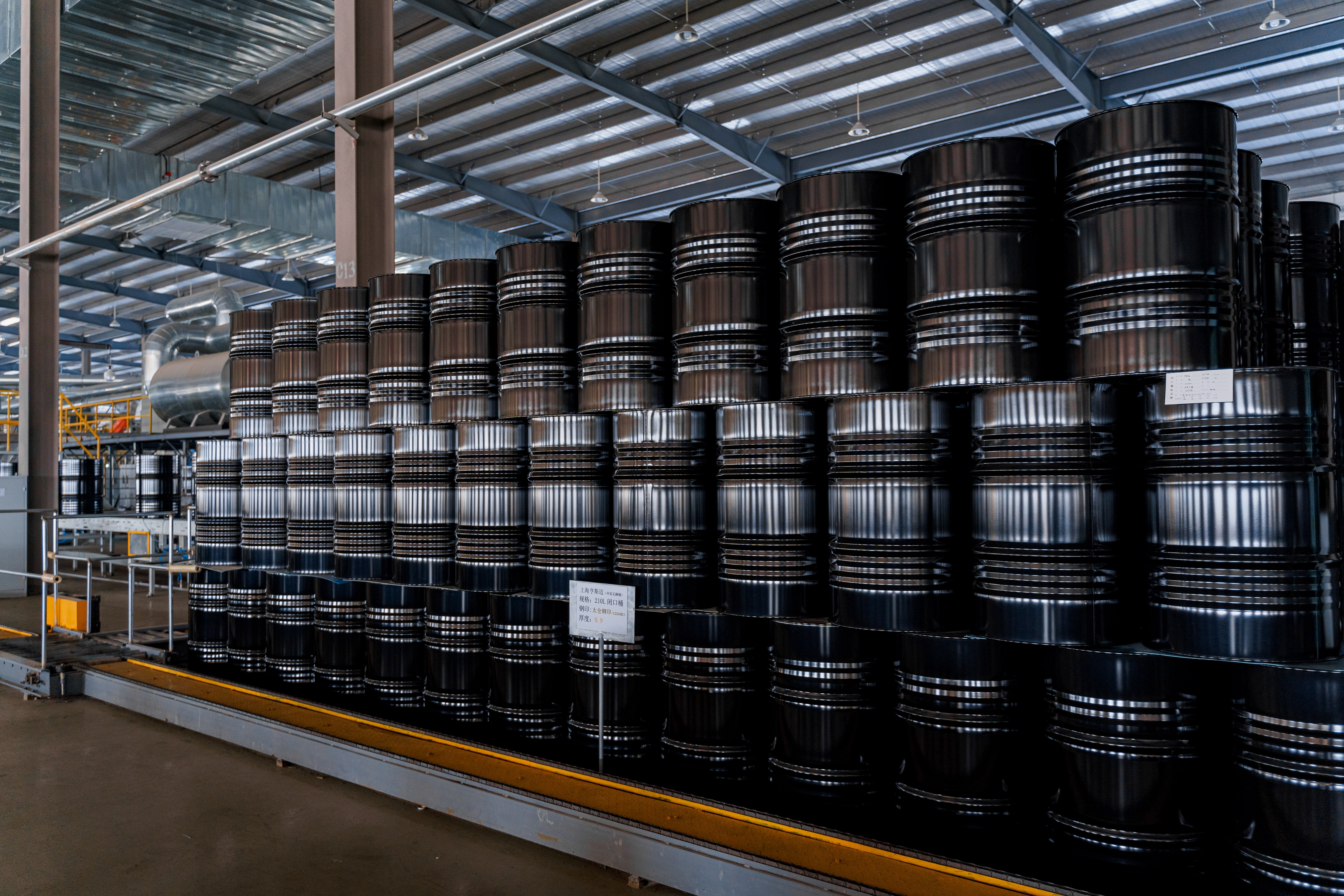
Steel drums used for hazardous material storage must meet stringent regulatory standards established by agencies including the U.S. Department of Transportation, Environmental Protection Agency, and international hazardous goods authorities. Compliant steel drums undergo rigorous testing protocols including drop tests, stacking pressure tests, and chemical compatibility assessments to verify that they maintain containment under worst-case handling scenarios. Organizations that use certified steel drums for hazardous material storage significantly reduce their regulatory liability and demonstrate commitment to safety compliance.
Each steel drum intended for hazardous chemical storage must carry certification markings that verify its testing history, material composition, and approved substance categories. These markings serve as proof that the steel drum meets applicable safety standards and provide documented traceability for regulatory audits and incident investigations. Using uncertified or inappropriate steel drums for hazardous material storage violates environmental and occupational safety regulations and exposes organizations to substantial fines, legal liability, and facility shutdown risks.
Chemical Compatibility and Material Selection
Not all steel drums are suitable for all hazardous materials because different chemical substances require specific internal coatings and material compositions to prevent dangerous reactions. Steel drums designated for organic solvent storage often feature different internal protective coatings than steel drums used for corrosive chemical storage, as each substance category presents unique degradation risks. Selecting chemically compatible steel drums prevents internal material failure that could lead to container rupture, environmental release, and worker exposure incidents.
Manufacturers of steel drums publish detailed compatibility matrices that specify which steel drum types safely contain which chemical substances, formulation ranges, and storage temperature conditions. Organizations must verify compatibility before filling steel drums to ensure that stored materials will not cause internal corrosion, coating breakdown, or pressure development that compromises containment. This verification process is essential because using incompatible steel drums with hazardous materials can trigger catastrophic failures despite the container's overall structural quality.
Operational Safety Practices and Risk Mitigation
Proper Handling, Storage, and Inspection Protocols
Even the highest-quality steel drums can fail if not handled properly during movement, stacking, and long-term storage in hazardous material facilities. Training workers on correct handling techniques prevents the dents, drops, and mechanical damage that could compromise steel drums' structural integrity and sealing effectiveness. Regular inspection schedules ensure that organizations identify corrosion spots, seal degradation, and pressure anomalies before they develop into serious containment failures.
Proper storage of steel drums requires adequate ventilation, temperature control, and segregation of incompatible substances to prevent cross-contamination incidents and chemical reactions. Steel drums should be stored in secondary containment structures that capture any potential spills, protecting soil and groundwater from environmental release. When steel drums are positioned horizontally or stacked vertically, their weight distribution must be carefully managed to prevent crushing damage to lower containers that could breach containment.
Environmental and Emergency Response Considerations
Steel drums serve as critical environmental protection barriers that prevent hazardous material migration into soil and groundwater during normal operations and emergency situations. The robust construction of quality steel drums provides adequate time for emergency response teams to contain spills and minimize environmental damage if a containment failure occurs. Organizations should maintain comprehensive inventory records for all steel drums containing hazardous materials to ensure rapid identification and response capability during safety incidents.
Emergency response plans must include specific procedures for steel drum handling during fire, natural disaster, or facility damage situations where containment integrity is threatened. Steel drums with certain hazardous contents may require specialized firefighting protocols, evacuation distances, and external cooling measures that emergency responders must understand. Proper labeling, documentation, and safety communication ensure that all personnel understand the hazard levels associated with specific steel drums and can respond appropriately to potential incidents.
FAQ
What makes steel drums safer than plastic containers for hazardous material storage?
Steel drums provide superior structural integrity, chemical resistance, and long-term reliability compared to plastic containers for most hazardous material applications. While plastic offers lightweight handling advantages, steel drums resist puncture damage, maintain seal effectiveness across wider temperature ranges, and comply with regulatory standards for aggressive chemical substances. Steel drums also withstand stacking pressures and mechanical impacts that would damage plastic alternatives, making them the preferred choice for industrial hazardous material storage environments.
How often should steel drums be inspected for hazardous material storage?
Inspection frequency for steel drums depends on the specific hazardous substances stored, storage duration, and environmental conditions, but regulatory guidance typically recommends quarterly inspections at minimum. Visual inspection should verify seal integrity, check for corrosion or coating damage, and confirm proper closure configuration. Documentation of inspection results helps organizations demonstrate compliance with safety regulations and creates early warning records if deterioration patterns suggest that steel drums should be replaced before containment failure occurs.
Can steel drums be reused for different hazardous materials?
Steel drums can sometimes be reused for different hazardous materials, but only after thorough cleaning and verification that the internal coating remains compatible with the new substance. Cross-contamination risks make reuse inappropriate unless complete removal of previous chemical residues is confirmed through testing or certification processes. Organizations should consult chemical compatibility matrices and regulatory guidance before reusing steel drums to ensure that such practices do not compromise safety or violate storage regulations for specific hazardous substances.
