
 EN
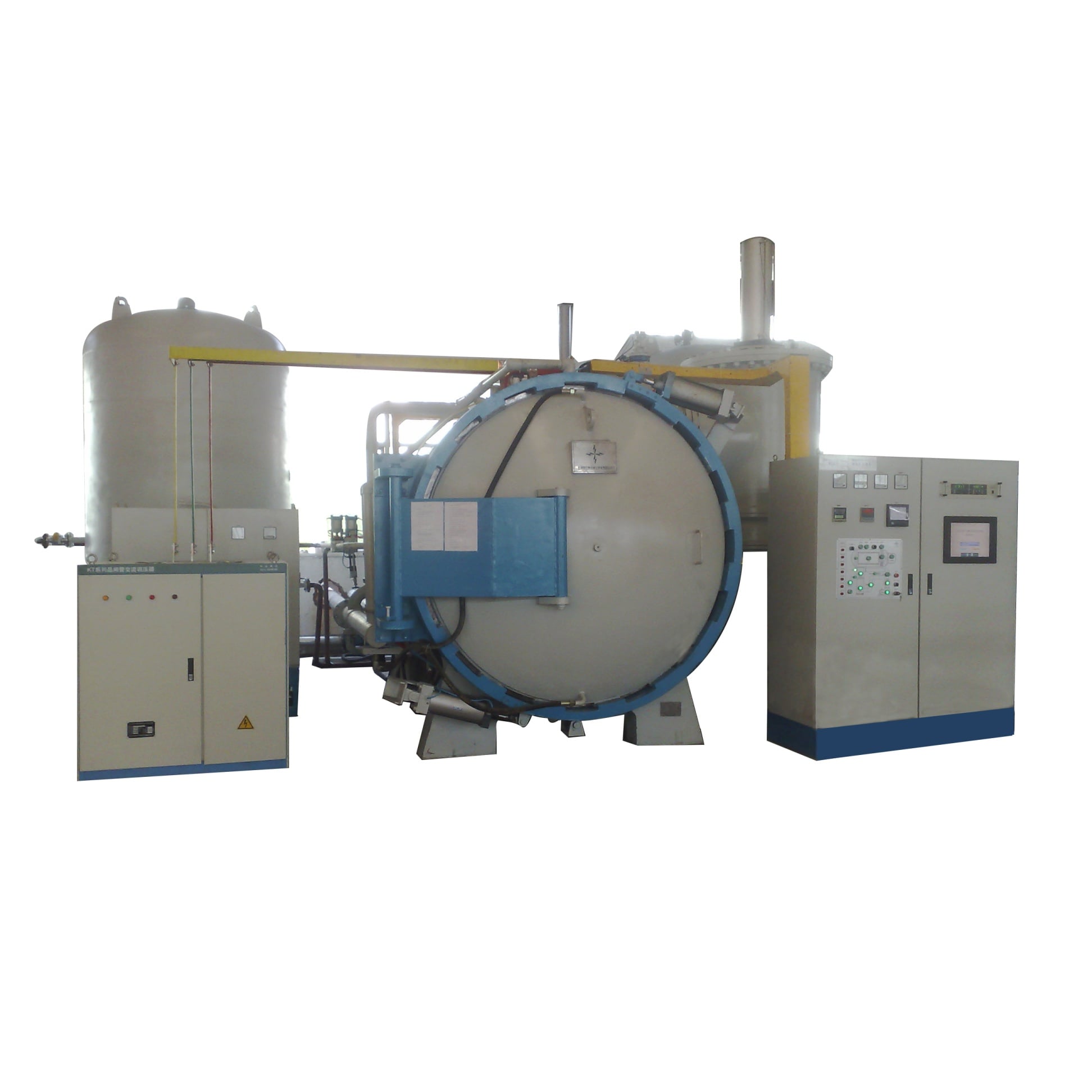
Selecting the right vacuum gas quenching furnace represents one of the most significant capital decisions for any manufacturing operation focused on precision heat treatment. The choice between different models and manufacturers can directly affect part quality, production efficiency, energy consumption, and long-term operational costs. Whether you're upgrading aging equipment or expanding production capacity, understanding the evaluation criteria for a vacuum gas quenching furnace is essential to making a decision aligned with your facility's technical requirements and business objectives.
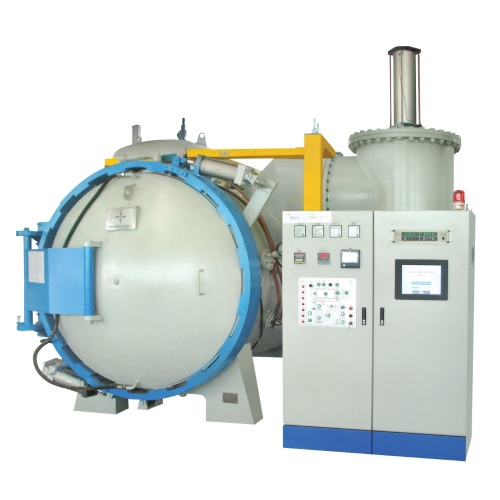
A vacuum gas quenching furnace operates under controlled atmospheric conditions to deliver superior metallurgical outcomes compared to conventional air-quench or oil-quench methods. The performance and reliability of your selected vacuum gas quenching furnace depend on numerous interconnected factors, from chamber design and heating element quality to quenching gas purity and pressure regulation systems. This guide walks you through the principal evaluation categories that should inform your purchasing decision.
Chamber Design and Heating Capacity
Internal Chamber Dimensions and Load Configuration
The internal chamber dimensions of a vacuum gas quenching furnace must accommodate your maximum production batch sizes without compromising heat distribution uniformity. Evaluate whether the vacuum gas quenching furnace chamber supports your typical part geometries, weight loads, and stacking arrangements. Larger chambers offer greater batch processing capability but require more energy and longer cycle times. Conversely, a vacuum gas quenching furnace that is undersized will create production bottlenecks and force smaller batch runs, reducing operational efficiency. Verify that the chamber's internal geometry includes adequate spacing around heating elements to ensure consistent temperature gradients across all part locations within the vacuum gas quenching furnace.
Maximum Operating Temperature and Heating Rate
The maximum achievable temperature of a vacuum gas quenching furnace must exceed your process requirements by at least 10 to 15 degrees Celsius to maintain safety margins and account for element aging over time. Heating rate directly impacts cycle time, meaning a faster-heating vacuum gas quenching furnace reduces production lead time and energy consumption per cycle. Examine the heating element composition, power density, and thermal design of candidate systems. Premium heating elements maintain consistent output over the equipment's lifespan, whereas lower-cost alternatives degrade faster. A vacuum gas quenching furnace with higher heating rates also enables better temperature uniformity because parts spend less time in the heating stage, reducing thermal gradients that can cause distortion.
Vacuum System Performance and Gas Quenching Capability
Vacuum Pump Specification and Maintenance Requirements
The vacuum pump integrated into or paired with your vacuum gas quenching furnace determines the system's ability to achieve and maintain low pressure during heating and high-pressure gas introduction during quenching. Evaluate pump displacement, ultimate vacuum rating, and power consumption. A vacuum gas quenching furnace equipped with a high-capacity pump reaches target vacuum levels faster, reducing heating stage duration and improving cycle efficiency. Consider pump maintenance intervals, the cost of replacement parts, and the availability of service support in your region. Oil-sealed rotary vane pumps and dry scroll pumps each present different trade-offs in terms of operating cost, maintenance frequency, and environmental impact. The pump performance directly influences how quickly a vacuum gas quenching furnace achieves the clean heating environment necessary for preventing oxidation and decarburization.
Quenching Gas System Design and Pressure Control
The quenching gas subsystem within a vacuum gas quenching furnace introduces inert gas at controlled pressure to extract heat from parts after the heating phase. Evaluate the gas flow rate capacity, pressure regulation precision, and gas purity requirements of candidate vacuum gas quenching furnace models. High-pressure gas quenching (up to 10 bar or more) cools parts faster than low-pressure systems, allowing for shorter cycle times and better metallurgical control. Examine the regulator accuracy and responsiveness; a vacuum gas quenching furnace with ±0.1 bar pressure stability delivers more consistent quenching results than systems with wider tolerance bands. Verify the gas inlet filtration system to prevent moisture and particulate contamination, which can compromise the vacuum environment and degrade part surface quality achieved within the vacuum gas quenching furnace.
Control Systems, Instrumentation, and Reliability
Temperature Measurement and Process Automation
Modern vacuum gas quenching furnace systems rely on multiple thermocouples or pyrometers to measure chamber temperature, load temperature, or both simultaneously. A robust vacuum gas quenching furnace includes redundant temperature sensors and automatic error detection to alert operators to sensor drift or failure. Examine whether the control software allows programmable heating and cooling profiles, recipe storage for different part types, and automatic recipe recall based on part identification codes. A vacuum gas quenching furnace with advanced process logging creates a permanent record of every cycle, enabling traceability and continuous process improvement. Verify compatibility with your facility's existing manufacturing execution system or enterprise resource planning platform, as integration reduces manual data entry errors and improves production visibility.
Safety Features and Compliance Certifications
Evaluate the safety architecture of any candidate vacuum gas quenching furnace before purchase. Essential safety features include interlocked chamber doors that prevent accidental opening during high temperature or vacuum conditions, over-temperature shutdown systems, and pressure relief valves that protect both the chamber and the gas supply lines. Verify that the vacuum gas quenching furnace holds relevant certifications such as CE marking, ASME pressure vessel certification, or industry-specific approvals required in your jurisdiction. Examine the emergency procedure documentation and training resources provided by the manufacturer. A vacuum gas quenching furnace with clear, accessible emergency protocols reduces incident risk and operator hesitation during abnormal events. Request references from existing customers and inquire about service responsiveness in your geographic region, as rapid maintenance support can minimize unplanned downtime and associated production losses.
FAQ
What is the typical lifespan of a vacuum gas quenching furnace?
A well-maintained vacuum gas quenching furnace typically operates reliably for 8 to 12 years before major component replacement becomes necessary. Heating elements degrade over time, vacuum pumps lose capacity, and control electronics eventually require updates or replacement. However, a vacuum gas quenching furnace that receives preventive maintenance, regular calibration, and prompt repair of failed components can extend operational life beyond 15 years. Manufacturers that provide spare parts availability and upgrade paths for control systems help maximize the return on your initial investment in a vacuum gas quenching furnace.
How does gas quenching in a vacuum furnace differ from conventional oil quenching?
A vacuum gas quenching furnace uses pressurized inert gas to cool parts, whereas oil quenching immerses parts in heated oil. Gas quenching within a vacuum gas quenching furnace produces less distortion because it generates lower thermal stresses, reduces contamination of part surfaces, and requires no post-quench cleaning. Additionally, a vacuum gas quenching furnace eliminates fire hazards and environmental concerns associated with mineral oil disposal. The trade-off is that gas quenching typically requires higher initial capital investment, though operating costs per cycle often favor a vacuum gas quenching furnace over long production runs due to reduced labor for cleaning and lower waste disposal fees.
What energy costs should I expect from operating a vacuum gas quenching furnace?
Energy consumption for a vacuum gas quenching furnace depends on chamber size, maximum operating temperature, heating rate, and cycle frequency. Larger systems or higher-temperature setpoints demand more electrical input during the heating phase, while the vacuum pump and control systems consume auxiliary power throughout operation. A representative vacuum gas quenching furnace with a 500-liter chamber typically consumes 20 to 40 kW during active heating. When selecting a vacuum gas quenching furnace, request energy consumption specifications from the manufacturer and calculate payback periods by dividing the equipment cost by annual energy savings compared to your current heat treatment method. Many facilities recover their investment in a vacuum gas quenching furnace within 5 to 7 years through reduced scrap rates and improved part quality alone.
