
 EN
EN
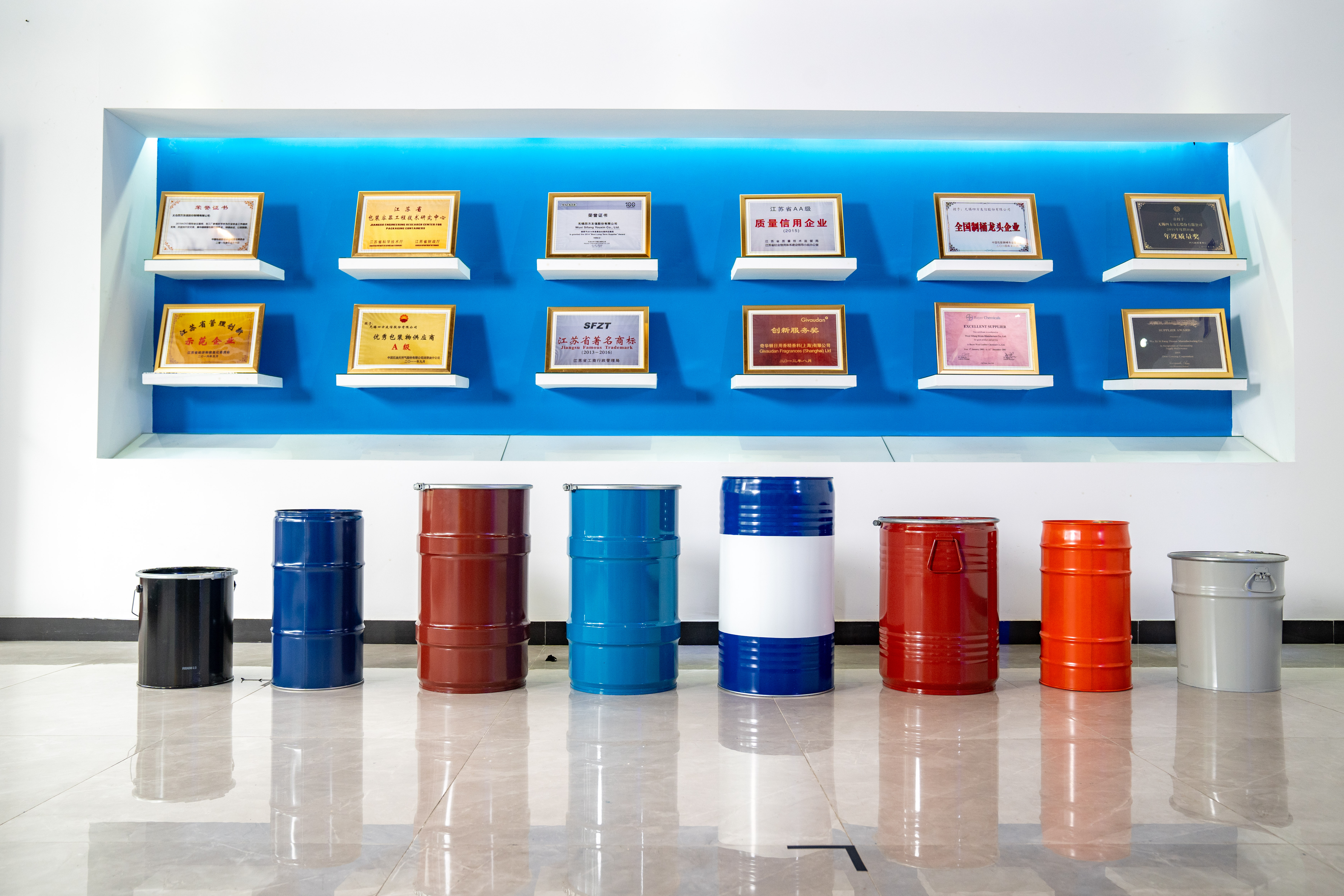
When industrial operations require reliable storage and transport of high-temperature liquids, steel drums high-temperature liquids solutions emerge as the industry standard. The choice to use steel drums for extreme thermal conditions is not arbitrary but stems from decades of proven performance, safety compliance, and economic efficiency. Organizations across chemical, petroleum, food processing, and manufacturing sectors consistently depend on steel drums high-temperature liquids systems because they deliver measurable protection against the challenges posed by heat-sensitive and thermally demanding materials.
The fundamental reason steel drums high-temperature liquids remain the preferred choice relates to their superior material properties and engineered design specifically for extreme thermal conditions. Unlike alternative container materials that degrade, warp, or fail under sustained heat exposure, steel drums high-temperature liquids withstand prolonged contact with liquids exceeding 200 degrees Fahrenheit without compromise. This thermal resilience combined with structural integrity makes steel drums high-temperature liquids an indispensable component of modern industrial logistics and operational safety protocols.
Thermal Resistance and Material Integrity
Superior Heat Tolerance of Steel Construction
Steel drums high-temperature liquids excel because steel as a base material maintains its structural properties across an exceptionally wide temperature range. The carbon steel used in manufacturing steel drums high-temperature liquids containers demonstrates consistent mechanical strength whether exposed to ambient warehouse conditions or direct contact with boiling liquids. This thermal stability prevents the container failures that plague plastic, composite, or lighter-gauge metal alternatives, which often experience dimensional warping, sealing degradation, or catastrophic failure when subjected to prolonged heat exposure that steel drums high-temperature liquids routinely handle without issue.
Internal Coating Technology for Extreme Conditions
Modern steel drums high-temperature liquids often incorporate specialized internal epoxy or phenolic coatings that provide an additional protective barrier against chemical interaction and thermal stress. These steel drums high-temperature liquids coatings are engineered to withstand sustained elevated temperatures while maintaining their adhesion and protective function. The combination of base steel durability with advanced internal lining technology creates a containment system where steel drums high-temperature liquids perform reliably for years, protecting both the contained product and the surrounding work environment from leakage, contamination, or hazardous exposure.
Safety Compliance and Regulatory Standards
Meeting Industrial Safety Requirements
Regulatory bodies across the globe mandate that certain high-temperature liquids meet strict containment protocols, and steel drums high-temperature liquids satisfy these requirements inherently through their design and material composition. Steel drums high-temperature liquids compliance stems from their proven track record in hazardous materials transport, their compatibility with inspection and certification processes, and their ability to maintain integrity during normal handling and storage operations. Organizations using steel drums high-temperature liquids reduce regulatory risk, simplify compliance documentation, and demonstrate due diligence in safety management to both internal stakeholders and external regulatory authorities.
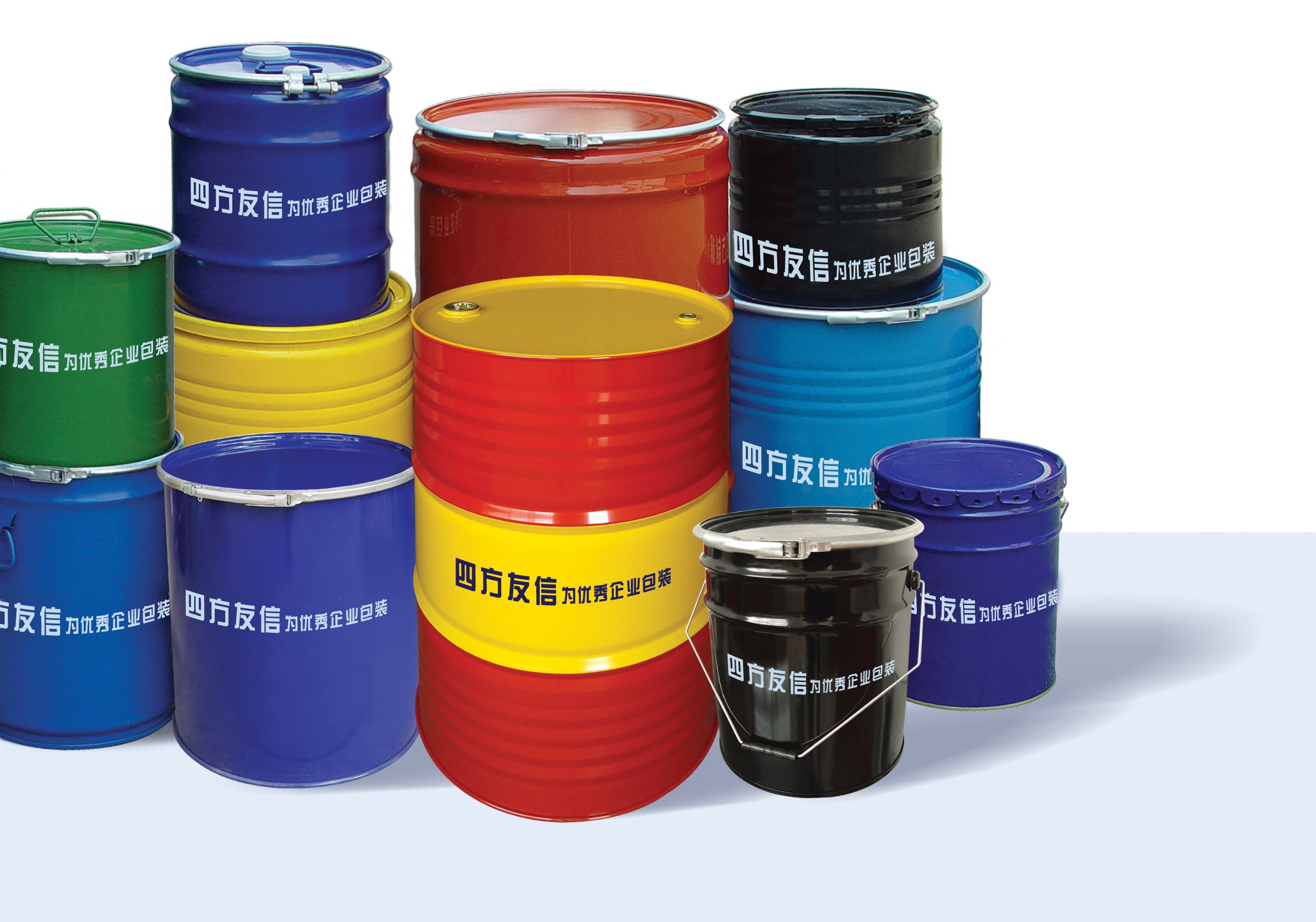
Certification and Documentation Standards
Steel drums high-temperature liquids used for regulated products come pre-certified for specific applications, with documented pressure ratings, temperature limits, and chemical compatibility specifications. This certification framework ensures that steel drums high-temperature liquids purchased for high-temperature applications meet or exceed applicable DOT, EPA, OSHA, and international standards. When organizations select properly certified steel drums high-temperature liquids containers, they eliminate guesswork about container suitability and maintain a clear audit trail demonstrating compliance with applicable regulations and industry best practices.
Economic Advantages and Operational Efficiency
Long-Term Cost Effectiveness
While steel drums high-temperature liquids may represent a higher initial investment compared to lower-grade alternatives, their durability, reusability, and extended operational lifespan deliver superior total cost of ownership. Steel drums high-temperature liquids remain serviceable across multiple product cycles, survive high-temperature environments without failure-related replacement costs, and command established resale and recycling markets that recoup a portion of the initial purchase price. Organizations operating across seasonal or cyclical production schedules benefit significantly from steel drums high-temperature liquids because their durability means containers persist across multiple operational cycles, reducing the per-use cost dramatically compared to single-use or failure-prone alternatives.
Operational Reliability and Downtime Prevention
Production interruptions caused by container failure during high-temperature liquid transfer or storage operations create cascading costs through line downtime, emergency procurement, spillage remediation, and potential safety incidents. Steel drums high-temperature liquids virtually eliminate these failure scenarios through their engineered resistance to thermal stress, maintaining predictable operational reliability that allows scheduling and workflow optimization. Facilities using steel drums high-temperature liquids report measurably lower unplanned maintenance events, fewer safety incidents related to container failure, and more consistent production throughput because the containment system performs as expected under extreme thermal conditions.
Practical Industrial Applications
Chemical Processing and Petroleum Industries
Chemical processors regularly utilize steel drums high-temperature liquids for storing and transporting heat transfer oils, synthetic fluids, and chemical intermediates that operate at temperatures ranging from 150 to 500 degrees Fahrenheit. Steel drums high-temperature liquids provide the necessary containment for these operations while maintaining compatibility with both the stored product and the transfer equipment used throughout the supply chain. Petroleum refineries depend on steel drums high-temperature liquids for the same reasons, trusting these containers to safely manage asphalt, bitumen, and other viscous petroleum products that demand thermal-resistant storage solutions.
Food Processing and Pharmaceutical Applications
Food processing operations utilize steel drums high-temperature liquids for storing and transporting cooking oils, syrups, and heat-treated food ingredients that require elevated-temperature containment. Pharmaceutical manufacturers rely on steel drums high-temperature liquids for managing specialty solvents and active pharmaceutical ingredients that must maintain specific temperature profiles throughout storage and distribution. Steel drums high-temperature liquids in these sectors meet stringent sanitary requirements while delivering the thermal performance necessary for product preservation and quality consistency.
FAQ
Can plastic or composite containers replace steel drums for high-temperature liquid storage?
Plastic and composite containers cannot reliably replace steel drums high-temperature liquids because these materials typically soften, warp, or fail at the temperature thresholds where steel drums high-temperature liquids maintain structural integrity. While plastic containers may be suitable for ambient-temperature storage, sustained exposure to elevated temperatures causes dimensional changes, seal failures, and potential leakage that compromise containment reliability. Steel drums high-temperature liquids remain the only practical choice for applications demanding thermal resistance above 150 degrees Fahrenheit.
What specific coatings make steel drums suitable for high-temperature liquid storage?
Epoxy phenolic and pure phenolic internal coatings are the primary lining systems used in steel drums high-temperature liquids because these materials withstand sustained temperature exposure while preventing chemical interaction between the stored liquid and the base steel structure. These specialized coatings maintain adhesion and protective function across temperature ranges that would degrade standard epoxy or polyester alternatives. Steel drums high-temperature liquids with these advanced coatings provide superior protection for products that would otherwise corrode or degrade the container, extending the lifespan of both the container and the stored product.
How frequently do steel drums require inspection for high-temperature service?
Steel drums high-temperature liquids used in regular high-temperature service typically require inspection before each refill cycle, with formal certification and pressure testing recommended annually or per specific regulatory requirements for the contained product. Regular visual inspection of steel drums high-temperature liquids containers reveals signs of external corrosion, dent severity, seal degradation, or coating damage that may compromise containment reliability. Establishing a documented inspection protocol for steel drums high-temperature liquids ensures continued compliance, identifies containers requiring reconditioning or retirement, and maintains the safety and reliability standards essential for industrial operations.
