
 EN
EN
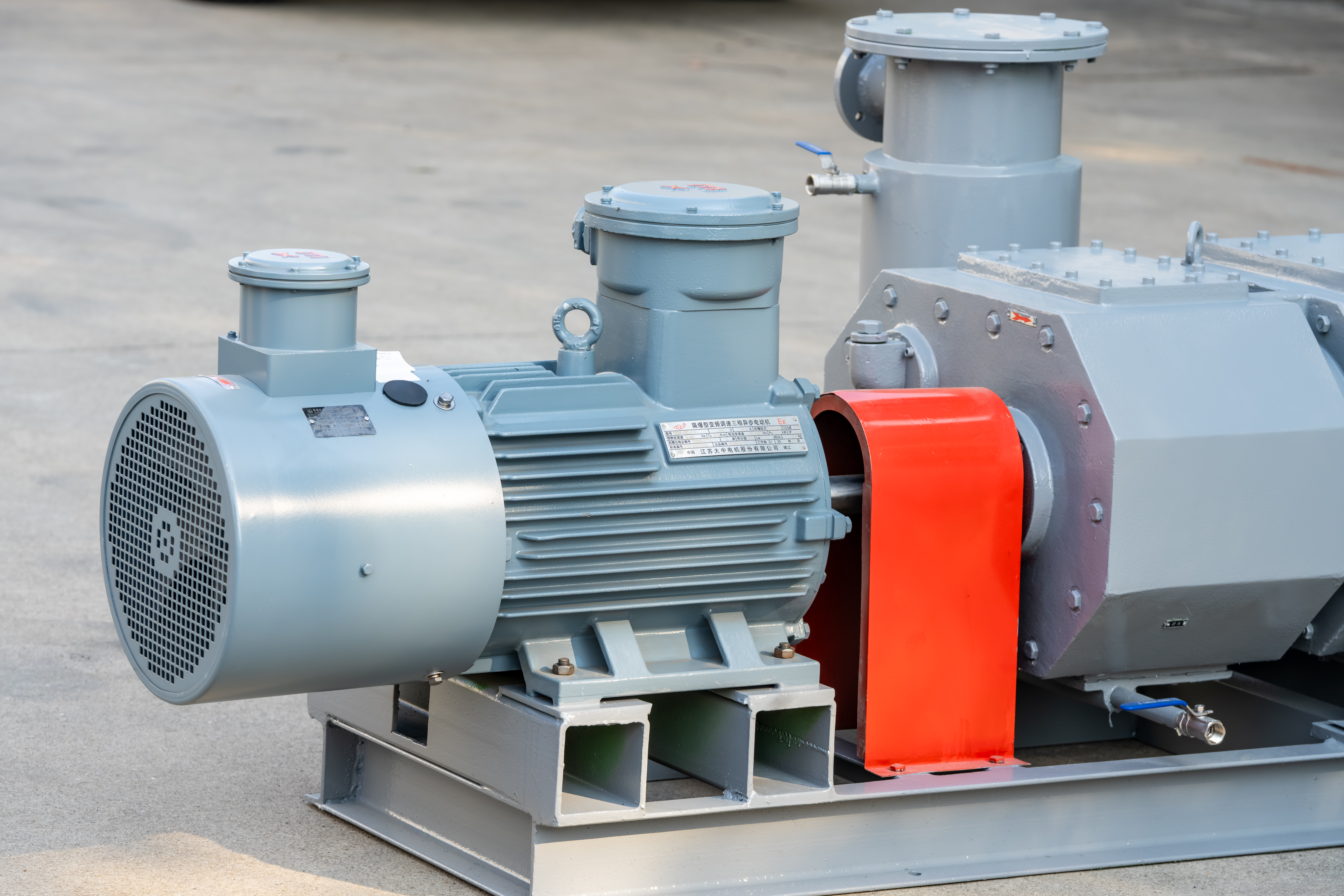
Bei der Bedienung industrieller Vakuumsysteme stehen Sicherheitsaspekte im Vordergrund, um Personal, Anlagen und die Betriebssicherheit zu schützen. Die LGB-Schrauben- vakuumpumpe stellt eine hochentwickelte Maschine dar, deren sichere und zuverlässige Nutzung ein umfassendes Verständnis der geltenden Sicherheitsprotokolle erfordert. Die Kenntnis dieser Sicherheitsfaktoren ist entscheidend, um Unfälle zu vermeiden, Ausfallzeiten zu minimieren und die Lebensdauer Ihrer Investition in das Vakuumsystem zu maximieren.
Die Sicherheitsfaktoren rund um LGB-Schrauben-Vakuumpumpe der Betrieb umfasst mehrere kritische Bereiche, darunter mechanische Integrität, thermisches Management, elektrische Sicherheit und Umweltaspekte. Jeder dieser Aspekte spielt eine entscheidende Rolle bei der Vermeidung von Geräteausfällen, Personenschäden und Prozessstörungen. Eine angemessene Berücksichtigung dieser Sicherheitsaspekte stellt sicher, dass Ihr Vakuumsystem innerhalb der vorgesehenen Betriebsparameter arbeitet und gleichzeitig die höchsten Standards an Arbeitssicherheit und gesetzlicher Konformität erfüllt.
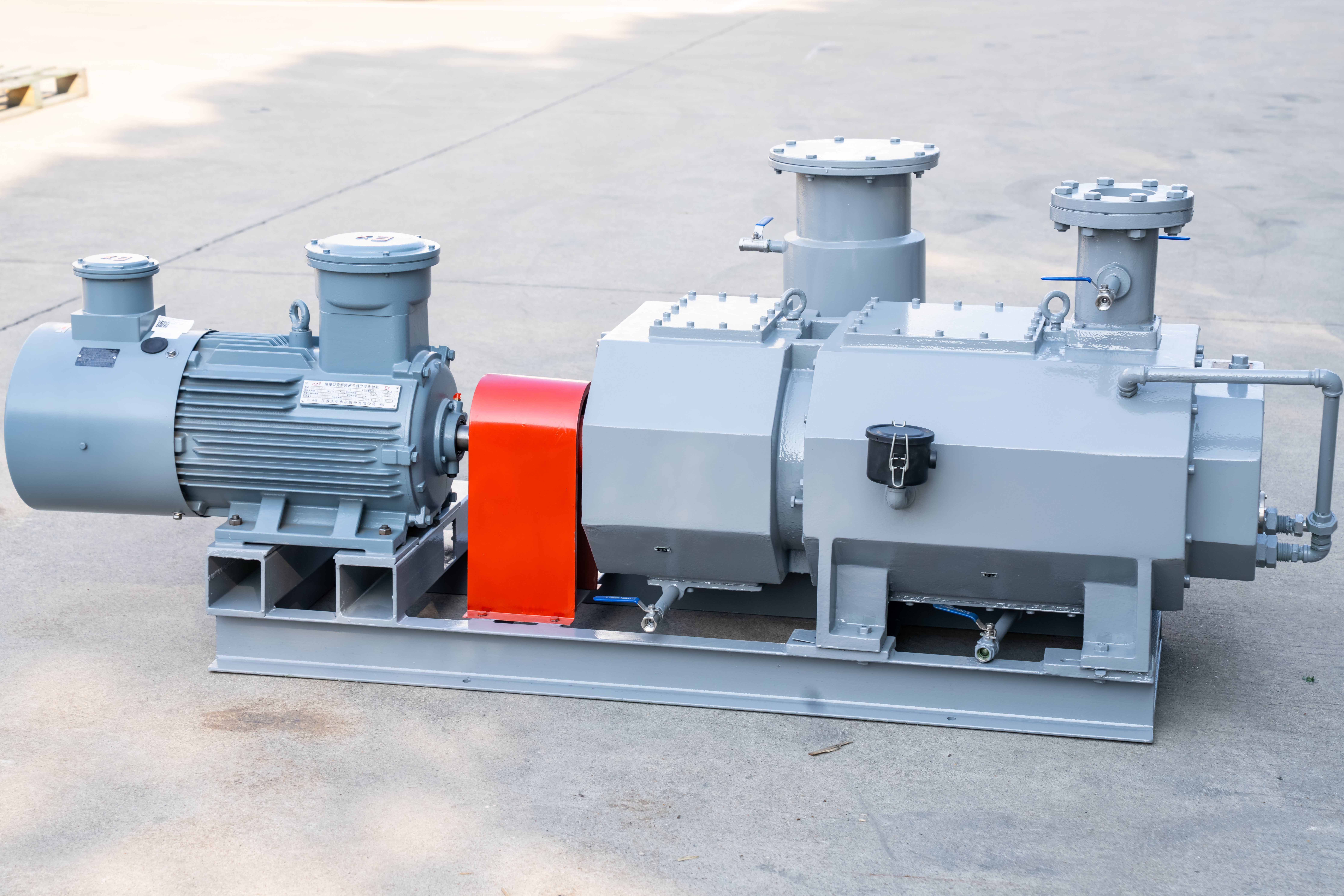
Mechanische Sicherheitsaspekte für LGB-Schrauben-Vakuumpumpen
Rotorspiel und mechanische Integrität
Die mechanische Sicherheit eines LGB-Schrauben-Vakuumpumpe hängt grundsätzlich von der Aufrechterhaltung korrekter Läuferabstände und der Gewährleistung der strukturellen Integrität während des gesamten Betriebs ab. Die präzisionsgefertigten Läufer innerhalb der Pumpenkammer müssen bestimmte Abstände einhalten, um Kontakt und mögliche katastrophale Ausfälle zu verhindern. Die regelmäßige Überwachung der Vibrationswerte, der Lagertemperaturen sowie der Läuferausrichtung ist entscheidend, um mechanische Alterungserscheinungen frühzeitig zu erkennen, die zu Sicherheitsrisiken führen könnten.
Mechanische Verschleißindikatoren sollten kontinuierlich überwacht werden, um plötzliche Ausfälle zu vermeiden, die zu Läuferkontakt, Wellenbruch oder Gehäuseschäden führen könnten. Die LGB-Schrauben-Vakuumpumpe konstruktion beinhaltet Sicherheitsabstände bei den Läuferabständen; thermische Ausdehnung, Lagerverschleiß und Wellendurchbiegung können diese Sicherheitsabstände jedoch schrittweise verringern. Die Implementierung vorausschauender Wartungspläne auf Basis von Schwingungsanalysen und Temperaturüberwachung hilft dabei, potenzielle mechanische Probleme zu identifizieren, bevor sie die Sicherheit beeinträchtigen.
Sicherheitsverriegelungssysteme spielen eine entscheidende Rolle beim Schutz vor mechanischen Ausfällen. Diese Systeme sollten eine Vibrationsüberwachung umfassen, die die Pumpe automatisch abschaltet, sobald übermäßige Vibrationswerte auf möglichen Rotorkontakt oder Lagerausfall hinweisen. Temperatursensoren an den Lagergehäusen geben frühzeitig Warnung vor Schmierproblemen oder übermäßigen mechanischen Lasten, die zu einem katastrophalen Ausfall führen könnten.
Druckentlastung und Überdruckschutz
Anwendungen, insbesondere beim Anfahren, Abschalten oder bei Prozessstörungen. LGB-Schrauben-Vakuumpumpe die Druckseite der Pumpe muss vor einem übermäßigen Druckanstieg geschützt werden, der interne Komponenten beschädigen oder Sicherheitsrisiken verursachen könnte. Eine fachgerechte Dimensionierung und Installation von Druckentlastungsventilen stellt sicher, dass die Systemdrücke unter allen Betriebsbedingungen innerhalb der zulässigen sicheren Betriebsgrenzen bleiben.
Auswahl und Kalibrierung von Druckentlastungseinrichtungen muss die maximale Druckanstiegsrate berücksichtigen, die die LGB-Schrauben-Vakuumpumpe kann unter Notfallbedingungen erzeugt werden. Die Entlastungskapazität des Sicherheitsventils muss die maximale Förderleistung der Pumpe überschreiten, um einen Druckaufbau zu verhindern. Zusätzlich muss die Entlastungsleitung des Sicherheitsventils entsprechend dimensioniert und verlegt sein, um die abgeleiteten Gase sicher zu führen, ohne sekundäre Gefahren zu erzeugen.
Der Schutz der Unterdruckseite ist ebenso wichtig, da übermäßige Unterdruckwerte strukturelle Schäden an Prozessanlagen verursachen oder gefährliche Betriebsbedingungen hervorrufen können. Unterdruck-Sicherheitsventile oder Unterdruck-Entlaster sollten installiert werden, um zu verhindern, dass der Unterdruck die konstruktiven Grenzwerte der Anlage überschreitet. Diese Sicherheitseinrichtungen schützen sowohl die Pumpe als auch die angeschlossene Prozessanlage vor Schäden durch übermäßige Unterdruckbedingungen.
Thermische Sicherheit und Wärmemanagement
Betriebstemperaturgrenzen
Das Wärmemanagement stellt einen kritischen Sicherheitsfaktor bei LGB-Schrauben-Vakuumpumpe betrieb, da überhöhte Temperaturen zu Dichtungsversagen, Schmierstoffalterung und thermischer Ausdehnung jenseits der Konstruktionsgrenzen führen können. Die Betriebstemperatur der Pumpe muss durch eine geeignete Kühlungsanlagenauslegung und Temperaturüberwachung sorgfältig kontrolliert werden. Ein Ausfall des Kühlsystems oder eine unzureichende Wärmeabfuhrkapazität kann rasch zu gefährlichen Temperaturbedingungen führen, die sowohl die Integrität der Anlage als auch die Sicherheit des Personals gefährden.
Temperaturüberwachungssysteme sollten mehrere Messstellen im gesamten LGB-Schrauben-Vakuumpumpe aggregat umfassen, darunter Lagergehäuse, Dichtstellen und Austrittsgastemperaturen. Hochtemperaturwarnmeldungen und automatische Abschaltsysteme verhindern den Betrieb über zulässige Temperaturgrenzen hinaus. Die Auslegung des Kühlsystems muss die maximale Umgebungstemperatur, die Prozessgastemperatur sowie die Wärmeentwicklung unter allen Betriebsbedingungen berücksichtigen.
Berücksichtigung thermischer Ausdehnung wirkt sich auf Läuferluftspalte, Dichtintegrität und Rohrverbindungen aus. Die LGB-Schrauben-Vakuumpumpe das Design muss thermische Ausdehnung berücksichtigen, ohne Sicherheitsrisiken zu erzeugen oder die Leistungsfähigkeit zu beeinträchtigen. Eine geeignete Rohrleitungsflexibilität, Dehnungsfugen und eine fundierte Fundamentgestaltung verhindern thermische Spannungen, die zu einem Ausfall der Ausrüstung oder zu Sicherheitsproblemen führen könnten.
Sicherheitsanforderungen für das Kühlsystem
Muss mehrere Sicherheitsmerkmale enthalten, um eine Überhitzung zu verhindern und einen zuverlässigen Betrieb sicherzustellen. Kühlwasserversorgungssysteme erfordern eine Durchflussüberwachung, Temperaturregelung und Notversorgungssysteme, um sichere Betriebsbedingungen aufrechtzuerhalten. Ein Ausfall der Kühlung kann rasch zu gefährlichen Temperaturbedingungen führen, die die Integrität der Ausrüstung gefährden und Sicherheitsrisiken für das betriebliche Personal darstellen. LGB-Schrauben-Vakuumpumpe kühlsystem für ein
Flussüberwachungssysteme sollten Alarme bei niedrigem Durchfluss und automatische Pumpenabschaltfunktionen umfassen, um einen Betrieb ohne ausreichende Kühlung zu verhindern. Temperaturregelungssysteme müssen die Kühlwassertemperatur innerhalb der vorgegebenen Bereiche halten, um eine wirksame Wärmeabfuhr sicherzustellen. Notkühlsysteme oder Notabschaltverfahren werden in Anwendungen unverzichtbar, bei denen ein Ausfall des Kühlsystems unmittelbare Sicherheitsrisiken verursachen könnte.
Das Wassergütemanagement beeinflusst sowohl die Leistung als auch die Sicherheit des Kühlsystems. Eine schlechte Wasserqualität kann zu Ablagerungen, Korrosion oder Verschmutzung führen, was die Kühlleistung mindert und potenziell Sicherheitsrisiken schafft. Regelmäßige Wasseraufbereitung, Überwachung und Wartung stellen sicher, dass das Kühlsystem während der gesamten LGB-Schrauben-Vakuumpumpe betriebszeit weiterhin eine ausreichende Wärmeabfuhr gewährleistet.
Elektrische Sicherheit und Schutz des Steuerungssystems
Motorschutz und elektrische Gefahren
Elektrische Sicherheitsaspekte für LGB-Schrauben-Vakuumpumpe systeme umfassen den Motorschutz, die Sicherheit der Steuerung und die Verhinderung elektrischer Gefahren für das Personal. Der Motor, der die Pumpe antreibt, muss ordnungsgemäß gegen Überstrom, Unterspannung und Phasenausfall geschützt sein, da diese Bedingungen Sicherheitsrisiken oder Schäden an der Ausrüstung verursachen könnten. Ein geeigneter Motorschutz gewährleistet den sicheren Betrieb unter allen normalen und abnormalen Betriebsbedingungen.
Der Fehlerstromschutz wird in industriellen Umgebungen unverzichtbar, in denen Feuchtigkeit, Chemikalien oder leitfähige Verunreinigungen auftreten können. Die elektrische Installation muss den geltenden elektrischen Vorschriften und Sicherheitsstandards entsprechen, um elektrische Schockgefahren zu vermeiden. Alle elektrischen Gehäuse, Kabelrohre und Verbindungen müssen für die jeweilige Betriebsumgebung entsprechend ausgelegt sein und sich stets in einem sicheren Zustand befinden.
Sicherheitsmerkmale des Steuerungssystems sollten Not-Aus-Funktionen, Sperren-und-Kennzeichnen-Vorrichtungen (Lockout/Tagout) sowie eine eindeutige Anzeige des Gerätestatus umfassen. LGB-Schrauben-Vakuumpumpe das Steuerungssystem muss sichere Anfahr-, Betriebs- und Abschaltvorgänge gewährleisten, die sowohl Anlagen als auch Personal schützen. Optische und akustische Alarme weisen die Bediener auf Störungen hin, die sofortiges Eingreifen erfordern.
Notabschaltungen
Notabschaltfunktionen stellen eine grundlegende Sicherheitsanforderung für LGB-Schrauben-Vakuumpumpe installationen in industriellen Anwendungen dar. Das Abschaltungssystem muss in der Lage sein, die Pumpe unter allen Betriebsbedingungen sicher anzuhalten, einschließlich Notfallsituationen, bei denen eine sofortige Abschaltung erforderlich ist, um Schäden an der Ausrüstung oder Verletzungen des Personals zu verhindern. Es sollten mehrere Abschalttriggersysteme integriert werden, um verschiedene Notfallszenarien abzudecken.
Das Konzept für das Herunterfahren des Systems sollte die Anforderungen an die Prozesssicherheit, den Umweltschutz und die Sicherheit des Personals berücksichtigen. Das System muss das Vakuumsystem sicher entlasten, den Pumpenmotor stoppen und die Energiequellen gemäß den Anforderungen isolieren. Notabschaltsequenzen sollten so ausgelegt sein, dass plötzliche Druckänderungen oder andere transiente Vorgänge vermieden werden, die zusätzliche Sicherheitsrisiken verursachen könnten.
Die Prüfung und Wartung von Notabschaltsystemen stellt deren zuverlässige Funktion bei Bedarf sicher. Regelmäßige Prüfungen bestätigen, dass alle Abschaltfunktionen korrekt arbeiten und dass die Reaktionszeiten die Sicherheitsanforderungen erfüllen. Die LGB-Schrauben-Vakuumpumpe notabschaltanlage sollte in die gesamten betrieblichen Notfallsysteme integriert sein, um eine koordinierte Reaktion auf Notfallsituationen zu gewährleisten.
Umwelt- und Prozesssicherheitsfaktoren
Gasbehandlung und Kontaminationskontrolle
Sicherheit beim Umgang mit Prozessgasen stellt eine entscheidende Überlegung dar, wenn ein LGB-Schrauben-Vakuumpumpe in Anwendungen mit gefährlichen, toxischen oder reaktiven Gasen. Die Pumpenkonstruktion muss mit den zu fördernden Prozessgasen kompatibel sein, und es müssen geeignete Sicherheitsmaßnahmen getroffen werden, um Gasaustritte, Kontaminationen oder gefährliche Reaktionen zu verhindern. Die Materialverträglichkeit, die Auswahl der Dichtungen sowie die Einschlussysteme werden zu wesentlichen Sicherheitselementen.
Gaserkennungssysteme sollten dort installiert werden, wo toxische oder gefährliche Gase gefördert werden, um frühzeitig vor Leckagen oder Freisetzungen zu warnen. Lüftungssysteme müssen so ausgelegt sein, dass sie eventuelle Gasfreisetzungen sicher handhaben und die Ansammlung gefährlicher Konzentrationen verhindern. Der LGB-Schrauben-Vakuumpumpe einbau muss Vorkehrungen für eine sichere Gasbehandlung sowohl unter normalen als auch unter Notbetriebsbedingungen enthalten.
Die Kontaminationkontrolle verhindert die Kreuzkontamination zwischen verschiedenen Prozessströmen und schützt die Pumpe vor Schäden durch inkompatible Materialien. Richtige Spülverfahren, Isolationssysteme und Reinigungsprotokolle stellen sicher, dass die Pumpe verschiedene Prozessgase sicher fördern kann, ohne Sicherheitsrisiken oder Kontaminationsprobleme zu verursachen.
Umweltschutz und Emissionskontrolle
Umweltsicherheitsanforderungen für LGB-Schrauben-Vakuumpumpe betriebsabläufe umfassen Emissionskontrolle, Abfallmanagement und die Verhinderung von Umweltfreisetzungen. Das Pumpensystem muss so ausgelegt sein, dass Freisetzungen von Prozessgasen in die Atmosphäre verhindert werden, und es muss die geltenden umweltrechtlichen Vorschriften einhalten. Je nach Prozessanwendung können sekundäre Auffangsysteme, Emissionsüberwachung und Aufbereitungssysteme erforderlich sein.
Auswahl und Wartung der Dichtungen gewinnen entscheidende Bedeutung, um Umweltfreisetzungen zu verhindern. Die LGB-Schrauben-Vakuumpumpe muss geeignete Dichtsysteme für die zu handhabenden Prozessgase verwenden, wobei bei gefährlichen Stoffen zusätzliche Dicht- oder Eindämmsysteme erforderlich sind. Eine regelmäßige Überwachung und Wartung der Dichtsysteme verhindert eine Verschlechterung, die zu Umweltfreisetzungen führen könnte.
Die Verfahren zur Abfallbewirtschaftung müssen die ordnungsgemäße Entsorgung von Schmierstoffen, Spülflüssigkeiten für Dichtungen sowie allen mit der Pumpenwartung verbundenen kontaminierten Materialien berücksichtigen. Die Einhaltung umweltrechtlicher Vorschriften erfordert eine ordnungsgemäße Handhabung, Aufbereitung und Entsorgung aller während LGB-Schrauben-Vakuumpumpe des Betriebs und der Wartungsarbeiten entstehenden Abfallströme.
FAQ
Welche sind die kritischsten Temperaturüberwachungspunkte für die Sicherheit der LGB-Schrauben-Vakuumpumpe?
Die wichtigsten Temperaturüberwachungspunkte umfassen die Lagergehäuse an der Antriebs- und der nichtangetriebenen Seite, die Austrittsgastemperatur sowie die Temperaturen im Dichtungsbereich. Die Überwachung der Lagertemperatur liefert eine Frühwarnung vor Schmierproblemen oder übermäßigen mechanischen Lasten, während die Austrittsgastemperatur den allgemeinen Pumpenzustand und die Wirksamkeit des Kühlsystems anzeigt. Die Temperaturüberwachung im Dichtungsbereich hilft, Dichtungsversagen aufgrund einer übermäßigen Wärmeentwicklung zu verhindern. Diese Überwachungspunkte sollten sowohl über Alarm- als auch über automatische Abschaltfunktionen verfügen, um einen sicheren Betrieb zu gewährleisten.
Wie sollten Notabschaltungssysteme für maximale Sicherheit konfiguriert werden?
Notabschaltungssysteme sollten mehrere unabhängige Auslöser umfassen, wie z. B. hohe Vibration, hohe Temperatur, geringer Kühlfluss und manuelle Notabschaltungen. Die Abschaltsequenz sollte den Motor sicher stillsetzen, gegebenenfalls Isolationsventile schließen und eine kontrollierte Druckentlastung gewährleisten, um plötzliche Druckänderungen zu vermeiden. Das System sollte außerdem Funktionen für die Sperre und Kennzeichnung (Lockout/Tagout) sowie eine eindeutige Statusanzeige enthalten. Alle Notabschaltungsfunktionen sind regelmäßig zu prüfen, um einen zuverlässigen Betrieb bei Bedarf sicherzustellen.
Welche Anforderungen an die Druckentlastung gelten für LGB-Schrauben-Vakuumpumpen-Installationen?
Druckentlastungssysteme müssen sowohl die Druck- als auch die Saugseite der Pumpe schützen. Sicherheitsventile auf der Druckseite sollten so dimensioniert sein, dass sie die maximale Pumpenförderleistung bewältigen können, und so eingestellt sein, dass sie bei Drücken unterhalb der zulässigen Geräte-Belastungsgrenzen öffnen. Vakuum-Entlastungssysteme verhindern ein zu hohes Vakuum, das angeschlossene Geräte beschädigen oder unsichere Betriebsbedingungen erzeugen könnte. Alle Entlastungseinrichtungen müssen gemäß den geltenden Normen und Vorschriften korrekt dimensioniert, installiert und gewartet werden.
Welche Sicherheitsaspekte sind beim Umgang mit gefährlichen Gasen mittels LGB-Schrauben-Vakuumpumpen zu beachten?
Für Anwendungen mit gefährlichen Gasen ist die Verifizierung der Materialverträglichkeit, geeignete Dichtungssysteme sowie Maßnahmen zur Abschottung erforderlich, um Freisetzungen zu verhindern. Gasmesssysteme, Notlüftungseinrichtungen und geeignete persönliche Schutzausrüstung werden zu wesentlichen Sicherheitsanforderungen. Die Pumpeninstallation muss, wo erforderlich, eine sekundäre Abschottung umfassen sowie ordnungsgemäße Verfahren für Inbetriebnahme, Stillsetzung und Wartungsarbeiten vorsehen. Alle Sicherheitssysteme müssen gemäß den anzuwendenden Sicherheitsstandards für die jeweiligen gefährlichen Stoffe ausgelegt und instand gehalten werden.
Inhaltsverzeichnis
- Mechanische Sicherheitsaspekte für LGB-Schrauben-Vakuumpumpen
- Thermische Sicherheit und Wärmemanagement
- Elektrische Sicherheit und Schutz des Steuerungssystems
- Umwelt- und Prozesssicherheitsfaktoren
-
FAQ
- Welche sind die kritischsten Temperaturüberwachungspunkte für die Sicherheit der LGB-Schrauben-Vakuumpumpe?
- Wie sollten Notabschaltungssysteme für maximale Sicherheit konfiguriert werden?
- Welche Anforderungen an die Druckentlastung gelten für LGB-Schrauben-Vakuumpumpen-Installationen?
- Welche Sicherheitsaspekte sind beim Umgang mit gefährlichen Gasen mittels LGB-Schrauben-Vakuumpumpen zu beachten?
