
 EN
EN
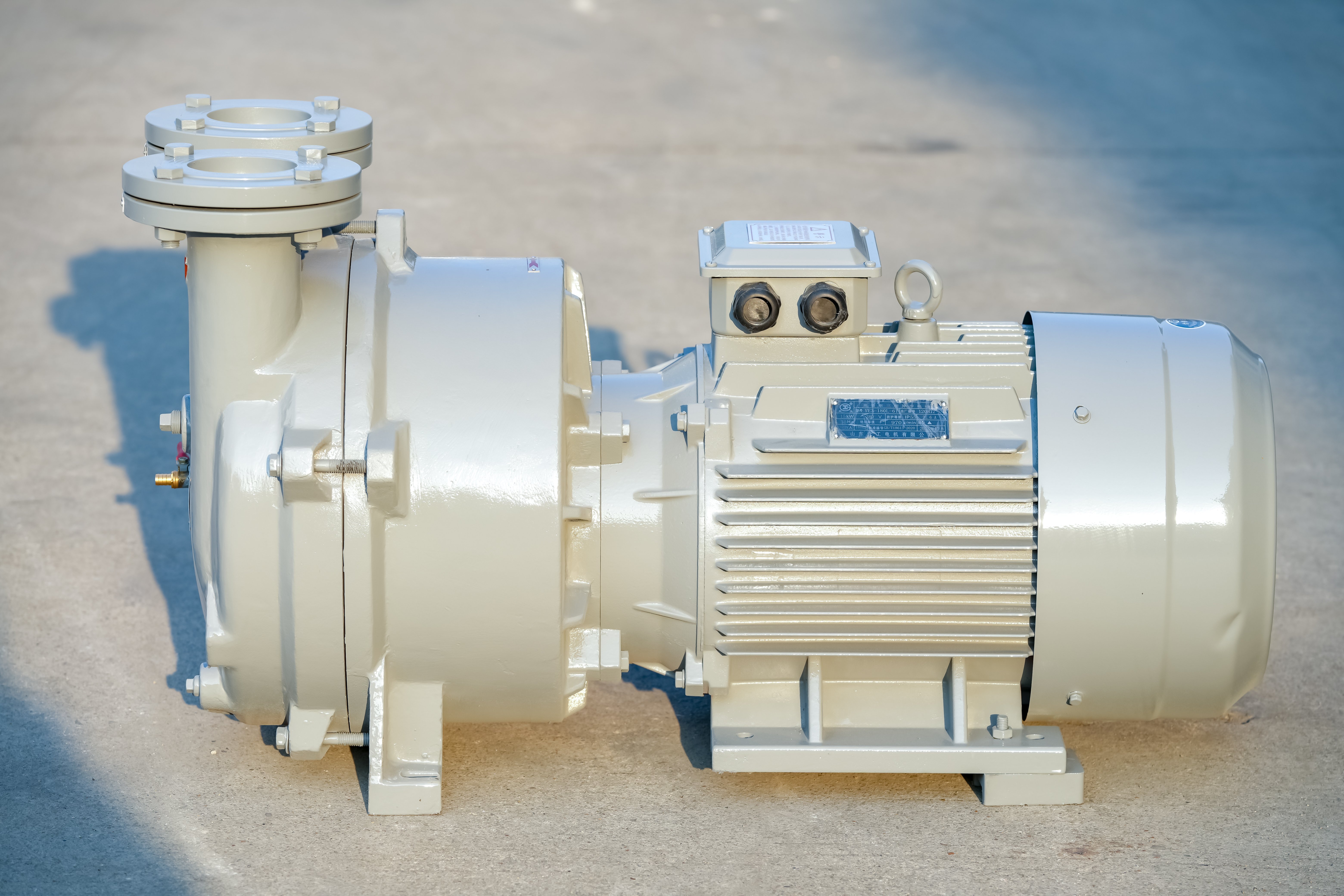
Առաջադեմ կերամիկայի արտադրողները համապատասխանաբար ընտրում են վակուումային սպառման վառարանները սովորական մթնոլորտային սպառման մեթոդների փոխարեն՝ շնորհիվ սպառման միջավայրի վերահսկման գերազանց հնարավորության և բարձրորակ կերամիկական մասերի ստացման կարողության: Վակուումային սպառման վառարանի տեխնոլոգիայի նախընտրությունը պայմանավորված է նրա կարողությամբ վերացնել մթնոլորտային աղտոտումը, նվազեցնել բացատրելի խոռոչավորությունը և հասնել ճշգրիտ միկրոկառուցվածքային վերահսկման, որը անհրաժեշտ է առաջադեմ կերամիկայի կիրառման համար ավիատիեզերական, էլեկտրոնային և բժշկական արդյունաբերություններում:
Բարձր կատարողականությամբ կերամիկայի նկատմամբ աճող պահանջարկը՝ բացառիկ մեխանիկական հատկություններով, ջերմային կայունությամբ և էլեկտրական բնութագրերով, վակուումային սինտերավորման վառարանների համակարգերը դարձրել է ժամանակակից արտադրության մեջ անփոխարինելի: Այս մասնագիտացված վառարանները ստեղծում են թթվածնից զերծ միջավայր, որը կանխում է օքսիդացման ռեակցիաները՝ միաժամանակ հնարավորություն տալով արտադրողներին ստանալ խիտ, առանց թե 결ույթների միկրոկառուցվածք, որը անհրաժեշտ է կրիտիկական կիրառումների համար, որտեղ նյութի վնասվելը չի թույլատրվում:
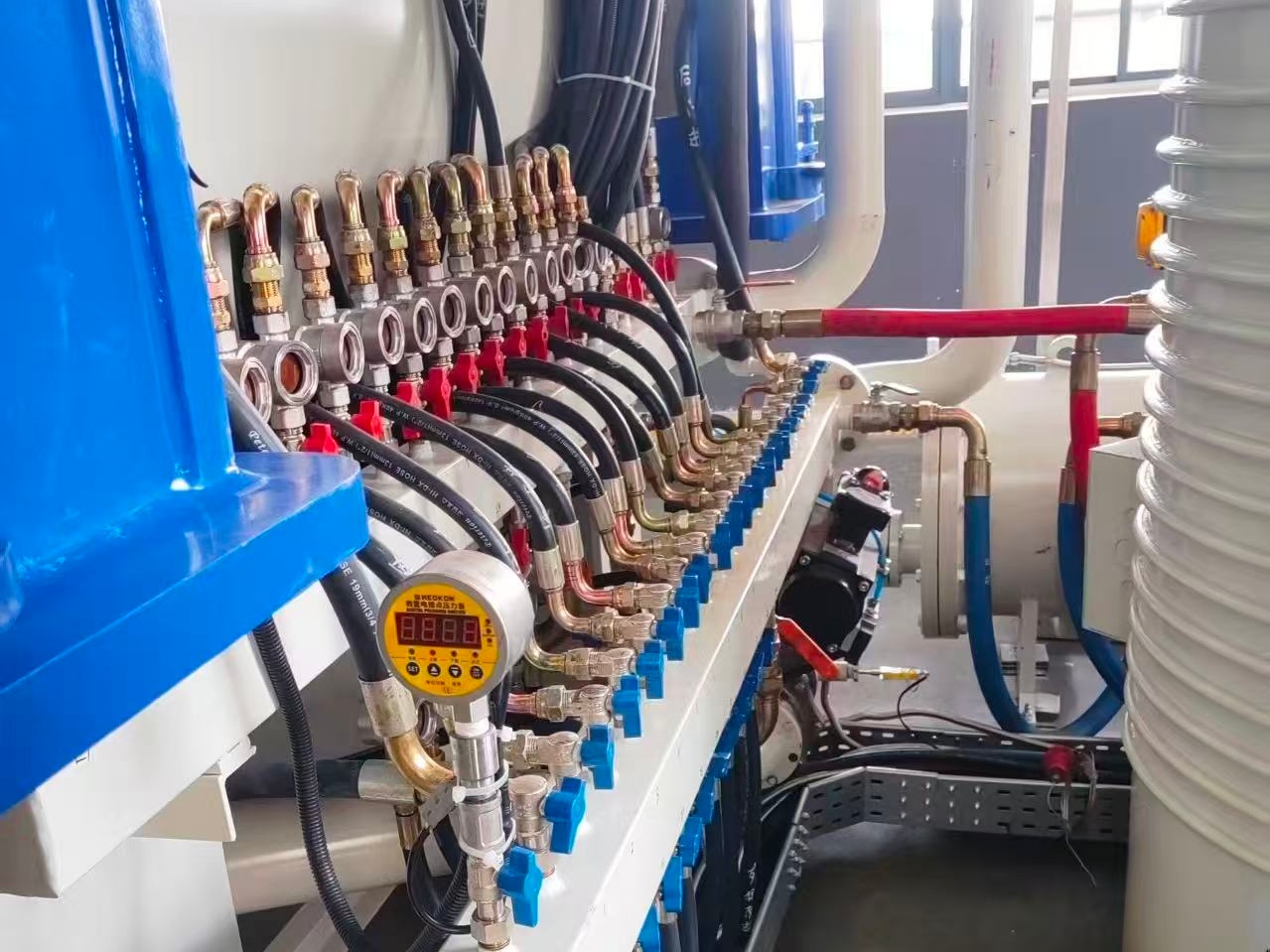
Բարձրորակ միջավայրի վերահսկում և աղտոտման կանխարգելում
Մթնոլորտային խառնուրդների վերացում
Վակուումային սինտերացման վառարանը ապահովում է անգերազանցելի վերահսկողություն մշակման միջավայրի վրա՝ հեռացնելով մթնոլորտային գազերը, որոնք կարող են բացասաբար ազդել կերամիկայի որակի վրա: Ի տարբերություն օդային կամ պաշտպանիչ գազային միջավայրերում գործող ավանդական սինտերացման մեթոդների, վակուումային համակարգերը վերացնում են թթվածինը, ազոտը և խոնավությունը, որոնք կարող են առաջացնել անցանկալի քիմիական ռեակցիաներ սինտերացման գործընթացի ընթացքում: Այս վերահսկվող միջավայրը կանխում է օքսիդային շերտերի առաջացումը կերամիկական մակերեսների վրա և նվազեցնում է ցնդող խառնուրդներից աղտոտման ռիսկը:
Վակուումային սինտերավորման վառարանում մթնոլորտային գազերի բացակայությունը նաև կանխում է ածխածնի աղտոտումը, որը հաճախ տեղի է ունենում վերականգնող միջավայրերում: Դա հատկապես կարևոր է սիլիցիումի կարբիդի և ալյումինայի նման առաջադեմ կերամիկայի համար, որտեղ ածխածնի նույնիսկ հետքային քանակները կարող են կտրուկ փոխել նյութի հատկությունները: Արտադրողները հենվում են այս աղտոտման ազատ մշակման վրա՝ ապահովելու համար արտադրական շարքերի ընթացքում նյութի սպեցիֆիկացիաների համասեռությունը:
Ճշգրիտ ճնշման կառավարման հնարավորություններ
Զարգացած վակուումային սպինտերավորման վառարանների համակարգերը ապահովում են ճշգրիտ ճնշման կառավարում, որը թույլ է տալիս արտադրողներին օպտիմալացնել սպինտերավորման պայմանները կոնկրետ կերամիկական բաղադրությունների համար: Բարձր վակուումից մինչև մասնակի ճնշման պայմաններ ընդգրկող վակուումային մակարդակների պահպանմամբ շահագործողները կարող են ճշգրտել սպինտերավորման միջավայրը՝ խթանելու ցանկալի խտացման մեխանիզմները և ճնշելու անցանկալի ռեակցիաները: Այս կառավարման մակարդակը անհնար է ստանալ մթնոլորտային սպինտերավորման մեթոդներով:
Սպինտերավորման ցիկլի ընթացքում ճնշման կառավարման հնարավորությունը թույլ է տալիս արտադրողներին կիրառել զարգացած մշակման տեխնիկաներ, ինչպես օրինակ՝ ճնշմամբ աջակցվող սպինտերավորումը և տաք ճնշումը: Այս մեթոդները վակուումային մշակման առավելությունները միավորում են մեխանիկական ճնշման հետ՝ վերջնական կերամիկայում ստանալու ավելի բարձր խտություն և բարելավված մեխանիկական հատկություններ: ապրանքներ .
Բարելավված խտացում և միկրոկառուցվածքային որակ
Բարելավված մասնիկների փաթեթավորում և խտություն
Վակուումային սինտերացման վառարանի կողմից ստեղծված վակուումային միջավայրը զգալիորեն բարելավում է խտացման գործընթացը՝ հեռացնելով մասնիկների վերադասավորումը և դիֆուզիան խոչընդոտող թակարդված գազերը: Մթնոլորտային սինտերացման դեպքում թակարդված օդային գրպանները կարող են կանխել մասնիկների օպտիմալ շփումը և ստեղծել մնացորդային ծակոտկենություն, որը թուլացնում է վերջնական կերամիկական կառուցվածքը: Վակուումային միջավայրը թույլ է տալիս մասնիկներին ավելի ազատ շարժվել սինտերացման գործընթացի ընթացքում, ինչը հանգեցնում է ավելի լավ փաթեթավորման արդյունավետության և ավելի բարձր վերջնական խտությունների:
Վակուումային սինտերավորման վառարանների տեխնոլոգիան օգտագործող արտադրողները համապատասխանաբար հասնում են տեսական խտության 98 %-ից ավելի մակարդակի, իսկ մթնոլորտային սինտերավորման դեպքում սովորաբար հասնում են 90–95 %-ի: Այս բարելավված խտացումը ուղղակիորեն հանգեցնում է մեխանիկական հատկությունների բարելավման՝ ներառյալ բարձրացված ամրություն, բարելավված ճեղքման դիմացկունություն և լավացված մաշվածության դիմացկունություն վերջնական կերամիկական մասերում:
Հատիկների կառուցվածքի օպտիմալացում
Վերահսկվող միջավայրը ա վակուումային սինտերացման վառարան հնարավորություն է տալիս ճշգրիտ վերահսկել գրանուլների աճը և միկրոկառուցվածքի ձևավորումը սպինտերավորման ընթացքում: Մթնոլորտային միջամտության վերացման և համասեռ ջերմային պայմանների պահպանման շնորհիվ արտադրողները կարող են ստանալ համասեռ գրանուլների չափսեր և նվազեցնել աբնորմալ գրանուլների աճը, որը կարող է վատացնել կերամիկայի հատկությունները:
Վակուումային միջավայրը նաև ապահովում է ավելի համասեռ ջերմափոխանակություն կերամիկայի բոլոր բաղադրիչներում, ինչը հանգեցնում է ամբողջ մասնակի վրա միկրոկառուցվածքի համասեռ ձևավորման: Այս համասեռությունը կարևոր է ճշգրիտ կիրառումներում օգտագործվող առաջադեմ կերամիկայի համար, որտեղ միկրոկառուցվածքի տատանումները կարող են հանգեցնել աշխատանքային ցուցանիշների անհամասեռության կամ վաղաժամկետ վնասվելու:
Գործընթացի արդյունավետություն և արտադրական առավելություններ
Մշակման ջերմաստիճանի պահանջների նվազեցում
Վակուումային սինտերացման վառարանների համակարգերը հաճախ թույլ են տալիս սինտերացում իրականացնել ավելի ցածր ջերմաստիճաններում, քան մթնոլորտային եղանակներով, ինչը նշանակալի էներգախնայողություն է ապահովում և նվազեցնում է կերամիկական բաղադրիչների վրա ջերմային լարվածությունը: Վակուումային միջավայրը բարելավում է զանգվածի տեղափոխման մեխանիզմները, ինչը հնարավորություն է տալիս խտացումն իրականացնել 50–100°C-ով ցածր ջերմաստիճաններում, քան անհրաժեշտ է մթնոլորտային պայմաններում: Ջերմաստիճանի այս իջեցումը հատկապես օգտակար է բարդ երկրաչափական ձևեր կամ բարակ հատվածներ ունեցող կերամիկայի համար, որոնք հակված են ջերմային դեֆորմացիայի:
Ցածր սինտերացման ջերմաստիճանները նաև նվազեցնում են կերամիկական բաղադրություններից թռչուն միացությունների կորուստի ռիսկը, որոնք պարունակում են ցինկի օքսիդ կամ բիսմութի օքսիդ նման տարրեր: Արտադրողները կարող են պահպանել ստոյխիոմետրիկ բաղադրությունը սինտերացման ամբողջ ցիկլի ընթացքում, ինչը երաշխավորում է վերջնական կերամիկայի հաստատուն էլեկտրական և ջերմային հատկությունները:
Կարճացված ցիկլերի տևողություն
Վակուումային պայմաններում բարելավված զանգվածի տեղափոխումը թույլ է տալիս կրճատել սպինտերավորման ցիկլերը՝ առանց վերջնական խտության կամ հատկությունների վատացման: Տիպիկ վակուումային սպինտերավորման վառարանի ցիկլը կարող է հասնել լրիվ խտացման՝ 2–4 ժամում, իսկ նույն կերամիկական կազմավորումների մթնոլորտային սպինտերավորման համար անհրաժեշտ է 6–12 ժամ: Ցիկլի տևողության կրճատումը կարևորապես բարելավում է արտադրատեխնոլոգիական հզորությունը և նվազեցնում է յուրաքանչյուր մասնակի արտադրանքի համար ծախսվող էներգիան:
Վակուումային սպինտերավորման վառարանի տեխնոլոգիայով ապահովվող ավելի արագ մշակումը նաև նվազեցնում է հատիկների աճի և բաղադրության փոփոխությունների հնարավորությունը, որոնք կարող են տեղի ունենալ երկարատև բարձր ջերմաստիճանի ազդեցության ժամանակ: Արտադրողները շահում են իրենց կերամիկական արտադրանքների չափային կայունության բարելավման և նյութի հատկությունների ավելի կանխատեսելի լինելու առումով:
Առաջադեմ նյութերի համատեղելիություն և բազմաֆունկցիոնալություն
Ռեակտիվ կերամիկական համակարգերի մշակում
Շատ առաջադեմ կերամիկական նյութեր պահանջում են վակուումային սինթերման վառարանի մշակում՝ իրենց ռեակտիվ բնույթի կամ մթնոլորտային պայմանների նկատմամբ զգայունության պատճառով: Օրինակ՝ սիլիցիումի նիտրիդը հեշտությամբ օքսիդանում է օդում սինթերման ջերմաստիճաններում, առաջացնելով սիլիցիումի օքսինիտրիդի փուլեր, որոնք վատացնում են մեխանիկական հատկությունները: Վակուումային միջավայրը կանխում է օքսիդացումը և պահպանում է ցանկալի կերամիկական կազմը սինթերման ամբողջ ընթացքում:
Կարբիդային կերամիկաները, այդ թվում՝ սիլիցիումի կարբիդը և վոլֆրամի կարբիդը, նույնպես զգալիորեն օգուտ են քաղում վակուումային սինթերման վառարանի մշակումից: Այս նյութերը կարող են կորցնել ածխածին մթնոլորտային պայմաններում թթվածնի կամ ջրային գոլորշու հետ ռեակցիայի արդյունքում, ինչը հանգեցնում է ազատ մետաղի առաջացման և հատկությունների վատացման: Վակուումային մշակումը պահպանում է կարբիդային փուլի ամբողջականությունը, որը անհրաժեշտ է բարձր կատարողականությամբ կիրառումների համար:
Բազմանյութային համակարգերի մշակում
Վակուումային սինտերավորման վառարանը հնարավորություն է տալիս մշակել բարդ կերամիկական համակարգեր, որոնք պարունակում են բազմափուլ կամ գրադիենտային կազմություններ, որոնք անհնար է սինտերավորել մթնոլորտային պայմաններում: Կառավարվող միջավայրը կանխում է տարբեր փուլերի ընտրողական օքսիդացումը և պահպանում է նախագծված կազմության պրոֆիլը բազմաշերտ կամ ֆունկցիոնալ գրադիենտային կերամիկական բաղադրիչների ընթացքում:
Այս հնարավորությունը հատկապես արժեքավոր է կերամիկա-մետաղային կոմպոզիտների (ցերմետների) մշակման համար, որտեղ մետաղային փուլը պետք է պաշտպանվի օքսիդացումից՝ միաժամանակ ապահովելով օպտիմալ կերամիկա-մետաղային կապը: Վակուումային սինտերավորման վառարանը հնարավորություն է տալիս տարբեր ջերմային ընդարձակման գործակիցներով և քիմիական ռեակտիվությամբ ունեցող տարբեր նյութերի համասինտերավորում:
Որակի վերահսկողություն և համասեռության առավելություններ
Վերարտադրելի մշակման պայմաններ
Վակուումային սինտերավորման վառարանի վերահսկվող միջավայրը ապահովում է բացառիկ վերարտադրելիություն մշակման պայմաններում, ինչը անհրաժեշտ է արտադրական միջավայրում կերամիկայի համասեռ որակը պահպանելու համար: Ի տարբերություն մթնոլորտային սինտերավորման՝ որտեղ խոնավությունը, օդի բաղադրությունը և աղտոտվածության մակարդակը կարող են փոփոխվել, վակուումային համակարգերը յուրաքանչյուր սինտերավորման ցիկլի համար ապահովում են կայուն և վերարտադրելի պայմաններ:
Այս վերարտադրելիությունը հատկապես կարևոր է բարձրակարգ կերամիկայի համար, որն օգտագործվում է կրիտիկական կիրառումներում, որտեղ անհրաժեշտ է նյութի սերտիֆիկացիան և հետագծելիությունը: Արտադրողները կարող են մշակման պարամետրերը մեկ առ մեկ փաստաթղթավորել և ստուգել յուրաքանչյուր շարքի համար, ապահովելով խիստ որակի ստանդարտների և սպեցիֆիկացիաների պահպանումը:
Իրական ժամանակի պրոցեսի հետազոտություն։
Ժամանակակից վակուումային սինտերավորման վառարանների համակարգերը ներառում են զարգացած մոնիտորինգի և կառավարման հնարավորություններ, որոնք թույլ են տալիս իրական ժամանակում հետևել կրիտիկական մշակման պարամետրերին՝ ներառյալ ջերմաստիճանը, ճնշումը և մթնոլորտի բաղադրությունը: Այս մոնիտորինգի հնարավորությունը թույլ է տալիս արտադրողներին հայտնաբերել և ուղղել մշակման շեղումները՝ մինչև դրանք ազդեն արտադրանքի որակի վրա:
Վակուումային սինտերավորման վառարանի միջավայրի իրական ժամանակում մոնիտորինգի և կառավարման հնարավորությունը թույլ է տալիս նաև մշակման օպտիմալացում և անընդհատ բարելավում: Արտադրողները կարող են կապակցել մշակման պարամետրերը վերջնական կերամիկական հատկությունների հետ՝ մշակելու օպտիմալ սինտերավորման պրոֆիլներ կոնկրետ կիրառումների և նյութերի պահանջների համար:
Հաճախակի տրվող հարցեր
Ո՞ր տեսակի զարգացած կերամիկաներն են ամենաշատը օգտվում վակուումային սինտերավորման վառարանների մշակման առավելություններից:
Սիլիցիումի նիտրիդը, սիլիցիումի կարբիդը, վոլֆրամի կարբիդը և այլ ոչ օքսիդային կերամիկական նյութերը զգալիորեն շահում են վակուումային սպառումային վառարանների մշակման հետևանքով՝ իրենց մթնոլորտային աղտոտման նկատմամբ զգայունության պատճառով: Այս նյութերի համար անհրաժեշտ է թթվածնի բացակայության միջավայր՝ օքսիդացման կանխարգելման և նախագծված բաղադրության ու հատկությունների պահպանման համար: Բացի այդ, էլեկտրոնային կիրառումներում օգտագործվող բարձր մաքրության օքսիդային կերամիկական նյութերը նույնպես շահում են վակուումային մշակման հետևանքով՝ էլեկտրական հատկությունների վրա ազդելու հնարավոր հետքային աղտոտումները վերացնելու համար:
Ինչպե՞ս է վակուումային սպառումային վառարանների մշակումը համեմատվում կերամիկայի արտադրության մեջ տաք իզոստատիկ ճնշման հետ:
Չնայած և՛ վակուումային սինտերավորման վառարանը, և՛ տաք իզոստատիկ ճնշումը (HIP) կարող են ստանալ բարձր խտությամբ կերամիկա, սակայն վակուումային սինտերավորումը ավելի էժան է մեծամասնության համար և ապահովում է լավ չափագրական վերահսկողություն: HIP-ը պահանջում է բարձր ճնշում և մասնագիտացված սարքավորումներ, ինչը դարձնում է այն ավելի թանկ, սակայն հնարավոր է ստանալ մի փոքր ավելի բարձր խտություն: Վակուումային սինտերավորումը մեծամասնության համար առաջարկում է որակի, արժեքի և մշակման արդյունավետության օպտիմալ հավասարակշռություն առաջադեմ կերամիկայի արտադրության կիրառումներում:
Ի՞նչ են վակուումային սինտերավորման վառարանների համակարգերի սովորական շահագործման ծախսերը մթնոլորտային վառարանների համեմատ:
Չնայած վակուումային սինտերավորման վառարանների համակարգերը ունեն բարձր սկզբնական սարքավորման ծախսեր և պահանջում են վակուում բամբեր սպասարկման համար, դրանք հաճախ ապահովում են ցածր ընդհանուր շահագործման ծախսեր՝ շնորհիվ կարճ ցիկլի տևողության և ցածր սինտերացման ջերմաստիճանների պատճառով նվազած էներգասպառման: Բարելավված ելքը և որակի համասեռությունը նաև նվազեցնում են մետաղաձուլական մետաղական մասերի և վերամշակման ծախսերը: Շատ արտադրողներ ներդրումների վերադարձը ստանում են 2–3 տարվա ընթացքում՝ բարելավված արդյունավետության և արտադրանքի որակի շնորհիվ:
Կարո՞ղ է վակուումային սինտերացման վառարանի տեխնոլոգիան արդյունավետ մշակել մեծ կերամիկական մասեր:
Ժամանակակից վակուումային սինտերացման վառարանները կարող են արդյունավետ մշակել մեծ կերամիկական մասեր՝ մինչև մի քանի մետր չափսերով, կախված վառարանի կառուցվածքից: Հիմնական հաշվի առնվող գործոններն են մեծ խցիկի ծավալում ջերմաստիճանի համասեռ բաշխման և բավարար վակուումային պոմպավորման հզորության պահպանումը: Առաջադեմ տաքացման տարրերի կառուցվածքը և բազմագոտեյին ջերմաստիճանի կարգավորումը ապահովում են համասեռ մշակման պայմաններ նույնիսկ մեծ կամ բարդ կերամիկական երկրաչափական ձևերի համար:
Բովանդակության աղյուսակ
- Բարձրորակ միջավայրի վերահսկում և աղտոտման կանխարգելում
- Բարելավված խտացում և միկրոկառուցվածքային որակ
- Գործընթացի արդյունավետություն և արտադրական առավելություններ
- Առաջադեմ նյութերի համատեղելիություն և բազմաֆունկցիոնալություն
- Որակի վերահսկողություն և համասեռության առավելություններ
-
Հաճախակի տրվող հարցեր
- Ո՞ր տեսակի զարգացած կերամիկաներն են ամենաշատը օգտվում վակուումային սինտերավորման վառարանների մշակման առավելություններից:
- Ինչպե՞ս է վակուումային սպառումային վառարանների մշակումը համեմատվում կերամիկայի արտադրության մեջ տաք իզոստատիկ ճնշման հետ:
- Ի՞նչ են վակուումային սինտերավորման վառարանների համակարգերի սովորական շահագործման ծախսերը մթնոլորտային վառարանների համեմատ:
- Կարո՞ղ է վակուումային սինտերացման վառարանի տեխնոլոգիան արդյունավետ մշակել մեծ կերամիկական մասեր:
